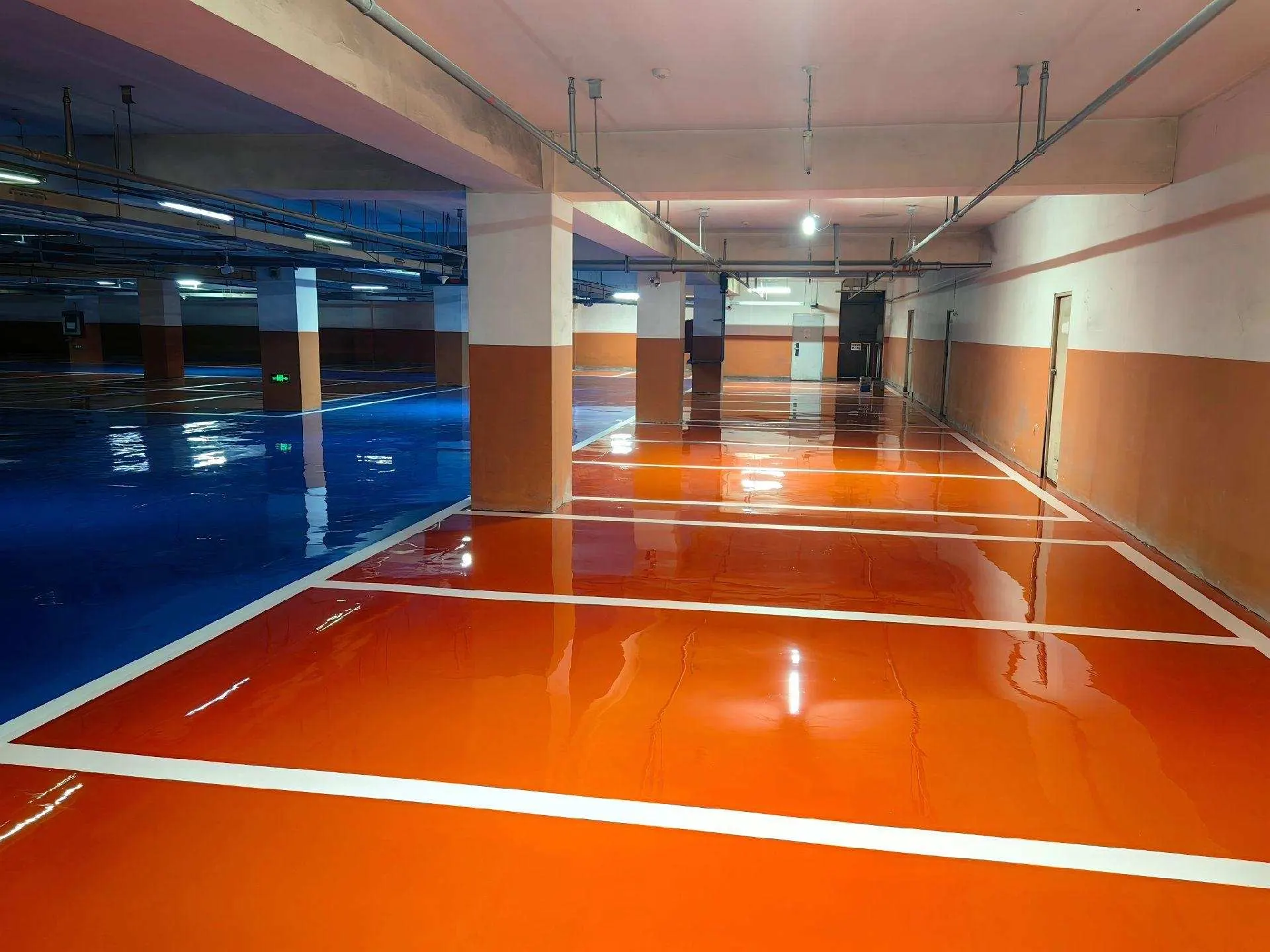
Industrial floors face tough conditions day in and day out. Heavy machinery rolls over them. Harsh chemicals spill on the surface. These floors support everything in factories, warehouses, and parking lots. But when they start to break down, problems arise. Costs go up. Repairs take time. Safety becomes an issue. Picture a warehouse where a cracked floor tips a forklift. Inventory spills everywhere. Operations stop for hours. That’s more than an inconvenience. It’s a real blow to profits. Reports from the flooring sector highlight this. Poor floor conditions cause over $2 billion in losses each year for U.S. manufacturers. Accidents and slowdowns add up. If you notice wear, think about epoxy coating. It’s a strong fix. This article covers five signs your floor needs it right away.
Understanding the Role of Industrial Floors
Let’s step back first. Industrial floors do more than provide a surface. They keep operations smooth. In a factory, they handle foot traffic. Vehicles move heavy loads. Oils and acids expose them to damage. Concrete by itself wears out over time. It can’t last forever. Epoxy coatings step in here. They create a solid barrier. This boosts strength. It helps everything run better.
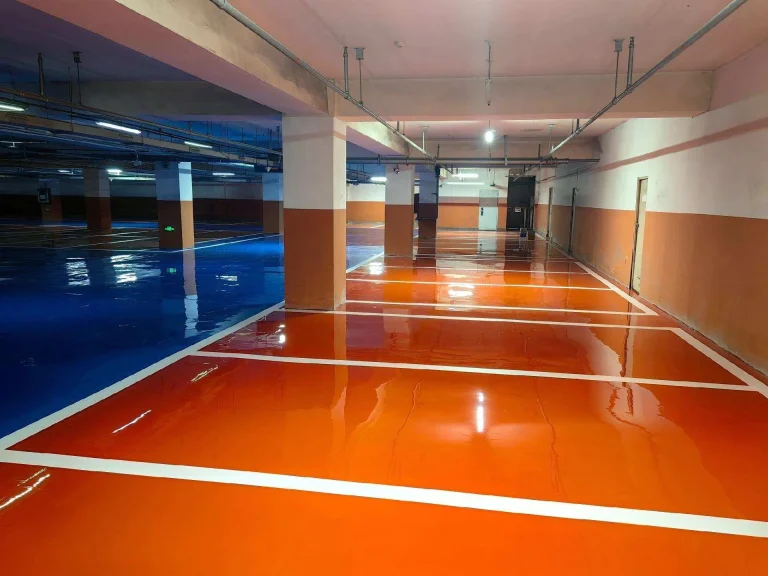
Take epoxy floor paint as an example. It forms a hard, shiny layer. This resists wear and chemicals. Places like workshops or basements benefit most. Reliability counts there. So, how do you spot the need? Check these signs.
Sign 1: Visible Cracks and Chips
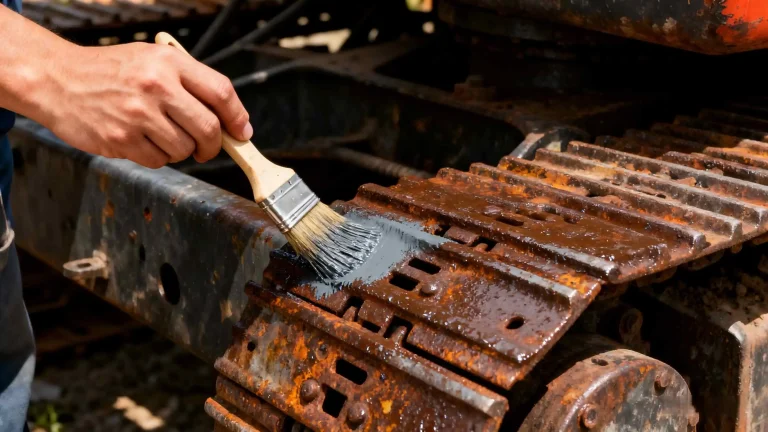
Cracks show up first often. They begin small. Maybe from a dropped tool. Or shifting ground. But they spread. Water gets in. It freezes in cold weather. The damage grows. I remember a logistics center in the Midwest. Minor cracks became big gaps after two winters. Concrete repairs cost a fortune.
Your floor might have these splits. An epoxy coating can seal them. It prevents more trouble. The high hardness acts like armor. This extends the floor’s lifespan. You apply it easily. Use a roller or spray. It covers 4-6 square meters per kilogram. That’s with two coats. Act early on cracks. It saves money later.
Sign 2: Stains from Oils and Chemicals
Spills are common in these spaces. Machines leak oil. Batteries release acids. Marks appear. They soak into concrete. It’s porous. Over time, the material weakens. It starts to crumble. Consider a parking garage. Oil drips build up. The floor gets slippery. Hazards increase. OSHA safety data shows slip risks rise by up to 30%.
Epoxy coating fights back. It stands up to oils and chemicals. Corrosion doesn’t stand a chance. Colors like green or grey are options. Protection comes first. But it looks good too. Workers spend less time cleaning. They get more done on the job.
Sign 3: Uneven Wear and Dusting
Does the floor feel rough? Like grit under your shoes? That’s dusting. Concrete breaks down. Fine particles come loose. High-traffic spots suffer most. Warehouses see this from forklifts. They grind the surface. Dust spreads. It ruins products. Machines get clogged. Air quality drops. In a food plant I know, dusting caused inspection failures. Shutdowns cost thousands daily.
Epoxy smooths it out. The glossy finish locks everything in. Wear resistance shines here. Less dust means cleaner operations. Drying is quick. Touch-dry in four hours at room temp. Back to work fast. It’s a solid way to cut dust issues.
Sign 4: Fading Appearance and Low Aesthetics
A worn floor looks tired. It points to bigger problems. In showrooms or basements, looks matter. They affect mood. Clients notice too. UV rays fade the surface. Cleaning wears it down more. The space feels old. Surveys from facility managers back this up. Good floors lift productivity by 15%. Better settings help.
Epoxy brings back the shine. The smooth gloss decorates nicely. Pick custom colors. Match your brand. Maintenance is simple. Just mop now and then. Shelf life is 12 months if stored right. It stays fresh for years.
Sign 5: Frequent Repairs and High Maintenance Costs
Patching every few months? That’s a clear warning. Fixes drain budgets. They interrupt work. An auto shop comes to mind. Concrete seals failed under chemicals. Yearly bills hit over $10,000.
Epoxy breaks this pattern. Long life is key. The two-component system builds strength. It handles heavy use. Sets come in 20kg packs. Great for big areas like workshops. Logistics centers too. Switch to it. Costs often halve. Case studies prove it.
Why Choose Epoxy for Your Industrial Needs
Epoxy goes beyond a simple patch. It’s a smart choice. It pays off over time. Check this table for quick insights:
| Feature | Benefit |
|---|---|
| High Hardness | Withstands heavy loads without cracking |
| Chemical Resistance | Protects against spills and corrosion |
| Glossy Finish | Enhances appearance and ease of cleaning |
| Application Efficiency | Covers large areas quickly with minimal downtime |
| Longevity | Reduces need for frequent repairs |
These perks fit tough environments. Warehouse traffic? Basement dampness? Epoxy handles it all.
To expand on this, think about daily challenges. In a factory, floors see constant action. Forklifts carry loads up to tons. Without protection, cracks form fast. Epoxy adds a layer. It distributes weight better. Chemicals are another foe. Manufacturing involves solvents. They eat away at bare concrete. But epoxy’s formula repels them. No penetration means no damage. Aesthetics play a role too. A clean, shiny floor boosts team spirit. It shows care for the workspace. Maintenance drops. No more scrubbing stains. A quick wipe does it. Over years, savings add up. Businesses report lower downtime. That’s crucial in competitive markets. Epoxy isn’t fancy. It’s practical. It solves real problems.
Introducing Konaz: Your Trusted Epoxy Floor Paint Supplier
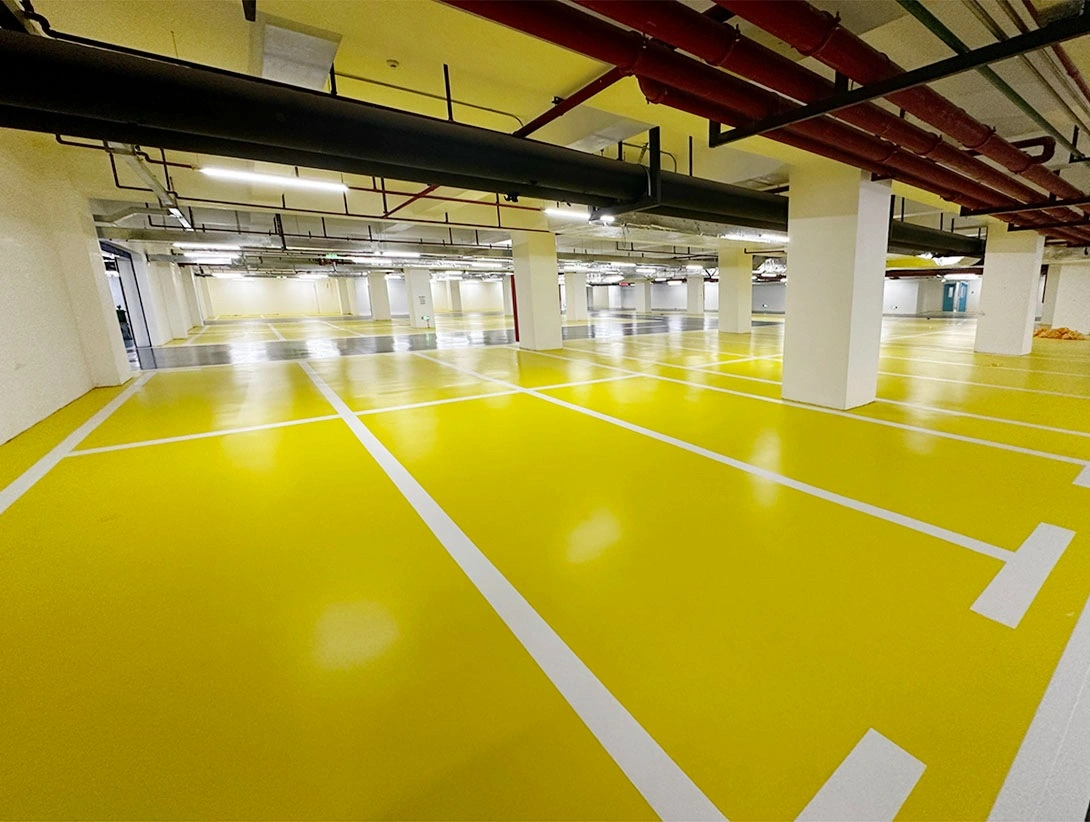
Konaz leads in coatings. They focus on quality epoxy floor paints. These suit industrial uses. Durability stands out. Performance too. Their epoxy floor paint serves factories and parking lots. Expertise backs every product. Strict standards apply. Hardness and resistance are top-notch. Ease of use matters. Konaz innovates. They help keep spaces safe. Efficient too. No extra hassle.
Let me share more on Konaz. They’ve built a reputation over time. Customers trust them for consistent results. In warehouses, their paints hold up under pressure. Basements stay dry and clean. The team at Konaz understands needs. They tailor solutions. Whether it’s a small shop or large facility, they deliver. Innovation drives them. New formulas improve resistance. This means longer protection. Businesses choose Konaz for reliability. It’s about peace of mind.
Conclusion
These five signs tell a story. Cracks, stains, dusting, fading, frequent fixes. They signal trouble. Epoxy coating steps up. It’s more than repair. It builds resilience. Operations stay smooth. Spot issues now. Upgrade soon. Your space will thank you.
To wrap up, ignoring these signs leads to headaches. Downtime hurts. Safety risks grow. But with epoxy, you turn it around. It’s affordable in the long run. Facilities run better. Teams work safer. Make the move. It’s worth it.
FAQs
What are the top 5 signs that an industrial floor needs an epoxy coating?
Look for visible cracks and chips. They spread if ignored. Then, stains from oils or chemicals. These weaken the base. Uneven wear causes dusting. It contaminates everything. Fading looks affect morale. Finally, constant repairs rack up costs. Spot them early.
How does epoxy coating help if my industrial floor shows signs it needs protection?
It seals cracks tight. Resists harsh stuff like chemicals. Cuts down on dust. Brings back a fresh, glossy vibe. Maintenance becomes easier. For busy spots like warehouses, this means less hassle. More uptime.
Is epoxy coating suitable for all types of industrial floors showing these 5 signs?
Sure, it works across the board. Workshops, parking areas, basements. Heavy use or chemical spills? Epoxy’s hardness and resistance tackle it. Just prep the surface right. It fits most needs.
How long does it take to apply epoxy coating once I notice signs my industrial floor needs it?
Drying hits touch-dry in four hours. At 25°C. Full hard in 48 hours. Prep adds some time. But coverage is efficient. 4-6㎡ per kg. Downtime stays low. Perfect for tight schedules.
Can custom colors be used in epoxy coatings for floors showing signs of wear?
Yes, choose green, grey, blue. Or go custom. It fixes wear issues. Plus, it polishes the look. A tired floor becomes sharp. Matches your setup nicely.