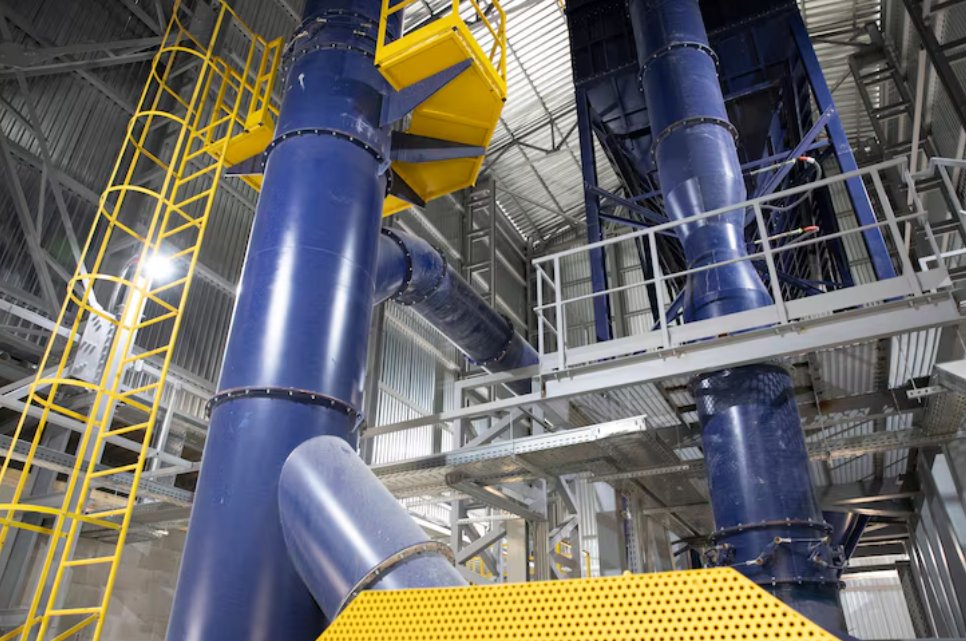
In places where things run hot day and night – think steel-mill furnaces, power-plant boilers, refinery piping, or cement-kiln exhaust stacks – people throw around the words “paint” and “coating” like they mean the same thing. They don’t. Calling a proper high-temperature barrier just “paint” is like calling a fire suit a T-shirt. One keeps you looking tidy for a while, the other keeps the metal alive when the thermometer is pushing redline.
The Critical Distinction: Functionality Over Finish
A fresh coat of industrial paint might stop surface rust on a warehouse roof or make a storage tank look clean from the road. That’s fine for mild jobs. But slap that same paint on a 750 °C boiler wall or a cracking-furnace manifold and it’s gone in weeks – sometimes days. What you need there is a real high-temperature coating built from the ground up to take the punishment.
Industrial Paint: The Limitation of Basic Surface Protection
Most industrial paints are little more than toughened house paint. They rely on organic resins that start to break down somewhere above 150–200 °C. Ride a boiler up to 600 °C for a few shifts, and the film turns brittle, cracks, then powders off like chalk. Once the barrier is gone, oxygen and sulfur in the flue gas go straight for the steel. I’ve seen brand-new carbon-steel tubes pit through in under six months when the wrong paint was used.
Industrial Coating: An Engineered Functional Barrier
A true industrial coating, especially the high-heat kind, isn’t paint with a fancy label. It’s a completely different animal built with silicone, ceramic, or inorganic binders that laugh at temperatures that cook ordinary paint. Konaz has spent the last 15 years doing nothing else but figuring out how to make these barriers stick and stay pretty when everything around them is trying to burn, corrode, or shake them loose.
The Extreme Environment of Heavy Industrial Equipment
Walk into a power station or a glass plant, and you feel the heat the second the door opens. Some of that gear never cools down – it just keeps hammering along at 500, 600, even 800 °C shift after shift, year after year.
Furnaces, Boilers, and Pipelines: A Non-Stop Thermal Assault
A coal-fired boiler can hit 750–800 °C on the superheater tubes every single day. Refinery transfer lines carry hot cracked gas at 650 °C while the outside skin still sees 450–500 °C. Add in the constant flexing from heat-up and cool-down cycles, the vibration from pumps and fans, and the acid-laden flue gas eating anything it touches. That’s not an environment – that’s a war zone for anything on the surface.
Why Conventional Materials Fail: Peeling, Discoloration, and Rapid Aging
Ordinary high-heat paints start turning brown at 400 °C, blister at 500 °C, and peel off in sheets by the next outage. One plant I know spent a fortune on a “600 °C paint” for their waste-heat boiler. Six months later, half the tubes were bare and scaling so bad they had to cut and replace twenty sections. Downtime ran into hundreds of thousands of dollars, never mind the emergency repair crews working round the clock.
Konaz’s Solution: The Evolution to High Temperature Powder Coating
Konaz didn’t try to tweak regular paint and hope for the best. They went straight to powder technology because powder gives thicker, tougher films with zero solvents and better heat resistance right out of the gun.
Konaz: Fifteen Years of High-Temperature Focus
Konaz started 15 years ago with one goal – to make coatings that don’t quit when the heat stays on. Today, they run a 3,000 m² plant packed with modern lines and ship containers of product worldwide. Everything they learned from failed prototypes and real plant trials went straight into the current formulas.
Introducing the High Temperature Powder Coating: A Specialized Barrier
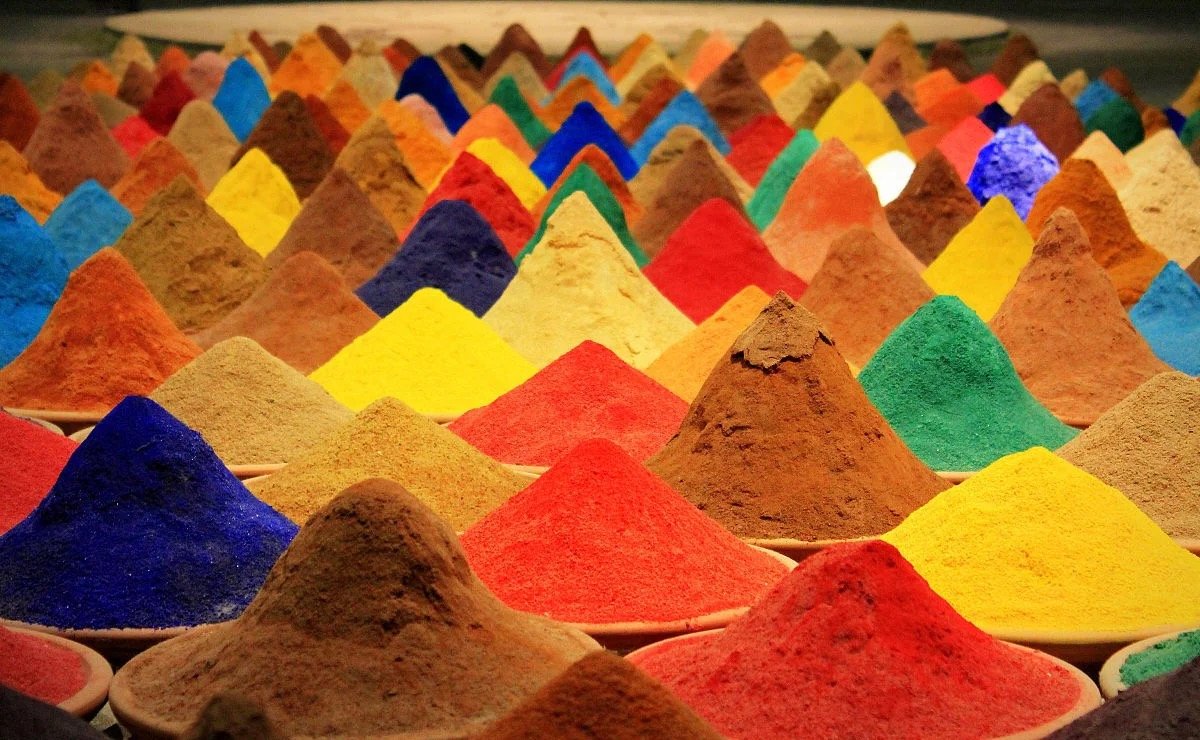
The Konaz High Temperature Powder Coating is made for the nastiest jobs – furnace panels, high-pressure steam lines, kiln exhaust ducts, anything that lives its life red-hot. It goes on dry, gets baked once, and then just sits there doing its job for years.
Superior Performance: Technical Advantages of Powder Coating
Uncompromising Thermal Endurance: Up to 800°C Resistance
This powder is good for steady 800 °C service. We’ve had samples bolted to test furnaces running 780 °C for years and months straight – still black, still tight, no cracks, no flakes. That’s the kind of margin plants need when they can’t afford surprises.
Stability Under Stress: No Peeling, No Discoloration, No Chalking
Ask any maintenance superintendent what drives them crazy about cheap coatings, and they’ll say the same three things: color goes, film lifts, surface turns to dust. Konaz powder doesn’t do any of that. Even when a burner flames straight onto the coated panel for minutes at a time, the surface comes out looking exactly the same. Riders in the field call it the “no excuses” finish – no discoloration, no peeling, rock-solid durability.
Robust Adhesion and Film Strength
Powder coatings naturally build thicker films than liquid, and Konaz pushes that even further with special pre-treatments and chemistry. The bond is so strong that even when the steel flexes or gets banged during installation, the coating moves with it instead of popping loose.
A Complete System: High-Quality Materials and Ease of Operation
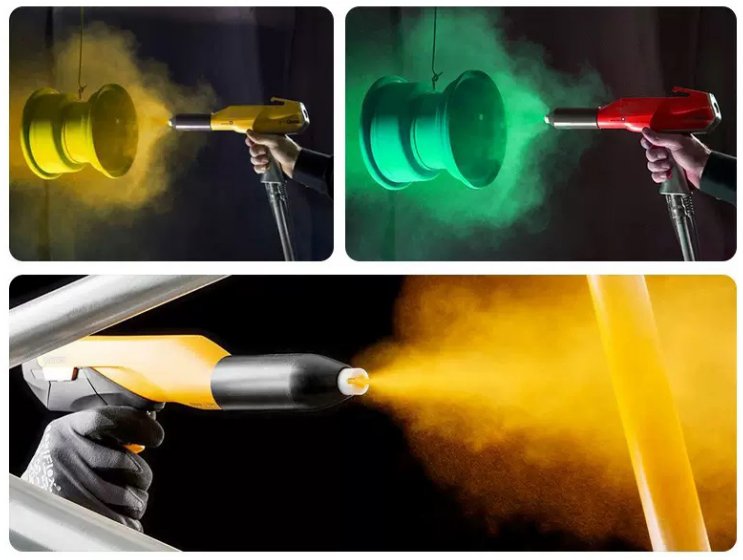
The powder sprays like any other industrial powder – standard corona guns, normal reclaim systems, no exotic equipment needed. The cure schedule is straightforward: 20 minutes at 200 °C metal temperature, and you’re done. Shops already running powder lines tell us switching to the Konaz high-temp grade is usually just a matter of loading a different box.
Strategic Value: Protecting Assets and Maximizing ROI
Extending the Service Life of Critical Infrastructure
Plants that switched to Konaz powder for their hot-gas ducting experienced a significant improvement in longevity, extending the time between major repairs from just a few years to nearly a decade. In industries where downtime can be costly, maintaining the protective coating helps prevent expensive disruptions, making the investment in durable protection worthwhile.
Enhancing Safety and Operational Reliability
When a coating fails on a high-pressure superheated line, you’re not just looking at rust – you’re looking at potential steam leaks or even ruptures. A solid, non-peeling barrier removes one more variable from an already tough environment. That’s why so many plants overseas now write Konaz into their technical specs – they know the stuff works when lives and millions of dollars are on the line.
If you’re ready to extend the life of your industrial equipment and reduce downtime, don’t hesitate to reach out. Contact us today to learn more about how Konaz High Temperature Powder Coating can enhance your plant’s performance and safety.
FAQ
Q: What is the main benefit of powder coating versus liquid paint in high-heat industrial use?
A: Powder builds a thicker, tougher film that stays put at temperatures where liquid paints burn off or peel in weeks.
Q: What is the maximum temperature the Konaz High Temperature Powder Coating can withstand?
A: Steady service up to 800 °C, with real-world testing past a year at 780 °C.
Q: Is this coating mainly for decorative purposes?
A: Not even close – it’s built first and foremost to protect metal in places too hot for regular paint to survive.
Q: What failure modes does this product prevent?
A: It stops the usual headaches: color shift, peeling, chalking, and blistering – even with direct flame impingement now and then.
Q: Is this product suitable for use on industrial pipelines?
A: Absolutely. It’s already running on steam lines, flare stacks, cracker transfer lines, and kiln ducts all over the world.