Anyone who has worked around a power plant boiler—especially one that has seen a few years of heavy operation—knows the surface tells a story. The heat, the ash, the constant shifts in load… it all leaves marks. Some marks are harmless. Others become the early warning signs of thermal fatigue or scaling, and if left alone, they eventually lead to forced shutdowns that no plant manager ever wants to face.
It’s not that boilers aren’t designed for tough conditions—they absolutely are. But there’s a difference between “designed for heat” and the reality of facing high-temperature flue gas flows, abrasive ash particles, and rapid thermal cycles day after day. That’s why many plants now rely on heat resistant coatings as part of their long-term maintenance strategy. These coatings don’t replace good operational practices, but they do add a protective layer that slows the aging process of boiler tubes in a way bare metal simply can’t.
In this article, we’ll walk through what actually wears down a boiler, how heat resistant coatings help, and where companies like Foshan Konaz Technology Co., Ltd. fit into the picture with coatings built specifically for real furnace environments—not just ideal lab conditions.
Why Thermal Fatigue and Scaling Keep Showing Up in Boilers
Even in plants with stable baseload operation, boilers experience massive temperature stress. As the metal heats and cools, it expands and contracts. It’s basic physics, but the impact is anything but simple.
Thermal Fatigue: Damage That Builds Slowly Until It Doesn’t
Thermal fatigue is one of those failure modes that sneaks up quietly. It rarely announces itself with dramatic signs early on. At first, the tube surface just looks a bit duller. Then micro-cracks start forming under the oxide layer. Eventually, small cracks merge into visible ones. And if the boiler cycles frequently, the damage accelerates.
Situations that make thermal fatigue worse include:
- Morning ramp-ups where the furnace transitions from low to high load
- Uneven heating inside the furnace from burner imbalance
- Cool feedwater hitting hotter sections of tube walls
- Rapid shutdown and restart cycles
- Localized hot spots caused by ash deposits
No matter how careful the operators are, thermal cycles never go away. The best protection is reducing the direct stress on the metal surface itself.
Scaling: The Layer That Slowly Strangles Efficiency
Scaling starts small—thin residue, a bit of ash, some mineral crust on the surface—but it grows quickly in a high-temperature boiler. That layer acts like insulation, so the boiler must burn more fuel to produce the same amount of steam. Meanwhile, the metal beneath the scale runs hotter than expected, which only speeds up fatigue and oxidation.
Heavy scaling typically causes:
- Higher fuel usage
- Declining steam temperature stability
- Wall temperature spikes
- More soot-blowing cycles
- Tube failures during high-load conditions
Scaling alone can eat into a plant’s margins. Combined with fatigue, it becomes a serious reliability issue.
How Heat Resistant Coatings Step In
Heat resistant coatings work for one simple reason: they change what the boiler environment “sees.” Instead of bare metal being hit by extreme heat and corrosive chemistry, the coating takes the impact.
Based on the technical details in your document, Konaz coatings have properties that matter specifically for power plant conditions:
- Strong adhesion to steel, even after repeated heating
- Resistance to oxidation and high-temperature corrosion
- A smooth, compact film surface that discourages ash buildup
- Stable film structure that stays intact under long-term heat exposure
- Good resistance to chemical attack from flue gas components
Inside a furnace, these features translate into several real-world benefits:
• Lower tube metal temperature
By forming a protective layer, coatings reduce the direct thermal load on the metal.
• Slower oxidation and metal thinning
Less oxygen reaches the steel, so the underlying tube retains more of its structural strength.
• Reduced scale accumulation
A smoother coating surface gives ash and deposits fewer places to grab onto.
• Less crack formation during thermal cycles
By moderating surface temperature swings, coatings help slow the fatigue process.
• More consistent heat transfer
When scaling is kept under control, boiler tubes perform closer to their design specs.
These aren’t small improvements. Over the span of a plant’s maintenance cycle, they may be the difference between staying on schedule and losing days—or even weeks—to repairs.
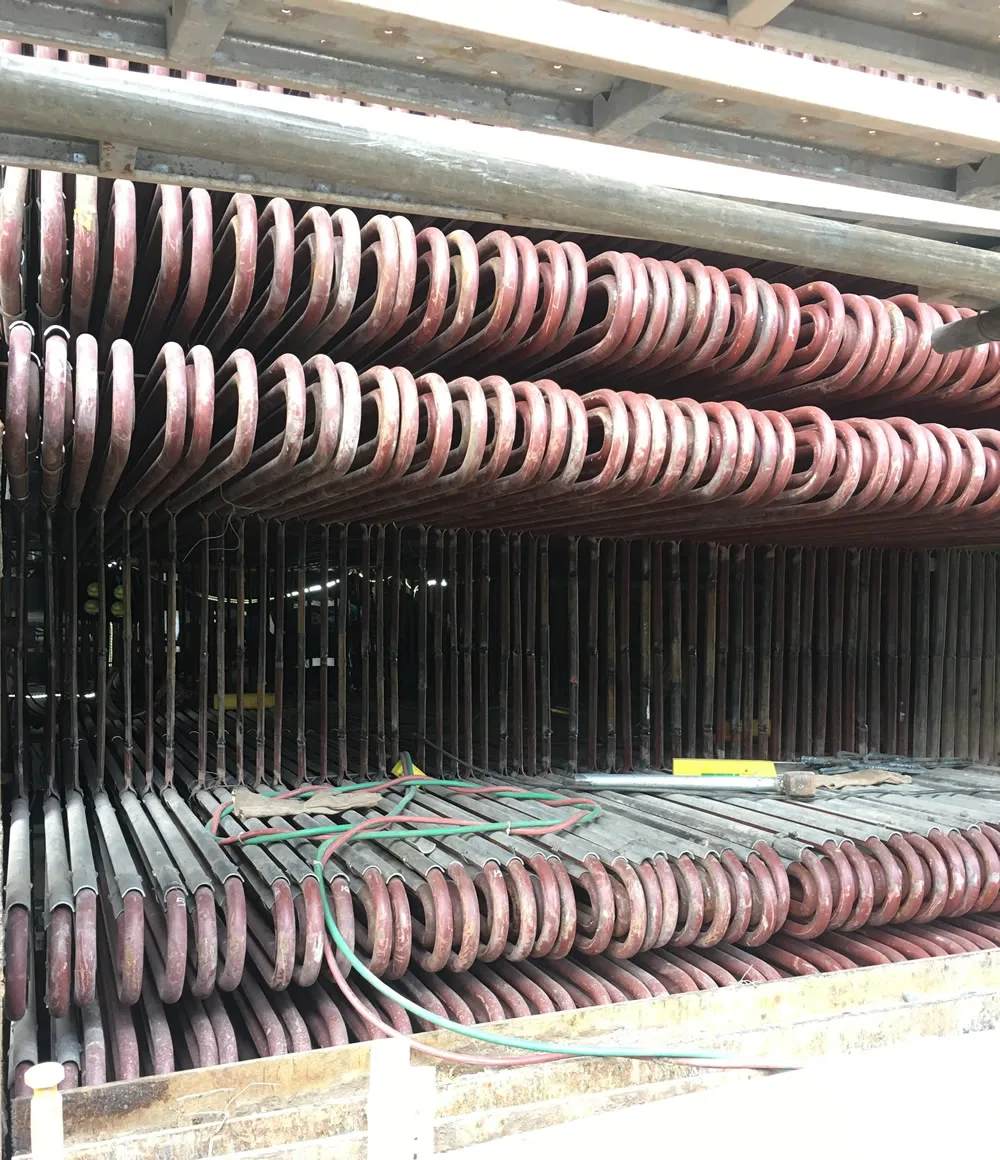
Where Coatings Make the Biggest Impact Inside a Boiler
Coatings aren’t applied everywhere, but the most damage-prone areas tend to get priority:
Superheaters
These surfaces endure the highest operating temperatures. Proper coating reduces oxidation and keeps steam temperature more stable.
Reheaters
Constant hot-cold cycling makes reheaters especially vulnerable to cracking. A coating gives the metal room to “breathe.”
Water-wall tubes
These face a direct flame, so coatings help maintain a cleaner, more oxidation-resistant surface.
Economizers
Often overlooked, economizers encounter acidic flue gas at lower temperatures. A coating helps reduce corrosion in these areas.
Flue ducts and air preheaters
Coatings assist in slowing down metal loss caused by corrosive condensates.
Why Plants Prefer Coatings Over More Frequent Tube Replacement
Tube replacements are expensive—and inconvenient. A replacement often means scaffolding, long cooling periods, welding, testing, and a careful hot restart afterward. In many cases, the lost generation revenue outweighs the cost of the materials and labor.
Coatings help plants shift from reactive repair to preventive maintenance:
- They buy time, slowing deterioration.
- They reduce the frequency of major outages.
- They help protect against unexpected failures.
- They keep surfaces smoother, making cleaning simpler.
- They reduce the build-up that causes hot spots.
And unlike many hardware upgrades, coatings are relatively lightweight to apply and integrate naturally into existing maintenance routines.
About Foshan Konaz Technology Co., Ltd.
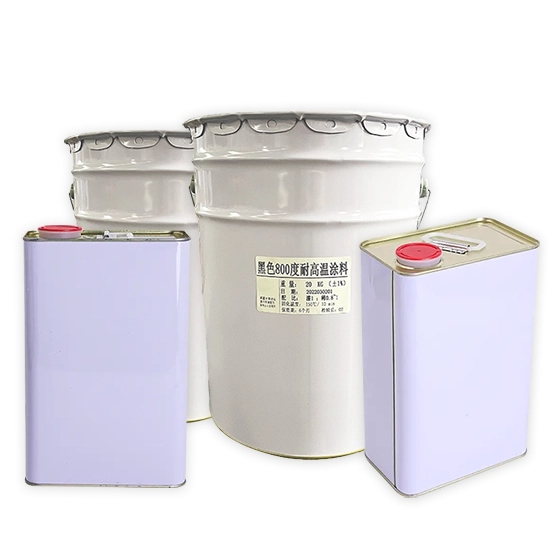
Foshan Konaz Technology Co., Ltd. focuses on developing coating systems for demanding thermal environments. Their heat resistant coatings, based on the characteristics described in your document, are built with long-term boiler operation in mind—not just short-term visual protection.
Their coatings emphasize:
- High-temperature adhesion that remains stable through repeated thermal cycles
- Strong resistance to oxidation, corrosion, and chemical attack
- Smooth, uniform coating layers that resist fouling
- A film structure that stays intact under prolonged exposure to heat
- Suitability for superheaters, reheaters, and water-wall tubes in modern boilers
The company’s approach is straightforward: create coatings that hold up when the furnace is running at full load—not just during ideal lab testing.
Conclusion
Keeping a power plant boiler in good condition isn’t about chasing perfection—it’s about slowing down the things that naturally wear the metal out. Thermal fatigue and scaling don’t appear overnight. They grow little by little until the plant is forced into an outage. Heat resistant coatings give operators a way to push back against that timeline. When applied in high-stress areas, they help the boiler run cleaner and more steadily, with fewer surprises during inspections.
What companies like Foshan Konaz Technology Co., Ltd. bring to the table is a protective layer that works quietly in the background. The coating doesn’t call attention to itself, but its impact becomes obvious when tubes last longer, surfaces stay cleaner, and boilers operate closer to design conditions. For plants trying to stretch maintenance cycles and reduce downtime, coatings are becoming one of the more practical tools for keeping a boiler healthy.
FAQs
How do heat resistant coatings actually slow down thermal fatigue in boiler tubes?
They help even out the surface temperature of the tube. When the outer layer doesn’t heat and cool as abruptly, the metal underneath experiences far less stress, which slows the development of cracks.
Do these coatings really help with scaling, or do they just delay it?
They do both. A smoother coated surface makes it harder for ash and minerals to stick in the first place, and since the metal doesn’t oxidize as quickly, the surface stays cleaner longer.
Which boiler components benefit the most from heat resistant coatings?
Superheaters and reheaters typically see the clearest benefits, but coatings are also valuable on water-wall tubes, economizers, and high-temperature flue surfaces.
Are heat resistant coatings useful for all boiler fuel types?
Yes. Coal, biomass, or mixed-fuel boilers all create conditions that stress metal surfaces, so they all get value from coatings that resist heat and chemical exposure.
What makes Konaz coatings a practical choice for power plants?
They provide strong adhesion, stable high-temperature performance, and resistance to corrosive flue components—qualities that help tubes last longer with fewer unexpected failures.