If you line up several so-called heat-resistant coatings on paper, they often look interchangeable. Similar temperature claims. Similar application notes. Similar test reports.
Put them into service, though, and the similarities fade fast.
Some coatings hold their color and stay bonded after months of exposure near 800°C. Others begin to dull, lift at the edges, or quietly lose adhesion long before anyone expects a problem. The difference rarely comes down to a single ingredient or a single test result. It comes from how a coating behaves once heat stops being controlled.
This is where an industrial coatings selection guide for extreme heat becomes less about specifications and more about understanding failure before it happens.
Why 800°C Is Only Part of the Picture
Temperature is the first thing everyone asks about, and it should be. But temperature alone does not explain why coatings last or fail.
In real equipment, heat is uneven. One area runs hotter than another. One surface cools faster. Start-ups and shutdowns happen daily. Metals expand, contract, and never quite return to their original position.
A coating might tolerate short exposure to very high heat and still fail over time because it cannot adapt to constant movement. In practice, many coatings do not break down at peak temperature. They break down after hundreds of smaller, repeated stresses.
That distinction matters more than most datasheets suggest.
When Color Change Is More Than Appearance
Color shift is often dismissed as cosmetic. In high-heat applications, it rarely is.
Pigments and binders react differently as temperatures rise. Some pigments begin to oxidize or decompose long before the coating loses adhesion. When color stability is lost, it often signals that the internal structure of the film is already under stress.
In long-running equipment, visible discoloration usually appears before cracking or peeling. By the time adhesion problems show up, the coating has often been compromised for some time.
Coatings that maintain color under extreme heat tend to do so because their chemistry remains stable, not because the color itself is especially important.
Peeling Rarely Happens During Heating
This is where expectations often break down.
During operation, a coating may look perfectly fine. No blistering. No obvious damage. Then, after cooling, edges begin to lift. Small areas lose contact with the substrate. Weeks later, sections detach.
The problem is not the heat itself. It is what happens when heat goes away.
Metal moves. Coatings must move with it. When thermal expansion and contraction repeat, any weakness at the interface becomes more pronounced. Adhesion is slowly consumed by movement.
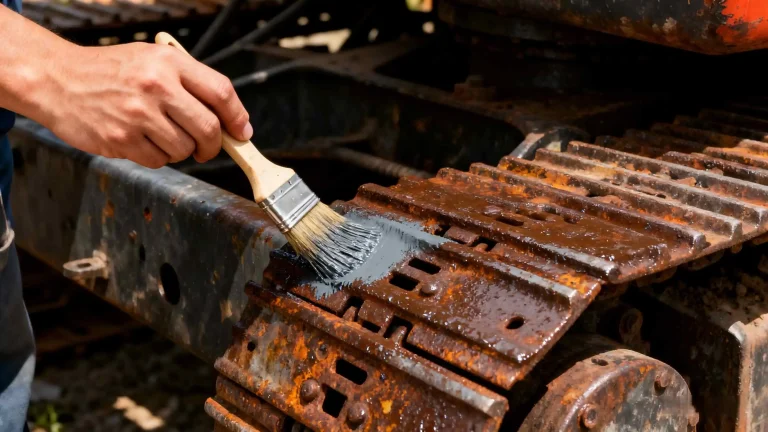
Once that bond weakens, moisture and oxygen find their way in. Failure accelerates from there.
High-Temperature Coating Systems Are Not Equal in Practice
Many coating systems are grouped together because they share similar temperature ratings. In use, their behavior can be very different.
Some systems remain hard and visually stable but lose flexibility over time. Others tolerate movement but show early color changes. Some perform well in constant heat but struggle when exposed to repeated cycling.
These differences are not always obvious in controlled tests. They become visible only after extended use, especially in equipment that heats and cools frequently.
Understanding how a coating behaves after long exposure matters more than knowing how it performs on day one.
Thermal Cycling Is the Real Stress Test
Heat alone is manageable for many materials.
Thermal cycling is not.
Every heating and cooling cycle applies stress to the coating and the substrate together. Over time, this stress accumulates. Coatings that survive are those that balance adhesion with controlled flexibility. They do not fight the substrate. They follow it.
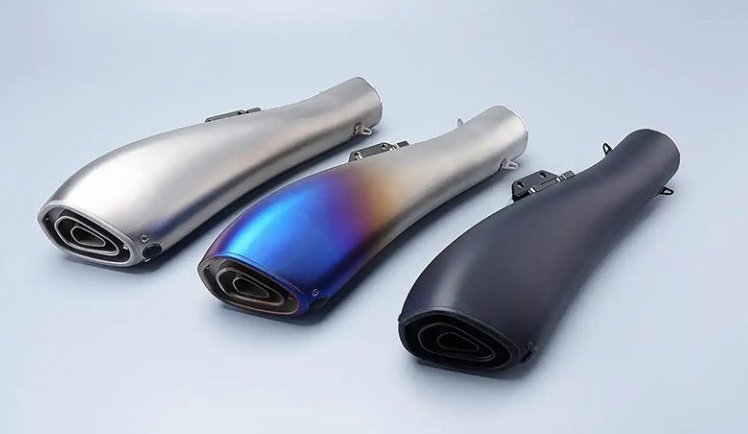
This is why coatings used on exhaust systems, fireplaces, and industrial heating components often fail after repeated start-stop operation, even when they are rated for the temperatures involved.
Equipment Behavior Shapes Outcomes
Different equipment creates different challenges.
Components that operate continuously experience steady thermal exposure. Intermittent systems experience shock. External parts cool rapidly. Internal parts retain heat. Welds behave differently than flat surfaces.
Selecting a coating without considering how the equipment actually behaves invites problems later. Performance improves when selection begins with operating patterns rather than isolated numbers.
Heat Rarely Comes Alone
Extreme heat is usually accompanied by something else.
Moisture. Combustion residues. Salts. Chemical vapors.
Once a coating begins to weaken, these factors accelerate degradation. What starts as a minor adhesion issue becomes corrosion. What looks like surface wear becomes structural damage.
Coatings designed for extreme heat must also resist the environment that surrounds that heat.
A More Useful Way to Think About Selection
Good coating decisions rarely come from asking which product has the highest rating.
They come from asking how the coating will behave over time.
How often does the equipment cycle? Where does movement concentrate? Is visual stability important, or is protection the priority? What happens if the coating begins to fail?
These questions lead to more reliable outcomes than specifications alone.
About Foshan Konaz Technology Co., Ltd.
Foshan Konaz Technology Co., Ltd. focuses on functional coatings developed for demanding industrial environments. For more than fifteen years, the company has worked with high-temperature applications where conventional coatings fail early.
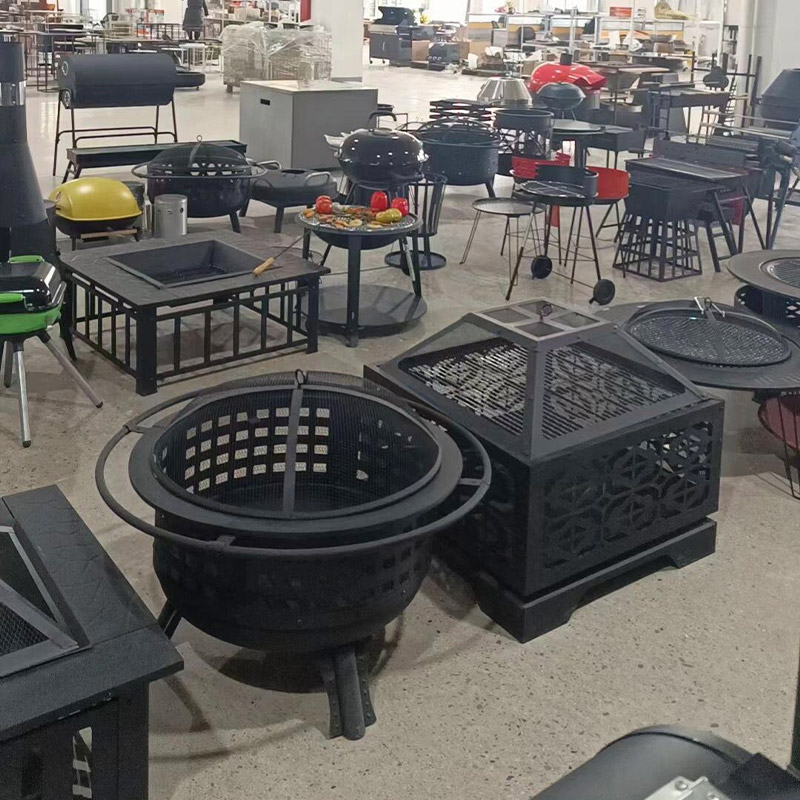
Konaz heat-resistant coatings are engineered to operate under sustained heat, including direct flame exposure approaching 800°C, while maintaining color stability and strong adhesion. They are widely used on metal components such as exhaust systems, fireplaces, barbecue equipment, and other high-temperature assemblies.
By emphasizing long-term behavior under real operating conditions, Foshan Konaz Technology Co., Ltd. supports manufacturers and equipment producers who need coatings that remain predictable, not just compliant on paper.
Conclusion
Extreme heat does not destroy coatings all at once. It reveals weaknesses slowly.
Discoloration, edge lifting, and adhesion loss are usually part of the same story. Coatings that endure do so because their chemistry, flexibility, and adhesion work together under repeated stress.
Choosing with that reality in mind changes outcomes. Problems appear later, less often, or not at all.
That is usually the goal.
FAQs
What allows a coating to stay stable near 800°C?
Stability comes from heat-resistant binders and pigments that remain chemically intact while maintaining adhesion and flexibility under repeated thermal stress.
Why do some coatings peel after cooling instead of during use?
Cooling causes contraction. Repeated expansion and contraction weaken adhesion over time, especially at edges and joints.
Is color change always a sign of failure?
Not always immediate failure, but often an early indicator that the coating structure is under thermal stress.
How important is thermal cycling compared to peak temperature?
In many applications, thermal cycling is more damaging than peak temperature because it repeatedly stresses the coating-substrate bond.
Can one coating handle heat and environmental exposure together?
Some high-performance systems are designed to balance heat resistance with protection against oxidation and moisture, but success depends on matching the coating to real conditions.