Exhaust parts take a beating. Heat spikes, rapid cools, vibration from the road, salt spray in winter—it’s no wonder coatings break down faster than anyone expects. Cracks appear, paint peels away in sheets, surfaces turn chalky. These aren’t rare flukes. They happen because the real world throws more at a coating than just steady high heat.
High-temperature coatings fail for reasons that go beyond a simple temperature rating. In automotive and motorcycle exhausts, the combination of thermal cycles, mechanical stress, and environmental attack creates problems that no single spec sheet catches. Understanding those mechanisms helps pick better options and apply them right.
Why Coatings Crack, Peel, or Turn Chalky
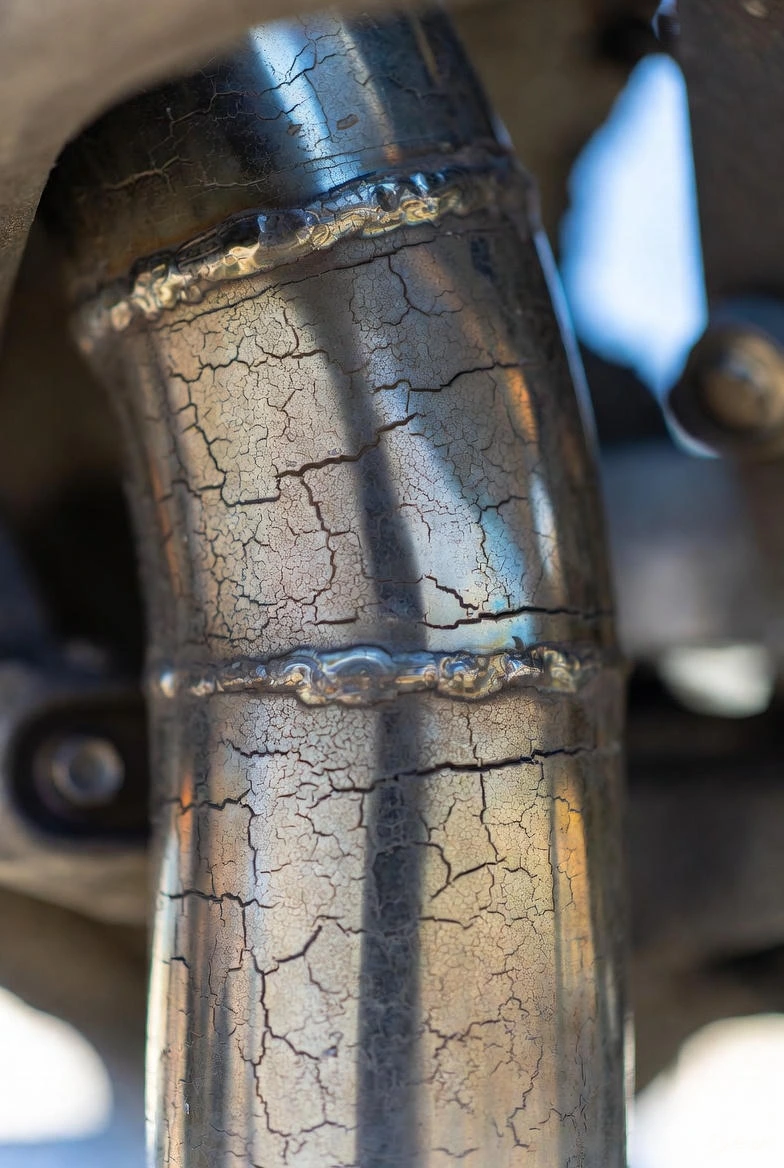
Cracking starts small. A fine line here, another there. Left alone, they spread. The culprit isn’t always insufficient heat resistance. More often, it’s mismatch in expansion rates.
Metal expands when hot, contracts when cool. The coating has to follow without tearing. If the bond weakens or the film becomes brittle under repeated swings, stress builds inside. Sudden temperature drops—like shutting off a hot engine on a cold night—make it worse.
Shops see this on performance bikes. Riders push hard on tracks, then park. Pipes cool fast. Coatings that handle steady 600°C fine crack after a few sessions because they can’t flex with those shocks.
Peeling tells a different story. Large sections lift off, exposing bare metal underneath. Adhesion fails at the interface. Oil residues, mill scale, or light rust left on the surface block proper bonding. Vibration shakes things loose over time.
Chalking shows up as powdery residue you can rub off with a finger. Oxidation breaks down the binder. Acidic condensate from exhaust gases, combined with heat, eats away. In coastal or salted-road areas, chloride ions speed it up dramatically.
These failures rarely come from one cause. They overlap. Weak prep leads to poor adhesion, which invites moisture under the film, accelerating chalking and eventual peel.
Exhaust Conditions That Accelerate Breakdown
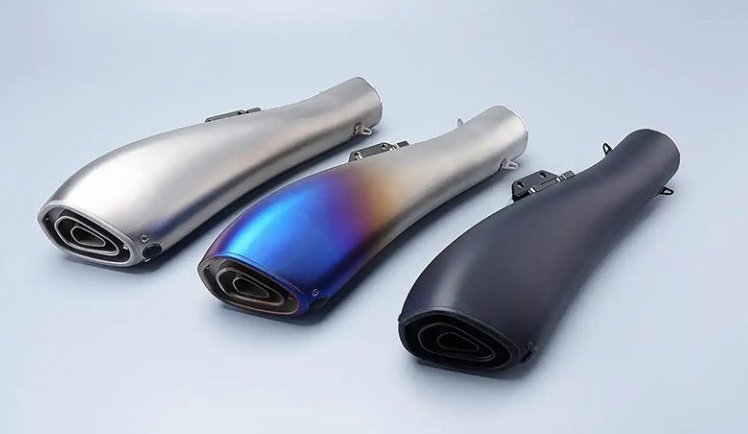
Vehicle exhausts don’t run at constant temperatures. Manifolds hit peaks near 800°C under load. Mid-pipes settle lower, around 400-600°C. Tail sections cooler still.
But cycles dominate. Cold starts heat everything rapidly. Idling cools slightly. Hard acceleration spikes again. Short city trips multiply those swings—far more damaging than long highway runs.
Motorcycles feel it harder. Lighter weight means quicker heat-up and cool-down. Air-cooled engines expose pipes directly. Vibration from single-cylinder thumps adds mechanical fatigue.
Environmental factors pile on. Winter salt gets flung up, seeps into welds or scratches. Inside, combustion moisture condenses when cool, forming mild acids. Over months, that creeps under edges.
Northern fleets report faster degradation on delivery vans—stop-and-go traffic plus salted roads. Southern highway haulers last longer, mostly heat without the corrosion kick.
Getting the Substrate Ready: The Step Most Overlooked
Preparation decides everything. Skip it, and even top-tier coatings disappoint.
Start with clean metal. Degrease thoroughly—solvents wipe away oils from handling or machining. Then remove scale and rust. Sandblasting works best for exhausts, exposing fresh surface for mechanical grip.
Roughness matters. Too smooth, adhesion relies only on chemical bonds. A profiled surface—say 2-3 mil anchor pattern—locks the coating in place.
Material type influences prep. Mild steel needs aggressive cleaning to prevent flash rust. Stainless holds up better but still requires etch for bite.
Many failures trace back here. A quick wipe and spray sounds fast, but hidden contaminants lift the film later.
Application Details That Make or Break Performance
Thin, even coats outperform thick ones. Heavy builds trap solvent, bubbling under first heat.
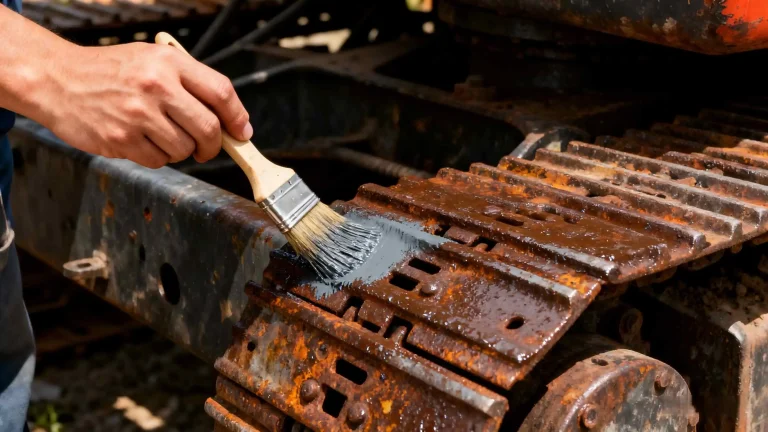
Spray preferred. Brushing works in tight spots but risks streaks.
Cure properly. Many formulations benefit from controlled bake—around 280°C for 15 minutes crosslinks fully. No oven? Air dry 24 hours suffices, though slower.
Environment counts. Humidity high? Film absorbs moisture, weakening later. Temperature too low slows drying.
Shops rushing cure see blisters on initial runs.
Strategies to Sidestep Typical Problems
Match the coating to the stresses.
Frequent cycles? Prioritize flexibility and thermal shock resistance.
Heavy vibration? Strong adhesion and toughness first.
Corrosive exposure? Barrier properties over pure heat rating.
Test small batches. Run heat cycles, salt spray hours, vibration tables. Data reveals mismatches early.
Monitor in service. Check for hairlines after break-in miles. Catch early, touch up prevents spread.
Process control pays off. Standardize prep, application, cure. Consistency cuts variability.
Lessons from Real-World Cases
A motorcycle manufacturer faced widespread peeling on new headers. Pipes looked great leaving the line but flaked after 5000 miles.
Investigation showed marginal surface cleaning—solvent wipe only, no blast. Residual oils undermined bonds. Vibration finished the job.
Switch to full blast prep plus adhesion promoter solved it. Failures dropped near zero.
Another case: fleet trucks in salted regions chalked badly within a season. Coating rated high heat but standard corrosion resistance.
Upgrading to enhanced barrier formulation extended life threefold.
One aftermarket shop battled cracking on tuned car manifolds. Peaks pushed 900°C briefly.
Standard silicone held temperature but brittled under rapid cools. Moving to more resilient resin eliminated cracks.
These aren’t isolated. Patterns repeat across shops.
Picking Coatings That Fit Actual Demands
Ratings guide, but balance matters.
Direct flame contact occasional? Formulations handling brief exposure without color loss or film damage.
Long-term stability at 800°C? Organic silicone bases excel, no peel or chalk.
Adhesion in vibration-heavy setups? Tough films that flex.
Corrosion-prone areas? Proven salt spray hours.
Real needs drive choice. Analyze operating profile first—peaks, cycles, environment—then select accordingly.
About Foshan Konaz Technology Co., Ltd.
Foshan Konaz Technology Co., Ltd specializes in advanced functional coatings, with high-temperature resistant options as a flagship line. Built around organic silicone resins, these withstand direct flame to 800°C without discoloration, peeling, or chalking. Strong adhesion and durability suit harsh settings like automotive exhausts. The company runs a 3000-square-meter modern facility with over 30 production lines, yielding 1000 tons annually. Products ship worldwide, earning trust for reliable performance.
Wrapping It Up: Seeing the Bigger Picture
Failures in high-temperature coatings stem from real-world stresses clashing with incomplete preparation or mismatched properties. Heat alone rarely tells the full story. Dig into cycles, vibration, corrosion. Prep thoroughly. Apply carefully. Test realistically. That’s what keeps exhausts protected longer.
Frequently Asked Questions
What leads to cracking in coatings on vehicle exhaust pipes?
Rapid thermal shocks and expansion differences build internal stress. Frequent heat-up/cool-down cycles—like short trips or cold starts—crack brittle films even if steady heat rating looks solid.
How critical is surface prep for lasting high-temperature coatings?
Everything rides on it. Oils or scale left behind kill adhesion. Proper cleaning and roughening create mechanical lock that survives vibration and cycles.
Does engine vibration contribute to peeling on motorcycle exhausts?
Absolutely. Constant shake fatigues weak bonds. Combined with marginal prep, it lifts sections over miles.
How do salt spray and oxidation differ in damaging these coatings?
Oxidation slowly breaks binder from heat alone. Salt accelerates underfilm corrosion, powdering surfaces faster in winter-road vehicles.
Which tests best predict performance in actual exhaust conditions?
Combined thermal cycling, salt fog exposure, and vibration simulate closest. Isolated heat tests miss the interactions that cause most field failures.