High temperature paint for BBQ grill accounts for the bulk of recurring field complaints and repeat recoat jobs in outdoor metal equipment service, fabrication shops, and commercial grill restoration. Hood panels, smoker fireboxes, and fire pit shells absorb constant punishment from direct-flame contact, heavy smoke tar buildup, animal fat drippings, and complete seasonal weather swings—leading to film lift-off, surface powdering, visible pigment fade, and creeping substrate rust. Deep into 2026, with offset smokers, pellet grills, kamado units, and backyard fire pits still seeing heavy rotation thanks to persistent energy pricing and home-focused entertaining, the trade continues to prioritize coatings that deliver provable multi-year field performance over quick-fix seasonal touch-ups.

Konaz 800℃ heat resistant coating directly confronts those service realities with a silicone-based organic resin matrix engineered for uninterrupted duty at temperatures up to 800℃ (1472°F). When surface prep and application sequences are executed to specification, the films hold cohesion through hundreds of thermal cycles, block grease penetration, halt rust progression, and maintain color and finish stability against prolonged UV and atmospheric exposure. Extended tracking in mixed climates and high-intensity usage confirms that correctly prepared applications outlast standard high-heat products by a wide margin.
The following sections break down the main failure mechanisms documented in service logs and shop feedback, highlight the formulation and performance characteristics that set this coating apart, share six-month-plus data from a severe northern Utah exposure site, detail application procedures that maximize longevity, and address the specification and field questions most often raised during product evaluation and implementation.
Why Most High Heat Coatings Fail on Grills, Smokers & Fire Pits
Field service records and refurbishment documentation point to a handful of repeatable failure modes for high temperature paint on BBQ grills, smokers, and fire pits. Many products carry peak ratings in the 1000–1200°F range from short-exposure lab protocols, but the resin systems lose structural integrity during the extended dwell times and frequent heat-cool cycles typical of overnight smokes or prolonged wood-fire sessions. Thermal expansion and contraction generate micro-fractures in less flexible binders; those breaches allow oxygen and moisture to reach the substrate, starting rust that tunnels under intact film.
Surface preparation shortcuts drive a large share of early breakdowns. Lingering cooking fats, carbon layers, mill scale, or mismatched legacy coatings prevent proper mechanical keying and chemical wetting. Heat-up volatilizes trapped contaminants or solvents, creating pressure blisters that rupture and expose bare metal. Continuous exposure to animal fats and smoke tars further degrades the binder matrix, while ambient UV accelerates pigment leaching and surface chalking.
Local climate conditions make the degradation worse. Northern freeze-thaw cycles stress edges and weld seams, while higher-humidity regions promote filiform corrosion beneath the film. Shop logs across regions show the familiar progression: acceptable first-season coverage followed by progressive peeling, rust blooms, and color shift within 6–12 months of steady use. These consistent patterns underscore the need for coatings specifically matched to continuous high-heat service, grease resistance, and extended outdoor durability.
Konaz 800℃ Heat Resistant Coating: Key Advantages
Konaz 800℃ heat resistant coating relies on a high-molecular silicone-based organic resin that provides dense cross-linking and superior thermal threshold compared with many conventional alternatives. Continuous operation at 800℃ stays within design limits, covering direct-flame zones on fire pit exteriors as well as steady lower temperatures in smoker chambers and grill hoods.
The cured film creates strong barriers against water ingress, acidic combustion residues, and mechanical wear from cleaning. Adhesion strength endures extensive thermal cycling without separation, while the compact layer restricts moisture and oxygen diffusion to the substrate. Pigment stability prevents noticeable color shift or chalking even after months of direct sunlight.
Application suits both production environments and field repairs. The material thins readily for HVLP or conventional spray, or it brushes and rolls for smaller areas. Multiple light coats minimize solvent entrapment and deliver even film thickness without sags, runs, or heavy orange peel.
Performance stems from combined accelerated testing and real-service validation: color retention at operating temperatures, minimal chalking under weathering stress, and effective corrosion protection in humidity and salt-fog conditions. These properties position the coating as a reliable choice for extending life on worn outdoor cooking equipment or safeguarding new builds in aggressive duty.
Real-World Test: Konaz 800℃ on BBQ Grill, Smoker & Outdoor Fire Pit (6+ Months Results)
Testing ran at a northern Utah location with temperature extremes from sub-zero winter nights to summer highs over 100°F, plus regular snow, rain, and high UV index. Equipment included a mid-range gas grill with prior rust and flaking, an offset smoker marked by grease staining and faded exterior, and a heavy steel fire pit used frequently for wood burns.
Preparation followed standard protocols: solvent degreasing to eliminate oils and carbon, mechanical abrasion to uniform bare-metal profile, and HVLP application of three thin coats. Ambient cure preceded controlled heat ramp for final cross-linking.
During the next six months the grill managed weekly searing and indirect cooks with surface readings frequently hitting 400–600°F. Grease and smoke contact remained constant. Three-month checks found no peeling, blistering, or rust spots. Color held uniform despite full sun exposure, and oil wiped off cleanly without surface damage.
The smoker handled several extended low-temp cooks at 225–275°F over 10–14 hours, plus occasional high-heat cleanouts. Exterior smoke tars built up but stayed surface-level without penetration or discoloration. Six-month evaluation showed intact seams and corners—typical moisture collection points—with no corrosion evidence.
The fire pit endured direct flame impingement on lower exterior surfaces during burns, creating localized peaks beyond normal grill ranges. The film showed no cracking, chalking, or lift. Soot removal occurred without abrading the coating.
Sections with older coatings or no treatment in the same exposure developed fresh rust, flaking, and color degradation over the identical period. Uniform results across equipment types confirmed resistance to thermal shock, grease assault, UV breakdown, and atmospheric corrosion, validating use in prolonged outdoor duty.
Step-by-Step DIY Guide: How to Apply Konaz 800℃ Coating Like a Pro
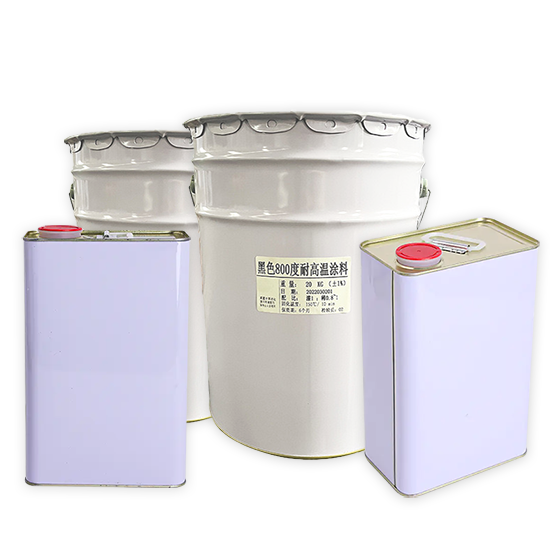
Maximum service intervals depend on strict surface conditioning and layering discipline.
Required materials include Konaz 800℃ heat resistant coating, compatible thinner for spray adjustment, heavy-duty degreaser, 80–120 grit abrasives, wire brushes or pads, solvent-rated gloves, vapor-rated respirator, and masking supplies.
Safety remains priority one: provide ventilation, use required PPE, and eliminate ignition sources near solvents.
Mechanically strip loose scale, old films, and visible rust. Degrease thoroughly until rinse water sheets evenly and wipe tests show no oil.
Abrade to consistent profile exposing fresh metal for mechanical interlocking. Remove dust completely before coating.
Spray application calls for viscosity adjustment per data sheet and light, overlapping passes. Build thickness gradually across two to three coats with adequate flash time between layers to avoid solvent popping.
Brush or roller works for limited areas; maintain wet edge and apply light pressure to limit marks.
Allow full ambient dry—typically 24 hours in average conditions—before heat introduction. This permits residual volatiles to escape.
Execute staged curing: hold at 200–250°F for 1–2 hours, then ramp gradually to complete polymerization without defects.
Post-cure, the surface reaches full hardness. Resume service under normal conditions. Routine care limits to wipe-downs after use; avoid aggressive abrasives that risk topcoat damage.
Routine inspections catch isolated wear promptly, though field experience suggests infrequent touch-up needs in ordinary service.
About Foshan Konaz Technology Co., Ltd
Foshan Konaz Technology Co., Ltd develops functional coatings for industrial, automotive, appliance, and digital printing sectors. The Guangdong production site covers more than 3000 square meters with over 30 advanced processing units, supporting annual output beyond 1000 tons.
The heat-resistant lineup, including the 800℃ series, targets extreme-temperature protection paired with corrosion resistance and long service life. Ongoing refinement balances performance, ease of application, and regulatory compliance for international industrial and export channels.
Conclusion
Selecting the right high temperature paint for BBQ grill, heat resistant coating for smoker, or durable finish for outdoor fire pit involves balancing continuous thermal endurance, cyclic adhesion, grease tolerance, and weather resistance. Konaz 800℃ heat resistant coating meets these criteria through silicone-based formulation and documented field longevity that exceeds typical recoat cycles.
Operators and refurbishers pursuing lower maintenance frequency, reduced lifecycle costs, and reliable multi-season protection will find this system consistent with prevailing expectations for robust coatings in demanding outdoor cooking environments. Complete specifications and technical support are accessible at konaz.cn.
FAQs
Why does high temperature paint peel on BBQ grills or smokers after just one season?
Peeling typically traces to temperature ratings suited only for intermittent exposure, incomplete prep leaving grease residues or rust pockets, or binders lacking sufficient elasticity during thermal cycling. Coatings below continuous high-heat capability form micro-fractures that invite corrosion underneath. Choosing a sustained 800℃-rated option like Konaz 800℃ heat resistant coating, paired with full abrasion and cleaning, markedly reduces these breakdowns.
How long does Konaz 800℃ heat resistant coating last on an outdoor smoker or fire pit?
In heavy-use conditions involving grease, smoke, UV exposure, and weather cycling, monitoring indicates no peeling, fading, chalking, or rust after six months of service, with film properties pointing toward multi-year intervals. Duration varies with prep thoroughness and site severity, but the thermal resilience supports considerably longer intervals before recoating.
Can water-based or low-VOC high heat paint deliver the same durability as traditional solvent-based options for grill exteriors?
Progress in silicone resin chemistry enables contemporary formulations to match or exceed thermal endurance, bond strength, and corrosion blocking while keeping VOC profiles lower during application and cure. Konaz 800℃ heat resistant coating exemplifies this balance, providing solid 800℃ protection with workable characteristics for varied professional and on-site scenarios.
What is the best method to repaint a rusty smoker exterior and prevent future rust?
Full mechanical removal of rust, scale, and prior coatings to bare metal, followed by solvent degreasing, creates the necessary base. Layer multiple thin applications of a capable system such as Konaz 800℃ heat resistant coating with proper flash times and controlled heat cure. This builds a sealed barrier far superior at blocking moisture and halting electrochemical rust progression compared with incomplete or lower-spec approaches.
Does Konaz 800℃ heat resistant coating work on pellet grills, kamado metal components, or flat-top griddle housings?
The coating handles reliably on assorted outdoor cooking metals subject to elevated temperatures, grease loads, and thermal cycling. Adhesion properties, grease repellency, and resistance to shock make it appropriate for pellet grill shells, metal bands and fittings on kamado cookers, and griddle frames when preparation and curing sequences adhere to guidelines.