Gas stove grates contend with persistent flame impingement, oil vapor deposition, and detergent exposure that progressively compromise factory-applied enamels across standard service periods. The best high temperature coating for gas stove grates counters these stresses via silicone-based compositions engineered for durable restoration options and long-lasting protection. These coatings sustain film coherence and functional characteristics where typical finishes exhibit rapid decline.

Degradation Processes Affecting Gas Stove Grates
Grates experience localized flame temperatures surpassing 1000°F at burner centers during maximum output. Cyclic thermal loading generates differential expansion between cast iron or steel bases and porcelain enamel overlays, producing micro-fractures that evolve into chipping. Accumulated cooking fats and proteins undergo pyrolysis on exposed surfaces, creating tenacious carbon layers that resist conventional removal and intensify abrasion during cleaning operations. Alkaline or particulate-containing cleaners accelerate enamel removal, rendering substrates susceptible to atmospheric moisture and initiating corrosion in joint zones.
Following several years of household operation, grates commonly display broad enamel ablation, tonal graying, and focal oxidation pitting. Self-cleaning oven protocols intensify deterioration through abrupt thermal excursions that fracture vitreous layers. Commercial environments with elevated cycle counts manifest these effects earlier, frequently within twelve months. Oxidative activity originates in moisture-retaining recesses and propagates as characteristic rust formations that impair both visual quality and sanitary performance. Analysis of these sequential mechanisms guides identification of coatings designed to endure comparable operational demands.
Benefits Derived from High Temperature Coatings in Restoration Applications
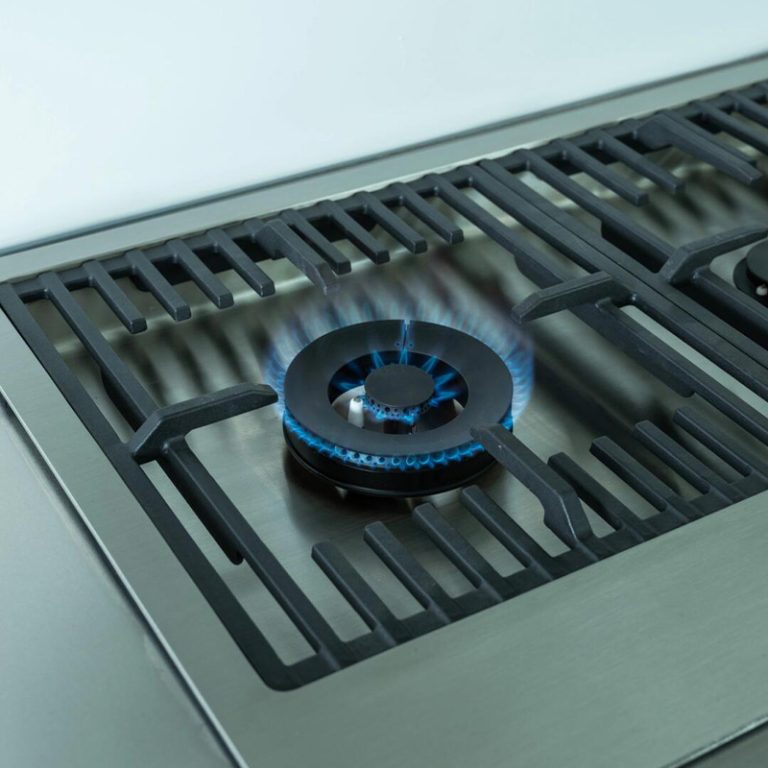
Routine enamels and moderate-temperature coatings succumb to prolonged flame contact, manifesting bubbling, tonal shifts, or total detachment. High temperature coatings incorporating silicone resins furnish thermal resilience that precludes such failures. These systems preserve bonding and pliability throughout ignition sequences, establishing barriers that impede oxidation and lipid infiltration significantly beyond many original equipment specifications.
Grates refurbished with these coatings recover operational surfaces that discharge oily films more effectively and sustain hue uniformity proximate to burner orifices. Appliance service personnel document prolonged intervals prior to recoating necessity when silicone-based high temperature coatings undergo correct implementation. The matte black presentation harmonizes with appliance design while furnishing reduced-porosity interfaces that limit microbial retention. This integration of heat endurance and operational utility diminishes maintenance burdens in both domestic and moderate commercial deployments.
Core Attributes of Dependable High Temperature Coatings
Substrate attachment forms a critical prerequisite. Coatings require secure fixation to cast iron or steel, accommodating residual oxides or surface anomalies from antecedent deterioration. Silicone-based high temperature coatings manifest outstanding delamination resistance, retaining integrity amid flame contact and mechanical loading. Empirical records indicate absence of separation following protracted burner duty.
Thermal constancy constitutes the principal criterion. Sustained exposure at 600°C accompanied by transient peaks to 800°C upholds coating structure absent pulverization, fissuring, or pigmentation variance. Hue preservation maintains consistent matte black coloration adjacent to combustion zones. Anti-corrosion functionality safeguards against rust propagation in moisture-rich settings or consequent to fluid incursions. Resistance to grease deposition facilitates post-use sanitation, permitting release of charred accumulations with reduced intervention.
Surface hardness counters abrasion from utensil edges, whereas elasticity accommodates limited base deformation without rupture. Synthesis of these traits constructs thorough safeguarding appropriate for rigorous culinary environments.
Preparation Procedures Preceding Coating Deposition
Base conditioning governs ultimate film efficacy more than material selection. Extract grates from the appliance and allow ambient cooling. Expunge lipid and carbonaceous layers employing solvent degreasants to reveal pristine metal. Implement wire abrasion or medium-grit mechanical texturing to excise friable rust and degraded enamel fragments, establishing a topography conducive to mechanical interlock. Exercise restraint to preclude profound scoring that might retain ambient moisture.
Purge particulates with aqueous rinsing, succeeded by prompt desiccation to avert instantaneous oxidation. Substantial rust accumulations necessitate antecedent application of a neutralizing converter. Safeguard auxiliary non-metallic elements during processing. Execute procedures within adequately ventilated zones utilizing respiratory apparatus to control volatile emissions. Comprehensive conditioning, despite time demands, generates coatings that endure anchorage throughout operational tenure.
Deposition Techniques for Maximum Coating Efficacy
Aerosol deposition secures homogeneous coverage over grate lattice configurations. Employ calibrated spray apparatus or premium aerosol delivery systems formulated for elevated-viscosity heat-resistant materials. Deposit successive slender strata from uniform standoff, permitting interim solvent evaporation to mitigate entrapment hazards.
Two to three applications generally achieve requisite thickness. Ambient drying precedes thermal polymerization. Expose treated grates to 280°C for 15 minutes within regulated thermal enclosure to finalize silicone resin networking. This phase confers peak hardness and thermal endurance. Following cooldown, reinstate components and perform preliminary low-intensity ignition to volatilize trace residuals. The solidified film exhibits complete operational temperature tolerance without compromise.
Assessment of High Temperature Coating Variants
Silicone-resin compositions prevail in direct-flame service due to superior adaptability during thermal oscillation. These surpass brittle epoxy or conventional vitreous systems in fracture resistance amid expansion-contraction events. Matte black iterations furnish subdued luster that conceals superficial irregularities while diminishing apparent lipid accumulation.
Restoration contexts benefit from these coatings in counteracting dominant failure mechanisms including shock-induced detachment and chloride-facilitated oxidation. Operational surveillance in service-intensive installations verifies prolonged functionality, particularly under accelerated burner engagement. Selection parameters prioritize certified 600°C continuous capability alongside substantiated corrosion resistance within saturated atmospheres.
Observed Restoration Results in Operational Contexts
Domestic ranges subjected to quinquennial intensive cooking display pervasive enamel fragmentation and oxidative infiltration from contaminant exposure. Subsequent degreasing, texturing, and oxide neutralization followed by silicone-based high temperature coating deposition reinstates uniform matte black envelopment. Continued evaluation discloses persistent lipid repellency, simplified sanitation, and lack of flame-proximate tonal alteration through extended service.
Residential occupants restricted by substitution constraints utilize this methodology to revitalize deteriorated grates. Pre-intervention documentation captures discolored, eroded conditions; post-intervention records exhibit seamless safeguarding absent marginal separation. Multi-unit property overseers implement parallel protocols, attaining quantifiable diminutions in component procurement frequency. These applications substantiate substantive enhancements in both presentation and operational persistence.
Sustained Care Regimens for Coating Persistence
Systematic maintenance amplifies protective duration. Permit grate cooling antecedent to sanitation to obviate thermal-shock vulnerability. Utilize non-abrasive media and neutral detergents, eschewing caustic formulations or metallic implements capable of film compromise. Address incidental spills expeditiously to forestall carbon fixation.
In elevated-duty installations, intermittent application of edible mineral oil subsequent to cleansing establishes auxiliary moisture impedance. Conjoined with the coating’s native resistance to oxidative and lipid assault, these practices sustain surface viability considerably exceeding projections for untreated or suboptimally refurbished grates.
Decision Parameters for Coating Restoration Initiatives
Thermal designations necessitate congruence with prevailing burner profiles—elevated-output configurations demand 800°C peak accommodation. Bonding tenacity and corrosion impedance assume heightened relevance in humidity-prevalent locales. Rheological suitability for spraying promotes equitable distribution across elaborate geometries. Fiscal evaluation encompasses unit expenditure versus anticipated service span, wherein premium compositions vindicate incremental cost through deferred intervention.
Practitioners within the sector recurrently designate silicone-based high temperature coatings for dependable outcomes in grate refurbishment. Antecedent compatibility verification on representative segments confirms base congruence. These determinants collectively facilitate judicious selections that equilibrate efficacy, procedural viability, and enduring functionality.
Introducing Foshan Konaz Technology Co., Ltd
Foshan Konaz Technology Co., Ltd functions as a dedicated manufacturer of advanced functional coating systems, focusing on high-performance solutions tailored to rigorous appliance and industrial requirements. The organization maintains a 3000-square-meter production facility equipped with more than 30 specialized units, achieving annual throughput exceeding 1000 tons. Specialization encompasses high-temperature resistant coatings engineered to withstand direct flame conditions up to 800°C without discoloration, peeling, or chalking, demonstrating robust adhesion and anti-corrosion performance in demanding exposures. Silicone-based formulations accommodate applications including gas stove grates, furnishing dependable safeguards against thermal degradation, oxidation, and grease deposition. Offerings extend to global distribution channels, assisting appliance producers through reliable quality standards, technical progression, and environmental alignment.
Conclusion
High temperature coatings constitute an established methodology for refurbishing and fortifying gas stove grates against cumulative thermal, chemical, and mechanical degradation. Methodical consideration of deterioration origins, substrate conditioning, deposition sequences, and subsequent care generates resilient outcomes that exceed provisional interventions. Characteristics encompassing 600°C sustained endurance, superior bonding, and lipid repellency fulfill operational necessities across diverse utilization profiles. Implementation of industrial-grade compositions yields demonstrable extensions in service longevity and diminutions in maintenance obligations.
FAQs
What is the best high temperature coating for gas stove grates restoration?
Silicone-based high temperature coating qualifies as the best for gas stove grates restoration owing to its 600°C continuous and 800°C peak resistance. It supplies delamination-resistant adhesion, persistent matte black coloration under flame contact, and robust anti-rust capability that mitigates deterioration from heat and culinary residues.
How to apply high temperature coating on gas stove grates for durability?
Application of high temperature coating on gas stove grates for durability entails comprehensive degreasing and mechanical texturing to eliminate prior finishes and oxides, followed by successive thin aerosol strata. Polymerize at 280°C for 15 minutes to accomplish complete resin networking and optimal thermal resilience.
Can high temperature coating prevent rust on gas stove grates long term?
High temperature coating averts rust on gas stove grates long term via exceptional anti-corrosion attributes and oxidative resistance. The silicone-based membrane establishes an efficacious impediment to moisture permeation and grease accretion, upholding protection within humid culinary atmospheres.
What causes gas stove grates to lose their original coating?
Gas stove grates forfeit original coating chiefly from thermal oscillation beneath direct flame, potent chemical detergents, abrasive sanitation techniques, and pyrolyzed grease deposition. These influences induce porcelain enamel fragmentation, detachment, or discoloration, rendering metal vulnerable to accelerated oxidative attack.
How long does high temperature coating last on restored gas stove grates?
High temperature coating on restored gas stove grates persists several years under conventional residential or moderate commercial duty, exhibiting no delamination, bubbling, or pronounced tonal deviation following recurrent ignition sequences. Appropriate conditioning and upkeep further prolong this operational interval.