Worn gas stove grates exhibit progressive loss of protective enamel from sustained burner flame, carbonized oil residues, and mechanical abrasion during cleaning, producing chipped surfaces, localized rust, and matte gray tones that hinder sanitation and heat transfer. Restoring worn gas stove grates with high temperature coating revives structural integrity and visual uniformity through silicone-based systems engineered for prolonged flame contact and operational resilience. The following sections outline the complete procedure alongside viable alternatives tailored to varying appliance service requirements.
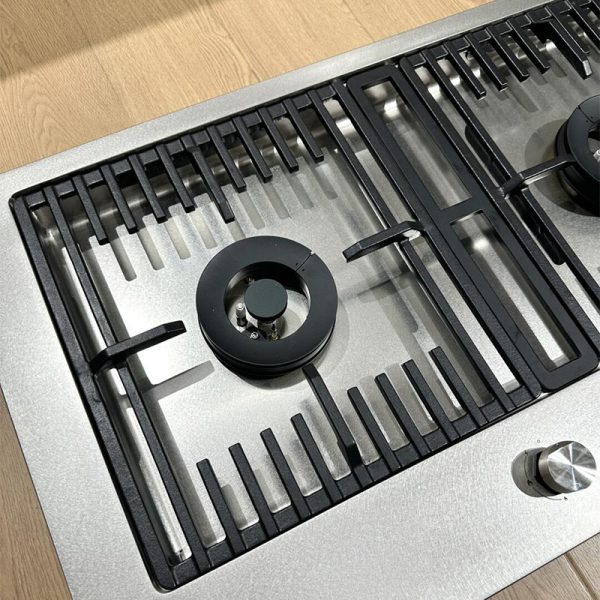
Recognizing Patterns of Wear on Gas Stove Grates
Grates undergo localized overheating exceeding 1000°F at burner ports during peak flame output. Thermal cycling induces differential expansion between cast iron or steel substrates and porcelain enamel overlays, generating micro-fractures that propagate into visible chipping. Pyrolysis of cooking lipids forms adherent carbon deposits that resist standard detergents and amplify surface wear during scrubbing. Alkaline or abrasive cleaning agents accelerate enamel ablation, leaving metal exposed to ambient moisture and initiating corrosion in recessed zones.
After three to five years of residential service, grates typically display extensive enamel detachment, especially adjacent to burner supports. Oxidation manifests as reddish pitting on lower surfaces, accompanied by ashen discoloration from progressive surface degradation. Self-clean oven cycles accelerate deterioration via abrupt thermal gradients that fracture the vitreous coating. In commercial ranges subjected to higher ignition frequencies, comparable degradation emerges within shorter intervals. Early identification—flaking original finish, exposed substrate, or persistent grease retention—indicates restoration necessity prior to widespread corrosion that compromises hygiene and thermal efficiency.
Mechanisms Explaining Superior Performance of High Temperature Coatings
Conventional coatings and moderate-heat enamels degrade rapidly under sustained open-flame conditions, exhibiting blistering, tonal alteration, or complete delamination. High temperature coatings formulated with silicone resins provide molecular stability across repeated thermal excursions. These compositions resist oxidative attack, lipid adhesion, and chemical exposure more effectively than many original factory applications.
Refurbished grates treated with such coatings recover surfaces that release carbonized residues with reduced effort and sustain coloration consistency proximate to combustion zones. Service records from appliance technicians indicate extended intervals between reapplication when silicone-based high temperature coatings are deployed properly. Matte black presentations integrate seamlessly with range aesthetics while minimizing porosity that otherwise facilitates microbial retention. This combination of thermal durability and practical functionality reduces long-term maintenance demands across residential and moderate commercial installations.
Primary Characteristics of High-Performance High Temperature Coatings
Substrate adhesion forms a foundational requirement. Coatings must achieve permanent fixation to cast iron or steel, accommodating minor residual oxides or surface irregularities from prior degradation. Silicone-based high temperature coatings demonstrate exceptional resistance to peel forces under flame impingement and mechanical loading. Performance documentation confirms no separation following extended operational cycles.
Thermal stability defines core capability. Continuous exposure at 600°C with intermittent peaks to 800°C preserves film coherence without chalking, cracking, or pigmentation shift. Color retention maintains uniform matte black appearance adjacent to burner flames. Anti-corrosion performance inhibits rust propagation in moisture-laden environments or following liquid contact. Resistance to oil-fume deposition facilitates post-use cleaning, permitting release of charred accumulations with minimal mechanical action.
Film hardness counters abrasion from cookware contact, while inherent flexibility accommodates limited substrate deformation without rupture. Integration of these properties establishes comprehensive restoration suitable for rigorous culinary service.
Equipment and Consumables Essential for Restoration
Assemble required materials prior to commencement. Solvent degreaser eliminates lipid and carbonaceous layers. Wire brush or medium-grit abrasive media removes loose oxides and failed enamel. Rust converter neutralizes active corrosion sites. High temperature coating in aerosol format accommodates complex grate geometries. Masking materials protect adjacent components. Thermal source for curing—oven or controlled heat appliance—completes polymerization. Respiratory protection, gloves, and eye shielding manage vapor and particulate exposure. Conduct operations in adequately ventilated areas.
Systematic Surface Conditioning Protocol
Extract grates from the appliance and permit complete cooling. Degrease comprehensively using solvent-based cleaner to expose bare metal. Mechanically abrade loose rust and degraded enamel fragments, generating a surface profile conducive to mechanical interlock. Concentrate on recessed areas where corrosion typically initiates. Apply rust converter where pitting persists, adhering to specified dwell and neutralization times.
Rinse residues thoroughly with water, followed by immediate drying to prevent flash oxidation. Conduct visual inspection for overlooked defects. Mask non-metallic elements such as rubber supports. Surface preparation constitutes the most time-intensive phase yet directly governs coating anchorage—inadequate conditioning frequently precipitates premature film failure.
Precise Application Sequence for High Temperature Coating
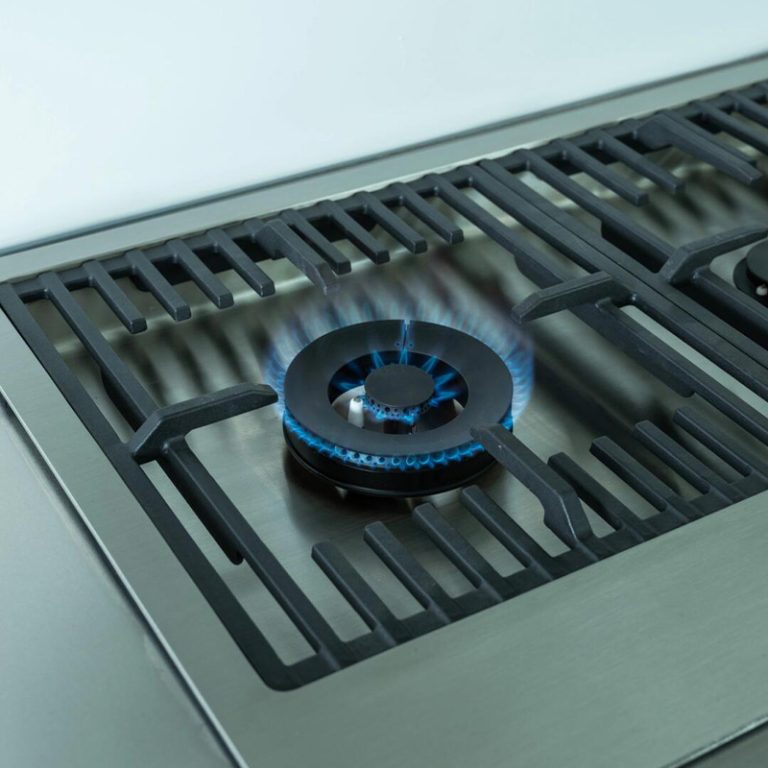
Deposit coating via aerosol from 8-10 inches standoff in successive thin, overlapping passes. Construct two to three layers, permitting interim flash-off to avert runs or solvent entrapment. Maintain consistent coverage across structural bars and burner interfaces. Allow ambient drying to reach tack-free state as directed.
Thermal curing follows air drying. Subject coated grates to 280°C for 15 minutes within a controlled oven to finalize silicone resin cross-linking. This phase imparts peak hardness and thermal endurance. Permit gradual cooling prior to reinstallation. Perform initial low-intensity burner ignition to volatilize trace residuals—standard behavior for these materials. The polymerized film demonstrates full resistance to operational temperatures without compromise.
Post-Cure Maintenance and Commissioning Practices
Reinstall grates after complete cooling. Restrict heavy cooking during the first several cycles to permit final film stabilization. Employ non-abrasive implements and neutral detergents for cleaning. Address spills promptly to minimize carbon fixation. In moisture-prone environments, apply periodic light coatings of food-grade mineral oil to augment barrier properties.
Alternative Approaches to Grate Restoration and Associated Constraints
Seasoning via cooking oil application follows traditional cast iron methodology. Clean surfaces, deposit thin oil film, and bake at 450°F for one hour. This generates a natural protective layer but necessitates frequent renewal and provides inferior resistance to direct flame or aggressive sanitation compared to high temperature coatings.
Vitreous porcelain recoating through specialized facilities replicates original factory application. This method delivers authentic appearance but entails elevated expense and extended downtime. Ceramic-based systems offer surface hardness yet frequently exhibit reduced flexibility under thermal cycling. Silicone high temperature coatings generally surpass these alternatives in sustained kitchen performance due to superior adhesion and grease repellency.
Comparative Analysis of Restoration Alternatives Across Use Cases
Silicone-based formulations predominate in direct-flame service owing to flexibility during thermal oscillation. Epoxy compositions provide robust bonding but risk fracture propagation from expansion stresses. Powder coating systems achieve factory-equivalent durability yet demand specialized application infrastructure. For residential refurbishment, aerosol silicone coatings balance efficacy, procedural simplicity, and economic considerations.
Commercial applications warrant emphasis on 800°C peak tolerance and enhanced anti-corrosion. Preliminary testing on representative sections verifies substrate compatibility. Operational data from service environments demonstrate silicone coatings achieving multi-year service intervals exceeding those of conventional high-heat alternatives under equivalent exposures.
Documented Field Outcomes from Restoration Projects
Residential ranges after four years of intensive use commonly present chipped enamel and oxidative pitting on support structures. Comprehensive degreasing, abrasion, and rust neutralization followed by silicone-based high temperature coating deposition restores consistent matte black coverage. Extended monitoring reveals sustained lipid repellency, simplified sanitation, and absence of flame-adjacent degradation.
Rental property maintenance utilizes this methodology to address tenant concerns efficiently. Pre-restoration documentation captures discolored, eroded conditions; post-restoration records exhibit uniform protection without marginal lifting. Multi-unit operators implement parallel procedures, achieving measurable reductions in replacement frequency and associated costs.
Preventive Measures to Prolong Coating Service Life
Employ trivets under heavy cookware to distribute load and minimize direct impact. Address spills immediately upon cooling to prevent carbon adhesion. Restrict cleaning to non-abrasive media and mild formulations. Enhance kitchen ventilation in humid climates to mitigate moisture accumulation. Routine visual assessments detect edge wear early, permitting localized touch-up before progression.
Selection Criteria for Restoration Methodology
Evaluate degradation severity—localized chipping favors in-situ coating, while extensive pitting may necessitate professional vitreous recoating. Consider burner intensity—high-output configurations require verified peak temperature capability. Account for procedural complexity and curing infrastructure availability. Silicone-based high temperature coatings deliver consistent performance for most service scenarios through accessible application and proven durability.
Introducing Foshan Konaz Technology Co., Ltd
Foshan Konaz Technology Co., Ltd operates as a specialized manufacturer of advanced functional coating systems tailored to rigorous appliance and industrial environments. The enterprise maintains a 3000-square-meter production facility equipped with over 30 advanced units, supporting annual output exceeding 1000 tons. Core competency centers on high-temperature resistant coatings engineered to withstand direct flame exposure up to 800°C without discoloration, peeling, or chalking, exhibiting robust adhesion and anti-corrosion performance under severe conditions. Silicone-based formulations accommodate applications such as gas stove grates, providing reliable protection against thermal degradation, oxidation, and grease accumulation. Products serve global distribution channels, assisting appliance manufacturers through consistent quality standards, technical advancement, and alignment with environmental objectives.
Conclusion
Restoration of worn gas stove grates using high temperature coating achieves durable refurbishment through meticulous surface conditioning, controlled deposition, and thermal polymerization. The procedure systematically mitigates primary degradation mechanisms while establishing resilient barriers against flame, lipid residues, and corrosion. Silicone-based systems deliver superior field performance in typical kitchen exposures, extending component longevity and reducing maintenance frequency. Selection of appropriate formulations aligned with operational demands yields sustained improvements surpassing provisional remediation approaches.
FAQs
How to restore worn gas stove grates with high temperature coating step by step?
Restoring worn gas stove grates with high temperature coating step by step requires thorough degreasing and abrasion to eliminate degraded enamel and oxides, followed by multiple thin aerosol applications of silicone-based coating, then thermal curing at 280°C for 15 minutes to achieve full polymerization and 600°C continuous resistance.
What is the best high temperature coating for gas stove grates restoration?
Silicone-based high temperature coating performs as the best for gas stove grates restoration due to its peel-resistant adhesion, uniform matte black stability under direct flame, and effective anti-rust properties that counteract oxidation and grease buildup over prolonged service.
Can high temperature coating stop rust from returning on restored gas stove grates?
High temperature coating stops rust from returning on restored gas stove grates through superior anti-corrosion characteristics and oxidative resistance. The silicone-based barrier effectively impedes moisture ingress and residue accumulation in standard kitchen conditions.
Why do gas stove grates lose their original finish so quickly?
Gas stove grates lose their original finish quickly from repeated thermal cycling under open flame, abrasive cleaning methods, caustic detergents, and carbonized grease layers. These factors fracture and ablate porcelain enamel, exposing substrate to accelerated rust development.
How many years does high temperature coating typically last on restored gas stove grates?
High temperature coating typically lasts several years on restored gas stove grates under normal residential duty, maintaining integrity without peeling or tonal shift after repeated ignition cycles. Thorough preparation and careful maintenance further extend this service duration.