Industrial plants in sectors like chemical processing, pharmaceuticals, electroplating, and food production deal with environments where concrete floors take a beating from corrosive materials. Acids get splashed around during batch mixing, alkalis accumulate from rigorous cleaning routines, solvents leave behind volatile residues, and oils leak out during equipment overhauls. Those kinds of exposures eat away at substrates gradually, creating cracks that hold onto contaminants and trigger expensive downtime for repairs. Crews have to shut down lines for days to grind off ruined sections and slap on quick patches, just to face the same issues a few months down the road. Slip hazards go up on those uneven spots, and compliance checks often point out leaky areas that don’t meet standards. Chemical resistant epoxy floor paint steps up as a solid defense in such spots, laying down a seamless layer that pushes back against harsh compounds and keeps floors going strong under steady wear.
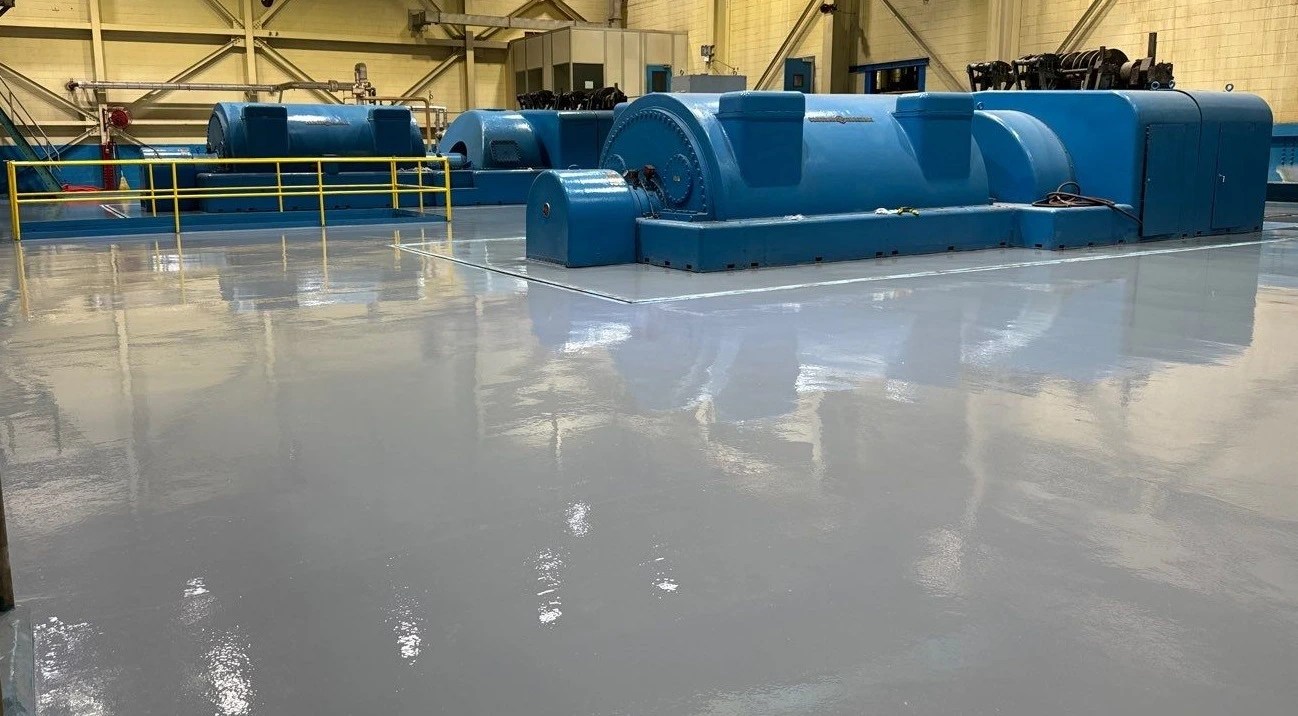
This guide lays out the basics of how epoxy handles chemical attacks, pulling from tried-and-true testing approaches and performance records from the field. Folks running plants or engineering teams frequently hunt for guidance on pairing coatings with particular exposure scenarios, considering things like acid strength or solvent types. The breakdown here touches on epoxy formulations building those tough shields, essential standards for checking toughness, and customized strategies for different chemical strengths. Hands-on cases from tough industries show how it plays out, with tips on picking the right setup to sidestep usual mistakes.
Understanding Chemical Resistance in Epoxy Floor Paint
How Epoxy Creates a Chemical-Resistant Barrier
Epoxy floor paint gets its staying power from a straightforward mix of resin and hardener that kicks off a reaction. That blend hardens into a tight polymer web that grabs hold of prepped concrete, sealing off any gaps where fluids could sneak through. Over in chemical plants, sulfuric acid drips off pipes or caustic soda collects during shifts—the non-porous setup blocks them right at the top. Basic bisphenol A epoxies do fine with everyday hits, putting up films that stand against swelling or failure from typical alkalis like sodium hydroxide in cooler conditions. When things get rougher, novolac epoxy steps up with denser links, offering stronger guards against high-strength acids or oxidizers that would carve into regular coatings.
Solvent toughness works much the same way. Stuff like toluene or acetone in pharma recovery zones dries fast but can loosen up lesser paints. The epoxy bonds stay put, keeping the surface hard even after hours of exposure. Oils and fats in food lines don’t stick either; the finish lets them slide off without soaking in. Tweaks in resin blends open doors for tweaks—vinyl ester mixes bring in bendability for heat changes in plating tanks, where hot chromic acid baths run all day. Layer depth counts here. A couple millimeters covers random drips, but bumping to 4-6 millimeters with added strengtheners like glass flakes ramps up the shield for places with nonstop soaking.
Key Testing Standards & Chemical Resistance Data
Tests prove out how epoxy holds the line against actual risks. ASTM D543 sets up soak routines, dipping samples into things like 98% sulfuric acid or 50% sodium hydroxide for fixed stretches—say 7 days at 73°F—then looking at weight shifts, hardness drops, or obvious flaws. Numbers come back with novolac epoxies keeping 95% or better in potent acids, while basics hit 70-80% in tamer mixes. ISO 2812 goes for drop tests, putting spots of methanol or xylene on and watching after a day for bubbles or color changes. Those outcomes highlight trends: epoxy fends off hydrochloric acid to 37% levels without going soft, though cranked-up heat cuts performance 20-30% at 140°F.
Charts on chemical resistance steer choices. One might tag a system “top-notch” versus lactic acid in milk plants, staying solid after a week’s soak with zero breakthrough. Citric acid in drink lines follows suit up to 10% potency. Plating shops run checks on chromic acid blends; beefed-up epoxies show little scoring after weeks, holding the seal. Standards like these line up with sector rules, such as FDA nods for food zones where disinfectants can’t wreck the top. Site bosses pull these figures during reviews, making sure picked systems stop leaks that might hit groundwater or break eco rules.
Matching Epoxy Systems to Exposure Levels
Light to Moderate Chemical Exposure
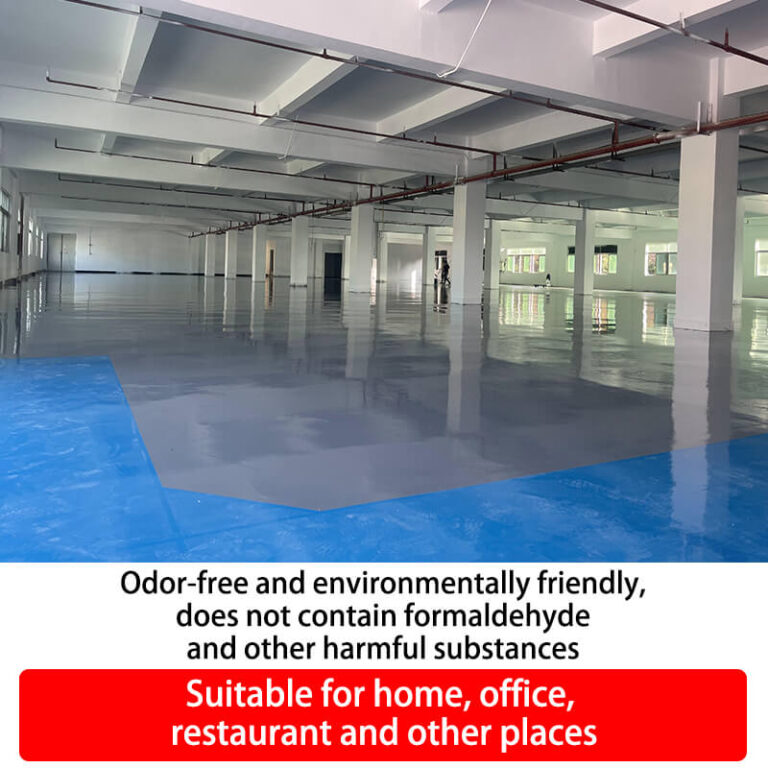
Spots with scattered spills or standard wipes suit basic high-solids epoxy builds. Food plants seeing weak organic acids like acetic from vinegar runs drip now and then—a 2-3 millimeter self-flowing layer gives solid cover. It sets flat, shrugging off damp and mild alkalis from wash cycles without lifting. Storage areas with boxed solvents gain from it too; the coat brushes off small ethanol or isopropyl leaks, leaving the base untouched for years. Setup means priming concrete to lock pores, then spreading the epoxy for uniform spread. Hardened, it takes forklift runs while simplifying rinses—water rolls off instead of sinking.
For mid-level hits, add a top layer for shine and sun fade resistance in lit spots, staving off yellow tones. Figures point to halving upkeep over raw concrete, as grime lifts without biting in. Pharma packing lines, heavy on neutral cleaners but with random solvent dabs, keep clean standards without excess.
Periodic Heavy Cleaning & Spills
Areas hit with regular high-jet washes or spot chemical touches need sturdier setups. Pharma cleanrooms take daily hits from hydrogen peroxide or quat compounds. A beefed epoxy with polyurethane cap—3-4 millimeters total—fights back without yielding, the mix adding give for heat swell from steaming rinses. In plating prep zones, dilute acids splash on part dips; this build stops creep under the film by sealing tight.
Layering demands care. Blast the base for grip, lay a wet-proof primer, then base epoxy and guard top. Tests prove hold against 5% nitric acid over months, no peeling. Food spots with fatty acids from greases see perks; the top sheds oil, trimming scrub sessions and stretching deep clean gaps.
Severe Corrosion Environments
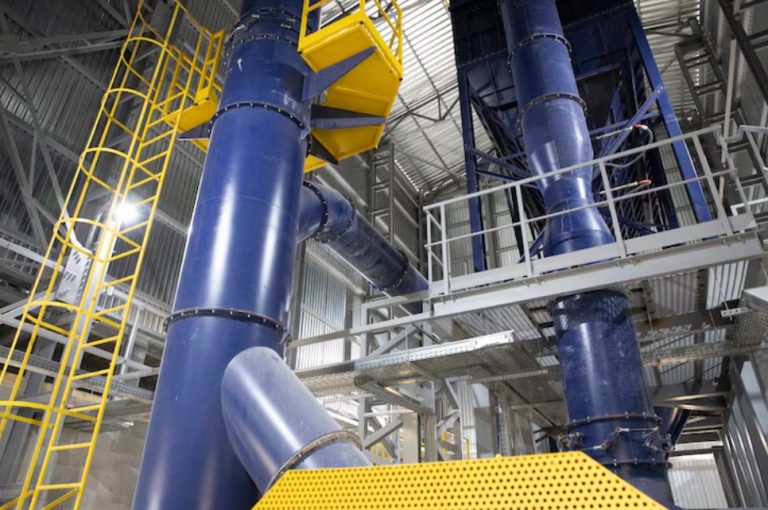
Tough zones in chem plants or plating runs call for high-end mixes. Novolac epoxies at 4-6 millimeters with flake boosts tackle thick corrosives like 70% hydrofluoric acid or heated caustics. Battery lines with electrolyte drips use them to trap vapors by full seal. The packed grid curbs spread, soak tests showing under 1% uptake after long hits from rough solvents like dimethylformamide.
Build starts with heavy prep—grinding diamonds to clear junk—then stacked coats for depth. Field numbers from trials confirm stand against 98% sulfuric at warm levels, lasting way past basics. For peak cases, vinyl ester adds fend off oxidizers in waste treat spots.
Industry-Specific Applications & Real-World Examples
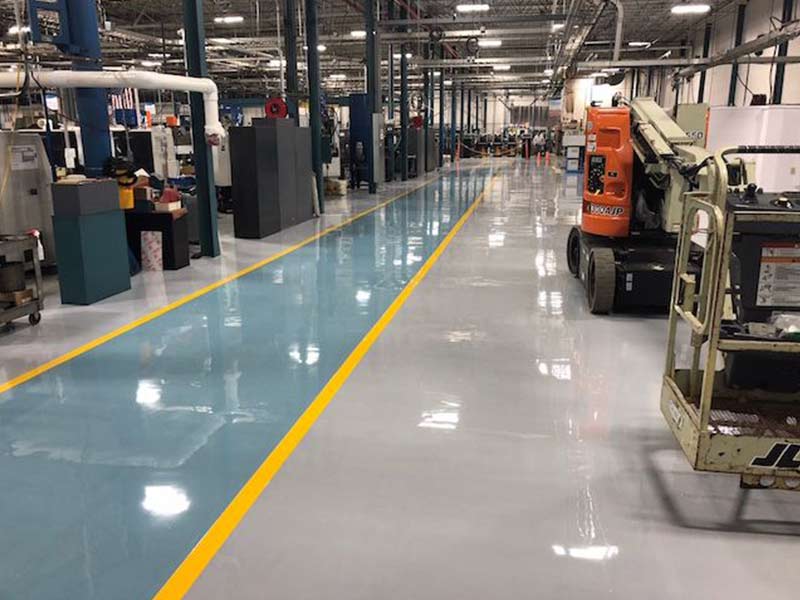
Chemical Processing Plants
Chem plants juggle fierce compounds round the clock. Reactor zones get phosphoric acid drips that chew unprotected floors, but chem resistant epoxy setups make walls that hold spills. A facility out west went to novolac-boosted coat after constant concrete busts from hydrochloric hits. After lay, leaks sat on top, neutralized clean without harm. Jointless build kept seepage out, hitting spill rules. Logs noted zero wear after two years, against yearly fixes prior.
Pharmaceutical & Cleanroom Facilities
Pharma spots stress no-dirt rules next to resistance. Cleanrooms wipe with isopropyl heaps; epoxy floors take it without trapping bits. A Euro lab put on smooth antistatic kind, cutting static that pulls dust. Buffer spills—light acids—dried spotless, keeping GMP. Particle tallies fell 40% after coat, non-hole top simplifying sterilize.
Electroplating & Metal Finishing Plants
Plating runs bare floors to chromic acid and cyanide mixes. Solvent resistant epoxy paint guards from them, no etch scars. Auto parts maker coated dip zone with thick mix; acid spray didn’t pit concrete anymore. Rinse was easy, slashing stop time. Charts affirmed hold on 10% chromic at 122°F, stretching floor span five times.
Food & Beverage Processing Plants
Food sites face organic acids and wipes. Brewery took caustic from CIP that wrecked old paint, but mid epoxy layer stayed tough. Bottling grease wiped off, dropping bug spots. USDA ok’d types assured no flavor shift. Dairy spot saw 30% fewer slips post-texture add, while fending lactic buildup.
How to Choose & Implement Chemical-Resistant Epoxy Flooring
Picking starts with threat check. Catalog chems like acetone or sodium hypochlorite, marking levels and touch length. Light duty takes standard epoxies cheap; heavy calls novolac for top shield. Weigh machine loads—forklifts need high crush strength, near 10,000 psi. Grip counts in damp spots; scattered bits hit 0.6-0.8 marks. Cash balances front cost with future saves—coats return in 2-3 years from less fixes.
Lay demands exactness. Check base water under 4% for no bubbles. Blast for hold. Put on in 50-80°F air, stirring parts well. Set times differ—day for walks, three for full chem hits. Dodge slips like no primer, causing lifts, or pushing recoats past slots. Upkeep uses even pH wipes; check every quarter for thin spots, fix quick to stop spread.
Konaz Chemical-Resistant Epoxy Solutions for Industrial Plants
Foshan Konaz Technology Co., Ltd operates as a producer focused on sophisticated functional coatings, situated in Guangdong Province, China. The firm’s 3,000-square-meter plant includes over 30 production units, putting out more than 1,000 tons each year. Efforts center on crafting blends that bring hardness, wear toughness, and chem guard, reaching worldwide through material breakthroughs. For chem-resistant uses, Konaz epoxy floor paint brings factory-level strength against corrosives, fitting plants hit with acid and alkali. Heat-tough kinds mix chem corrosion hold to 800°C, suiting petrochem and plating where heat and chem team up.
Conclusion
Chemical-resistant epoxy floor paint anchors durability in industrial plants, converting fragile concrete to tough tops that fend off acids, alkalis, solvents, and oils. With cross-linked shields and matched setups, these coats trim upkeep loads while keeping safety and rules in line. Right picks and lays bring years of steady run, guarding work from pricey breaks.
Frequently Asked Questions
What makes epoxy floor paint chemical resistant for chemical plants?
Epoxy floor paint builds chemical resistance via cross-linked polymer makeup, forming non-porous guards that block acids like sulfuric and alkalis like sodium hydroxide. In chemical plants, this halts entry and breakdown, novolac forms tackling dense exposures solid.
How do I test chemical resistance of epoxy flooring in pharmaceutical facilities?
Test chemical resistance with ASTM D543 soak ways, dipping samples in pharma solvents like isopropyl or buffers for a week. For pharmaceutical facilities, watch for no swell or hard loss, keeping coating up to cleanroom rules without dirt threats.
What epoxy system works for acid exposure in electroplating plants?
For acid exposure in electroplating plants, novolac epoxy setups at 4-6 mm thick with flake boosts fend chromic or hydrochloric acids. These show no seep in drop tests, stretching floor span under daily dips and drips.
Is chemical resistant epoxy floor paint suitable for food processing plants?
Chemical resistant epoxy floor paint fits food processing plants by holding organic acids like lactic and wipes without product taint. USDA-ok’d kinds keep clean, mid setups managing heavy periodic cleans while simplifying grease lift.