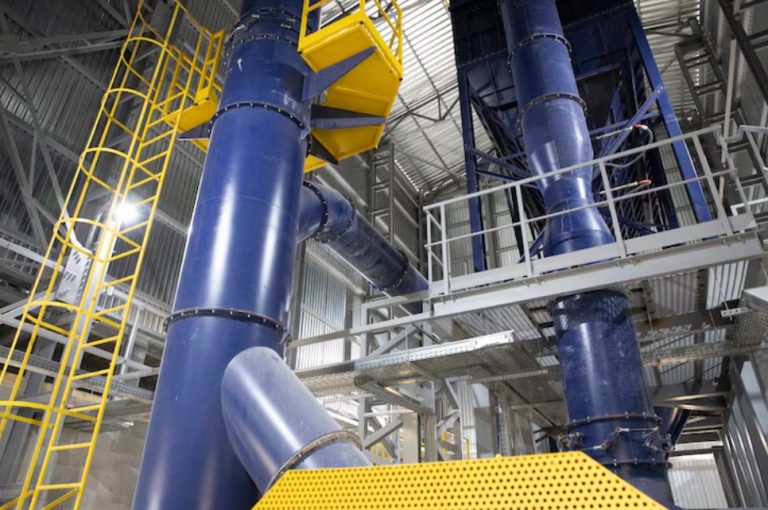

Industrial boilers and chimneys face tough conditions every single day. They operate in temperatures hot enough to destroy regular paint almost instantly. Metal parts oxidize quickly. Rust spreads fast. Soon, you deal with serious damage and expensive fixes. Sometimes, you even face unexpected shutdowns that cost a fortune.
This is exactly where heat resistant coatings come into play. The 800°C silicone versions stand out. They hold strong in places where other products give up right away.
If you manage a factory, run a power station, or handle any high-heat operation, you have probably seen the problem up close. A boiler tube looks okay one month. The next, it shows flaking paint and deep pits. Chimneys suffer the same fate. Constant flue gases attack the steel. Cracks form over time. These issues hurt more than appearance. They reduce efficiency. They raise maintenance bills. In bad cases, they force full stops that run into tens of thousands of dollars daily.
The Harsh Reality Facing Industrial Boilers and Chimneys
Boilers in chemical plants or refineries often reach 600–800°C near the flame. Exhaust stacks deal with the same heat plus nasty gases that speed up oxidation. Without solid protection, carbon steel starts to scale in just weeks. Rust flakes away. Insulation breaks down. Heat escapes. Your fuel costs climb while production drops.
Chimneys face one extra headache: constant heating and cooling. They get blazing hot during runs. They cool off at night or during service. This back-and-forth expansion cracks normal paints. Moisture sneaks in. Rust begins its cycle again. One power plant in the Midwest lost part of a chimney after only 18 months. The old coating could not handle the temperature swings. The repair ended up costing more than $120,000. Stories like this happen too often when people try to save money with basic industrial paint.
How 800°C Silicone Coatings Work Their Magic
These coatings differ from standard ones. They use a smart mix of silicone resin and inorganic silicates. At room temperature, the material spreads easily for application. Once it cures — either by air drying for 24 hours or baking at 280°C for 15 minutes — it turns into a tough shield.
The silicone resin adds flexibility. It handles metal expansion without cracking. The inorganic silicates activate under intense heat. They create a hard, glass-like layer that seals everything tightly. Oxygen and corrosive gases stay out. The metal underneath stays safe. Real tests prove these coatings survive many cycles between 200°C and 800°C. Regular epoxy or alkyd paints simply cannot match that performance.
Surface preparation counts a lot. You sand or blast the metal until it shines. Then you remove all oil and water. Next, you apply a thin coat. Never make it thick — that mistake happens often. One layer usually does the job when done correctly. The finished coating sticks like glue. It laughs off 800°C temperatures.
Real-World Benefits You Can Count On
Once these heat resistant coatings go on, here is what actually happens:
- The color stays true, even with direct flame. Stable pigments hold up to 800°C. Your boiler or chimney keeps its clean, professional look instead of turning dull or burnt.
- No peeling or chalking occurs. The film stays strong through vibration, sudden temperature changes, and outdoor weather. Maintenance teams stop chasing flakes every few months.
- Equipment lasts much longer. Plant operators often gain 3–5 extra years before major work is needed. That saves serious money when a boiler retube job runs $50,000–$150,000.
- Fuel costs drop. A good coating reduces heat loss through the walls. Some facilities notice 2–4% better efficiency simply because the metal stays protected and clean.
One chemical plant updated its exhaust stacks last year. Before the switch, they replaced sections every two years. After the silicone coating, the same stacks look strong at 28 months with no visible damage. The maintenance manager said they finally stopped planning for emergency chimney repairs.
Here is a quick side-by-side look:
| Issue | Without Proper Coating | With 800°C Silicone Coating |
|---|---|---|
| Oxidation start time | 3–6 months | 3–5+ years |
| Color stability | Fades or chalks quickly | Holds original color for a long time |
| Peeling risk | High during thermal cycling | Almost none — film stays intact |
| Annual maintenance cost | High (repairs + downtime) | Very low (just occasional checks) |
| Expected service life | 1–2 years | 4–7 years under normal use |
Where These Coatings Make the Biggest Difference
Boilers gain clear benefits. Yet the advantages go further. Chimney liners, heat exchangers, incinerator walls, and large industrial pipes all fight the same heat and corrosion mix. The coating works well on carbon steel, stainless steel, and cast iron. Application stays simple. Spray if you have the tools. Brush if you do not. The thin film — only 20–30 microns — adds almost no extra weight or bulk.
Many plants now apply the coating during regular maintenance stops. The job takes a day or two at most. Then everything returns to service with fresh protection. Surprise failures during busy production become rare.
Meet a Trusted Partner in High-Temperature Protection
Konaz has stayed focused in this field for 15 years. Their modern factory covers 3,000 square meters in Foshan. It runs more than 30 advanced production lines and produces 1,000 tons of specialty coatings each year. The team works only on high-temperature solutions. Every batch follows strict specs that deliver steady 800°C performance. Products ship around the world. Plant engineers who test samples often return because the real results match the promises. When you need dependable heat resistant coatings that perform in actual use, Konaz delivers without the usual problems.
Wrapping It Up
Moving to proper 800°C silicone coatings goes beyond a simple budget item. It acts like smart insurance against nasty surprises. Your boilers and chimneys run hotter, cleaner, and longer when the metal stays fully protected. The initial work pays back many times through less downtime and fewer repair bills.
If you feel tired of watching paint fail and metal break down, consider heat resistant coatings made for the job. The difference shows clearly once you see the results in your own facility.
FAQs About Heat Resistant Coatings
What exactly are heat resistant coatings, and why do boilers and chimneys need them?
Heat resistant coatings are special formulas, often based on silicone. They protect metal surfaces at temperatures up to 800°C. Boilers and chimneys need them because regular paint burns away or cracks fast. This lets oxygen reach the steel and start heavy oxidation. These coatings build a strong barrier that stops rust early.
How long do 800°C silicone coatings typically last on industrial chimneys?
With good surface prep and correct application, they often last 4–7 years under normal conditions. Plants report far fewer inspections and repairs than with uncoated or weak stacks.
Can these coatings be applied during a short plant outage?
Yes, most jobs finish in one or two days. Clean and blast the surface first. Then spray a thin coat. Air-dry for 24 hours or bake at 280°C for 15 minutes if possible. After that, the equipment returns online with full protection.
Will heat resistant coatings change color or peel if the boiler runs at peak temperature?
No. Good silicone versions keep the original color and strong adhesion even under direct flame or repeated heating and cooling. That is the main reason they exist — they handle exactly what your equipment throws at them.
Are there different versions for specific temperatures or environments?
Yes. Some areas need 600°C versions for milder spots. Others use the full 800°C formula on flame-facing parts. Konaz offers both options. You can match the coating to the exact need without paying extra for unneeded performance.