Anti-rust paint plays a vital role in equipment protection. It forms a tough barrier that guards metal surfaces from everyday threats like moisture, oxygen, and chemicals. This coating system keeps the look of machinery intact. It also boosts long-term reliability in various industrial fields.
The Mechanism of Corrosion Prevention
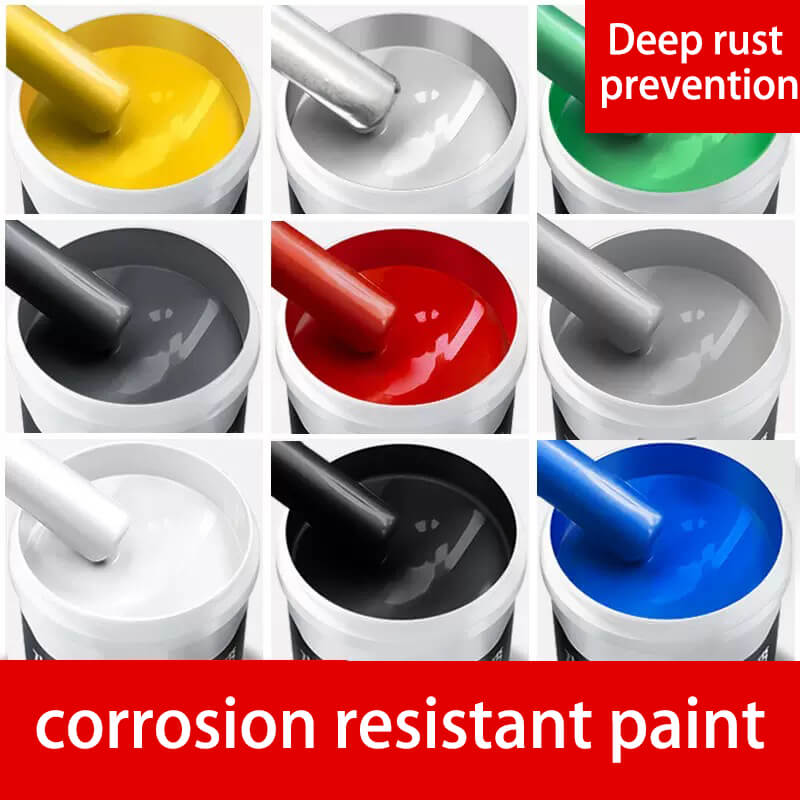
The basic idea behind stopping corrosion is to keep the metal base away from harmful agents. Anti-rust paints build a solid physical shield. This stops direct touch between the metal surface and outside factors such as oxygen and water. Besides this basic guard, some mixes include active corrosion inhibitors. These chemicals react with the base to stop electrical processes that cause rust. Modern coating setups, like zinc-rich primers or epoxy-based mixes, give double protection. They mix strong sealing with electrical or chemical defense traits. All these ways together improve equipment strength. They also keep steady work in tough industrial settings.
Types of Anti-Rust Paints Used in Industrial Applications
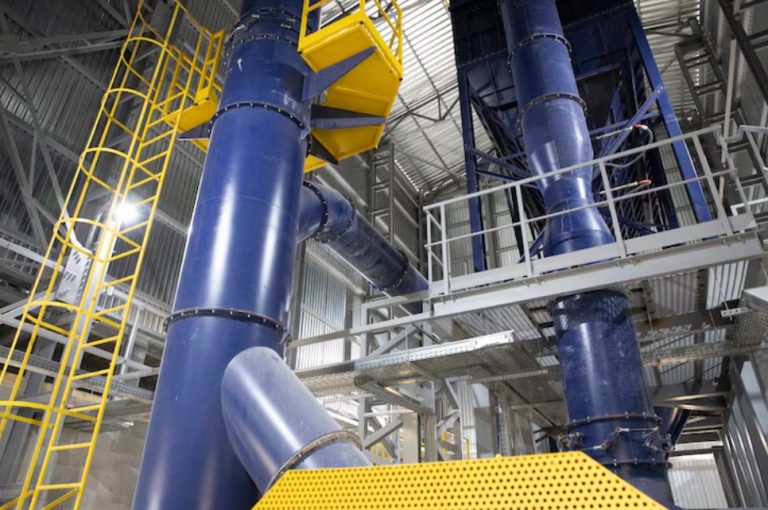
Industrial uses need coatings made for certain work areas. Epoxy-based paints are common because of their strong grip, resistance to chemicals, and solid build. So, they suit machinery facing solvents or rough bits. Polyurethane coatings work well for outside setups. They offer bendability and steady hold against UV light. This means they keep color and surface quality over time. Zinc-rich primers give electrical protection. They use up zinc bits to stop steel from rusting. Thus, they are key for sea structures, pipelines, and heavy frames in salty air.
Why Is Anti-Rust Paint Essential for Enhancing Equipment Durability?
In industrial spots with steady humidity, chemical contact, and changing temperatures, anti-rust paint is a must for keeping equipment strong. These coatings make a guard layer over metal parts. As a result, they hold the structure firm. They also cut down wear from rusting and chemical harm.
The Role of Surface Preparation in Durability Enhancement
Getting the surface ready is a key part that affects how well the coating works. Things like oil, dirt, or old rust can block good sticking. This weakens the guard power. Methods such as sandblasting or shot blasting clear away dirt. They also make a good surface shape for primer to stick. Primer layers serve as go-betweens. They improve the link between the base and outer layers. Make sure the surface is clean, free of rust, and without dust. Follow the mixing rules for the coating. Put on several layers with the right tools. Watch the thickness. Let each layer fully dry before the next. Keep good airflow and wear safety gear. Sticking to these steps gives even cover. It also boosts how long the coating lasts in hard work conditions.
Long-Term Performance Benefits of Anti-Rust Coatings
Anti-rust coatings bring clear long-term gains. They cut down harm from oxidation, like holes or rough spots on metal. Less rust means fewer machine breakdowns. It also leads to less surprise stops in factories. Steady coating work in changing heat or chemical settings helps plan maintenance ahead. This extends the full life of assets. Such points are vital for cutting total costs for industrial users.
How Can Anti-Rust Paint Help Reduce Maintenance and Repair Costs?
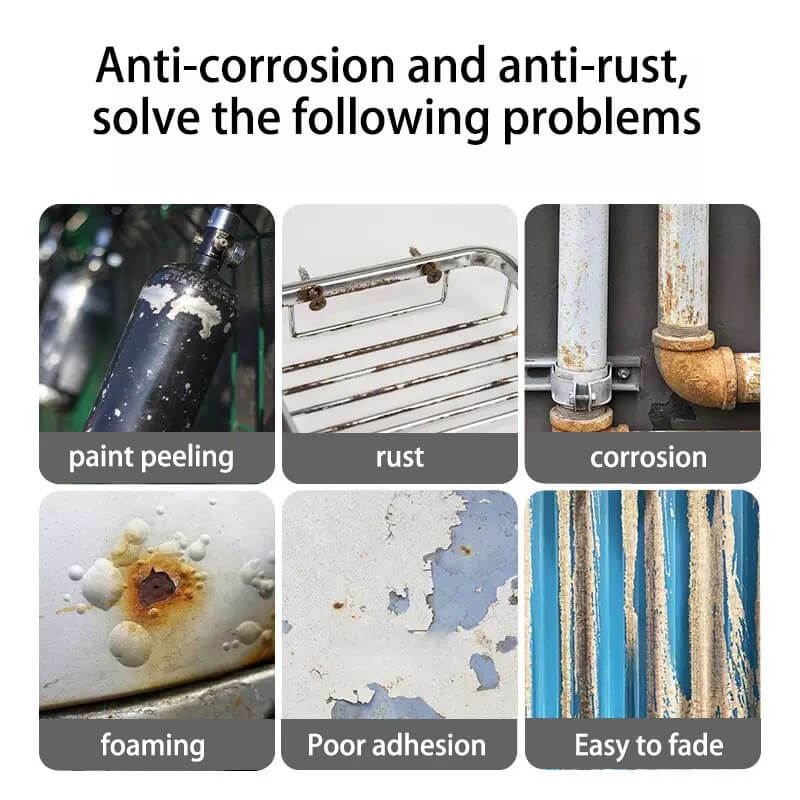
Rust brings big money problems to industries. It causes equipment wear, fix bills, and work halts. Using anti-rust paint plans offers a smart way to prevent these money hits. It does so at low cost.
Cost Efficiency Through Preventive Coating Strategies
Regular upkeep with good anti-rust coatings greatly lowers the need for pricey part swaps or fixes. Putting on guard layers at the start of setup brings savings over time. It holds off rust from the beginning of use. Studies on full life costs show good returns on money spent. This happens when protective coatings join asset care plans. They stretch part life and cut waste of materials.
Reducing Operational Disruptions Caused by Corrosion Damage
Failures from rust can stop work without warning. This leads to high-cost stoppages. Reliable anti-rust paint systems stop such harm from rust. Thus, industries keep steady output without often needing quick fixes. Longer gaps between upkeep come from strong coatings. They also cut worker costs. Plus, they keep safety rules in place. This matters a lot in fields like power making or heavy building, where steady work is key.
What Are the Key Factors to Consider When Selecting Anti-Rust Paint for Industrial Use?
Picking the right anti-rust paint means looking closely at exposure to surroundings, base materials, ways to apply, and what results you expect. Each point shapes how well the coating holds up over time.
Environmental Conditions and Exposure Levels
Conditions around the site set what kind of coating mix is needed. For instance, areas near the sea or with high dampness need systems that fight water well. They must handle salty air without bubbling or peeling. Plants that process chemicals do best with epoxy coatings that resist solvents. These stand up to acid fumes or base splashes without breaking down. Changes in heat also affect how bendy the coating needs to be. So, polyurethane types are chosen where heat stretch happens often.
Compatibility with Substrate Materials and Application Methods
Various metals call for special primers to get the best stick. Steel might use zinc phosphate primers. Aluminum works better with etch-primers for non-iron surfaces. Spray methods allow even spread over tricky shapes, like tanks or pipe lines. Things like dry time, layer thickness, and time between coats must be handled with care. They directly shape the final guard quality against rust causes.
How Does Foshan Konaz Technology Co., Ltd Support Industrial Equipment Protection?
Foshan Konaz Technology Co., Ltd is a worldwide provider focused on making advanced anti-rust paints. These are built just for industrial uses that need top protection levels. Their work based on research mixes new making methods with tight quality checks. This ensures steady outcomes in many work settings.
Key Advantages Offered by Foshan Konaz Technology Co., Ltd Products
The firm offers a wide range of items. This includes epoxy-based systems for fighting chemicals, polyurethane coatings for strength outside, and zinc-rich primers for steel setups in harmful air. More than just selling supplies, Foshan Konaz gives full tech help at every step. This covers advice on readying surfaces to best ways to apply. It helps clients get the most from coatings to match their project needs. Their track record shows real gains in stretching equipment life. It also shows drops in full ownership costs in making fields around the world.
Key Insights on Implementing Anti-Rust Paint Strategies in Industrial Operations
Good rollout goes past choosing products. It means adding coating systems to wider upkeep plans. These plans use data from surroundings checks and training for workers. The goal is to keep steady results over many years.
Integrating Coating Systems into Maintenance Programs
Check-ups at set times spot early signs of coating wear. This happens before real harm to structure. Times for redoing coats should match the stress from work. Base this on reports from watching the surroundings. This keeps asset guard working without breaks. Keeping records of how coatings act over time gives useful info. It aids big choices in plans for handling assets. These plans aim to make the best life results.
Conclusion: Strengthening Industrial Reliability Through Advanced Anti-Rust Solutions
Anti-rust paint does more than improve looks. It is a smart spend on steady work in industry, safety checks, and ways to save money in all engineering areas focused on equipment strength. Mixing strong guard chemicals with careful surface ready steps ensures longer use time. It cuts how often upkeep is needed. In the end, this builds steady operations that are key to staying ahead in today’s industrial world.
FAQs
1. What is the typical lifespan of industrial anti-rust paint?
The service life depends on factors such as coating type, environmental exposure, film thickness, and maintenance frequency; typically ranging from 5 to 15 years under standard industrial conditions.
2. Can anti-rust paint be applied over existing rusted surfaces?
While minor oxidation can be treated using rust converters or primers designed for corroded metal, heavily rusted areas require thorough cleaning or abrasive blasting before application to ensure proper adhesion.
3. How often should industrial equipment be recoated with anti-rust paint?
Reapplication frequency varies by environment; equipment exposed to marine or chemical conditions may require recoating every 3–5 years, whereas indoor machinery may last over a decade before maintenance is needed.