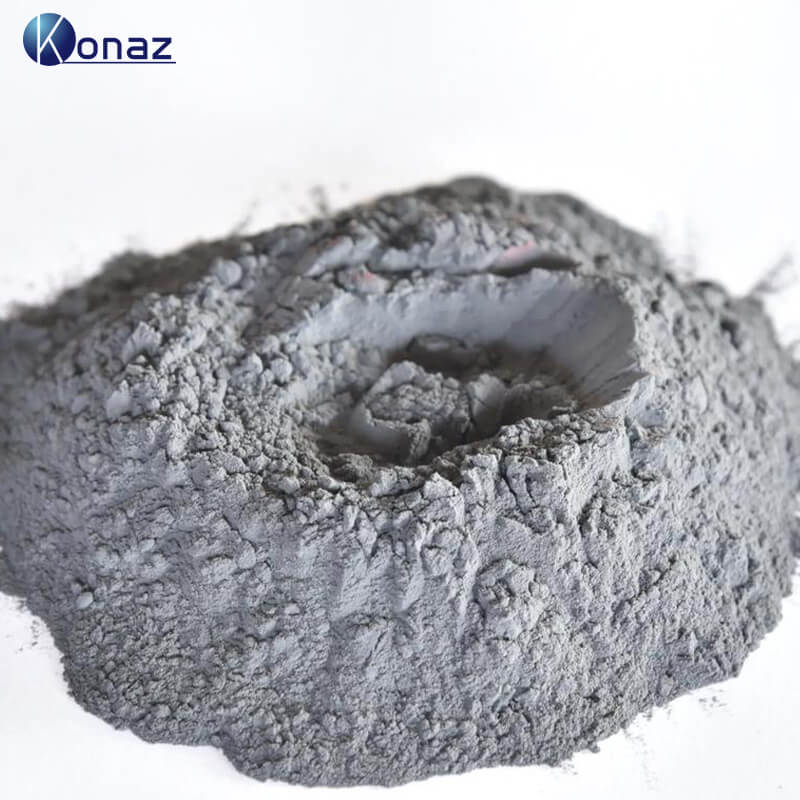
Powder coating and conventional liquid paint serve as common choices for surface finishing. Yet, their basic differences in makeup, application, and performance fit them for different work settings. Powder coating uses dry powders made from thermoset or thermoplastic polymers. These get applied electrostatically to a conductive base and then cured with heat. On the other hand, traditional paint consists of a liquid blend of solvents, pigments, and binders. It can go on via spraying or brushing.
Composition and Application Methods
The electrostatic method in powder coating helps spread particles evenly over the surface. After heating, these particles melt and link up chemically to create a solid protective layer. This curing step leads to a consistent coating that often turns out thicker and tougher than those from regular paint. In comparison, liquid paint needs several layers to reach the same coverage. It might also end up with uneven thickness or drooping while being put on.
The key differences between high-temperature paint and high-temperature powder show up in building methods and how the film forms. High-temperature paint acts as a liquid coating. Workers usually put it on by spraying or brushing. It works well for odd-shaped parts and for fixes done right there on site. The film forms after baking or even curing at room temperature. High-temperature powder comes as a solid powder coating. It calls for electrostatic spraying followed by baking at high heat to cure. The result is a tighter film. However, it demands more from the work environment and the makers. This difference points out how powder coatings gain better strength through careful curing setups.
Durability and Environmental Considerations
Powder coatings lack solvents. As a result, they avoid releasing volatile organic compound (VOC) emissions while applying. This matters a lot for meeting environmental rules. Paints with solvents add to VOC output. That affects air quality and the safety of those working nearby. When it comes to lasting power, powder coatings do better than regular paints. They show great resistance to chipping, corrosion, wear, and color loss.
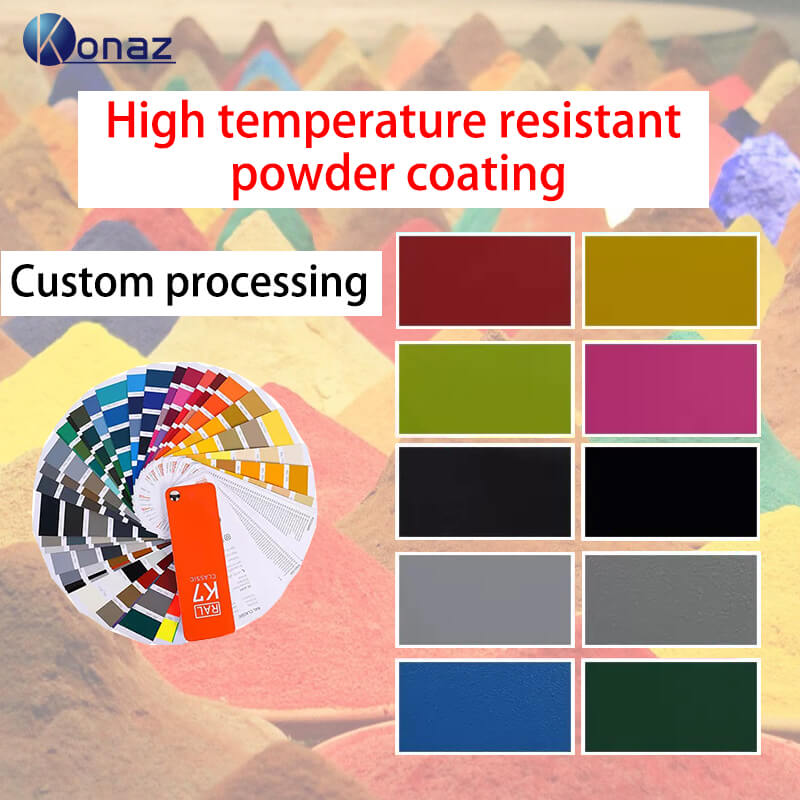
High-temperature resistant coatings bring five main benefits: 1) Simple to apply and they last a long time; 2) Strong against weather, fitting many climate types; 3) Handles 200–800°C; 4) High efficiency in coating and good value for money; 5) Solid barrier against moisture, stopping peeling or chalking. These features mean less upkeep over the years when compared to surfaces done with traditional paint.
How Does Each Coating Perform Under High Temperature Conditions?
In uses like exhaust systems or industrial ovens, how well a coating holds up under heat decides if it fits the job. Powder coatings made for heat resistance keep their structure even under steady temperatures over 200°C.
Thermal Resistance and Stability
Custom blends, such as those based on silicone or mixes of epoxy and silicone, can handle long exposure to very high heat without breaking down. Regular paints often lose their shine or start to peel after repeated heat cycles. This happens because solvents evaporate or the links in their structure weaken.
Strong thermal resistance stands out: It can take temperatures up to 800°C or more for extended periods. The coating shows no peeling or powdering. Plus, its performance stays steady over time. This toughness means powder coatings stay whole even when the base material expands from changing temperatures.
Resistance to Oxidation and Corrosion at Elevated Temperatures
At high heat, oxidation poses a big risk to metal bases. Powder coatings form a thick shield that blocks oxygen from reaching the metal below. This fights oxidation and corrosion well: It stops metal surfaces from oxidizing and corroding in hot settings. In turn, it lengthens the life of the equipment. By contrast, regular paints get more porous as time passes under heat strain. This lets harmful agents seep in.
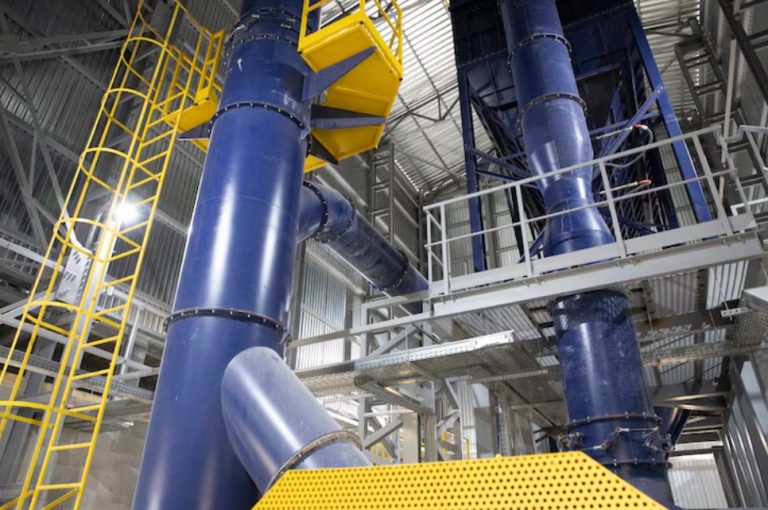
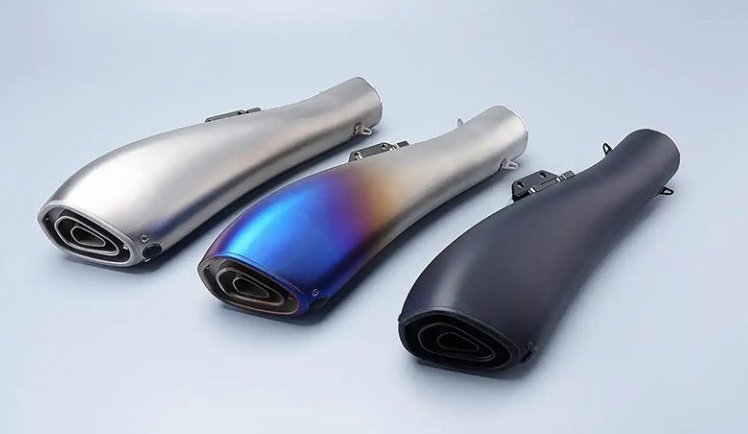
This trait makes heat-resistant powder coatings perfect for tough spots. Think automotive exhaust systems, boilers, chimneys, pipelines, incinerators, and casings for other industrial machines. In these places, steady performance counts a lot.
Which Factors Determine the Suitability of Powder Coating for High Temperature Applications?
Picking the right coating means checking how well it matches the base material, the conditions it will face, the heat levels it must handle, and the physical strain during use.
Substrate Compatibility and Surface Preparation Requirements
Powder coating works best on bases that conduct electricity, like aluminum alloys or steel. These must endure the curing heat without warping. Good prep work is key. Cleaning the surface via sandblasting or chemical removal of grease ensures strong sticking before the electrostatic step.
Before starting, clean the base material fully to show a metallic shine. Make sure the metal surface has no oil or water marks. Then, move ahead. Skipping this can cause early breakdown. No matter the material’s quality, dirt gets in the way of the bond between the powder film and the base.
Operational Environment and Performance Expectations
For jobs with repeated heating, the coating needs enough give to handle expansion from heat without splitting. Also, think about chemical contact when choosing the resin type. Powders based on silicone do great in big temperature swings plus harsh, corrosive air.
Our high-temperature resistant coating focuses on “no color change and no peeling.” It helps customers boost product quality and how long things last. Long tests confirm that these mixes meet safety needs in fields like energy making or heavy building work. There, trust in reliability is a must.
Why Choose Foshan Konaz Technology Co., Ltd as a Reliable High Temperature Powder Coating Supplier?
Foshan Konaz Technology Co., Ltd stands out as a top player in advanced powder coating options. These are built for high-stakes uses that need strong heat tolerance.
Technical Expertise and Product Innovation
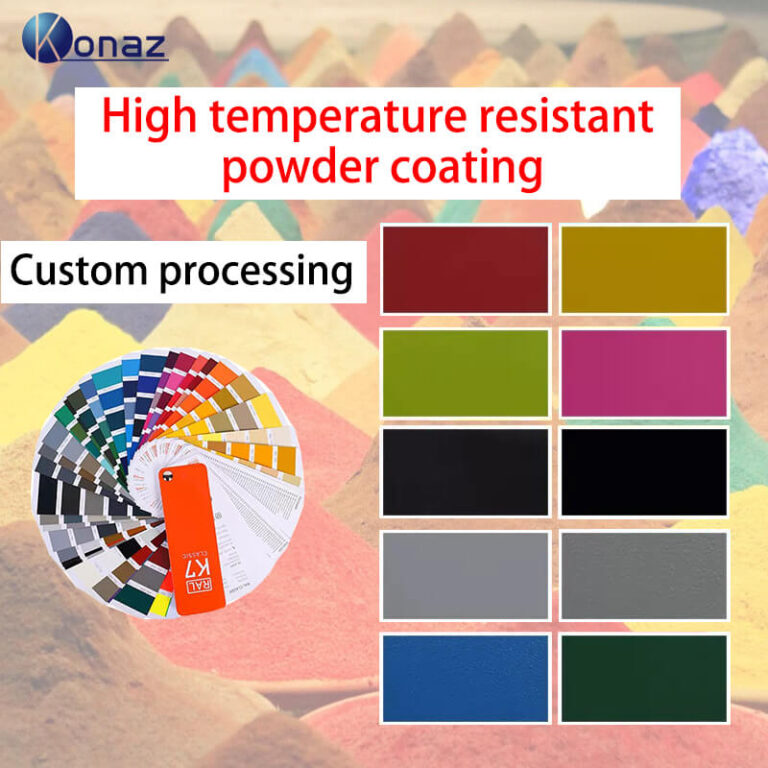
The firm’s range includes special mixes that hold up to ongoing heat up to 600°C or beyond. They keep strong sticking power and shine without fail. Konaz high-temperature resistant coating fits many metal surfaces that need heat protection. It forms a smooth film that’s simple to clean and looks good. Its heat range covers 200-800°C. Steady work in research keeps products up to world standards. It also allows new ideas for growing industry demands.
Commitment to Quality Assurance and Customer Support
Every batch from production goes through full checks. These test sticking strength, fight against corrosion, shine hold under fast aging, and even thickness after curing. The firm’s support team offers clear advice on best spray settings. For example, they guide on voltage or time in the oven. This helps get reliable results across various bases in making operations.
What Are the Long-Term Benefits of Choosing Powder Coating Over Paint?
Besides looks, powder coatings provide clear gains in areas like lasting strength, green practices, lower costs over time, better safety in operations, and less stoppage for fixes.
Maintenance Efficiency and Cost Reduction Over Time
Powder-coated layers stand up to rubbing better than painted ones, even in rough physical use. So, gear coated this way needs fewer fixes during its full run. Top durability: The product guards metal surfaces for years in very hot spots. It fights oxidation and corrosion. This stretches out the equipment’s life. As a result, overall costs drop a lot. That’s because replacements happen less often. Plus, redoing the coating takes minimal effort over many years.
Sustainability and Environmental Impact Reduction
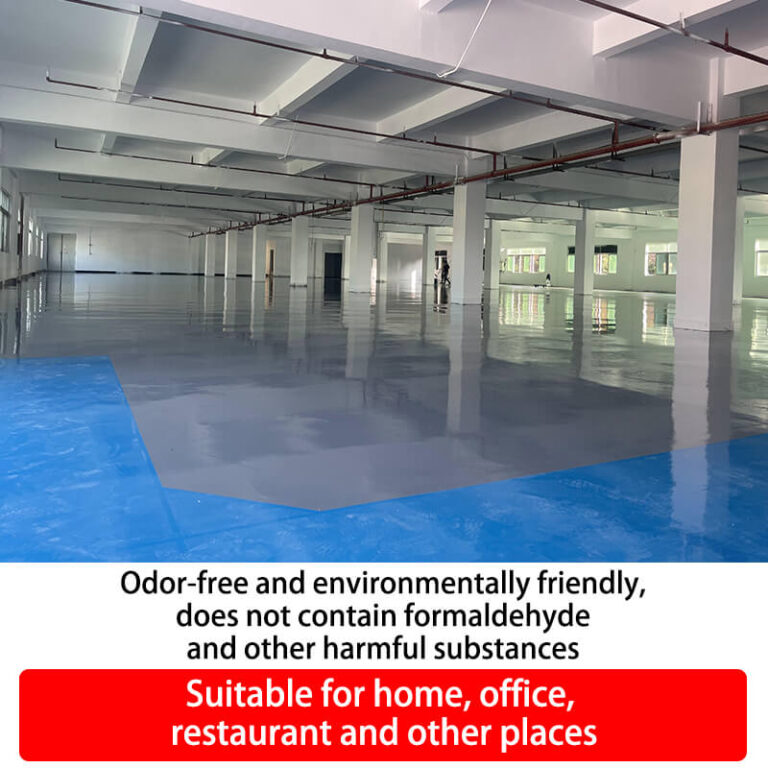
The lack of solvents in powder coating cuts out bad releases during putting on and curing. Also, systems to catch overspray let unused stuff get reused. This cuts waste way down compared to old wet painting ways. Low-VOC environmentally friendly formula: It meets world green rules. It’s safe and dependable. These green traits match current laws that push for lasting making processes everywhere.
Conclusion: Evaluating Performance Beyond Aesthetics
When looking at powder coating against regular paint in hot uses like exhaust parts or oven shells, the key choices go past just how things look. They tie to real results in engineering. For instance, how well sticking holds during heat cycles over 200°C–800°C. Case studies from industries around the world back this up. Powder coatings give top heat steadiness along with better guard against corrosion. They also bring green processing perks. That’s why pros pick them for sure long-run trust in hard work settings.
FAQs
1. Can all types of powder coatings withstand high temperatures?
Not all powder coatings are formulated for heat resistance; specialized silicone or epoxy-silicone blends are required for sustained exposure above 200°C.
2. Is it possible to apply high-temperature powder coatings on non-metal substrates?
Generally no; these coatings require conductive substrates like metals for electrostatic application though research into alternative materials continues.
3. How does curing temperature affect the final properties of high-temperature powder coatings?
Curing temperature directly influences crosslinking density; inadequate curing reduces adhesion strength while proper curing ensures optimal mechanical performance under heat stress.