Corrosion is a natural electrochemical process that wears down metals by turning them into more stable compounds such as oxides, hydroxides, or sulfides. This change weakens the metal’s structure. It also lowers its mechanical properties. As a result, performance drops over time.
The Electrochemical Process Behind Corrosion
Corrosion starts when a metal surface touches oxygen and moisture. This contact creates an electrochemical cell. In anodic areas, the metal loses electrons through oxidation. Meanwhile, cathodic areas gain electrons via reduction. The outcome is the creation of rust or other corrosion products. These products harm the material’s integrity. Environmental factors make this reaction worse. For example, humidity, temperature, and pollutants boost the supply of electrolytes. Metals like aluminum form protective oxide films on their own. However, iron and steel face greater risks. Their oxide layers do not stay stable.
The Industrial Impact of Corrosion
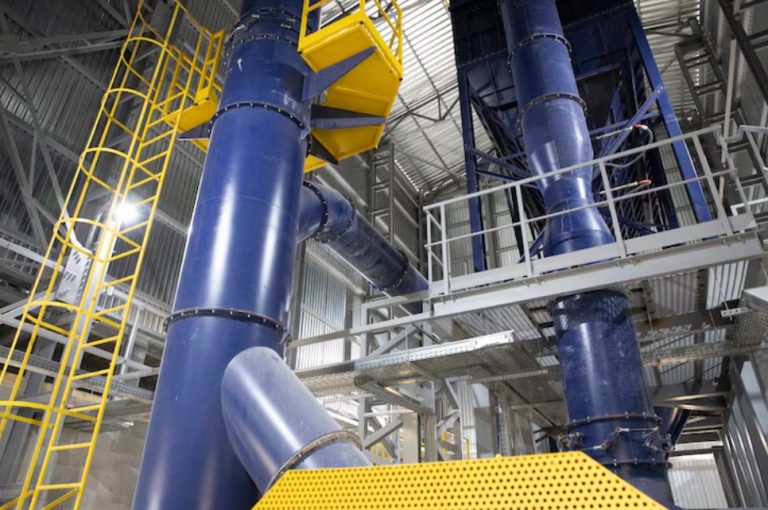
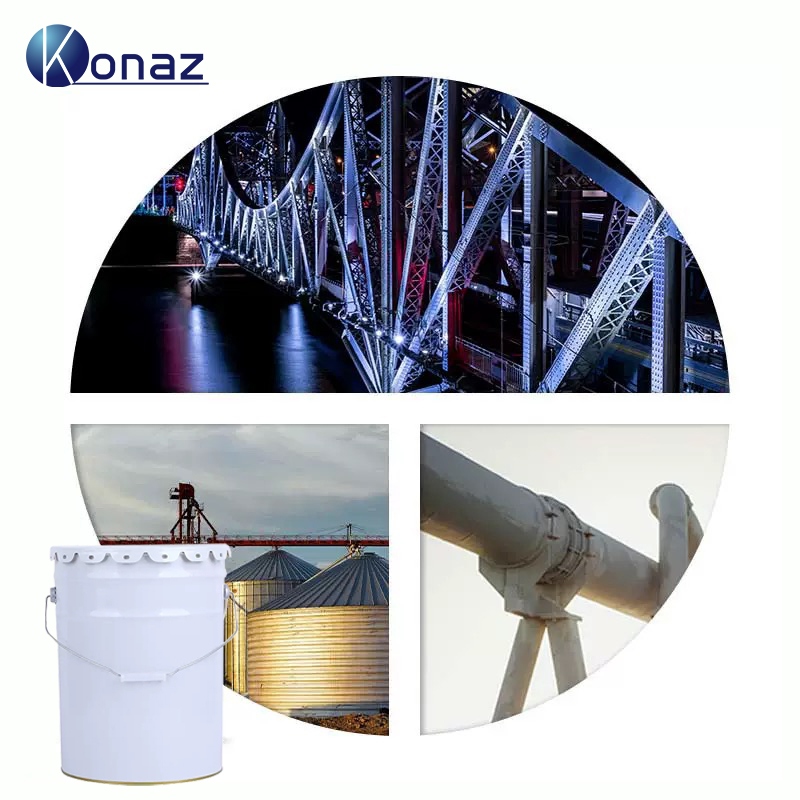
In industrial settings, corrosion causes major maintenance expenses. It also leads to operational delays and possible safety risks. Structural weakening in bridges, storage tanks, or pipelines can result in serious failures. Proper management is essential to avoid these issues. Preventive methods, such as protective coatings, help extend service life. They also cut down on environmental harm by reducing waste from early part replacements.
How Does Metal Paint Act as a Barrier Against Corrosion?
Metal paints are designed coatings that keep metallic bases away from harsh surroundings. Their main job is to build a physical and chemical shield. This shield stops oxygen and water from reaching the metal surface.
The Role of Coating Layers in Preventing Oxidation
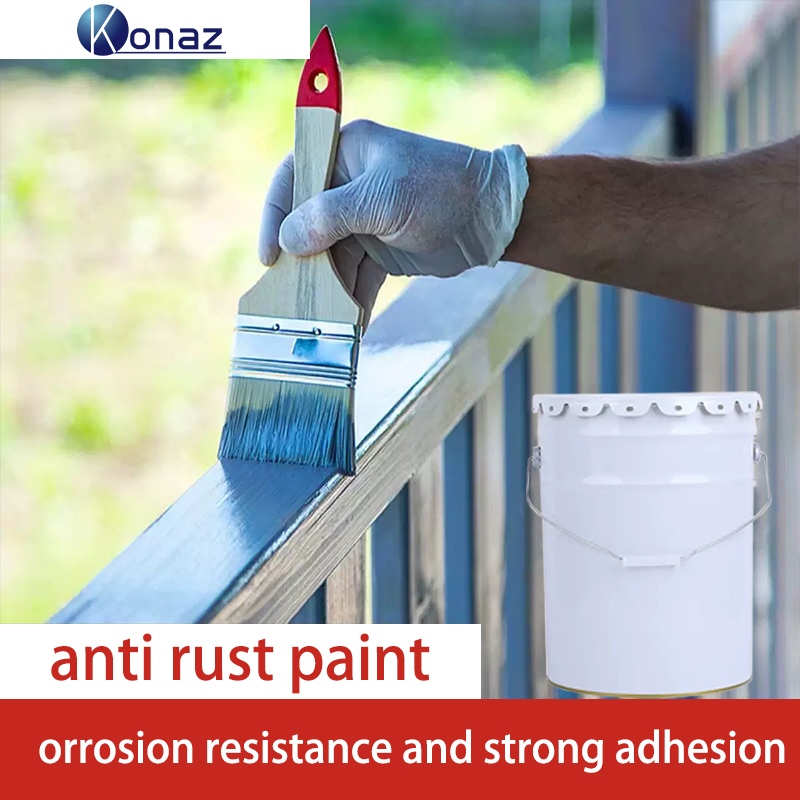
Paint coatings create a steady film that blocks oxygen and moisture from getting through. Systems with multiple layers offer better defense. These include primers, intermediate coats, and topcoats. They add extra layers of protection. Good surface preparation is key for strong adhesion before painting. Contaminants like oil or rust weaken the bond. For this reason, rust removal is vital before applying high-temperature resistant paint. This step is especially important for work on metal surfaces in construction. If rust, oxide scale, or oil remains on the base surface, the bond between the paint film and the base drops a lot. It becomes likely for issues like blistering, peeling, or cracking to occur. Thus, complete cleaning guarantees longer-lasting protection.
Active vs Passive Protection Mechanisms in Paints
Passive protection depends only on barrier features to stop contact between metal and harmful agents. Active systems use inhibitors or metallic pigments like zinc. These elements take part in stopping corrosion. They provide sacrificial protection. Inorganic zinc-rich paint can handle about 400℃. It resists acid and alkali. However, it needs careful handling during application. This includes proper substrate conditions, humidity levels, and paint film thickness. Hybrid coatings mix both approaches. As a result, they offer greater strength in tough industrial situations.
Which Factors Determine the Effectiveness of Anti-Corrosion Paints?
The success of anti-corrosion coatings relies on their chemical makeup, how they are applied, and the conditions they face in the environment.
Influence of Paint Composition on Corrosion Resistance
Resins give flexibility and sticking power. Pigments control color steadiness. Additives improve resistance to chemicals. Epoxy-based paints are common in heavy industries. They stick well to steel structures. Polyurethane topcoats help with UV resistance for outside use. Zinc-rich primers give cathodic protection. They corrode before the steel does. High-temperature resistant paint has a unique formula. It withstands 800℃ environments. Users can rely on it for long periods without fading or color changes. These designs show how custom chemistry balances looks and defense against oxidation.
Environmental Conditions Affecting Coating Durability
The harshness of the surroundings sets how long a coating lasts. High humidity speeds up the creation of electrolytes on surfaces. Air with salt brings chloride ions that break through coatings. Changes in temperature cause stress from expansion and contraction. This can lead to cracks or peeling. Several factors affect how well high-temperature resistant paint sticks. Common ones are if the base surface is clean or has oil, rust, or oxide layers. Another is whether grinding happens before coating. Matching the primer is also key. The temperature and humidity during construction matter too. Finally, enough baking or curing is necessary. Choosing paints suited to specific settings is wise. For instance, marine-grade ones work for coastal areas. Heat-resistant types suit furnaces. This choice ensures steady results over time.
When Should Anti-Rust Paint Be Applied for Maximum Protection?
Timing matters a great deal in getting the best corrosion resistance from painting tasks.
Application During Fabrication or Post-Fabrication Stages
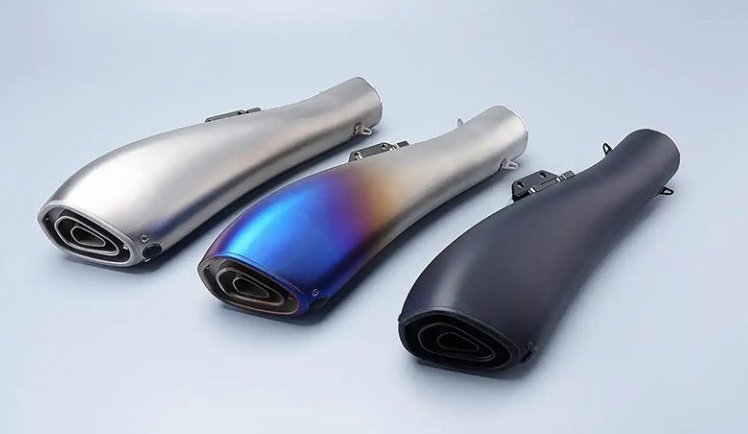
Putting anti-rust paint on right after fabrication stops quick rust from moisture in the air. For parts already in use, painting after installation needs careful surface cleaning first. Then, recoating can happen. For high-temperature gear like exhaust pipes, barbecues, or fireplaces, treat surfaces beforehand. Remove oil and rust, for example, through sandblasting. Pick coatings that match the temperature needs and base type. This preparation leads to even sticking, even in harsh heat.
Maintenance Intervals for Long-Term Protection
Regular checks help spot early signs of coating problems. This prevents major corrosion from growing under the films. How often to recoat varies by exposure level. Marine setups might need more frequent updates than indoor equipment. The type of coating system from the first application also plays a role.
Why Choose Foshan Konaz Technology Co., Ltd as Your Metal Paint Supplier?
Foshan Konaz Technology Co., Ltd provides cutting-edge anti-corrosive options for tough industrial needs around the world. Their focus on research drives efforts to boost coating performance. They use fresh formulas that stand up to physical wear and rough conditions.
Key Advantages Offered by Foshan Konaz Technology Co., Ltd
The firm focuses on epoxy-based primers, polyurethane finishes, and zinc-rich coatings. These are fine-tuned for protecting steel systems. Professional exhaust pipe paint is far from wasteful. Quality versions resist 800℃. They pass 72-hour salt spray tests for rust prevention. Plus, they endure 50 thermal cycles without breaking. This shows their dedication to proven results in extreme setups. On top of that, Konaz offers expert help. This includes advice on preparing surfaces and maintaining coatings after application. Clients get the most out of each use while following green standards. These align with global quality approvals.
Conclusion: Can the Right Metal Paint Truly Stop Corrosion?
No coating can wipe out corrosion forever. That is because of its electrochemical roots. Yet, picking top-quality metal paints slows it down a lot. They build strong shields against environmental threats. Modern mixes of active inhibitors and tough resins stretch service life greatly. This works when applied right in managed settings. Follow preparation steps from pros like Foshan Konaz Technology Co., Ltd for best outcomes.
FAQs About Metal Paints and Corrosion Prevention
1. How does anti-corrosive paint differ from regular metal paint?
Anti-corrosive paints include special pigments or inhibitors. These react with ions to block oxidation. Regular decorative paints do not have these extras. So, they only cover the surface without true corrosion defense.
2. Can damaged paint still protect against corrosion?
When cracks or chips let air and moisture reach bare metal, rust starts fast in those spots. It spreads under the good parts of the film. Quick fixes with matching materials bring back full coverage.
3. What type of metal paint works best for marine environments?
Zinc-rich epoxy primers paired with polyurethane topcoats give great defense against saltwater. Zinc offers cathodic protection through its particles. Polyurethane adds UV steadiness. Together, they suit places like offshore platforms or ship hulls. There, reliable corrosion control is crucial.