Pinholes in heat-resistant coatings stand as a lasting problem in thin film applications. They tend to appear after curing. This causes reduced protection and visual appeal. These small flaws develop from captured air, solvent turning to vapor, or dirt on the surface during application or heat treatment. Each element connects with the coating’s recipe and curing conditions. They shape the film’s wholeness and function.
Air Entrapment During Application
Air entrapment counts as one of the usual reasons for pinholes. Fast spray application might bring tiny air bubbles into the coating layer. This occurs mainly with thick fluids that oppose smooth flow and settling. If the spread layer does not have enough time to let air out before curing, those bubbles stay locked in. Under heat, they swell and form gaps. Not enough air removal from the coating before application blocks gas from leaving too. This worsens the flaw creation. Right stirring and vacuum air removal can cut down this chance greatly. They pull out blended gases from the recipe before the spray step.
Solvent Evaporation and Outgassing
Solvent evaporation holds an important place in film building. If solvents vanish too soon, they build inside pressure differences. These cause small gaps inside the hardened film. Higher curing temperatures speed up solvent leaving in an irregular manner. This brings spot boiling under the surface. Weak airflow in drying keeps easy-to-change parts trapped in the coating framework. Later, during curing, they break free as bubbles. This leads to pinholes that weaken both physical power and looks. Picking solvents wisely and using slow heat increases are key. They help keep steady evaporation paces.
Surface Contamination and Substrate Preparation Issues
Surface dirt acts as another key player in pinhole creation for heat-resistant coatings. Oils, dampness, or dust specks on the base disrupt sticking and spreading actions. Wrong cleaning or fat removal lets dirt stay buried on the surface. This forms local soft spots during curing. There, gases gather and burst out as pinholes. On top of that, poor surface texture blocks even coating distribution. It creates tiny dents that turn into clear flaws after oven heating. Putting in place strict surface ready rules ensures the best base purity and feel. This supports flawless coating attachment. Rules include solvent cleaning, rough sandblasting, or plasma handling.
How Do Process Parameters Influence Pinhole Formation?
Process settings like temperature management, moisture amounts, and film depth directly impact pinhole appearance in thin film coatings. Small shifts in heat cycles can change solvent movements or water uptake speeds. In turn, this sparks flaw production.
The Effect of Temperature and Humidity Control
Changes in temperature strongly affect how solvents evaporate during curing. Quick heat increases might trigger abrupt solvent boiling. This happens instead of steady spread via the film’s outer layer. As a result, bubbles form under the surface coat. They appear as pinholes after the film sets. Too much moisture adds water to the coating base before curing. Once heated, this water changes to gas fast. It breaks the film’s steady flow. Keeping even surrounding conditions guarantees fair drying speeds. It also lowers stress buildup inside the finished layer.
The Role of Film Thickness and Application Technique
The depth of the film decides if trapped gases can leave easily before it hardens. Films that are too slim dry fast. Bubbles cannot move out of the base in time. Layers that are too heavy hold changeable gases far inside. Uneven piling on surfaces creates stress focus areas. Flaws begin there during heat swelling. Fine-tuning spray force, nozzle width, and movement pace gives steady spread with low disturbance. These elements matter most for uniform coatings without pinholes.
What Are Effective Methods to Prevent or Repair Pinholes?
Stopping pinholes calls for a complete plan. It includes recipe planning, accurate application handling, and tuned curing plans fit for heat-resistant setups.
Preventive Measures During Coating Application
Adding bubble-fighting agents or foam reducers that match high-heat recipes helps limit air trapping in mixing and spray tasks. Spreading coatings in several slim layers works better than a single heavy coat. It aids balanced solvent escape. Plus, it provides short breaks in between for gases to fade away on their own. Starting vacuum air removal before application clears blended air from fluid coatings. This proves extra useful with ceramic-packed or metal color setups in heat-resistant covers.
Corrective Techniques for Post-Curing Defects
If pinholes show up after curing, fix actions need to rebuild structure soundness and visual standard. They must not lower work levels. Gentle sanding then adding another coat can close small flaws well. It works by letting new stuff melt into empty parts. Spot fixes with matching filler mixes guarantee full hiding over hit areas. This keeps a smooth look after re-heating. Heating again with managed heat climbs eases leftover stresses further. Without this, they might cause fresh flaws in use under heat.
Why Is Quality Control Critical in Thin-Film Heat Resistant Coatings?
Quality oversight forms the base for making sure thin-film heat resistant coatings hit strict work marks under heat change conditions. It also holds steady sight sameness over made groups.
Inspection Techniques for Detecting Pinholes and Microdefects
Modern check devices allow prompt spotting of tiny flaws hidden from plain sight. Lens-based viewing offers clear views of outer faults after curing. It helps workers label flaw kinds precisely. Static spark checks find gaps that harm block traits. This counts as a vital point for electric block coatings on metal bases facing high heat. Harm-free test ways, like eddy flow checking, look at under-layer gaps without harm to pieces. They provide solid judgment on unseen holes or split dangers in layered systems.
Process Monitoring and Continuous Improvement Strategies
Instant data tracking setups grab process details such as room dampness, oven heat climbs, spray force wavers, and fluid thickness shifts all through making sessions. Number-based process handling tools study these info groups. They uphold steady quality signs over periods. At the same time, they spot off-track points tied to more flaw rates. Building return paths between making groups and research units supports steady bettering. This allows fast tweaks to recipes or process choices against room shifts seen in large making.
How Can Foshan Konaz Technology Co., Ltd Support Thin-Film Coating Applications?
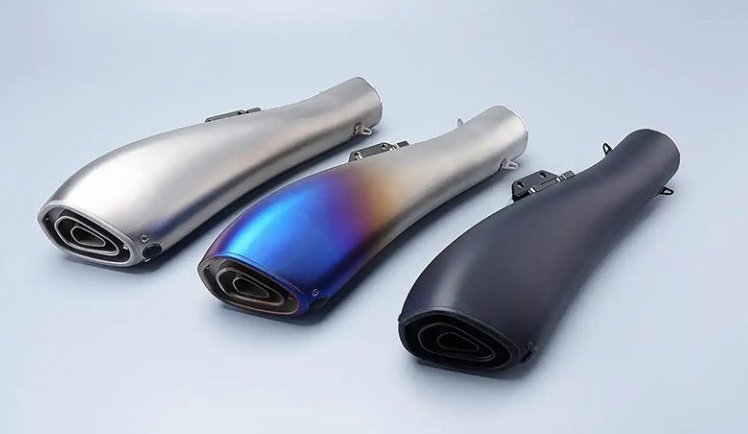
Foshan Konaz Technology Co., Ltd stands out in creating advanced heat-resistant coatings built for work settings that need top lasting power under tough spots. Such spots cover automotive exhaust systems, aerospace pieces, power making tools, and metal working machine parts. The company’s goods range holds ceramic-based recipes crafted for strong sticking, chem firmness, and heat holding up to 1200°C+. Its research-focused method promises ongoing fresh ideas. These aim at improving coating work via better binder makeup and filler spread methods. With a pledge to fresh thinking and tech aid, Konaz helps buyers fine-tune their coating steps. This cuts flaws like pinholes and boosts total work steadiness. Through ties with makers around the world, Foshan Konaz offers not just high-end stuff but also wide process advice help. This runs from base ready tips to after-curing checks. In this way, it guides customers to steady outcomes in varied thin-film uses.
Conclusion
Pinholes pose a many-sided test in heat-resistant coating field. There, recipe evenness meets room handling and task sharpness. By tuning carefully at each phase from base washing to guided curing, producers can lower flaw rates much in thin-film tasks needing high-heat firmness. Teaming up with skilled providers like Foshan Konaz Technology Co., Ltd opens doors to cutting-edge material answers supported by tech skill. This skill proves vital for gaining tough coatings that withstand harsh use settings without losing work wholeness.
FAQs
What are the primary factors responsible for pinhole formation in thin-film coatings?
Pinholes mostly stem from locked air bubbles added in spray tasks, quick solvent turning to vapor that builds inside pressure differences in films, or dirt on base surfaces blocking spread actions during application or heat handling phases.
Can pinholes be completely eliminated through process optimization?
Total removal stays tough from built-in material actions. Yet, close handling of dampness levels paired with slow heat climbs in cure rounds greatly cuts their show-up rate. It does so by steadying vapor release speeds over coated areas.
How does heat resistance affect pinhole behavior during service life?
Strong heat holding steadies polymer or ceramic bases under repeat heat rounds. However, present pinholes could widen if leftover stresses stay unfixed after curing. This stresses the need for correct heat mapping through first oven steps. It assures long-run strong hold in working thin-film setups built for high heat open areas like exhaust pipes or turbine shells.