Anti-rust paint holds a vital spot in today’s building and upgrade work. It works as a shield that covers metal parts against rust and decay. In places where steel or iron bits face water, salt, or factory dirt, putting on anti-rust layers grows key. This keeps the build solid and running smooth for years. Using these layers fits good engineering ways. Those ways aim to lengthen the use time of goods. They also keep safety and follow build rules.
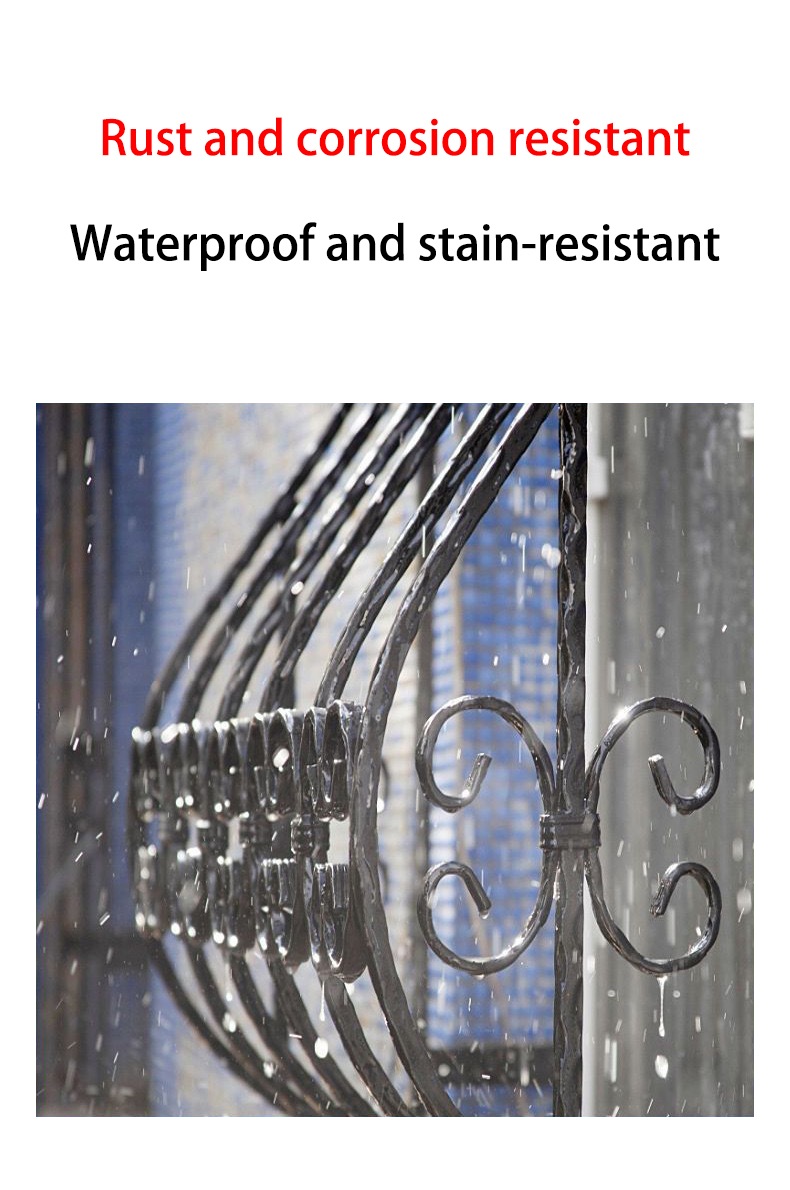
Key Functions of Anti-Rust Paint in Structural Applications
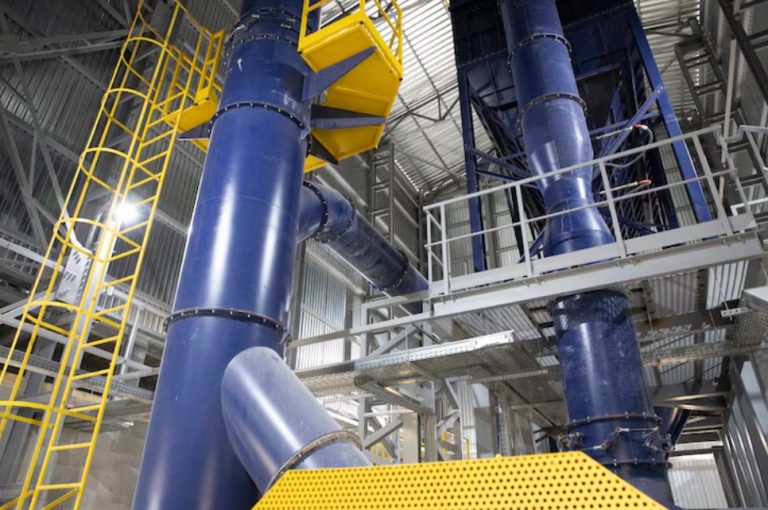
In build tasks, anti-rust paint gives a few guard steps. It stops rust on steel beams, support rods, and metal frames. You see these often in tall builds, bridges, and work sites. The paint makes a tight cover on top. So, it blocks water and air from hitting the metal base. This guard spreads to main setups like pipes and machines. Those face steady tough spots. Plus, anti-rust layers cut down fix times. They do this by lessening decay tied to rust. Thus, it drops work breaks in a build’s use period.
How Anti-Rust Paint Contributes to Project Longevity
The long life of build and upgrade jobs ties right to handling rust well. Rust growing can spark swelling in metal pieces. This makes weak points. They lead to breaks or bends in close concrete or mixed stuff. Engineers use anti-rust paint to cut build wear. They also hold even weight spread over ties and joins. On top, rust-proof layers aid jobs in hitting code needs. Codes stress strength under weather pushes like wetness or chem touch. This way makes sure build parts keep their set strength traits for longer spells.
How Does the Use of Anti-Rust Paint Influence Project Costs?
From a money view, adding anti-rust paint to a job’s plan brings quick costs and later money gains. Top layers might need more start cash than normal paints. But their help in lowering coming fix costs matters a lot. The mix of early spend and full life saves sets the true money worth of forward anti-rust setups.
Initial Investment Versus Long-Term Savings
The first spend takes in getting materials. This usually means epoxy-based or zinc-rich mixes. It covers pro put-on work too. That work locks good stick and full reach. Yet, if put on right, these layers sharply shorten fix loops. They block early break-down of metal builds. As time goes, this turns into less worker pay for checks and new puts. It keeps good worth through longer use time. So, builders face bigger start costs in build or upgrade jobs. Still, they gain from better money back. This comes from fewer work stops.
Factors That Determine Cost Efficiency
A few tech parts shape the money good of anti-rust paint setups. The kind of layer picked shapes work and cost level. Epoxy gives strong stick power. Polyurethane fights UV harm. Face ready stands as another big shaper. Sandblasting or chem clean locks best tie. But it raises worker push. Weather spots join too. In shore areas with high salt or wet air, re-put times can get shorter. This holds unless special mixes get used. So, knowing these parts aids job leads in tuning money plans. They do it without hurting lasting strength.
In What Ways Does Anti-Rust Paint Enhance Construction Quality?
More than money points, anti-rust paint adds much to whole build worth. It guards look charm and solid setup. Good put-on makes sure all metal items in a job hold their aimed strength marks over work years.
The Impact on Structural Integrity and Safety
Rust starts often in hidden spots like weld lines or bolt spots. Water builds up there unseen. By closing these weak points with anti-rust paint, engineers stop secret wear. That wear could hurt weight-carry power over time. Keeping steady push spread over frames boosts full steady under moving weights. Think wind push or earth shakes. Also, builds in shore or work areas gain better toughness against air dirt. That dirt speeds rust ways.
Contribution to Aesthetic and Functional Quality
Besides its guard job, anti-rust paint betters sight view. It gives a neat end that holds off color change or flake. This raises buyer joy. It also makes later fix jobs easier. Coated tops stay flat and simple to look at. For work side, these layers back better clean rule in places like factories or store units. Clean needs count high there.
What Are the Technical Considerations When Selecting Anti-Rust Paint?
Picking a right anti-corrosion setup needs close look at base match, faced spot, hoped life, and blend with other job stuff.
Material Compatibility and Application Techniques
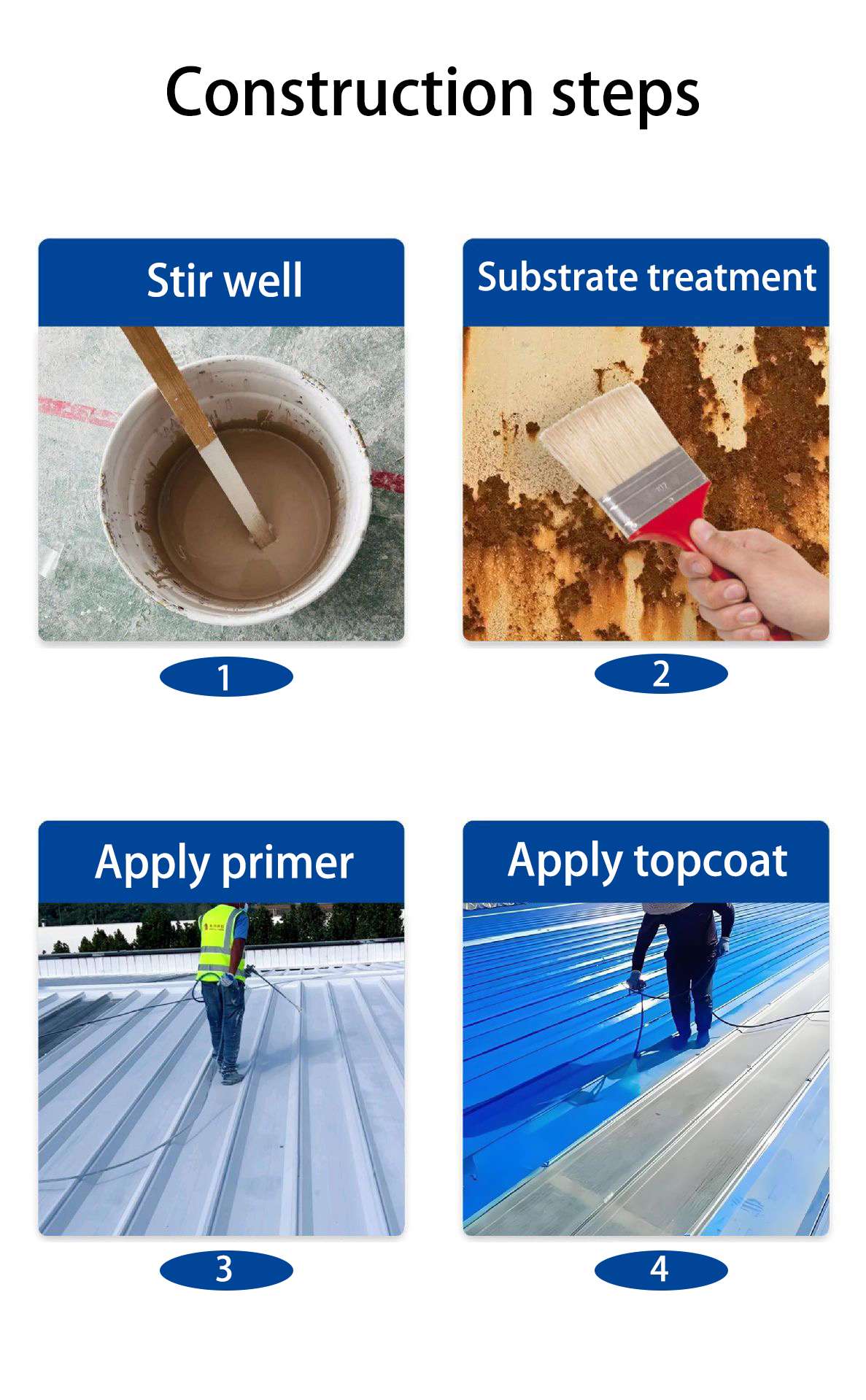
Varied metals call for set base systems. Galvanized steel needs etch primers. Aluminum might take epoxy bases for good stick. Put ways shape layer work. Spray ways lock even sheet thick. But they need set spots to skip extra spray loss. On the other hand, brush puts let exact on small bits. Yet they can bring bumpy layers if not done well. Set time shapes plan speed more. Slow dry can hit next build steps.
Performance Testing and Quality Assurance Measures
To lock sure work, test steps must start before big roll-out. Stick tests check tie power between layers. Salt spray tests copy long face to bad air. They give guess info on layer life under hard spots. Steady checks with sheet thick tools prove even over tops. This locks full match with detail rules from engineering paths.
Why Should Contractors Consider Partnering with Foshan Konaz Technology Co., Ltd for Anti-Rust Solutions?
Foshan Konaz Technology Co., Ltd shows as a field top in forward coating tech. It’s built for strength in many build uses world-wide. Their skill sits in making high-work paints. These mix top rust fight with green lasting rules asked by now’s setup growth.
Highlights of Foshan Konaz Technology Co., Ltd’s Offerings
The firm offers a full set of anti-rust paints. These fit varied bases. Think steel frames in bridges or work plants faced with chem steam. With steady R&D new plans aimed at better stick power and reach speed numbers, Foshan Konaz locks best guard even in rough weather. Builders gain from set tech help groups. They give lead over each step. This runs from good pick tied to job details to site put aid. It locks match with world rules for layer work sure.
How Do Environmental Factors Affect the Performance of Anti-Rust Paint?
Weather pulls stand as one big shaper. They hit how long an anti-rust setup stays good after site put.
Climate Influence on Coating Durability
High wet quickens electric reactions. This leads to quicker rust speeds if water blocks miss in the layer net. In the same way, sun rays wear plastic chains. This brings rough or color loss unless sun-fight adds go in mix plan parts. Heat shifts can spark small cracks. They come from warmth grow no-match between metal bases and layer sheets. So, picking bend resins that take size shifts grows key. This matters when making fixes for areas with wide heat changes over season turns.
Conclusion: Balancing Cost Efficiency with Structural Quality Through Effective Corrosion Control
Mixing anti-rust paint into new build starts and upgrade jobs marks a forward plan. It balances money good with long build trust aims. By taking science-built mixes from trusted makers like Foshan Konaz Technology Co., Ltd., builders hit better rust handle results. They keep money rule over full job lives. In the end, this brings safer setups. These hold up to weather tests without cutting worth marks set by current engineering rules.
FAQs
1. How often should anti-rust paint be reapplied on exposed metal structures?
Reapplication frequency depends on environmental exposure levels; typically every 5–10 years for standard conditions but more frequently in coastal or industrial environments where salt concentration accelerates oxidation processes.
2. Can anti-rust paint be used on previously corroded surfaces?
Yes—provided thorough surface preparation steps such as mechanical rust removal followed by priming are completed before applying new protective layers ensuring proper adhesion performance over treated areas.
3. What factors determine the selection of an appropriate anti-rust paint formulation?
Key determinants include substrate composition (steel vs aluminum), intensity of environmental exposure (marine vs inland), desired service duration between maintenance cycles along with compatibility considerations relative to existing finishes already present within renovation scopes.