Steel rusting is a common electrochemical process. It comes from the mixing of iron, oxygen, and water. The corrosion turns solid iron into its oxide shape, called rust. This slowly harms the build of steel.
The Electrochemical Nature of Corrosion
Steel corrosion starts as anodic and cathodic spots show up on the metal face. At the anode, iron parts drop electrons. They make ferrous ions (Fe²⁺). At the same time, at the cathode, those electrons cut down oxygen with water around. This makes hydroxide ions (OH⁻). Fe²⁺ and OH⁻ join to form wet iron oxides, which is rust. Salts like electrolytes speed this up. They do that by boosting ion flow and electron moves. In sea or salt-melt spots, chloride ions shake up safe oxide layers. This makes corrosion stronger.
Environmental Factors Influencing Rust Formation
Humidity holds the electrolyte film needed for electrochemical actions. When relative humidity tops 60%, it keeps corrosion going steady. Changes in temperature change reaction speeds too. Hotter spots raise spread rates and quicken oxidation. Bad air parts like sulfur dioxide or nitrogen oxides melt into wet to make acids. These acids hit steel faces. In sea places, chloride ions slip into coatings. They break quiet films. But in factory air with sulfur stuff, it causes spot rust and rough spots.
Why Are Anti-Rust Coatings Essential for Steel Protection?
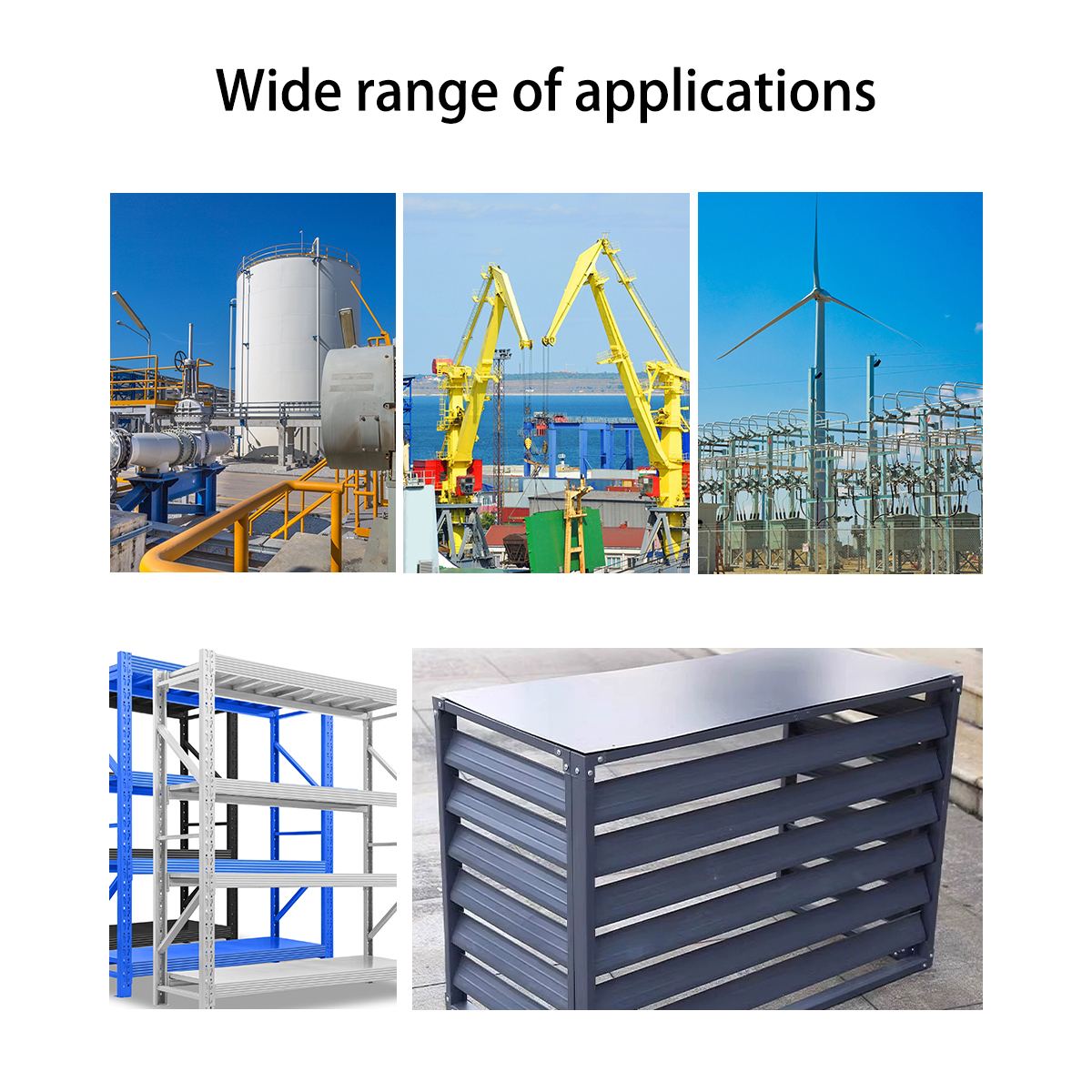
Anti-rust coatings work as a body and chemical wall between steel bases and bad air factors. Putting them on is basic to make service time longer in fields like building, moving goods, power, and making things.
Enhancing Structural Durability
Anti-rust coatings cut steel off from oxygen and wet. So, they block electrochemical actions that begin rust. KONAZ Anti-Rust Paint is built special for metal bases. It gives good stick and long corrosion fight. It holds back wet, salt mist, and oxidation well. This means covered builds keep their strength even in rough air. Less fix work turns into lower costs over time for build owners.
Economic and Environmental Benefits
Making assets last longer with safe coatings cuts use of new materials. It also lessens trash from early part swaps. Also, green coating mixes with low volatile organic compound (VOC) amounts help cut carbon out during making and putting on. Less fix needs cut stop time in work too. That is key for factory work looking for better flow.
How Do Anti-Rust Coatings Work on a Chemical Level?
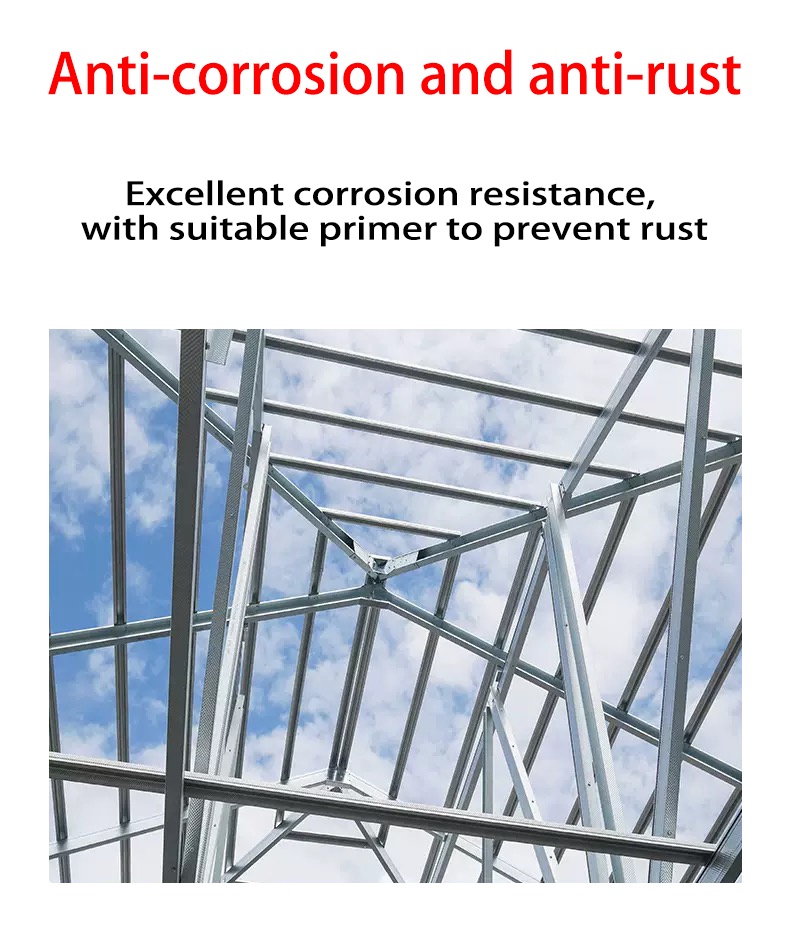
Anti-rust paints do well from their chemical makeup, like resins, pigments, solvents, and adds. These together stop corrosion by body block or electrical ways.
Barrier Protection Mechanisms
Resin frames like epoxy or polyurethane make thick polymer nets. These stop oxygen spread to the metal face. Pigments put in these frames give UV hold to stop light break over time. Stick helpers make sure strong joins between coating levels and steel bases. This holds even under heat shifts or shake stress.
Cathodic Protection Through Active Pigments
Zinc-rich primers serve as give-up layers. Zinc rusts before steel because of its lower electrode potential. Pigments from phosphate make hard complexes at the metal-coating line. These calm active spots. Work-together adds, like silanes or nanoceramics, boost long hold by closing tiny flaws in the film net.
Which Types of Anti-Rust Coatings Are Commonly Applied?
Many anti-rust coating plans are made for what they need to do, air rules, and put-on ways.
Solvent-Based vs Water-Based Systems
Solvent-Based Coatings
Solvent-based mixes give better stick on bumpy or not well-prepped faces. They set fast even in wet air. But they need careful hold because of VOC out.
Water-Based Coatings
Water-based plans are kind to air choices with low VOC make. They let easy clean with water not solvents. They fit inside jobs where air move is small.
Advanced Formulations for Industrial Applications
New anti-rust paints mix hybrid polymer ways for better last.
Epoxy Coatings
Epoxy plans show great chemical hold good for sea stands or chemical work spots. This is from their linked build that cuts wet in.
Polyurethane Coatings
Polyurethane top layers bring bend and UV steady key for outside sets open to sun for long times.
When Should Anti-Rust Paint Be Reapplied?
Fix plans hang on coating kind, how bad the air is, and check results.
Factors Affecting Reapplication Intervals
Steady eye checks find early wear signs before corrosion spreads under coatings.
Exposure Conditions
Shore spots full of chloride mist or factory areas sending sulfur stuff need shorter re-coat times.
Mechanical Damage
Scratches from hold or rub show bare metal spots where local rust can start.
Aging of Coating Film
Long UV hit leads to chalk or tiny crack make that raises let-through over time.
Who Is Foshan Konaz Technology Co., Ltd in the Field of Anti-Rust Paint Supply?
Foshan Konaz Technology Co., Ltd shows as a skilled maker giving special anti-corrosion answers made for heavy work protection jobs world-wide.
Expertise and Product Portfolio
KONAZ Anti-Rust Paint is made special for metal bases. It gives good stick and long corrosion fight. It guards well against wet, salt mist, and oxidation. This makes it fit for steel builds, machine parts, pipes, ships, and off-shore spots. With top items and good help, our goods have gone to world markets. They have got praise and trust from many buyers. The company’s hold to quality check lines up with world marks. At the same time, steady R&D spend pushes new in its coating tech set.
How Can Professionals Optimize Application Procedures for Maximum Effectiveness?
Right face prep makes sure best stick strength. That is a main part in coating last.
Surface Preparation Techniques
Abrasive Blasting
Body blasting takes off mill scale, rust left, oils. It makes sure a clean metal base ready for primer stick.
Chemical Cleaning
Fat-cut agents melt dirt without change to base rough traits key for even film thick spread.
Application Methods
Spray Application
Spray gets steady cover over hard shapes like weld joins or bent faces.
Brush or Roller Application
Hand ways fit local fix tasks where exact touch work is needed without full re-coat work.
What Are Common Challenges in Anti-Rust Coating Performance?
Even new mixes face tech limits under hard work spots. This calls for steady better work from material pros.
Adhesion Failures
Not enough face clean leads to bubbles or peel under repeat stress.
Moisture Penetration Issues
Tiny holes or small flaws let water in. This brings under-film corrosion spread.
Compatibility Concerns Between Layers
Not matching primer-top mixes can block between-coat stick. This cuts whole system last.
Conclusion: Advancing Corrosion Protection Through Scientific Innovation
The change of anti-rust coatings goes on to greener chemical ways mixing nano-tech better walls or smart-out inhibitors able to fix small flaws self. We hold to making material do better and make flow through new in work coatings. This helps our partners lead in quality, cost hold, and air care. As fields ask for longer work lives with small nature hit, new like hybrid polymers will set new marks for steel safe systems world-wide.
FAQs
What distinguishes anti-rust paint from regular paint?
Anti-rust paint puts in active corrosion stoppers that chemical work with steel faces stopping oxidation. Normal paints miss this work skill serving mostly look uses.
Can anti-rust coatings be applied directly over existing rust?
Some direct-to-metal mixes take small face prep. But taking off loose rust makes sure better stick do lengthening safe life.
How does temperature affect curing performance of anti-rust coatings?
Low air temps slow solvent dry rates putting off link reactions in polymer frames. Holding to suggested cure spots makes sure strong film make in line with spec needs.