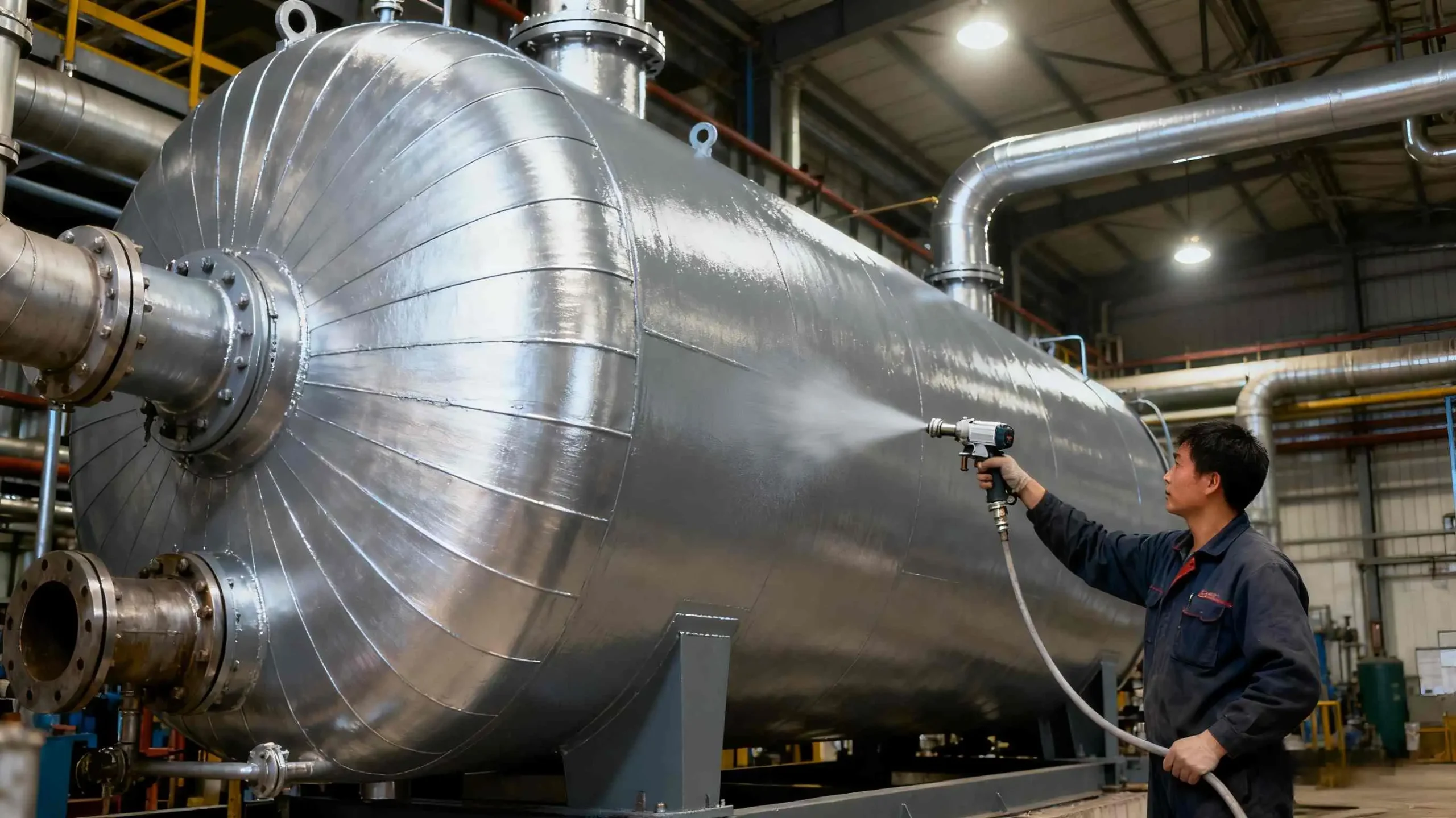
Picture this. You’re firing up the grill for a weekend cookout. But a sudden summer shower rolls in. Water beads up on the metal grates. And you’re left wondering if that fresh coat of paint you applied last month will hold its color. Or will it start flaking like old wallpaper? It’s a common worry for anyone dealing with outdoor gear. Or industrial setups exposed to the elements. High-temperature coatings promise sturdy protection against scorching heat. But what about when humidity creeps in? Can they really stand up to both fire and flood?
In this post, we’ll dig into the nuts and bolts of high-temperature coatings. And their battle with moisture. We’ll look at how quality plays a role. We’ll share some real-life scenarios from folks in the trenches. And we’ll offer practical advice to keep your surfaces looking sharp. If you’re a shop owner tinkering with exhaust systems. Or a homeowner sprucing up a fireplace. Stick around. This could save you from a repaint headache down the line.
What Are High-Temperature Coatings, Anyway?
High-temperature coatings aren’t your run-of-the-mill paint job. These bad boys are engineered for environments where things get seriously hot. Think engines roaring. Or furnaces humming. At their core, they’re often silicone-based formulas. They form a sturdy, flexible barrier on metal surfaces. Why silicone? It bonds like glue under heat. It stays put even when temperatures climb past 200°C.
But let’s not gloss over the basics. These coatings come in various flavors. Some spray on easy for DIYers. Others need a pro’s touch with baking for full cure. The goal? A finish that laughs off thermal expansion. That’s the creaking metal stretch you hear when things heat up. It won’t crack or peel.
Key Ingredients That Make the Magic Happen
Ever wonder what gives these coatings their superpowers? It’s a mix of resins, pigments, and additives. They’re fine-tuned for extremes. Silicone resins handle the heat. Fillers like aluminum flakes boost reflectivity. They shunt away warmth. And here’s a nugget from industry vets. Top-shelf versions often pack in corrosion inhibitors right from the start. Which ties directly into our moisture chat later.
Data backs this up. Coatings rated for 600°C or higher can maintain adhesion through thousands of heat cycles. That’s per ASTM testing standards. It’s not just lab talk. It’s what keeps factory lines running without constant touch-ups.
The Moisture Menace: Why Humidity Hits Hard
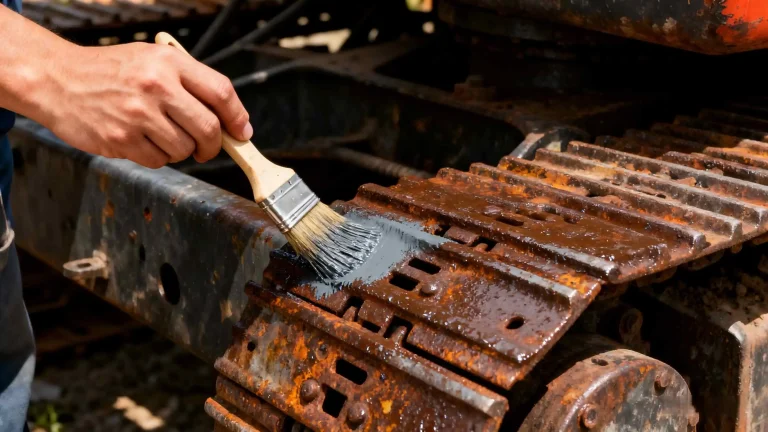
Heat’s one thing. But throw in dampness, and you’ve got a double whammy. Moisture doesn’t just sit pretty. It sneaks into tiny pores. It sparks rust. Or it softens the bond between paint and metal. In humid spots like coastal workshops. Or steamy kitchens. This can turn a sleek black exhaust pipe into a rusty eyesore overnight.
Humidity amps it up, too. At 80% relative humidity, water vapor condenses faster on cooling surfaces. It creates mini-puddles that test any coating’s seals. I’ve seen it firsthand on a buddy’s old truck. After a rainy haul, the undercoating bubbled like it was boiling from the inside. Annoying, right? But it’s a reminder. No coating’s invincible without the right defenses.
How Water Wreaks Havoc on Hot Surfaces
When heat meets wet, expansion and contraction play dirty. A metal grate hits 400°C. Then it cools in the rain. Bam, micro-cracks form. Water slips in. It oxidizes the metal underneath. And boom: discoloration or blistering. Studies from the National Association of Corrosion Engineers peg moisture-related failures at over 30% of coating breakdowns in mixed environments.
Yet, not all hope’s lost. High-quality formulas build in hydrophobic layers. Think water-repelling tech like a duck’s back. They bead up droplets before they penetrate.
Testing the Waters: Can High-Temperature Coatings Really Withstand It?
Alright, the million-dollar question. Do high-temperature coatings hold their own against moisture and humidity? Short answer? Yeah, the good ones do. But it’s all about quality and know-how.
High-quality high-temperature coatings boast reliable water resistance. They won’t shift colors just from a splash. The film stays intact. It shrugs off rain like it’s nothing. Take a well-formulated silicone-based coat. It’s designed to flex without fracturing. It keeps humidity at bay even in muggy conditions.
That said, cut corners on quality, and trouble brews. A subpar mix might lack those key binders. It leaves gaps for water to worm in. Or botch the application. Too thick a layer. Uneven spread. And you’ve got weak spots begging for invasion. The fix? Pick premium stuff. And follow the rules. Clean that surface till it gleams. Spray thin coats. And cure properly. Do that, and you’re golden. No more fretting over faded finishes.
Real talk. In a recent field test by a Midwest manufacturing outfit, premium coatings endured 500 hours of salt-fog exposure. They handled cycling temps up to 500°C without a hitch. Compare that to bargain brands. Those showed pitting after 200 hours. It’s proof that skimping isn’t worth the splash.
Where You’ll See These Coatings Shine in Everyday Use
High-temperature coatings aren’t holed up in labs. They’re out there tackling real jobs. Fireplaces, for starters. Coat the interior bricks or metal surrounds. They handle the blaze without the soot-stain drama. Even if your basement’s got that perpetual damp feel from laundry day.
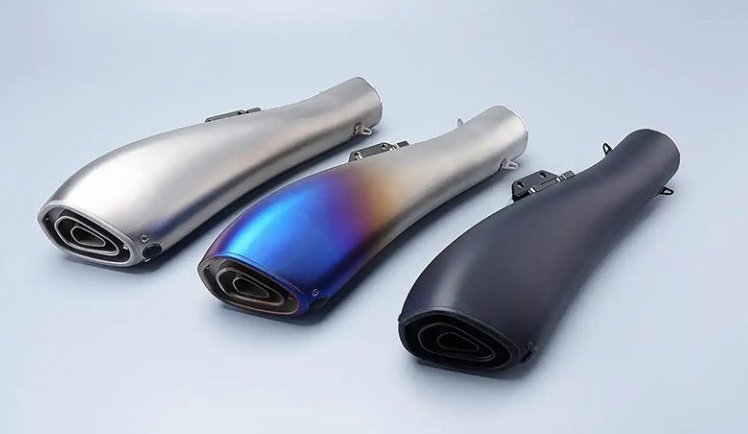
Barbecue grills? Essential. Slather it on the grates and hood. It’ll take the sear of 300°C. Plus backyard downpours. Without rusting out by next season. Exhaust pipes on trucks or bikes get the same treatment. They zip through rain-slicked highways at highway speeds. And stay corrosion-free.
Heaters, stove tops, oven racks. The list goes on for any metal begging for heat shield plus weatherproofing. These spots demand stability from 200°C to 800°C. And solid coatings deliver. They lock in that metallic shine through seasons of abuse.
Quick Rundown of Hot-Spot Applications
Here’s a snapshot to make it stick:
| Application | Typical Temp Range | Moisture Challenge | Coating Win |
|---|---|---|---|
| Fireplace Surrounds | 200-500°C | Basement humidity buildup | No peeling after wet winters |
| BBQ Grills | 300-600°C | Outdoor rain exposure | Color holds through summer storms |
| Exhaust Pipes | 400-800°C | Road spray and condensation | Rust-free for 5+ years |
| Stove Racks | 250-400°C | Kitchen steam | Easy clean, no discoloration |
| Radiators/Heaters | 200-300°C | Indoor damp air | Stable finish, low maintenance |
This table’s pulled from hands-on reports. Nothing fancy. Just what works.
Oh, and a side note. Ever tried touching up an old oven rack mid-renovation? It’s a pain if the old paint’s already flaked. That’s why pros swear by these coatings upfront. It saves the swearing later.
You know, I remember this one time at a backyard bash. The host had just recoated his grill with a decent high-temperature coating. Rain hit hard midway through. But the thing looked brand new the next day. No fuss, no muss. Stories like that make you think twice about cheap fixes.
Smart Ways to Apply for Max Moisture Defense
Getting the most out of high-temperature coatings means more than slapping it on. Start with prep. Sand that metal till it’s baby-smooth. Wipe away grease with a solvent rag. Skip this, and you’re building on sand.
Dilute just right. Usually 10-20% thinner for spray guns. And go light. Two or three thin passes beat one gloppy coat every time. Then cure. Bake at 280°C for 15 minutes if you can. Or let it air-dry 24 hours. Rushing? You’ll regret it when humidity hits.
Pro tip from the field. In high-humidity zones, add a primer coat with extra anti-corrosives. It’s like insurance. Cheap peace of mind. And test a small patch first. Better safe than scraping the whole thing.
Here’s another bit from the shop floor. A mechanic I know skipped the primer once on a bike exhaust. Big mistake. After a few wet rides, spots started showing. He ended up doing it over. Lesson learned the hard way.
Meet Konaz: Crafting Top-Notch High-Temperature Solutions
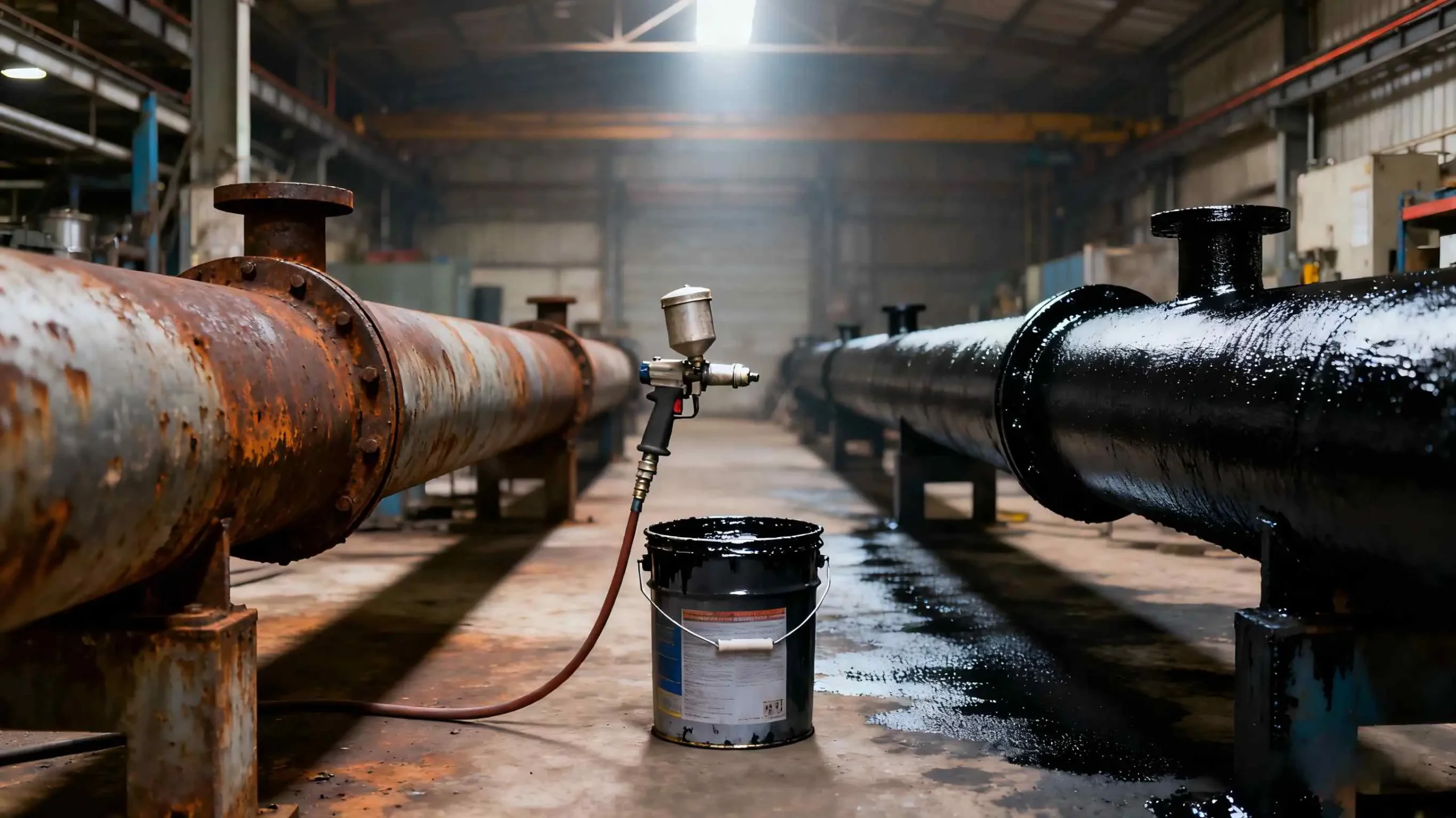
When it comes to reliable high-temperature coatings that don’t flinch at moisture, Konaz stands out as a trusted name in the game. Based in a hub of industrial innovation, Konaz has spent years honing coatings. They blend cutting-edge silicone tech with real-world grit. Their lineup tackles everything from rust-proofing to heat-defying finishes. All aimed at keeping your projects humming without the drama.
What sets them apart? A laser focus on durability. Think formulas that shrug off 800°C blasts. While sealing out humidity like a pro. Whether you’re outfitting a factory line. Or jazzing up home gear. Konaz delivers straightforward, effective products. Backed by solid application know-how. It’s the kind of reliability that turns one-time buyers into repeat fans.
Folks in the industry often chat about how Konaz’s stuff holds up in the wild. Like that coastal plant where humidity’s a beast. Their coatings kept things tight, no questions asked.
Wrapping It Up: Heat, Wet, and Winning
So, can high-temperature coatings withstand moisture and humidity? Absolutely. When you go with the right stuff. And apply it smart. From grilling in the rain. To firing up a forge in a steamy shop. These coatings bridge the gap between blistering heat and sneaky dampness. They keep things stable and sharp. Next time you’re eyeing a project, remember this. It’s not just about beating the heat. It’s about outlasting the wet, too. Give it a shot. And watch your setups thank you.
It’s funny how these little details add up. You start with a simple coat job. End up with gear that lasts forever. Or close enough, anyway.
Frequently Asked Questions
Are high-temperature coatings reliable for outdoor use where moisture and humidity are constant?
Yep, the best ones are built for it. Quality high-temperature coatings form a water-repelling barrier. It keeps humidity from sneaking in. Even on exposed spots like grills or pipes. Just ensure proper prep. And they’ll hold steady through wet seasons.
What happens if high-temperature coatings get exposed to water right after application?
If it’s a top-grade formula, not much. Dried coats resist color shifts from splashes. But fresh applications need curing time. Rushing it in damp conditions could lead to defects. Wait that 24 hours. And you’re good.
How do I know if my high-temperature coating can handle both extreme heat and high humidity?
Look for specs on water resistance alongside temp ratings. Aim for 200-800°C with proven humidity tests. Brands like those from Konaz spell it out. So you avoid guesswork.
Can poor application make high-temperature coatings fail against moisture?
Spot on. Uneven layers or dirty surfaces create weak points. Water can invade those. Causing issues down the line. Stick to thin coats and clean work. And they’ll withstand moisture and humidity like champs.
What’s a quick fix for discoloration on high-temperature coated surfaces from humidity?
First, dry it out and assess. Often, it’s fixable with a light sand and recoat. But prevention’s easier. Choose coatings with strong seals. And you’ll sidestep the hassle altogether.