Ceramic coatings show impressive heat resistance thanks to their special structural and makeup features. These coatings handle tough thermal settings without breaking down. This makes them vital in top-notch industries.

Composition and Structural Properties
The crystal setup of ceramic materials plays a big role in their heat steadiness. Oxides like alumina (Al₂O₃) and zirconia (ZrO₂) have very high melting points. As a result, they keep their shape under very hot conditions. Their grid-like structures block atom movement. This stops warping or softening even in strong heat.
Plus, ceramics naturally have low heat flow. This trait cuts down heat spread to the base material underneath. It shields key parts from heat-caused harm well. Strong ionic links and steady crystal setups give both solid strength and heat toughness.
Great heat resistance: They can handle temperatures up to 800°C or more for a long period. There is no peeling or powdering of the coating. Performance stays steady over time. This strong lasting power comes from the chemical steadiness of ceramic mixes. They fight off oxidation and corrosion. Also, color steadiness and no peeling: The coating keeps its color stable in high heat. It has firm grip and ignores heat growth and shrinking.
Mechanisms of Thermal Protection
The guarding way of ceramic coatings comes from their skill in serving as a solid wall. This wall bounces back glowing energy. At the same time, it spreads out taken-in heat evenly over the top. The close-knit tiny structure of these coatings lowers oxygen passage. Thus, it cuts down oxidation at high heat levels.
On top of that, ceramics get designed for heat growth match with metal bases. This stops splits or layers coming off during repeated warm-up and cool-down rounds. Oxidation resistance and corrosion resistance: It stops metal surface rust and wear in hot settings well. This stretches the working life of gear. So, ceramic coatings give not just shielding but also chemical steadiness in rough spots.
How Do Heat-Resistant Ceramic Coatings Perform in Various Applications?
Ceramic coatings find use in many fields. In these areas, dealing with very hot conditions matters a lot for safety and smooth running. Their power to guard against oxidation, wear, and corrosion boosts part lifespan in hard working setups.
Automotive and Aerospace Uses
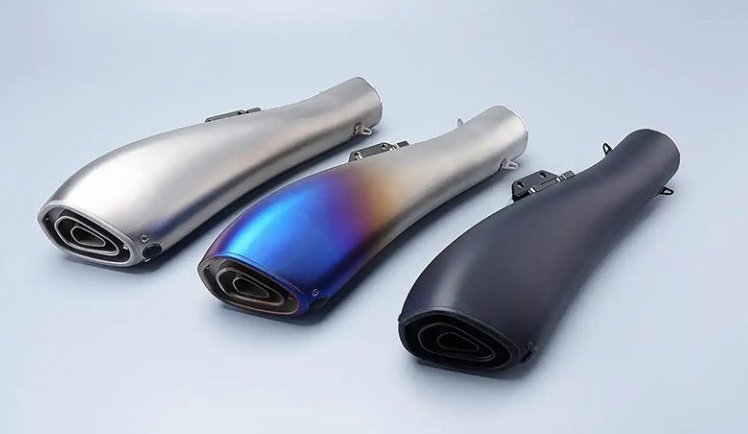
In car design, ceramic coatings go on exhaust systems, pistons, turbochargers, and manifolds. They face very hot exposure there. These coatings cut down heat wear by keeping even surface heat. In aerospace jobs, turbine blades with ceramic covers handle burning gases over 1000°C. Yet, they hold their build strength.
Automobile industry: They protect surfaces of parts like exhaust pipes, engine pieces, and heat exchangers in cars. This ensures those parts work long in hot spots without harm. These coatings boost fuel use by cutting heat waste in burning setups. At the same time, they raise running trust.
Industrial Equipment Protection
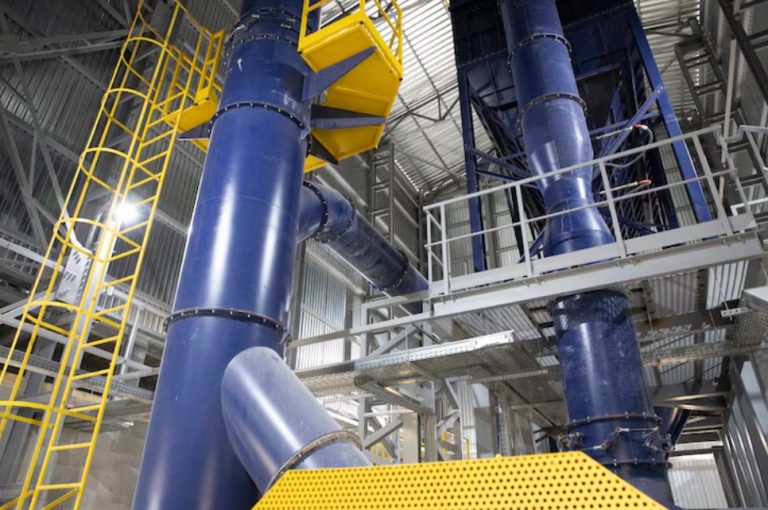
Factory work often means steady face to high heat that can harm metal tops. Ceramic coatings act as guard layers on furnaces, reactors, boilers, chimneys, pipelines, and incinerators. Industrial high-temperature equipment: They fit boilers, chimneys, pipelines, incinerators, and more. This stops rust and harm from high heat.
Their chemical non-reaction makes sure they stand up to bad gases or melted wastes in work steps. By keeping top wholeness over long use times, these coatings drop upkeep costs and stop times a lot.
Electronics and Energy Sectors
In electronics making and energy output setups like gas turbines or solar receivers, ceramic coatings work as heat stress blocks. They stop over-warming of fine circuits or heat-carrying parts. Plus, they better energy use.
Energy and power industry: They coat high-heat pipelines and gear in nuclear power plants, chemical plants, and thermal power plants. This keeps safe running. Their use makes sure system trust under changing heat states common in power making spots.

Why Choose Ceramic Coating for Heat Management Solutions?
Besides their main trait of heat resistance, ceramic coatings bring many-sided gains. These boost work output across fields.
Durability and Longevity Advantages
Ceramic coatings stand out for their toughness against wear, oxidation, and chemical break-down. This holds true even after long face to strong conditions. High-temperature resistant coatings offer five key advantages: 1) Easy application and long service life; 2) Excellent weather resistance, adapting to various climates; 3) Withstands 200–800°C; 4) High coating efficiency and cost-effectiveness; 5) Strong impermeability, resisting peeling or chalking.
Their even surface cut reduces rub between moving bits. It also keeps machine exactness. This feature lessens energy loss from pull or scrape. So, parts with ceramic covers get longer check times even under heavy work loads.
Environmental and Economic Benefits
Ceramic-based fixes help good aims for green living. They do this by besting energy use through top-notch shielding traits. Less energy need means fewer releases during factory steps.
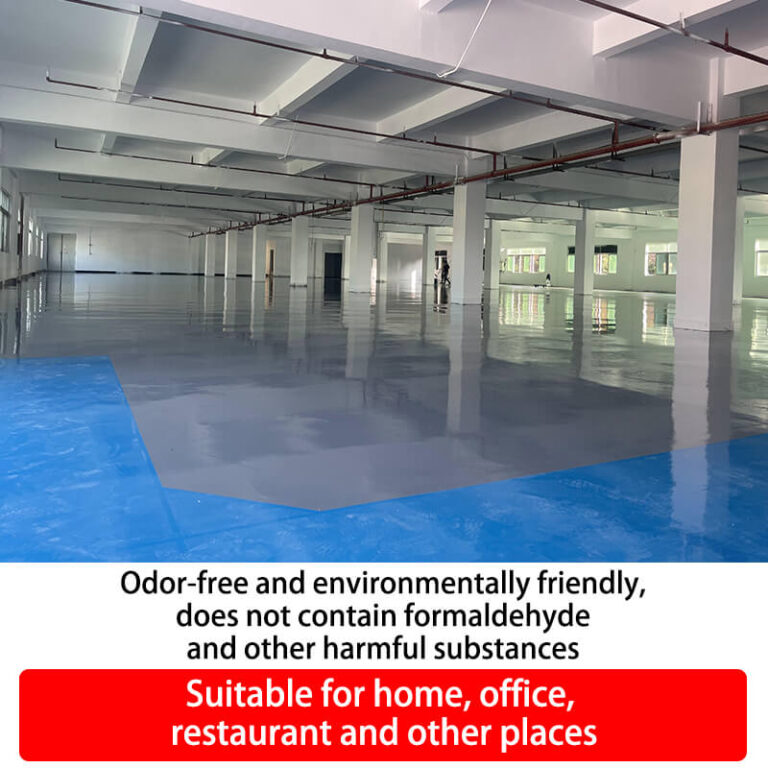
Low-VOC environmentally friendly formula: Complies with global environmental protection standards, is safe and reliable, and is suitable for markets and fields with high environmental protection requirements. Also, since these coatings stretch part life a great deal, they need fewer swaps. This cuts waste build-up over time.
How Does Foshan Konaz Technology Co., Ltd Support Reliable Heat Resistant Coating Solutions?
Foshan Konaz Technology Co., Ltd shines as a top player. It focuses on advanced ceramic coating tech made for very hot use in car making lines to big factory machine work.
Key Strengths of Foshan Konaz Technology Co., Ltd
The firm’s know-how sits in making mixes that hold steady at high heat. They do this without losing grip power or looks appeal. konaz’s silicone high-temperature resistant coating remains stable at 800°C. It fights peeling and chalking. This gives long guard for exhaust pipes, stove burners, fireplaces, and gold melting buckets.
Its goods show fine decor traits mixed with work toughness. They suit both factory-level machine parts and home tools faced to steady heat rounds. konaz high-temperature resistant coating is suitable for various metal surfaces requiring high-temperature protection, with a smooth paint film that is easy to clean and has good decorative properties.
By sticking tight to quality check rules through new test ways, the firm covers grip strength check under repeat heat. It makes sure steady good trust worldwide.
What Future Developments Are Expected in Ceramic Heat Resistance Technology?
Ongoing study in material know-how looks to better the work specs of ceramic coatings past now limits. It uses tiny-tech mix-in and mixed build plans.
Emerging Trends in Material Science
Tiny-structured ceramics get made to better heat shock hold by fine-tuning grain edges at small views. Such new ideas let better crack spread fight under quick heat changes.
More steps ahead include mixing ceramics into mixed bases. These join metal toughness with oxide-based shield skill. The result is many-job guard setups tuned for next-gen aerospace motors or green energy changers. Better plasma-spray put-on ways now let even layer build. This makes sure stronger grip between base joins. It leads to more lasting during long work life rounds.
Conclusion: The Continuing Evolution of Ceramic Heat Resistance Solutions
Ceramic coating tech keeps growing as fields call for better smooth running from stuff faced to bad heat strains. From car exhaust setups to power plant turbines, these advanced tops give lasting guard. They also back world green plans through cut energy use.
FAQs
1. What temperature range can typical ceramic coatings withstand?
Most industrial-grade ceramic coatings tolerate continuous exposure between 800°C to 1600°C depending on formulation composition; The temperature resistance range of heat-resistant coating depends on its formula and use, generally withstanding 200℃ to 800℃.
2. Can ceramic coatings be applied to all metal surfaces?
They can be applied effectively on steel alloys or aluminum substrates provided proper surface preparation ensures optimal adhesion performance before large-scale deployment tests are conducted.
3. How often should ceramic-coated components be inspected or maintained?
Inspection frequency varies based on operating intensity; however periodic evaluations every six months help detect early delamination signs ensuring continued operational reliability throughout service duration.