High temperature coatings are designed to shield materials from intense heat, oxidation, and corrosion in tough industrial settings. These coatings play a crucial role in areas like aerospace, automotive, metallurgy, and energy. There, parts face ongoing or repeated thermal stress. Heat-resistant coatings are protective layers made especially for hot environments. They keep their physical and chemical traits under very high temperatures. Plus, they stop the base material from getting damaged.
Key Functions of High Temperature Coatings
Their main jobs include offering thermal insulation to cut down heat transfer. They also fight oxidation at high temperatures. And they hold up structural strength under repeated thermal changes. Strong thermal resistance: These can handle temperatures up to 800°C or more for a long period. The coating won’t peel or powder. Its performance stays steady over time. Such features make sure that coated gear keeps working well. It avoids breakdown or loss of grip.
Categories of High Temperature Coatings
Ceramic-based coatings give great thermal stability and oxidation resistance. They fit well for turbines and exhaust systems.
Metallic coatings offer barrier protection with solid adhesion against harmful gases or melted metals.
Polymer-based coatings mix flexibility with fair heat resistance. They work for special uses like electrical insulation or bendable parts.
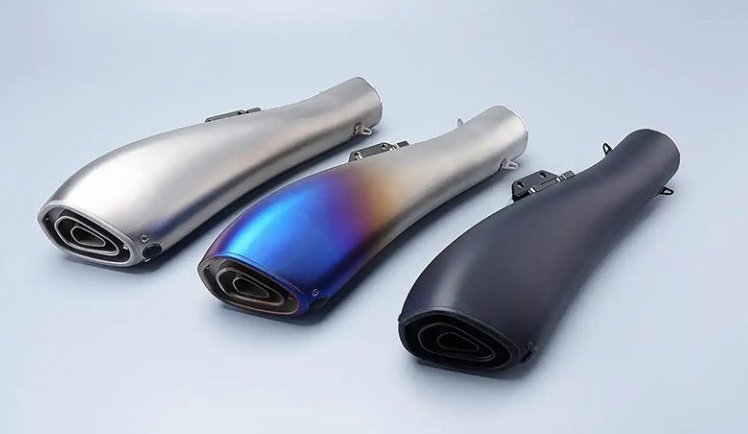
High-temperature resistant paint is a unique coating with good heat resistance. It can handle settings up to 800°C without breaking, peeling, or losing its steady look. People use it a lot on metal surfaces that need high-temperature safety. For instance, it covers automobile exhaust pipes, fireplaces, barbecues, and gold melting buckets. It gives both safety and nice appearance effects.
Which Polymer Coatings Show Good Performance in High Temperature Environments?
Polymer-based high temperature coatings have grown through better material design. They now provide strong mechanical toughness and chemical lasting power.
Silicone-Based Polymer Coatings
Silicone polymers stand out because of their Si–O backbone structure. This gives them great thermal stability. These mixes keep their stretch up to 250–300°C in steady use. They also offer water-repelling traits and resistance to weather wear. High-temperature resistant coatings do well in guarding metal materials under high heat. konaz’s silicone high-temperature resistant paint sees wide use in exhaust pipes, stoves, and gold melting buckets. It brings corrosion resistance, heat resistance, and good looks. Their skill to handle both oxygen-rich conditions and UV light makes them perfect for automotive exhaust systems and factory ovens.
Polyimide Coatings for Extreme Thermal Conditions
Polyimides keep their shape at temperatures near 400°C. At the same time, they hold onto mechanical power. Experts use them a lot in aerospace parts because of their electrical stability. They also show low gas release in vacuum setups.
Fluoropolymer-Based Heat Resistant Coatings
Fluoropolymers such as PTFE and PFA create non-stick surfaces with chemical resistance up to about 260°C. This depends on how they are made. Their low surface energy fights dirt from acids or solvents. So, they suit cookware or linings in chemical processes.
How Do Performance Issues Arise in High Temperature Applications?
Even top polymer systems face wear when exposed to long heat cycles. This happens due to detailed physical and chemical changes inside the coating layer.
Thermal Degradation Mechanisms
Going past set limits causes polymer chains to break or oxidation to start. These issues weaken flexibility. Additives may evaporate too. As a result, the surface might crack or peel over time.
Adhesion Challenges Under Thermal Cycling
Different growth rates between the base and coating create stress at the join during heat-up and cool-down cycles. This can lead to tiny cracks or pieces flaking off. Good surface prep methods, like grit blasting, boost bond strength.
Color stability and non-peeling: It keeps the coating color steady under high heat. The layer sticks well and ignores thermal growth and shrink.
Oxidation and Corrosion at Elevated Temperatures
At high heat, oxygen seeps through the coating layers. This starts metal oxide buildup under the surface. Oxidation resistance and corrosion resistance: It stops metal surface oxidation and corrosion in hot settings well. This lengthens how long equipment lasts. Adding ceramic fillers or anti-oxidant colors helps block these oxygen paths.
What Are the Key Factors When Selecting Heat Resistant Coatings for Industrial Use?
Choosing the right heat resistant coatings means checking several tech details. These include heat tolerance limits, fit with the base material, exposure to surroundings, ability to handle mechanical strain, and balance of cost and output.
Considerations for Material Compatibility and Operating Conditions
Matching thermal expansion rates (CTE) between coating stuff and base cuts stress at the join during work. Surface prep steps—like chemical roughening—improve grip over many cycles.
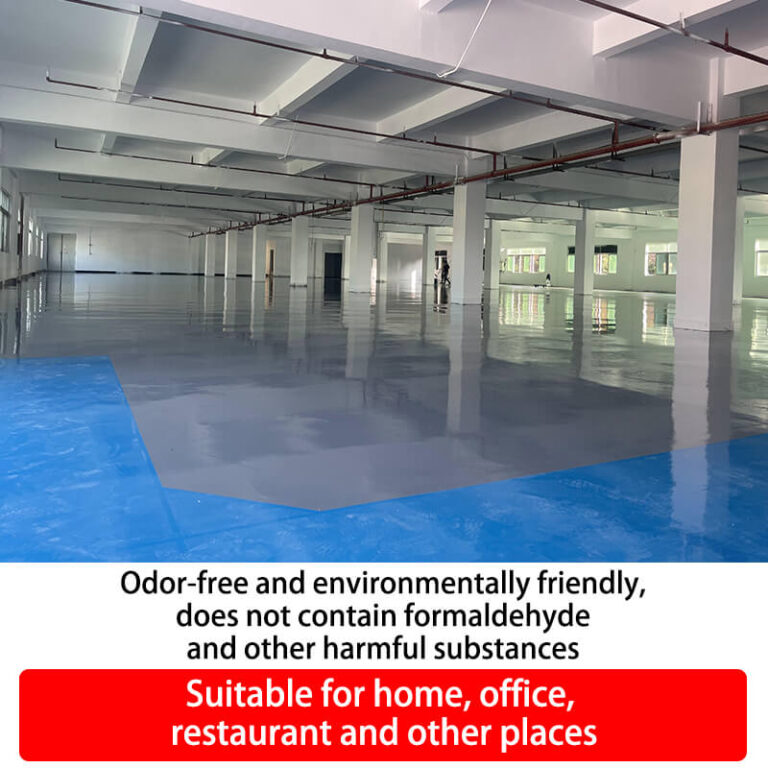
Low-VOC environmentally friendly formula: It meets world eco standards. It’s safe and dependable. Plus, it fits markets and areas with strict eco rules.
Evaluation of Environmental Resistance Requirements
Heat isn’t the only thing. Changes in wetness or UV light affect long-term work. Mixes made for both oxygen and corrosion harm—like in ovens—give longer reliable runs.
The future path for heat-resistant coatings will stress eco-friendliness, energy saving, and better output. As new material tech moves forward, coating heat limits will rise more. Their use areas will widen too.
How Does Foshan Konaz Technology Co., Ltd Support Reliable High Temperature Protection Solutions?
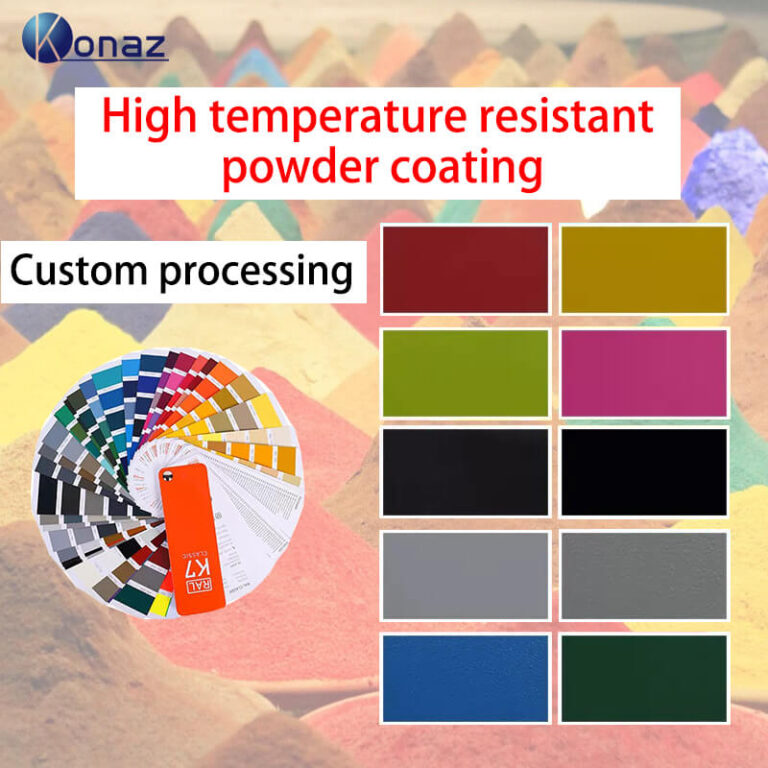
Foshan Konaz Technology Co., Ltd offers custom fixes for business clients who need lasting high temperature coatings in different fields. Their range includes silicone-changed polymers that can take steady heat up to 800°C without breaking down. They keep strong grip on metal bases. High-temperature resistant coatings are built for hot places. They stay stable at hundreds or even thousands of degrees without peeling, changing color, or turning chalky. For example, metal pieces like exhaust pipes, fireplaces, and stove burners stay hot for long times. Normal paint can’t deal with that. But silicone high-temperature resistant paint from konaz can handle 200℃~800℃ heat for long. It has strong grip, fights corrosion, stops rust, and lasts a long time.
Their ceramic-boosted mixed systems blend non-organic toughness with polymer bend. This gives better resistance to cracks during quick heat-cool shifts common in metal work. These fixes match world trends that push for green ways. They use low-VOC mixes that follow global eco rules.
How Can Long-Term Performance Be Improved Through Maintenance Strategies?
Regular upkeep makes sure protective layers stay useful over their full life. It spots early wear signs before big failures happen.
Recommended Maintenance Practices
Set routine check times based on work hours. Watch for color changes that show surface oxidation or start of tiny cracks. Reapply on schedules from the maker. This keeps even thickness on open areas. For parts stored away, keep them in controlled wetness to cut risks from water damage.
High-temperature resistant coatings bring five main benefits: 1) Simple to apply and long-lasting; 2) Great resistance to weather, fitting many climates; 3) Handles 200–800°C; 4) High spread efficiency and good value; 5) Strong seal against water, fighting peel or chalk.
High temperature polymer coatings serve as key shields. They guard industrial items from corrosion wear caused by mixed heat and oxygen stress. This happens across many fields. It includes automotive exhaust control and power plant setups.
FAQs
What distinguishes polymer-based high temperature coatings from ceramic alternatives?
Polymer-based systems give more bend during use. But they often have lower top heat limits than ceramics. Ceramics show better heat endurance. Yet, they can be more brittle.
How can adhesion failures be minimized during cyclic heating operations?
Clean the surface first. Then pick primers that match both base chemistry and coating makeup. This cuts stress buildup at the join from different growth rates in repeated heat-cool cycles.
What temperature range can silicone-based high temperature coatings typically withstand?
Silicone-based mixes keep their shape between 250°C–300°C in steady use. Short bursts may go a bit higher. This relies on how additives are tuned in the mix design.