Warehouses and distribution centers constantly manage surface wear resulting from repeated forklift travel, pallet jack operations, and steady pallet relocation. Bare concrete generates fine dust particles with each wheel contact, accumulating on packages, obscuring barcodes, and compromising efficiency in manual scans as well as automated recognition systems. Oils from equipment leaks, battery electrolyte, hydraulic fluid, and condensation in temperature-controlled zones or from ambient moisture absorb into the porous material, producing dark ingrained stains that collect further debris and substantially elevate slip risks along primary circulation paths. Maintenance personnel typically execute several dry sweeps or wet scrubs during a shift, followed by wax applications or surface sealers that deteriorate swiftly under load and demand complete stripping and re-coating every few months. These persistent routines compile considerable labor hours, chemical expenses, costs for scrubber replacements, and direct output reductions when zones are isolated for drying, patching, or comprehensive refinishing.
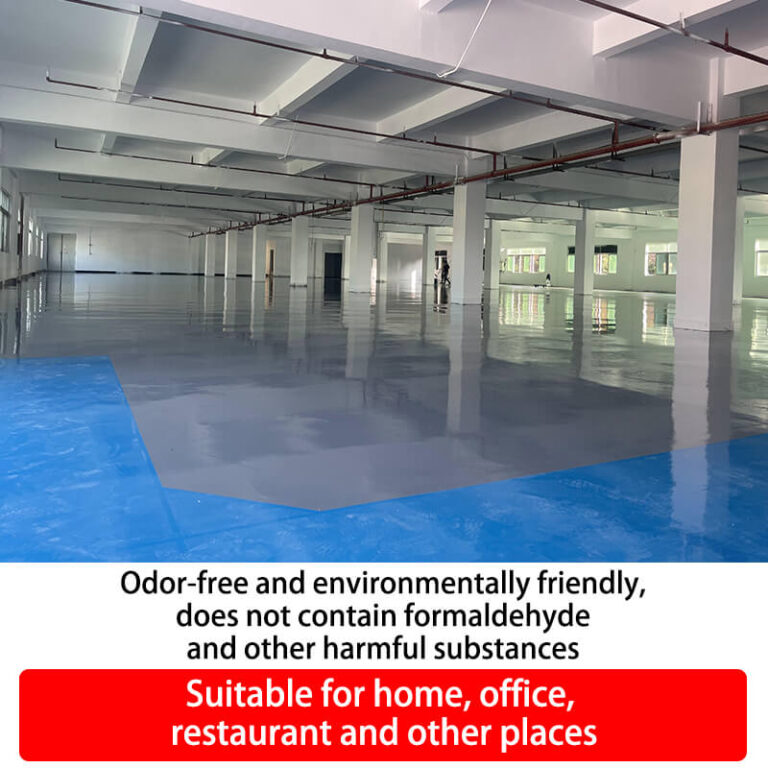
Epoxy floor paint effectively shifts this maintenance paradigm. The resin-hardener mixture solidifies into a dense, interconnected film that adheres robustly to suitably prepared concrete, establishing a non-porous, seamless protective layer that restrains dust, resists liquid and oil infiltration, and endures regular heavy rolling pressures without hastened degradation. Facilities integrating this solution commonly report cleaner stock, more accurate label identification, substantially accelerated spill remediation, and a notable decline in standard maintenance obligations. These developments directly contribute to diminished annual operational expenditures, rendering epoxy floor paint a practical, frequently employed alternative for warehouse and logistics overseers charged with cost oversight in high-output, narrow-margin frameworks.
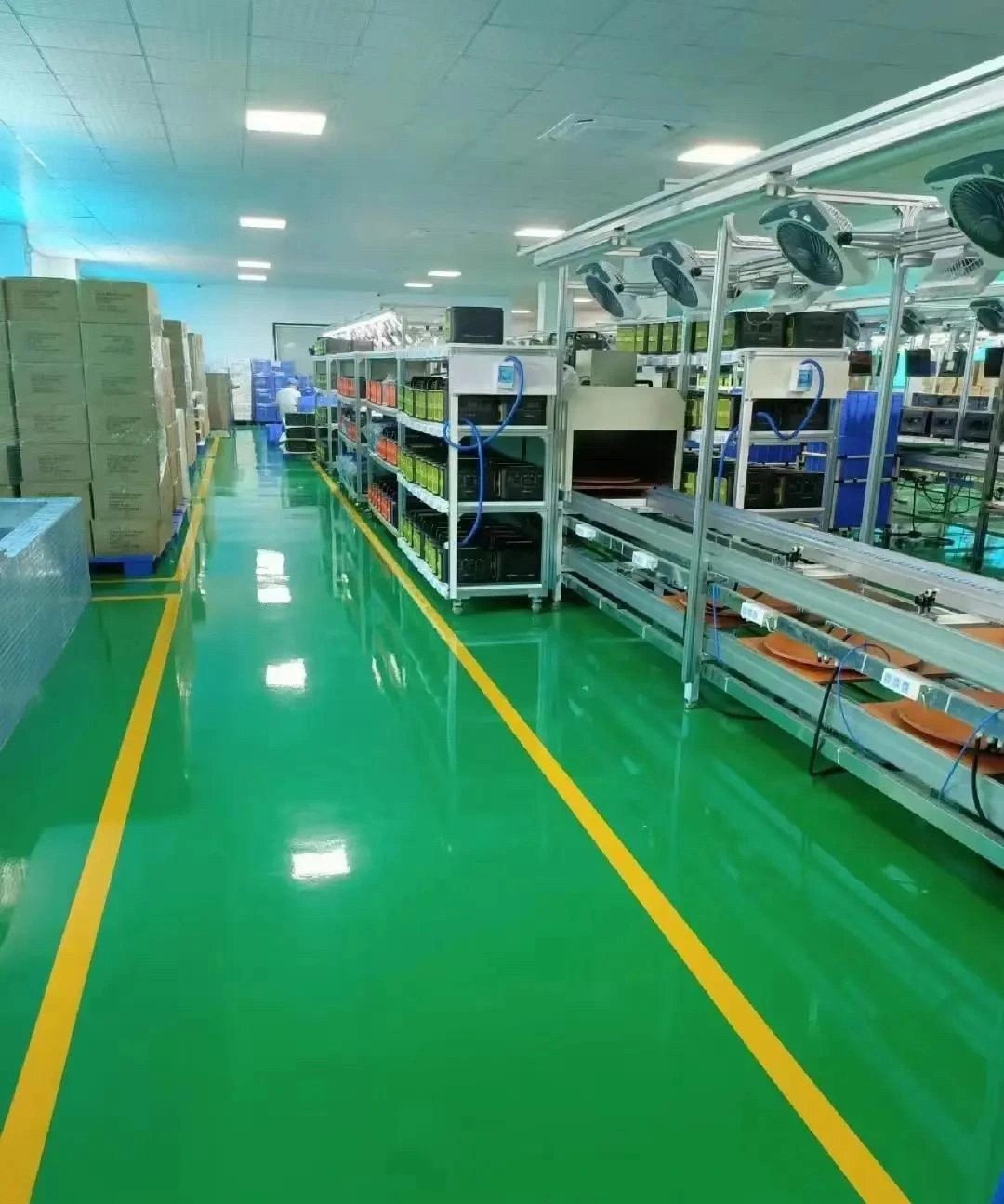
Why Bare Concrete Floors Turn into Ongoing Expense Generators
New concrete provides a solid, level foundation, but ongoing exposure to operational demands rapidly uncovers its vulnerabilities. Forklift tires and pallet jack casters consistently abrade the exterior, liberating microscopic dust that deposits across shelving tiers, ground staging locations, and conveyor paths. In high-throughput distribution facilities processing vast SKU quantities, this dust buildup conceals crucial indicators, delays order compilation, heightens incorrect dispatches, and at times affects automated categorization or scanning apparatus. Airborne elements similarly recirculate through ventilation arrangements, exacerbating airway discomfort, employee reports, and unforeseen absences in closely staffed selection and packaging areas.
Safety outlays represent an additional fiscal strain. Minor releases—oils, battery compounds, water from ceiling condensation or rinsing—create hazardous layers that increase accident frequencies, workers’ compensation requests, and insurance cost hikes. Conventional strategies encompass repeated manual sweeping, ongoing scrubbing with strong detergents, and provisional wax or polymer sealers. These deliver only fleeting dust restraint and degrade promptly under incessant traffic, requiring total eradication and reestablishment every 3–6 months in usual scenarios. Each iteration utilizes staff time, specific resources, and enforces goods rerouting or momentary segment closures, leading to shipment lags, added overtime, or hastened processing that amplifies error likelihoods.
Operational data from mid-sized warehouses (50,000–150,000 square feet) invariably demonstrates untreated concrete calling for 40–60 hours of monthly cleaning labor, distinct from immediate spill addressing, urgent purification, or timetabled thorough servicing. Including secondary factors—resources, machinery deterioration, and sacrificed productivity—these practices gradually contract operational margins.
How Epoxy Floor Paint Delivers Superior Surface Performance
Epoxy floor paint solidifies via a managed interplay between epoxy resin and curing agent, creating a sturdy, linked polymer structure that forms mechanical hold and chemical integration with the treated base. The final layer removes open cavities, blocking dust embedding and impeding fluid ingress. Regular electric sweepers, foot-operated scrubbers, or vehicle-mounted auto-scrubbers dislodge remnants in optimized single sweeps instead of the recurrent overlapping actions needed on uncoated concrete. Potent chemical tolerance enables prompt elimination of standard warehouse impurities—acids, alkalines, oils, greases—utilizing soft or equilibrated detergents rather than corrosive extractors that reduce coating duration.
Firm abrasion tolerance allows the arrangement to sustain uninterrupted wheel transit, pallet repositioning, and localized static forces without appreciable erosion, splitting, or detachment. More lustrous variants redirect ceiling lights more capably, enhancing visibility in elongated passages and intermittently supporting slight diminutions in lighting energy usage across expansive setups. In conventional industrial situations with daily intensive application, the coating typically ensures ten years or more of functional longevity with just intermittent localized adjustments, greatly exceeding bare concrete that generally displays erosion, powder release, or cracking within three to five years.
Quantifying the Shift: Before-and-After Cost Comparison
Moving to epoxy floor paint produces distinct, calculable differences in routine and extended disbursements. Recognized configurations from industrial deployments include:
- Cleaning frequency alters from daily or multi-shift sequences on bare concrete to weekly or bi-weekly mechanical scrubbing, commonly realizing 70–80% lessening.
- Techniques progress from labor-concentrated manual duties plus successive waxing or stripping to capable auto-scrubber utilization with low-remnant detergents.
- Monthly labor hours in a 10,000-square-foot area generally reduce from 40–60 hours to 10–20 hours, offering at least 50% time reductions.
- Airborne particulates descend abruptly—lessenings up to 70% are consistently noted—attributable to the non-exfoliating sealed coating.
- Maintenance downtime lessens considerably; expanded spacings between patching, sealing, or recoating diminish operational halts by 80% or more.
- Over a ten-year timeframe, collective costs involving labor, materials, repairs, and circumvented productivity shortfalls usually decrease by about 60%.
For a representative 10,000-square-foot logistics warehouse, setup expenses typically extend $6–10 per square foot, varying with base conditioning and coating thickness. Yearly reductions from moderated cleaning, fewer restorations, and shortened downtime regularly aggregate $15,000–$25,000. This capability engenders an annual return on investment nearing 25%, with reimbursement normally achieved within 3–5 years. Subsequent to that juncture, the coated surface sustains net constructive economic effect.
Broader Gains in Warehouse Operations
Separate from direct disbursement lessenings, epoxy-coated floors promote steadier procedural continuity. Clear identifiers curtail choice inaccuracies and corresponding returns. Friction improvements in discharge-susceptible districts lower mishap rates. Managed dust amounts aid superior worker comfort and keeping in bodily demanding milieus. Reflecting layers boost comprehensive luminosity, enabling hastier and more protected commodity displacement.
The structured, uniform visual also transmits competence during customer examinations, regulatory appraisals, or outside adherence confirmations, fortifying belief in supply-chain accomplishment.
Selecting an Effective Epoxy Floor Paint System
System determination rests on authentic traffic scale, chemical interaction kinds and occurrence, and concrete groundwork condition. Essential elements embrace abrasion tolerance measures, slip-tolerance ratios in damp or tainted sectors, and hardening periods that curb production disturbance. Thicker assemblies adapt to severe mechanical tension but necessitate more exacting foundation setup. Scattered aggregates, quartz, or aluminum oxide integrations deliver essential grip where releases arise habitually.
Detailed mechanical shaping—shot-blasting to CSP 3–5 or diamond polishing—continues vital for dependable prolonged adherence and coating resilience.
About Foshan Konaz Technology Co., Ltd
Foshan Konaz Technology Co., Ltd creates sophisticated industrial coatings, incorporating epoxy floor paint designed for exacting warehouse and logistics purposes. Working from a 3,000-square-meter site in Guangdong Province, the firm preserves yearly production exceeding 1,000 tons. Persistent emphasis on mixture evolution yields coatings with superior hardness, sturdy wear tolerance, and vigorous chemical defense. The epoxy floor paint collection highlights sustainability against oils, abrasion, and everyday industrial traffic while presenting a flat, minimal-servicing surface that facilitates effective purification.
Conclusion
Employing epoxy floor paint supplies warehouse and logistics operators with a validated approach to notably curtail persistent cleaning and maintenance requirements. Exchanging dusty, absorptive concrete for a sealed, sturdy layer diminishes labor specifications, material employment, and operational interruptions while founding cleaner, safer functional spaces. Across elongated service phases, these alterations provide discernible cost regulation and efficiency advancements.
Thoughtful product determination united with skilled deployment customarily reclaims the original outlay within a few years, post which savings persist in building. For overseers exploring effective tactics to reinforce fiscal results while maintaining substantial throughput, epoxy floor paint persists as a reliable, location-verified answer.
Frequently Asked Questions
How much can epoxy floor paint reduce warehouse cleaning costs?
Epoxy floor paint generally curtails cleaning costs by 50% or more through lowered frequency and refined methods. Various facilities change from daily manual sweeping and mopping to weekly mechanical scrubbing, creating notable enduring reductions in labor and supplies.
Does epoxy floor paint actually lower dust levels in warehouses?
The sealed, non-porous obstruction adeptly holds dust, restricting airborne propagation. Warehouses typically secure dust lessenings up to 70%, resulting in cleaner reserved items, more distinct labels, and upgraded air quality for staff.
What payback period should warehouse operators expect from epoxy floor paint installation?
Reimbursement ordinarily emerges within 3–5 years. Mid-sized arrangements often garner annual reductions of $15,000–$25,000 from lessened cleaning, repairs, and downtime, balancing initial costs while spawning continuous returns over the arrangement’s functional period.
How does epoxy floor paint impact maintenance-related downtime in warehouses?
Coated surfaces demand substantially fewer involvements than untreated concrete, ordinarily trimming maintenance downtime by 80% or more. Rapid wipe-downs or rinses displace extended stripping and resealing, permitting operations with limited interference.
Is epoxy floor paint durable enough for heavy forklift traffic in warehouses?
Industrial-grade mixtures offer the essential hardness and abrasion tolerance to cope with perpetual wheel traffic, hefty pallet weights, and sporadic strikes without premature splitting or undue erosion.