Heat resistant coatings serve as specially made protective layers. These layers help withstand high temperatures. They shield industrial equipment from thermal stress, oxidation, and corrosion. In simple terms, heat-resistant coatings are protective finishes built for tough, high-temperature settings. They keep their physical and chemical traits during intense heat. Plus, they stop the base material from getting harmed. These coatings work like a thermal barrier. They cut down on heat transfer. At the same time, they hold the structural strength of metal surfaces during long heat exposure.
Key Components of Heat Resistant Coatings
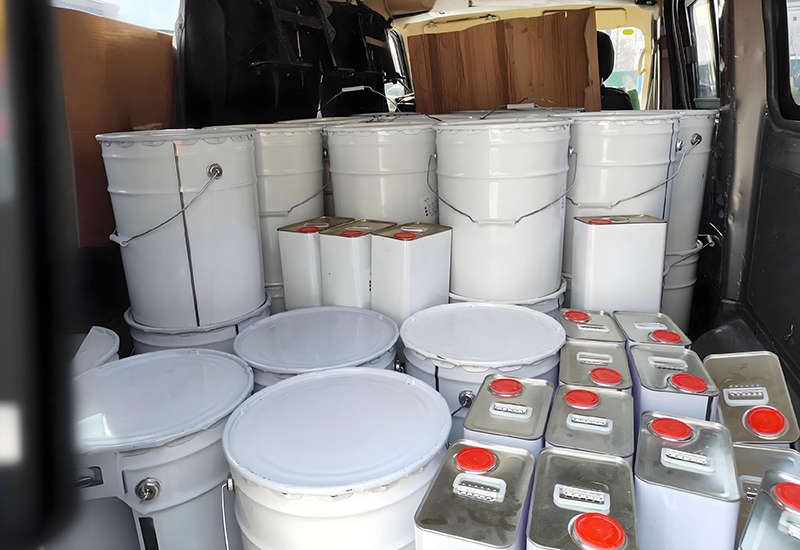
The makeup of heat resistant coatings often features silicone resins, ceramic compounds, and aluminum pigments. Each part plays a distinct role. Silicone resins boost flexibility and sticking power in hot conditions. Ceramics offer insulation and toughness. Metallic pigments increase reflectivity and resistance to oxidation. Strong thermal endurance stands out. These coatings can handle temperatures up to 800°C or more for extended periods. They show no peeling or powdering. Performance stays steady over time. The choice of materials hinges on the working temperature range and surrounding conditions.
Mechanisms of Protection
These coatings guard by bouncing back radiant heat. This action lowers temperature rise on the base surface. Their reflective qualities aid in spreading out heat well. They also block direct touch between metal parts and hot gases. Such a barrier cuts down thermal fatigue. It does this by easing the expansion-contraction cycles that might cause cracks or separation. Color holds steady and no peeling happens. The coating keeps its color stable in high heat. It has solid adhesion too. Thermal expansion and contraction do not affect it.
Why Are Heat Resistant Coatings Essential for Industrial Equipment?
Industrial setups often face strong heat from burning, rubbing, or chemical actions. Without proper shielding, these situations speed up damage like oxidation, scaling, and corrosion. In the end, this shortens the life of equipment.
Enhancing Durability in Harsh Conditions
Heat resistant coatings lengthen service life. They create a tough shield against harmful gases and oxidizing air. Oxidation resistance and corrosion resistance come into play. These coatings stop metal surface oxidation and corrosion in hot settings. This extends equipment life. By keeping surface wholeness during repeated heat cycles, these coatings reduce shape changes. Less breakdown means longer gaps between upkeep for boilers, turbines, chimneys, and other industrial items under steady thermal pressure.
Improving Operational Efficiency
Steady performance in heat ensures even product quality in making processes like metal casting or chemical mixing. Coated surfaces send back radiant energy better. So, energy use gets better with less thermal loss. This cuts down on cooling needs. It also supports reliable work across production lines.
Which Industries Benefit Most from Heat Resistant Coatings?
The flexibility of heat resistant coatings makes them vital in areas that need good temperature handling for safety and performance.
Applications in Manufacturing and Processing Plants
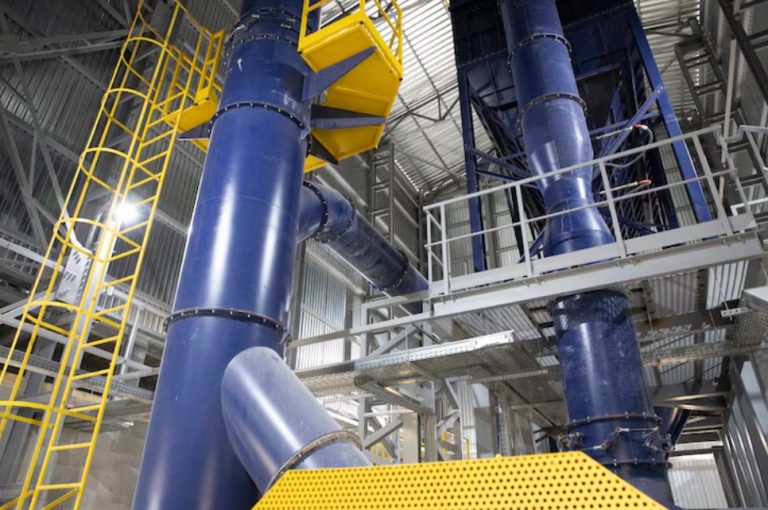
In tough industries like steel making or cement handling, machines deal with constant extreme heat. Coatings on furnaces, boilers, exhaust ducts, or chimneys stop material tiredness from repeated heating. Industrial high-temperature equipment fits here. These apply to boilers, chimneys, pipelines, incinerators, and more. They prevent corrosion and harm from high temperatures. Such protective layers allow steady running. They also stretch service life under hard production schedules.
Role in Automotive and Aerospace Sectors
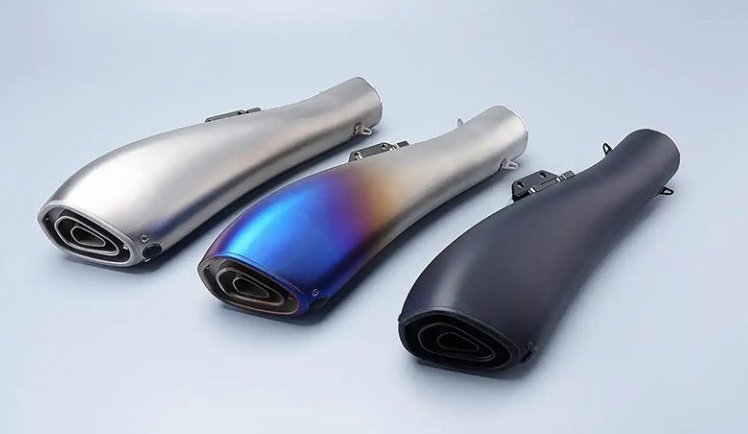
In car design, heat resistant coatings guard exhaust manifolds, turbochargers, and engine blocks from oxidation due to ongoing combustion gases. Automobile industry sees this use. It protects surfaces of parts like exhaust pipes, engine components, and heat exchangers in vehicles. Parts work long in hot settings without damage. In aerospace, turbine blades and jet engines depend on advanced ceramic-based coatings. These keep mechanical power at high temperatures. They also boost fuel use through improved thermal control.
How Do Heat Resistant Coatings Contribute to Cost Savings?
Besides strength gains, these coatings bring clear money benefits. They do this through less frequent upkeep and better energy handling.
Lower Maintenance Costs Over Time
By cutting wear on key parts in extreme settings, users see fewer failures. Longer times between upkeep lower labor expenses from regular checks. Better reliability also reduces surprise stops. These stops often cause lost work in industrial tasks.
Energy Efficiency Benefits
Reflective types reduce how much surface takes in from radiant energy or open flames. Internal system temperatures stay even. So, cooling needs drop a lot. This helps with green energy patterns in making sites. These sites aim to meet environmental rules.
How Should Businesses Choose the Right Heat Resistant Coating?
Picking the right coating means checking work details. These include top temperature levels, base material makeup like steel or aluminum alloys, air moisture amounts, chemical contact strength, and physical strain factors.
Factors to Consider Before Application
Firms need to check each part’s work limits before choosing a coating. For instance, machines over 600°C need ceramic-based setups. These work better than organic resin kinds. Matching with base materials ensures best bonding power. It also keeps bendability against stress from expansion during use.
Importance of Professional Application Techniques
Good surface prep like removing grease or sand blasting is key. It ensures strong sticking between coating layers and base metals. Managed curing steps boost lasting power under changing thermal pressures. Regular checks every few months help confirm wholeness. Recoating might happen every two to five years. This depends on how much use there is.
Why Partner with Foshan Konaz Technology Co., Ltd for Heat Resistant Coatings?
Foshan Konaz Technology Co., Ltd gains worldwide notice for its forward-thinking fixes made for industrial heat resistant needs. The firm focuses on research-based new ideas. It pairs this with strict quality checks. These promise steady product work in various fields like car making, aerospace work, oil refining, and power making.
Key Strengths of Foshan Konaz Technology Co., Ltd
Foshan Konaz gives a full set of strong-performing mixes. These handle rough environmental setups without losing sticking or color steadiness. Their research team keeps improving product makeup. They use low-VOC items that match global green rules. This ensures safety rules and top efficiency for clients around the world. Support teams offer full help. This goes from choice advice to setup tweaks made for certain work issues.
Conclusion: Strengthening Industrial Longevity Through Advanced Protection
Heat resistant coatings mark a key step in tech for guarding industrial assets. They boost strength against oxidation, corrosion, scaling, and wear from big temperature shifts. High-temperature resistant coatings bring five main pluses. First, easy putting on and long service life. Second, great weather toughness that fits different weather. Third, handles 200–800°C. Fourth, high coating speed and money-saving ways. Fifth, strong seal against water or air, stopping peeling or chalking. Adding them to upkeep plans ensures longer equipment life. It also brings clear money savings through less fix needs and better thermal work in industrial tasks.
FAQs About Heat Resistant Coatings
What temperature ranges can typical heat resistant coatings withstand?
Most industrial-grade products handle steady exposure from 200°C–1000°C based on the mix type. Some newer kinds go beyond this in set conditions.
Can heat resistant coatings be applied on-site or must they be factory-applied?
People can put them on during making stages or in the field. But proper surface prep techniques are a must for best sticking results.
How often should coated equipment be inspected or recoated?
Check every six months as a rule. Recoating usually takes place every two to five years. This bases on how much use there is in steady-run settings with ongoing high-heat contact.