Industrial floor coatings are commonly made with epoxy. This type of coating is durable, chemically resistant, and is very easy to maintain. In the warehouse and factory environments where very heavy usage of machinery, and high foot traffic exist, long lasting industrial epoxy flooring is very important. In this article we will examine the typical lifespan of an industrial epoxy coated floor, and go over some of the key factors that can determine the floors lifespan. Additionally, we will go over the steps to a proper installation, and the ways in which to extend the life of the floor after it has been installed.
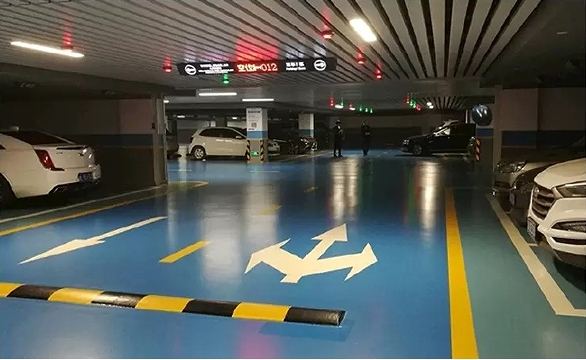
What Factors Influence the Lifespan of Epoxy Floor Coatings?
The durability of a epoxy floor coating on a factory floor or in a warehouse depends on a combination of the raw materials in the coating, the surface preparation, the environmental conditions and the operational circumstances. These factors will all influence the coating’s ability to withstand wear and tear, the effect of chemicals and changing temperatures.
Material Composition and Quality
A long lasting epoxy floor is dependent on the type of resin and hardener used in the floor’s formulation. High-quality epoxy resins and hardeners contain ingredients that increase the floor’s mechanical strength and chemical resistance over low quality materials. There are many types of industrial-grade epoxy resins and hardeners that are specifically designed for use in long lasting epoxy floor systems for heavy industrial use. These can outperform lower grade residential and decorative epoxies for heavy use applications. It is also very important to ensure that you are using the correct ratio of A Resin to B Hardener as this can affect the curing time and the final hardness of the floor. The correct ratio will allow for complete curing of the polymer to create a hard, dense wearing surface designed to withstand wear and tear.
Surface Preparation Before Application
Surface preparation is one of the most decisive steps in ensuring adhesion and longevity. The concrete substrate must be clean, dry, and mechanically profiled before epoxy application. Any contaminants such as oil, grease, or dust can lead to delamination or blistering over time. In humid environments, moisture vapor barriers may be necessary to prevent coating failure caused by trapped moisture beneath the surface. Proper profiling through grinding or shot blasting increases surface roughness, allowing better mechanical bonding between the concrete and epoxy layer.
Environmental Conditions During Application
The temperature and humidity at the time of application has a significant bearing on the curing and the adhesion of the epoxy coating. If it is applied under the wrong weather conditions then it may cure in some areas and not in others resulting in soft spots and uneven surfaces. Ventilation during application is also crucial to stop any surface defects such as bubbles and fisheyes occurring as a result of incomplete polymerization. By controlling the environment the coating will then be able to perform as the manufacturer’s stated performance data suggests.
How Do Operational Conditions Affect Epoxy Flooring Durability?
In industrial facilities, such as factories and warehouses, the operational stress on industrial floors is constant. The intensity of mechanical stress and the impact of chemicals as well as temperature fluctuations determine the service life of floor coverings.
Mechanical Loads from Equipment and Traffic
Repetitive impact stress from forklifts, pallet jacks, and heavy industrial equipment can generate significant wear on a warehouse floor. Thicker coatings with higher compressive strength are best suited to withstand these types of loads over long periods of time. Localized abrasion can be a problem near loading docks or where equipment makes sharp turns. The use of protective mats or delineating the traffic ways can help distribute stress evenly across the floor surface preventing premature wear.
Chemical Exposure in Industrial Settings
Most chemical spills such as oils, solvents, acids and cleaning agents can eat through epoxy finishes if not quickly cleaned up. By applying a chemical-resistant topcoat, surface corrosion and staining can be further prevented. Also, by regularly cleaning surfaces, built up of finishes, wax and other substances can be prevented from deteriorating the surface over time.
Temperature Fluctuations and Thermal Shock
Thermal shock such as sudden changes in temperature can cause both the concrete substrate and coating to expand/contract. In order to absorb these changes in temperature without cracking/peeling a flexible epoxy coating is recommended. In areas near furnaces and ovens subject to extreme thermal cycling special heat-resistant epoxy coatings are available to provide a stable coating.
How Long Can Epoxy Floors Typically Last in Warehouses and Factories?
The expected lifespan of an epoxy floor coating is variable and depends upon several different factors including the degree to which it is put to use, how regularly it is maintained, and environmental factors. However, with proper maintenance an epoxy floor coating can last from several years to many years.
Typical Lifespan Estimates by Environment Type
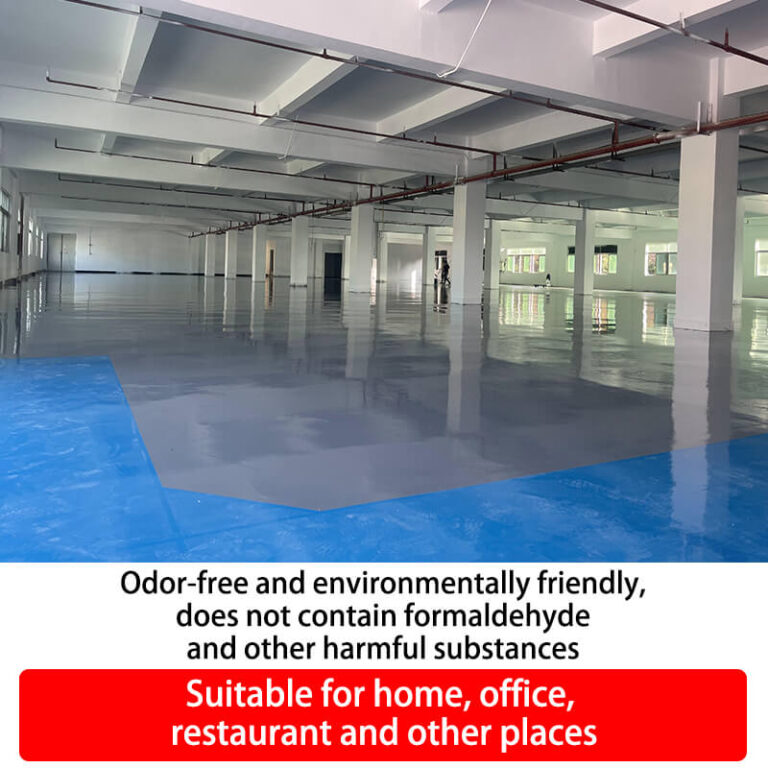
Light-duty warehouses will typically get 10-15 years from a floor before it needs a major recoat. Medium-duty applications such as a typical manufacturing plant will typically get 7-10 years from a floor before it needs a major recoat. Heavily used factories with constant impact, high chemical exposure, etc. will typically get 5-8 years from a floor even with the best floor coatings.
Maintenance Practices That Extend Longevity
Regular inspections every 6 months can identify signs of wear such as scratches or a dulling finish before they become a problem and lead to costly structural repairs. Reapplication of the topcoat on a regular basis will help to maintain the gloss of the coating and enhance its Abrasion Resistance and UV Resistance especially around door openings and Skylights. Repairing of cracks in a timely manner will prevent moisture from entering underneath the coating and peeling off.
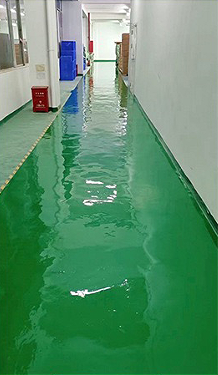
How Does Proper Installation Contribute to Long-Term Performance?
How an epoxy system is installed will determine whether it achieves its design life in industrial applications.
Importance of Professional Application Techniques
Industrial applicators of protective floor coatings have the technical expertise to correctly mix resin and hardener for coating large factory floor areas at uniform thickness. The greatest protection is obtained from multi-layer coating systems such as a primer coating to ensure adhesion, followed by a base coat for ultimate strength. Floor coatings are designed to provide long-lasting protection and must be allowed to cure prior to subjecting them to excessive loading to prevent early deformation.
Common Installation Mistakes to Avoid
Applying layers too thickly will result in the inclusion of air bubbles that will further lead to uneven curing resulting in a loss of structure. Not sealing the joints will allow moisture to enter at the expansion joints. This is where the concrete will expand under changes in load. Using the incorrect primer will result in poor adhesion between layers. This will result in the top layer peeling off under normal operational vibration.
Why Choose Foshan Konaz Technology Co., Ltd for Epoxy Floor Coating Solutions?
Foshan Konaz Technology Co., Ltd is a global leader in the development of industrial grade epoxy flooring systems for use in warehouses, factories, laboratories and other Logistics facilities around the world. By combining excellent wear resistance with high chemical resistance, the range offers a quality option for industries seeking a flooring solution that not only can withstand heavy wear and tear, but also complements the individual company’s décor and operational requirements. In addition to having a comprehensive product range, Foshan Konaz Technology also has a highly experienced technical team who can provide full technical support from assessment of the subfloor to formulation of a customized product to meet individual requirements of the user, ensuring the optimal performance of the product through its entire life cycle.
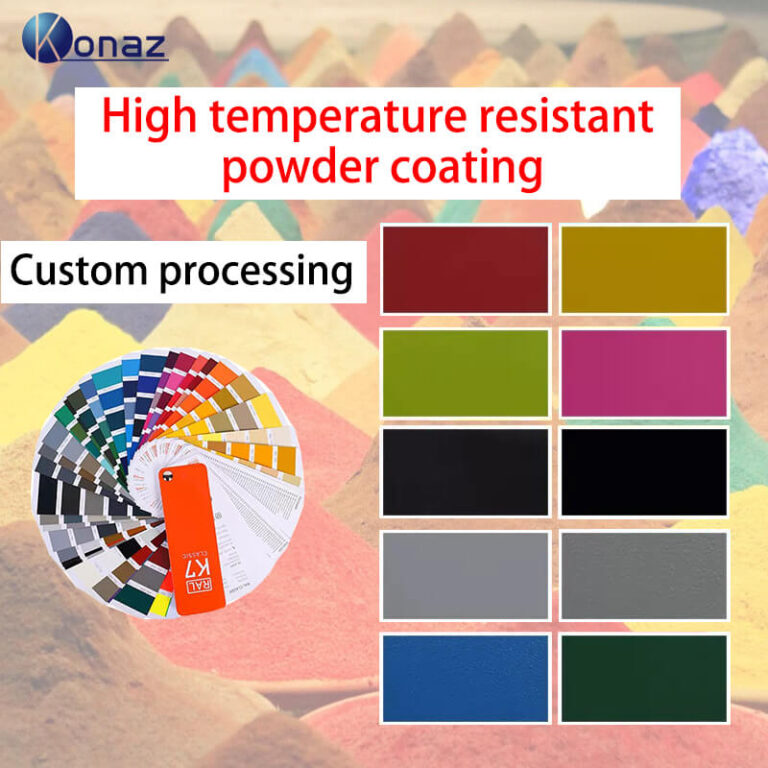
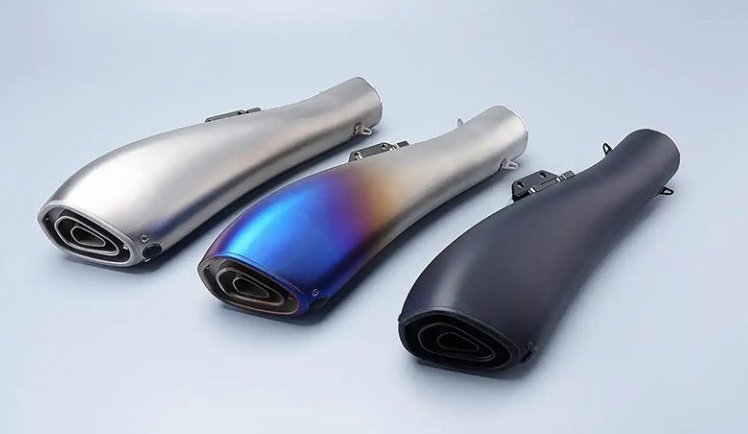
Foshan Kenai CAI Technology Co., Ltd has 15 years of history. Since the day it was established, Kenai CAI is specializing in research and production of high-temperature resistant coating. Over years of technical accumulation and innovation, the company has established mature technical system in high-temperature coating area. The coating made by the company has high-temperature resistant performance, up to 800°C. Products are applied in high-temperature equipment of various industries such as auto exhaust system, fire place, barbecue etc. Based on above experiences, the company is capable of producing advanced functional coatings that can operate in severe industrial environments and applications similar to that of factory floor coatings in factories.
What Are the Key Maintenance Strategies for Long-Term Durability?
Regular maintenance is crucial to maintain the functionality of epoxy floor coatings in busy factories and warehouse environments.
Scheduled Cleaning Procedures
Our approach to maintaining the floors’ gloss and slip-resistance using neutral pH cleaning products ensures that the floors are kept clean safely without risk of damage. Using soft-bristle brushes to scrub the floors instead of abrasive pads prevents micro-scratches in the floor’s surface that will gather dirt over time and create unsightly scuff marks on the floor’s traffic areas. Removing dirt and other debris from the floor surfaces on an ongoing basis will prevent small grit particles from being rubbed into the floor’s surface layers and cause scuff marks on the floor’s surfaces.
Periodic Recoating Intervals
Applying a new topcoat as soon as dullness appears will help to maintain the high reflectivity of the floor to ensure maximum efficiency of the lighting in the workplace, and also to help to restore the protective film thickness that has been worn away during abrasion cycles. Areas subject to the turning of forklifts, for example, will require a more frequent recoating schedule than those used for storing low usage items in order to ensure an even wear of the coating on the floor.
Conclusion: Ensuring Longevity Through Quality Materials and Maintenance
Epoxy floor coatings can provide long-term value when they are formulated with top quality products, installed under proper environmental conditions and then properly maintained by following a program of routine maintenance to prevent deterioration. By working with a quality supplier such as Foshan Konaz Technology Co., Ltd, facility managers can obtain a floor that is able to handle heavy usage and abuse and still retain the aesthetic qualities of the floor for many years.
FAQs About Epoxy Floor Coatings in Warehouses and Factories
1. How often should epoxy floors be inspected for damage?
Monthly section inspections identify early problems such as cracks and discolouration prior to requiring major repairs to replace the entire section.
2. Can damaged sections be repaired without redoing the entire floor?
Yes localized repairs can be done by sanding damaged areas and then applying more compatible epoxy to the area and blending the new finish with the rest of the finish on that item.
3. Are there specific epoxies suitable for food-processing factories?
Food-grade epoxies are hygienic and non-toxic and withstand the toughest cleaning agents used in sanitary production environments.
4. Does UV exposure affect indoor warehouse floors?
The interior of most warehouses have limited exposure to sunlight; the UV-stable topcoats on our coatings allow for no yellowing near open entryways and maximum color retention for life of coating.
5. What factors indicate it’s time for recoating?
Loss of glossiness combined with visible scratches minor edge peeling or reduced slip resistance signal appropriate timing for reapplication ensuring continued protection against wear-induced degradation across factory operations zones.