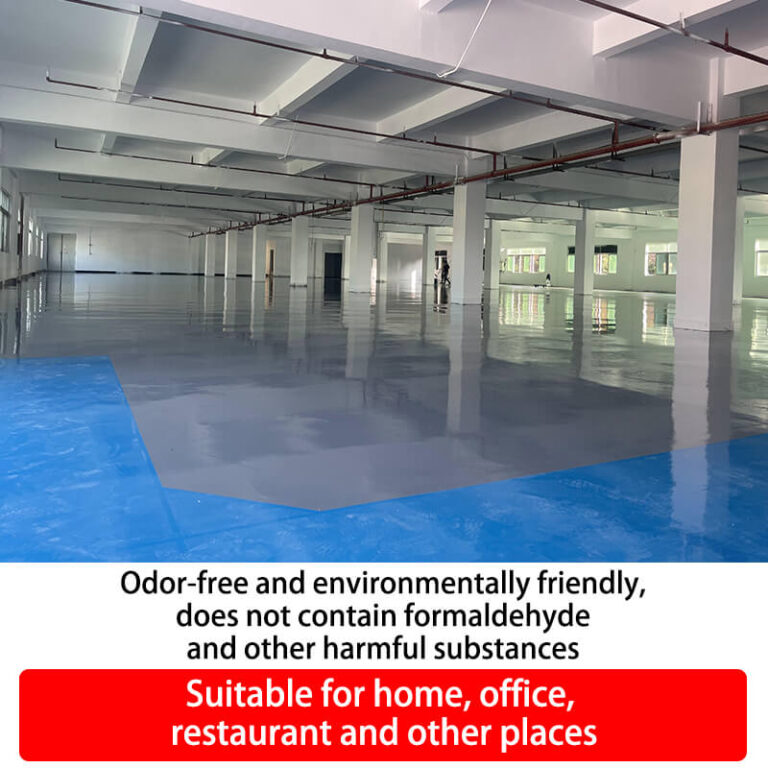
Epoxy floor paint is known as the favorite solution for industrial floors, like the big warehouses and production lines, because of its lifetime, its ability to resist to chemical products and its various colors. How long does an epoxy coating last? This is the most common question asked by facility managers and industrial engineers. How to make it last longer? What is the role of the epoxy floor paint suppliers like Foshan Konaz Technology Co., Ltd in the performance of the coating?
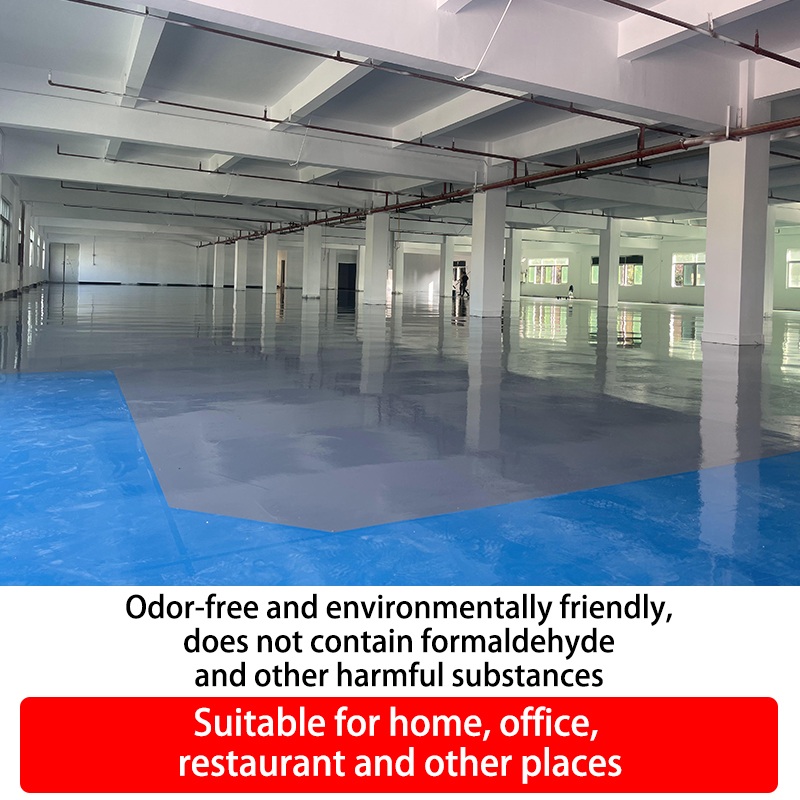
What Factors Influence the Lifespan of Epoxy Floor Paint?
The life expectancy of an epoxy floor coating in warehouses and plants with high production is influenced by a number of internal and external factors. How long the epoxy floor paint lasts depends on several factors, including the preparation, environmental conditions, mechanical wear and tear and the necessary maintenance.
Substrate Preparation and Application Quality
Surface preparation is key to any successful concrete coating project to ensure adhesion between the coating and the concrete substrate. Any surface residue including dust, grease or laitance can compromise coating adhesion potentially leading to early coating failure. Poor cleaning of the concrete floor surface or the presence of high levels of moisture in the concrete can also lead to coating failure within a few months including peeling and delamination. The coating will also peel due to moisture vapor emissions from the concrete slab creating hydrostatic pressure in the coating from beneath.
The way that coatings are applied is critical to achieving consistent coating thickness and proper cure. A skilled applicator will be able to mix the correct ratio of components, manage the pot life of the coating, and apply a consistent film thickness. The coating that does not cure properly will have soft spots that wear much faster under traffic than the rest of the coating. By investing in a certified coating installer you can ensure that your epoxy floor coating will perform optimally in your high-demand industrial facility.
Environmental Conditions in Warehouses and Plants
In addition to affecting application time, temperature greatly affects the curing time and hardness of an epoxy coating. Below temperatures of 15°C to 30°C, the curing process is greatly slowed allowing for complete cross linking of the coating. On the other hand, excessive temperatures will cause the coating to cure to quickly leading to a hard, brittle coating that will soon crack.
High levels of humidity may cause surface defects such as blushing or clouding while the coating is curing due to interference from moisture. Once cured, coating may also deteriorate due to exposure to UV light in open or semi-exposed areas, causing it to yellow or deteriorate. This type of deterioration can be alleviated by using an epoxy base coat in conjunction with a polyurethane or polyaspartic clear topcoat that is UV resistant. Many coating facilities use this type of coating system.
Traffic Load and Mechanical Stress
Industrially used floors are subject to constant mechanical stress by the movements of forklifts, pallet trucks and also heavy machinery. Every single impact on the floor leads to micro-abrasion on the topcoat of the floor. Especially in facilities where metal components are being processed, there is the danger of abrasive dust or shavings, which can penetrate into the floor covering much faster than expected and attack and wear down the protective layer.
Areas with uneven wear are typically found along heavily used travel ways such as aisles and loading areas. These areas are subject to localized stress. From time to time, these areas will require touch-up coating or even sectional recoating to maintain even coating of the floor surface.
How Does Maintenance Affect Epoxy Floor Paint Longevity?
Regular maintenance is necessary to preserve the integrity and appearance of warehouses and plants with epoxy coated floors.
Routine Cleaning Practices
Remove dirt, oil and chemicals frequently enough to prevent them from reacting with the resin to cause surface deterioration. Use non-abrasive cleaning products to maintain the gloss of the surface. Prevent embedded grit by scheduled sweeping or auto-scrubbing to prevent high wear areas to wear down prematurely.
Periodic Recoating and Repairs
Reapplying an additional topcoat every few years can not only restore the high shine to a floor but also be to reinforce the protection against wear from abrasion and from attack by chemicals. Smaller cracks and chips that appear in a floor from time to time must be filled immediately using the most suitable repair products in order to prevent the penetration of moisture into the deeper layers of the floor’s substrate. Regular professional inspections of floors can highlight early signs of wear that could potentially lead to more serious structural damage. However, by monitoring for such wear patterns, floors can be extended in service while avoiding the loss of time and expense that a full resurface would entail.
How Long Can Epoxy Floor Paint Typically Last in Industrial Environments?
The service life of a floor painted with an epoxy coating can vary greatly. The intensity in which the floor is used, as well as thickness of the applied coating, the type of formulation used, and the regular maintenance of the coating, can all affect the expected life of the coating.
Typical Lifespan Ranges by Usage Type
Typical service life for Light-duty warehouse is between 5 and 7 years before major refurbishment is required. Medium-duty manufacturing would typically be around 3 to 5 years of service before reapplication is required. Heavy-duty production would have a much shorter service life of 2 to 4 years due to the high abrasion and/or chemical exposure that is present in these environments.
Factors That Extend Service Life Beyond Averages
Using high-solids or 100% solids epoxy coatings provide increased durability by forming a dense cross-linked structure that is capable of withstanding high levels of impact and resisting a variety of chemical attacks. Using a polyurethane or polyaspartic topcoat provides added flexibility and UV resistance which is critical for areas that will be exposed to sunlight through skylights or open bays. Implementing a preventive maintenance program using scheduled inspections and timely recoating will extend the time between resurfacing projects and keep the facility operating safely.
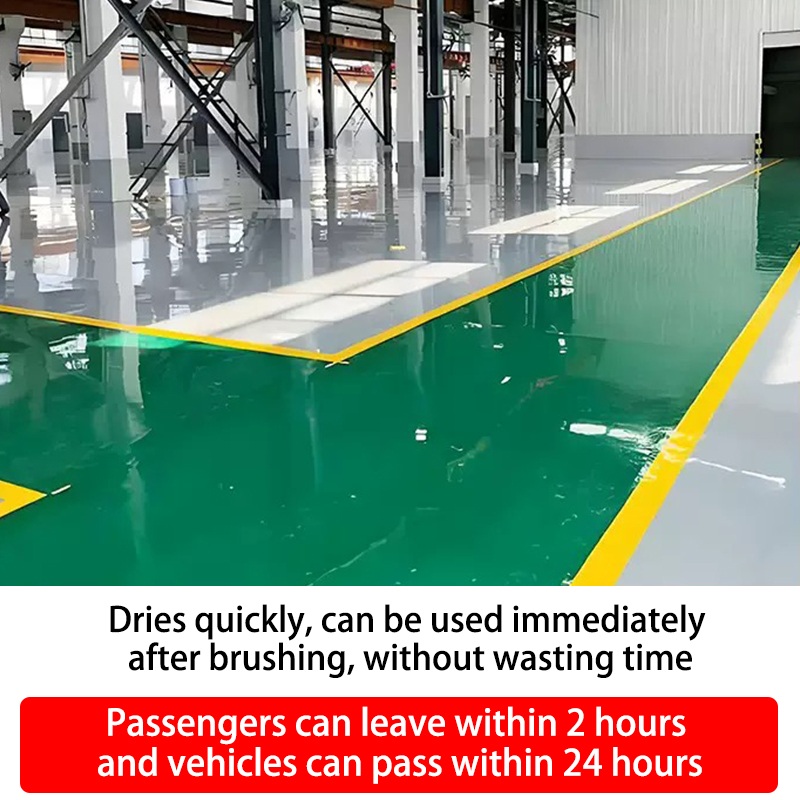
Why Is Supplier Selection Critical for Long-Term Performance?
When selecting an appropriate supplier for your production needs, you want to make sure that you can receive the required products in the correct quality. Furthermore, it is very important to have the right support during the installation of the products. Our experienced team is happy to assist you during this process. Also, we can offer you customized production for special industrial applications.
Product Quality Assurance from Reliable Manufacturers
Suppliers providing certified raw materials guarantee long-term chemical stability under demanding conditions such as solvent exposure or thermal cycling. Advanced resin formulations improve bonding strength across diverse substrates including aged concrete or steel decking systems used in specialized manufacturing setups. Technical guidance from experienced suppliers minimizes installation errors that could reduce coating lifespan due to improper mixing ratios or environmental mismanagement during curing stages.
Brief Introduction to Foshan Konaz Technology Co., Ltd as a Reliable Partner
Foshan Konaz Technology Co., Ltd, a China epoxy floor paints supplier, manufacturer, producer, exporter, supply high-performance industrial epoxy floor paint. We are specialized in producing epoxy floor coatings for industrial warehouses, factory floors, logistics, distribution center, storage facilities and other industrial plants around the world. With years of experience in flooring material, Konaz provide durable and eco-friendly epoxy floor paint solutions. By using the advanced technology in the production process, our professional team designs different epoxy floor coating systems to meet customers’ requirements and to extend the usage period of the floors.
What Are the Signs That Epoxy Floor Paint Needs Replacement?
Even well-maintained floors have their day when signs of loss of protective capability start to show.
Common Visual Indicators of Wear
Erosion of the topcoat is generally evident by dullness or color loss across heavily trafficked areas of the deck. This erosion uncovers the underlying deck resin that will be subject to further wear and tear. Cracking of the topcoat at joints is generally due to movement of the substrate as it goes through thermal expansion and contraction cycles, common in large industrial buildings. Some stains will penetrate through to the resin deck below and will be able to be removed by cleaning; others will have penetrated into the resin and will have caused irreversible chemical degradation. In these cases the stains will need to be coated over with a new resin system.
Performance Decline Symptoms During Operation
Reduced slip resistance compromises safety compliance especially where oils or liquids are routinely present on production floors. Increased dust generation indicates micro-abrasion at surface level or delamination beneath traffic paths—both precursors of structural failure if not addressed promptly through reapplication procedures.
How Can Facilities Optimize Their Investment in Epoxy Flooring Systems?
The ultimate return from your investment in an information system can only be achieved through appropriate design of the system prior to installation and through proactive management of the information system during its lifecycle of operation.
Selecting Appropriate System Design for Each Area
The coating thickness should be in line with the load intensity per zone, i.e. multi-layer systems of higher thickness in areas with heavy machinery as opposed to thinner finishes in storage aisles with pedestrian traffic only. By combining decorative flakes with functional anti-slip additives, both design requirements and safety requirements of users can be fulfilled without compromising the cleanliness requirements of modern manufacturing facilities.
Implementing Lifecycle Cost Analysis Strategies
Assessing Total Cost of Ownership rather than just purchasing price enables a much more accurate assessment of budget costs. Scheduling periodic inspections within scheduled maintenance downtime allows for prompt re-application of protection systems as required ensuring that the highest level of protection is maintained across all zones of a facility at all times.
Conclusion
Epoxy floor paint is still one of the most durable solutions for warehouses and production plants. It has an average life span of 2 to 7 years depending on the utilization. However, by preparing the subfloor, controlling the environment, cleaning properly and choosing the right paint, the life span can be prolonged significantly. It is recommended to get in contact with suppliers such as Foshan Konaz Technology Co., Ltd. who can offer the customer top-quality products for industrial use.
FAQs
1. How thick should epoxy floor paint be applied in manufacturing plants?
Typically for normal usage 2–3 mm thick, but for heavy usage you will need thicker multi-layer coatings for optimum durability.
2. Can epoxy coatings resist chemical spills found in production environments?
Yes, there are high-quality formulations that provide excellent resistance to oils, acids, solvents and alkalis once they have been properly cured.
3. Is it possible to apply new epoxy over an existing old coating?
Yes, provided the existing layer is good, it will likely need to be surface ground or sanded to create a good bond.
4. What temperature range is ideal during epoxy application?
Most epoxies cure best at temperatures of 15°C to 30°C. Curing at extremely cold or hot temperatures can interfere with the polymerization process and lead to poor bonding.
5. How soon can heavy equipment resume operation after installation?
Light foot traffic is generally permitted after 24 hours. Full mechanical loading is then permitted after 5-7 days, depending on the curing conditions.