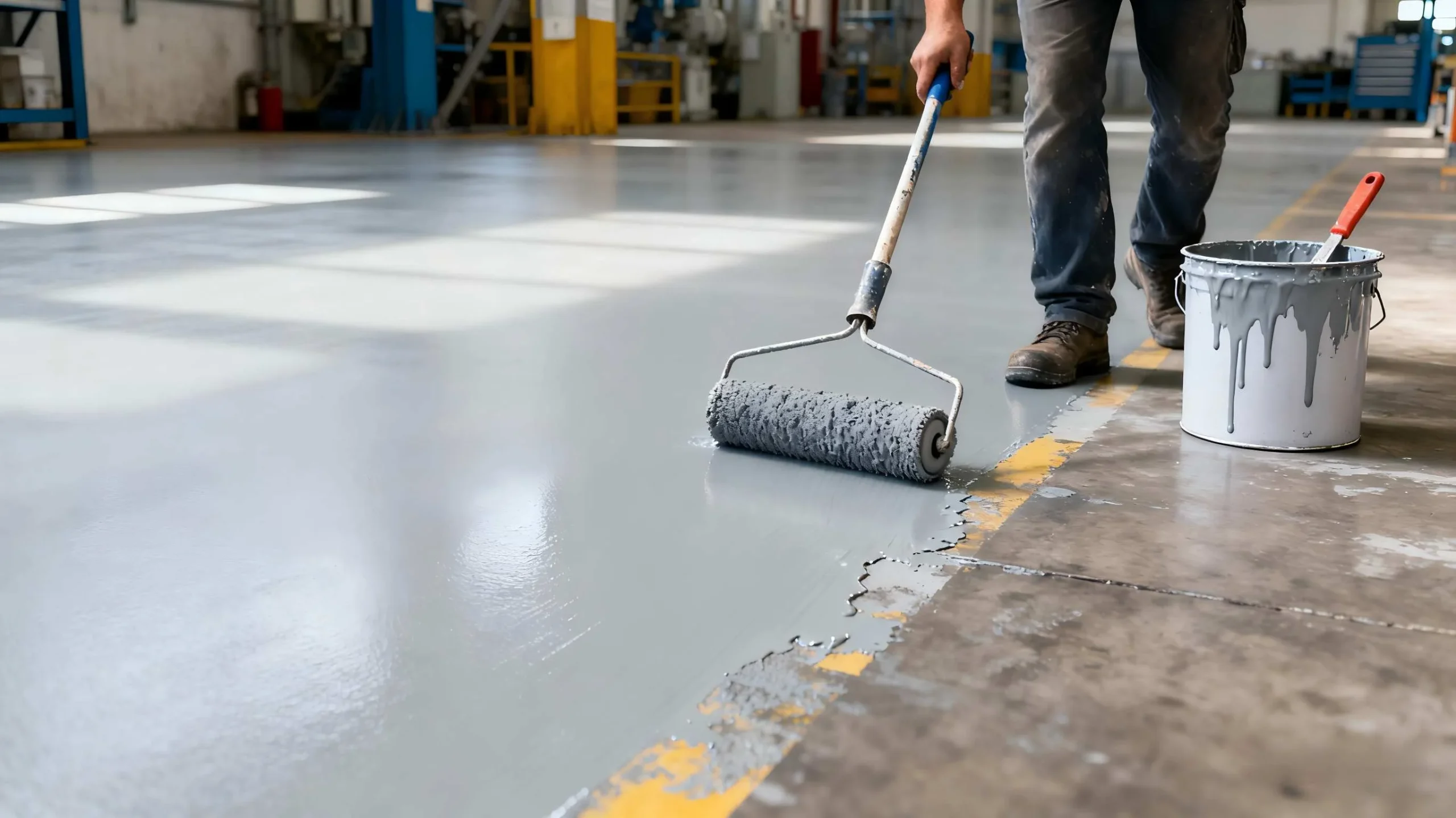
Picture this. It’s Monday morning in your busy warehouse. The crew wants to jump back into full gear after a weekend floor recoat. But that new epoxy layer? It still feels sticky underfoot. That stops the forklifts. It slows down the whole pace. Annoying, huh? If you’ve dealt with epoxy floor paint drying times before, you get it. You’re not by yourself. In tough industrial spots—from rough factories to big parking decks—nailing the timeline matters a lot. It’s not just about waiting around. It’s about keeping things running smooth without any snags.
As someone who’s talked to facility managers right in the middle of these jobs, I can say drying time often decides if it’s a win or a flop. If it’s too slow, you lose work time. If you push it too fast, you end up with peeling bits by the end of the week. That’s why a good guide helps out. It fits right for people who handle industrial equipment every single day. We’ll go over the details of how long epoxy floor paint takes to dry. We’ll draw from real job sites and solid facts. And sure, we’ll mention why choosing the right stuff—like Konaz Epoxy Floor Paint—can cut down hours on the wait. It does that without cutting back on toughness.
What Is Epoxy Floor Paint, Anyway?
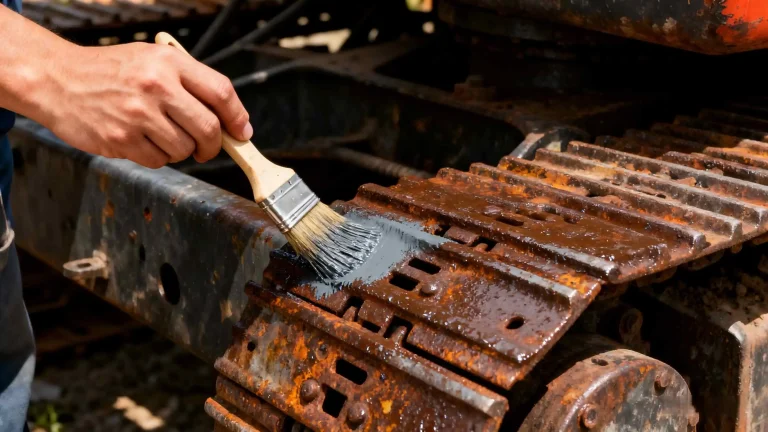
Epoxy floor paint isn’t like your grandma’s quick garage fix. It’s a two-part mix—resin and hardener. They blend to make a super tough cover over concrete or other bases. Think of it as strong armor for your floors. It stands up to spills. It handles scuffs. And it takes the constant pound from heavy machines.
Why It’s a Game-Changer for Industrial Floors
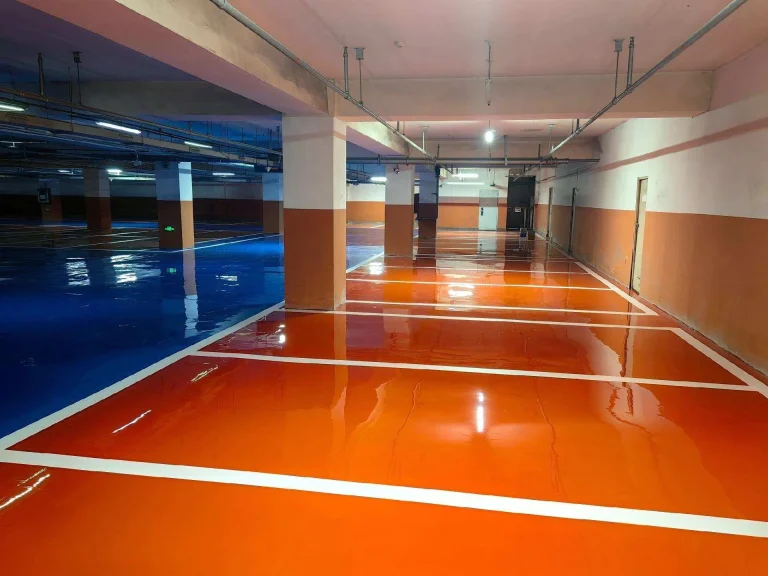
In spots like workshops or shipping hubs, plain paint just won’t cut it. Epoxy sticks deep. It makes a smooth surface that ignores oil drips from leaky hydraulic lines. Or the sharp hit from chemical barrels. I’ve stepped through plants where bare floors became real slip risks after one bad pallet fall. Epoxy flips that story around. Its strong hardness cuts down on fix-up time. And that shiny finish? It spreads light better. It makes dark basements feel less like a cave.
But here’s the catch. Epoxy’s power comes from how it cures. Not just from drying. Drying is only on top—when it seems dry if you touch it. Curing is the full chemical link-up. That seals in the scuff resistance. For zones with industrial equipment, you have to pin down both timelines. That way, you skip comebacks.
Key Factors That Influence Drying Time
Every job looks a bit different. So do the drying plans. Temp changes, moisture in the air, and even how you prep the floor can toss in surprises. Let’s break down the main ones. That way, you can set up like a real hand.
- Ambient Temperature: Hotter air picks up the pace. At a nice 25°C (77°F), you get touch-dry in less than four hours. But if it dips to 10°C (50°F), that doubles up. Maybe eight hours or longer. I recall a chilly spell in a Midwest warehouse. It turned a basic recoat into a two-day drag. Lesson there: Turn up the heat if possible.
- Humidity and Ventilation: Damp air is epoxy’s worst buddy. Lots of moisture slows down the fade-out. It pushes hard-dry beyond 48 hours. Shoot for below 60% relative humidity. And keep fans going to pull away those curing smells. In spots near the ocean, dehumidifiers aren’t extra. They’re a must.
- Coat Thickness and Application Method: Thin layers set quicker. But going too light means less guard. A regular two-coat deal at 4-6㎡/kg coverage finds the good balance. Rollers or sprayers top trowels for flatness. They cut dry time by spreading it even.
- Substrate Condition: New, open concrete pulls in the mix like a dry rag. That holds back the top set. Seal it ahead. Or you risk bumpy curing. Tests from job sites show prepped spots trim 20-30% off the full wait.
Add in stuff like straight sun (which can bubble the batch) or off ratios in mixing. And you have a mix for trouble. Keep track with a quick note—temp, moisture, coat weight. You’ll catch trends that keep next jobs steady.
Standard Drying and Curing Timelines
So, how long does epoxy floor paint take to dry in a straight-up case? It shifts a tad. But here’s a trusty mark based on shop standards for a two-part setup like those in hard-use industrial areas.
| Stage | Timeframe (at 25°C, 50% Humidity) | What It Means for Your Operation |
|---|---|---|
| Touch Dry | ≤4 hours | Light foot traffic okay; no heavy gear yet. Wipe spills gently. |
| Walk-On Ready | 24 hours | Boots and carts fine, but hold off on pallets or drags. |
| Hard Dry / Full Cure | ≤48 hours | Full strength—forklifts, chemicals, the works. Test with a hardness kit if you’re paranoid. |
| Maximum Durability | 7 days | Peak chemical resistance; now it’s bulletproof against oils and corrosives. |
These come from actual spread data. There, coverage reaches 4-6㎡/kg over two coats. Shades like green or grey don’t move the clock much. But special colors might call for a trial run. And keep in mind, “dry” isn’t “finished.” That 48-hour point is when scuff hold kicks in strong. It’s key for areas beat up by industrial equipment.
In a tight spot, some teams use soft-heat lights to nudge it along. That knocks off hours. But ease up on it. Uneven warmth leaves weak patches that split under wheel weight.
Applying Epoxy Floor Paint: A Step-by-Step Rundown
Hitting the dry time spot-on begins with sharp spreading. Hurry the setup. And no plan saves you. Here’s how to lay it down smooth. It’s geared for warehouse hands or shop leads.
- Prep the Surface: Grind or rough up that concrete to feel like 80-grit paper. Brush off the grit—I’ve watched one missed clump spark bubbles that pop during cure.
- Mix the Components: Part A (resin) and Part B (hardener) in the right split—often 4:1. Mix slow and sure for three minutes. Bumps spell loose ties.
- Prime if Needed: For extra-open floors, a light primer levels things. Let it get tacky for an hour.
- Apply the Base Coat: Roller or edge it on. Aim for 0.2-0.3mm deep. Roll back over to kill pools.
- Top Coat and Finish: Hold for 4-6 hours. Then slap on the shine top. Scatter bits for hold if it’s a busy path.
- Cure and Protect: Rope off the zone. No skips—air it out. But keep steps low till 24 hours.
Packed in 20kg kits with a 12-month hold time, this keeps scraps down. Gear? Plain rollers and sprayers get it done. No need for big industrial equipment.
Pro Tips to Speed Up Drying Without Sacrificing Strength
Want to trim the hold without betting on weak spots? Stick to the roots. But add a couple tricks from the field.
- Crank ventilation right off: Pull fans at 500 CFM per 100 sq ft. They clear smells fast. That drops touch-dry by an hour.
- Layer smart: Two slim coats beat one fat one—better stick, faster hold. Numbers show 15% quicker full set.
- Check with gadgets: Cheap heat guns find warm or cool areas. They catch them before they twist your plan.
Oh, and a funny bit: In one car shop I hit up, they set space heaters like a game board. It clicked great. But don’t rat to the fire guy. Ha, just pulling your leg—safety tops all, every time.
Pitfalls to Dodge During the Process
Even old hands mess up now and then. Stir too hard on the batch? It warms early. It sets in the can. Or lay it in bright sun—UV starts a bad chain. Leaves a powdery wreck. From what I’ve seen, the real killer is blowing off night chills. A basement floor that seemed good at dark turns chewy by morning.
Catch these soon: Stroll a trial strip at 24 hours. If it grips, stretch the pause. And moisture? Test papers help—over 70%, push the date back. Ducking these keeps your industrial guide… guiding true.
Meet Konaz: Your Go-To for Epoxy Floor Paint Solutions
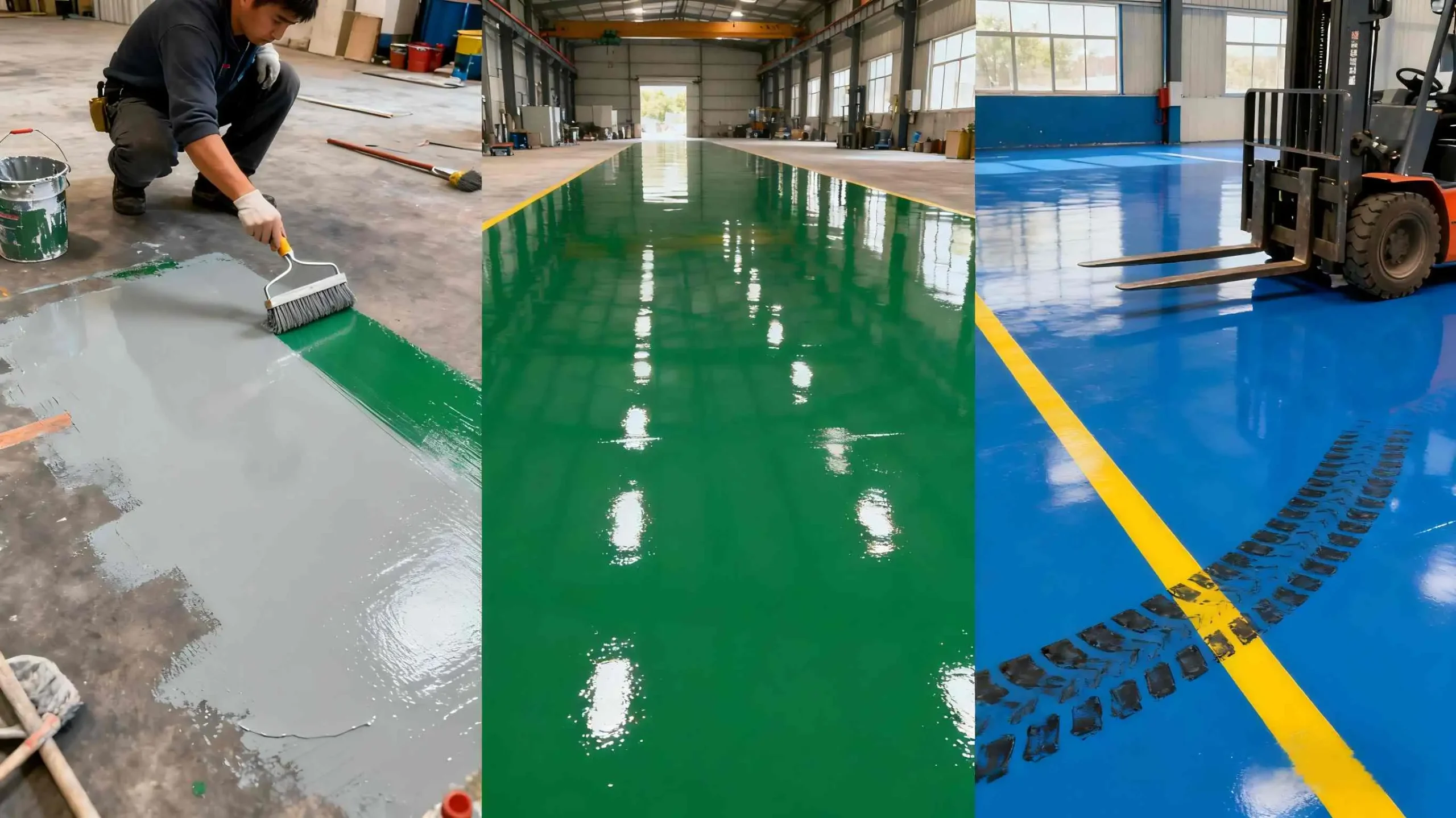
When it comes to grabbing solid epoxy floor paint, Konaz pops as a steady hand in the industrial coatings world. Built on years of tweaking mixes for rough spots, Konaz puts out stuff that mixes raw power with easy spread. Their epoxy range—figure top hardness, hold against oil and chemicals, plus that clean shiny look—slots perfect into factories, parking areas, or any beat-up zone. What makes them stand out? It’s the eye on what users really need: simple-mix packs, colors you tweak from grey to blue, and spread that goes far without shorting quality. If you’re gearing a shipping spot or a basement shop, Konaz stands by it with specs you trust. Like ≤4-hour touch-dry at normal temps. It’s not only paint. It’s calm for your floors—and your days—staying on beat.
Wrapping It Up: Timing Is Everything in Industrial Flooring
There you have it. The whole lowdown on how long epoxy floor paint takes to dry. From those first four hours of light touch to the 48-hour go for full run. In the land of industrial equipment, where each hour ticks loud, hitting this isn’t extra. It’s the boost that holds your place clean, safe, and turning. Weigh the setup. Spread with thought. And count on tested goods to flip pains into easy wins. Next round you’re scouting a floor update, think back: A bit of setup early hands back big time in smooth days.
Frequently Asked Questions
How long does epoxy floor paint take to dry in a cold warehouse?
In cooler areas around 10°C, touch-dry goes to 6-8 hours. Hard-dry lands at 72 hours or so. Jack up the heat and air flow to trim it—I’ve seen teams halve it that way.
What’s the difference between drying and curing for industrial equipment floors?
Drying is the top layer grabbing (≤4 hours at 25°C). It’s good for easy steps. Curing is the deep tie-down. It takes ≤48 hours for that tough guard against oils and scuffs. Miss the hold. And your lifts might rip it fast.
Can I speed up epoxy floor paint drying without special tools?
Yeah—slim coats and steady air do the trick. At normal dampness, you reach walk-on in 24 hours. Just skip fans blowing dead-on. It can wave the top.
How does thickness affect how long epoxy floor paint takes to dry?
Fatter layers mean bigger waits—up to 20% more for each extra bit. Hang to 0.2-0.3mm coats for that 4-6㎡/kg good zone. And you’re set for quick industrial runs.
Is epoxy floor paint suitable for high-traffic parking lots?
You bet. With its scuff hold and shine stay. Full set in 48 hours gets cars moving. No slips on oil or wet.