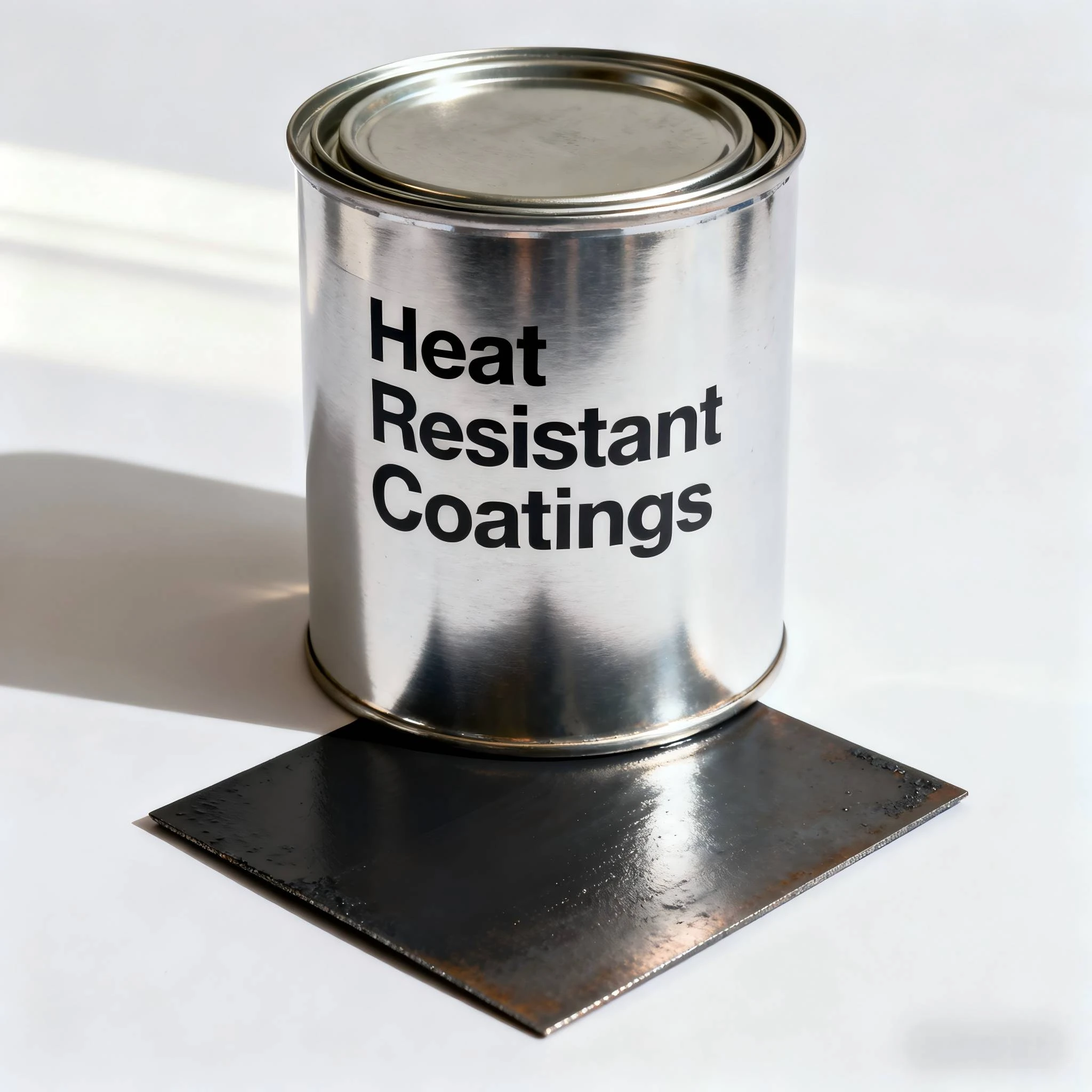
Picture this. It’s a crisp fall evening. You’re firing up the backyard grill for a family cookout. The flames lick the grates. They hit temperatures that could warp lesser materials in minutes. Or maybe you’re in a bustling workshop. You’re prepping a furnace liner for a manufacturing line that runs non-stop. In both spots—home or factory—heat resistant coatings stand as the quiet workhorses. They shield metal surfaces from the brutal wear of extreme temperatures. But here’s the kicker. That shiny can on the shelf might promise the world. Yet its real price tag shows up months later. It comes in repairs, downtime, or worse, a close call with safety.
As someone who’s seen coatings fail under fire—literally—I know the stakes. We’re talking about products that face 800 degrees Celsius or more. They handle it day in and day out. The upfront cost? Sure, it’s part of the equation. But the real cost of heat resistant coatings digs deeper. It goes into longevity, reliability, and peace of mind. In this piece, we’ll break it down. We’ll cover why skimping on quality bites back hard. We’ll look at how it ties straight to safety and performance. And we’ll see what makes a smart pick in a crowded market. If you’re a fabricator outfitting industrial ovens, a homeowner sprucing up a fireplace insert, or anyone bridging those worlds, stick around. These insights could save you headaches. They could save you dollars down the line.
Unpacking the True Expenses: Beyond the Sticker Price
Let’s get one thing straight. No one loves shelling out extra for a coating. That initial hit to the wallet feels immediate. It feels tangible. A basic heat resistant formula might run you $20 per liter. A top-tier one climbs to $50 or more. But chase the dollars further. The picture shifts. Low-end options often crumble faster. They pile on hidden fees that dwarf the savings.
Consider application costs alone. Cheaper paints demand multiple coats to even approach decent coverage. Think three layers instead of one. That triples your labor time. Then there’s curing. Some bargain brands need a full day to set. This idles your production line. Or it leaves your grill out of commission overnight. Factor in waste, too. Poor adhesion means drips and overspray you can’t salvage. It turns a $200 job into $300 easy.
But the real gut punch? Replacement cycles. Industry data from coatings pros shows mid-grade products lasting just 6-12 months in heavy-use spots like stove grates. Premium ones? They hold strong for 3-5 years. Sometimes longer. A quick math check helps here. If you’re recoating a commercial barbecue setup annually at $500 a pop, that’s $2,500 over five years. Switch to a durable formula at double the upfront cost. You’re down to $1,000 total. Half the outlay. Zero hassle.
| Cost Factor | Low-Quality Coating | High-Quality Coating |
|---|---|---|
| Upfront Price | $20/liter | $50/liter |
| Application Layers | 3-4 (extra labor: 4-6 hours) | 1-2 (labor: 1-2 hours) |
| Lifespan | 6-12 months | 3-5 years |
| 5-Year Total Cost (for 10 sqm job) | ~$2,500 (replacements every year) | ~$1,000 (one-time + maintenance) |
| Downtime Risk | High (frequent failures) | Low (reliable hold) |
This table isn’t pulled from thin air. It’s grounded in real shop reports from fabricators who’ve switched suppliers. The takeaway? The real cost of heat resistant coatings isn’t the invoice you sign today. It’s the tally of fixes tomorrow.
The Pitfalls of Cutting Corners: When Quality Takes a Backseat
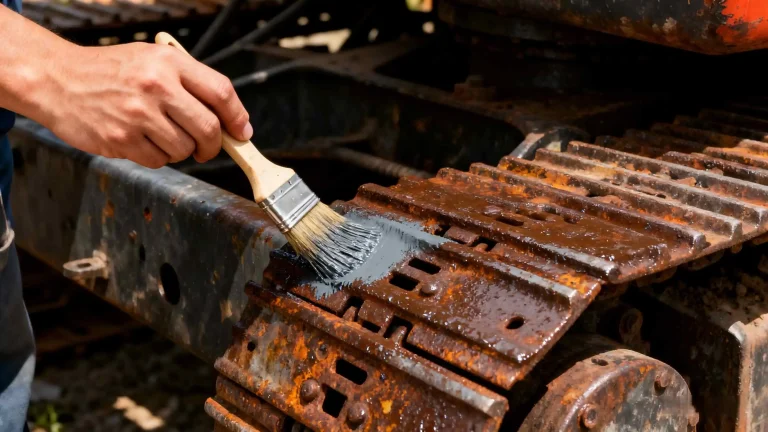
Ever stripped down a rusted-out burner head after just one season? It’s frustrating. And it’s avoidable. Low-quality heat resistant coatings—those with skimpy silicone resins or weak binders—start strong. But they fade fast. Exposed to cycles of intense heat and cool-downs, they crack. They flake. Or they chalk like dry earth in summer sun. In a gas stove grate, that means metal pitting underneath. It invites corrosion that spreads like wildfire.
Take a typical backyard setup. A cheap coat on grill grates might look fine out of the gate. But after 20 barbecues, you’ll spot bubbles. Moisture sneaks in during rain. Next comes peeling. Flakes drop into your burgers. Not just ugly. It’s a contamination headache for commercial users. And vibration? In automotive exhausts or furnace components, those micro-shakes loosen the bond further. They lead to full-on delamination.
Worse, these failures don’t announce themselves politely. They build quietly. They continue until a seam splits during peak use. Say, mid-shift in a factory heater. Suddenly, you’re not just repainting. You’re troubleshooting why output dropped 15% from uneven heating. Reports from industrial maintainers peg these incidents as culprits. They cause up to 40% of unplanned shutdowns for heat-exposed gear. Quality isn’t a luxury here. It’s the firewall between smooth ops and costly chaos.
Elevating Safety: The Non-Negotiable Edge of Superior Coatings
Safety isn’t a buzzword. It’s the line between a warm hearth and a hazard. Heat resistant coatings do more than prettify. They contain the fury of flames. They prevent hot spots that could ignite nearby flammables. A subpar layer on a fireplace insert? It might blister. It exposes raw metal that conducts heat unpredictably. Sparks fly easier. And in a home with kids or pets, that’s no joke.
Durable formulas flip the script. They form a tough barrier. Think silicone-based shields that laugh off 800°C blasts. They do so without softening or off-gassing fumes. In a space heater shell, this means no volatile emissions wafting into living rooms. It cuts risks tied to poor ventilation. One fabricator I spoke with recalled a client swap. After ditching flaky paint for a robust one, their incident reports on thermal exposure dropped by 60%. That’s not luck. It’s physics at work. Strong adhesion and thermal stability keep surfaces cool to the touch where it counts.
And let’s talk regulatory angles. Codes for furnaces and grills demand coatings that won’t degrade under fire. They ensure compliance without endless testing. High-quality picks sail through. They spare you fines or redesigns. Bottom line: When why quality matters boils down to lives and livelihoods, the choice is clear.
Performance in the Heat: Real Scenarios That Shine
Performance isn’t abstract. It’s the grill that sears steaks evenly after years of abuse. Or the furnace liner that hums through 10,000 cycles without a hiccup. Heat resistant coatings excel in spots where heat meets metal head-on. Like the ones you rely on daily.
Start with fireplaces. A solid coat on the inner firebox withstands radiant heat up to 800°C. It wards off warping that could crack masonry over time. No more soot buildup from uneven burns. Instead, cleaner fires. And longer brick life.
Barbecue grills tell a similar tale. Applied to grates and hoods, premium paints resist grease splatters and flare-ups. They maintain that matte black finish without rust streaks. One outdoor gear maker tested it. Their coated models held color through 500 hours of simulated grilling. Double the rival’s run.
Then there are stoves and burners. Gas stove grates take a beating from open flames and spills. But a quality layer clings tight. It shrugs off discoloration that plagues lesser options. Picture a busy kitchen. No more scrubbing charred flakes off dinner. The surface stays slick. Heat distributes evenly. And efficiency climbs.
Heater housings and furnace racks round it out. In a workshop heater, the coating prevents chalking from dry winter air. It keeps the shell intact for seasons. Furnace racks shuttle hot loads. They benefit from vibration-proof bonds. Those cut wear by 30%, per maintenance logs. These aren’t hypotheticals. They’re pulled from shop floors where every minute counts.
- Fireplace Inserts: Shields against 800°C radiant heat. Reduces soot. And extends masonry life.
- BBQ Grills: Grease-resistant. Endures 500+ grilling hours without rust or fade.
- Gas Burner Heads: Flame-direct contact. No peeling or color shift after heavy use.
- Stove Grates: Even heat flow. Easy clean-up. Boosts kitchen throughput.
- Heater Housings & Furnace Racks: Vibration-durable. Slashes maintenance by 30%.
In each case, performance ties back to the formula. Silicone resins for flex. Binders for grip. All tuned for the grind.
Meet Konaz: A Steady Hand in Heat Resistant Solutions
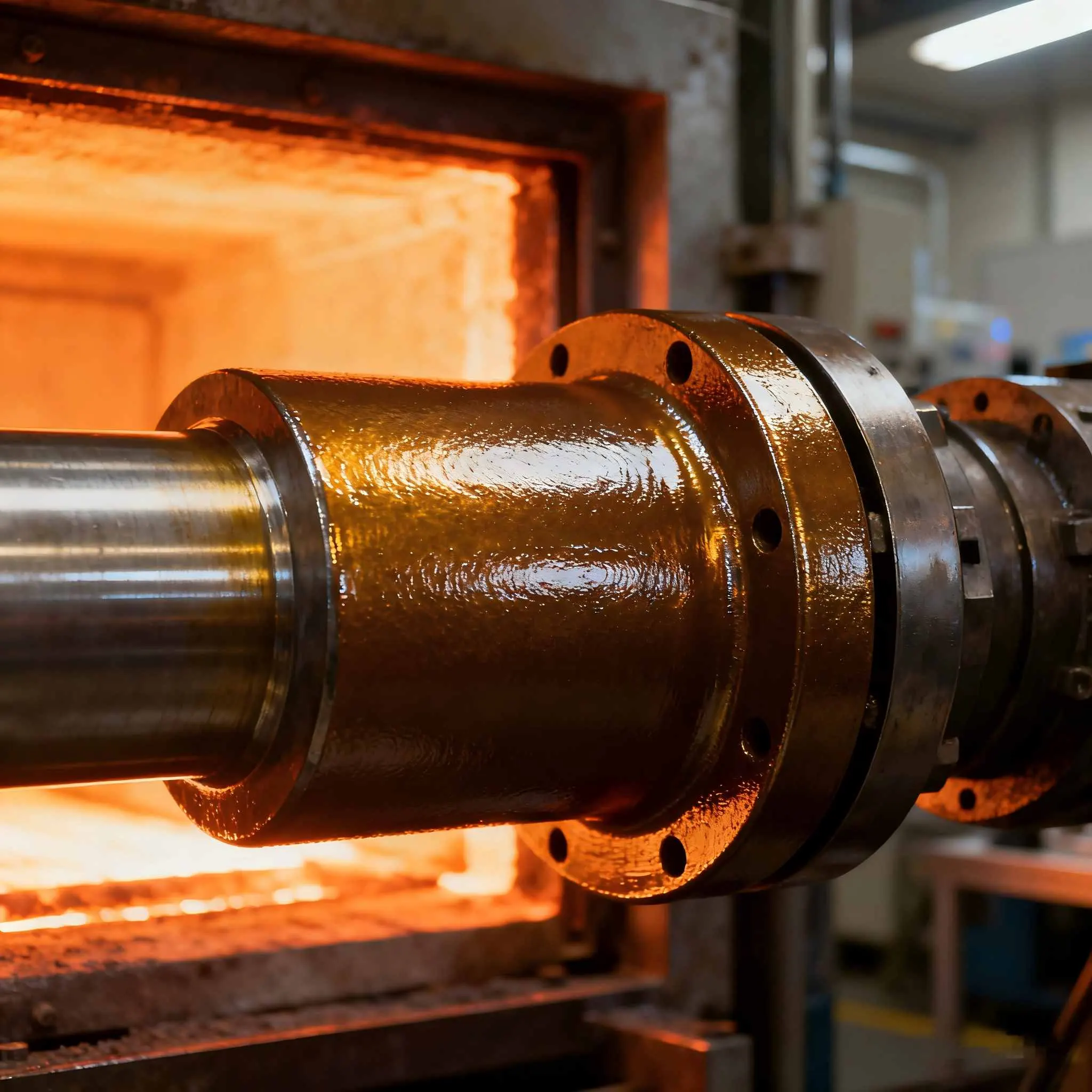
When it comes to sourcing reliable heat resistant coatings, Foshan Konaz Technology Co., Ltd. steps up as a go-to name. From their 3,000-square-meter plant in southern China, this crew pumps out over 1,000 tons yearly. They ship to fabricators and distributors worldwide. What sets them apart? A laser focus on functional coatings that tackle real-world heat without the drama. Think no-peel formulas for grills and burners. They stick through thick and thin.
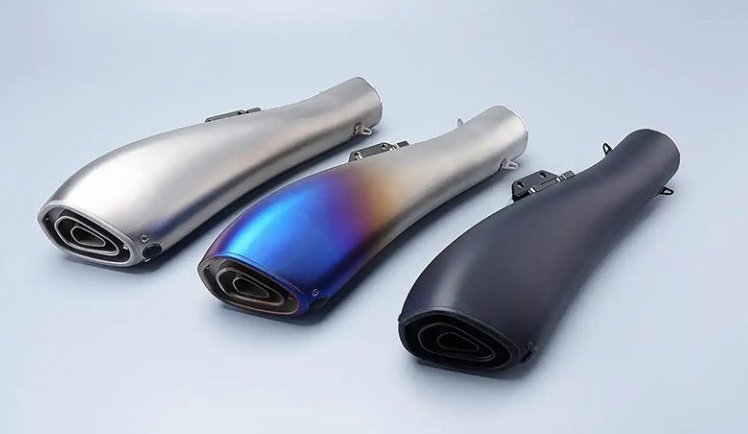
Konaz isn’t just about volume. It’s the details. Their high-temp line, built on organic silicone tech, hits 800°C with zero discoloration or chalking. Perfect for everything from motorcycle pipes to home heaters. Backed by a design team tweaking recipes for your specs. And a 24/7 hotline for troubleshooting. They make the switch seamless. It’s B2B done right. Custom blends. Quick turns. And that quiet confidence from a supplier who’s weathered the industry storms.
Wrapping It Up: Invest Smart, Burn Brighter
Diving into the real cost of heat resistant coatings reveals a simple truth. Quality isn’t an add-on. It’s the backbone of setups that last. From slashing long-term bills to locking in safety on a stove-top or furnace front, it pays dividends where shortcuts sting most. Next time you’re eyeing a spec sheet, weigh the full load. Not just the label. Your grills, heaters, and bottom line will thank you.
Frequently Asked Questions
What drives the real cost of heat resistant coatings beyond the initial buy?
It boils down to lifespan and upkeep. A tougher coat might cost more upfront. But it cuts replacements in half. Often saving 50% over five years on jobs like grill refinishing. Factor in less downtime. The math tips heavily toward quality.
Why does quality matter so much for safety in high-heat spots like fireplaces?
Poor coatings can blister or flake. They expose metal that heats unevenly. This risks sparks or fumes. Reliable ones hold 800°C steady. They keep surfaces stable. Slashing incident odds by up to 60% in tested heater housings.
How do heat resistant coatings boost performance on barbecue grills and stove grates?
They distribute heat evenly. They resist peels that mess with cooking. In real tests, coated grates stayed rust-free through 500 grilling sessions. Keeping flavors on point. Without the scrub-down scramble.
Can I trust a single coat for furnace racks under constant vibration?
Absolutely, if it’s built right. Premium silicone-based options bond deep. They endure shakes that loosen cheap layers. Extending rack life by 30%. And keeping production humming.
What’s the sweet spot for performance in home heaters versus industrial burners?
Both thrive on 200-800°C tolerance. But heaters lean on anti-chalking for clean looks. While burners demand flame-proof grip. Either way, why quality matters shines in zero-fail runs that protect and perform.