Manufacturers today feel the pressure. Governments tighten rules on emissions. Buyers demand greener products. Factories look for ways to cut harmful chemicals without losing reliability. In high-heat industries, this creates a real challenge. Equipment like boilers, fireplaces, and exhaust systems still needs coatings that survive 800°C. Yet old solvent-based paints release too many VOCs. They smell strong. They worry workers and neighbors.
Water-based 800°C coatings change the game. They deliver serious heat protection while staying kind to the environment. No heavy solvents. Lower emissions. And they perform where it counts — on metal surfaces that get blazing hot day after day.
If you run a plant that builds heaters, grills, or industrial equipment, you already know the trade-off. Pick performance and deal with regulatory headaches. Or choose eco-friendly options and risk early failure. The good news? That old compromise is fading fast. New water-based formulas now match or beat traditional coatings in tough conditions.
Why Environmental Rules Are Pushing Everyone Toward Water-Based Options
Regulations keep getting stricter worldwide. The EU, California, and many Asian markets limit VOC content in industrial coatings. Some places now cap levels so low that classic solvent-borne paints barely qualify. Factories face fines or shipment delays if they fall short.
For high-temperature applications, the stakes rise even higher. Boilers and chimneys operate in extreme heat. They also sit near workers or in residential areas for home appliances. People notice odors. They worry about indoor air quality. One Midwest appliance maker told me they switched after a big customer refused solvent-based shipments. The switch cut their VOC reporting load and opened doors to European markets.
Water-based coatings solve this cleanly. They use water as the main carrier instead of organic solvents. That drops VOCs dramatically — often into compliant territory without extra additives. Plants breathe easier. Communities complain less. And the coatings still cure into tough films that handle real-world heat.
Breaking the Myth: Eco-Friendly Does Not Mean Weak Performance
Many folks still believe green coatings sacrifice durability. They picture something that peels after a few heating cycles or fades under flame. That view comes from early water-based products years ago. Today’s silicone-based water formulas tell a different story.
These coatings combine advanced silicone resins with inorganic fillers. The result sticks tight to metal. It flexes with thermal expansion. It resists cracking even when temperatures swing from room level up to 800°C. In lab tests and field use, they show strong adhesion after repeated cold-hot cycles. The film stays intact. No chalking. No peeling.
Take a typical fireplace manufacturer. They used to battle customer calls about flaking paint after a couple seasons. After switching to a water-based high-heat option, complaints dropped sharply. The coating holds color under direct flame. It shrugs off soot and occasional moisture. Best part? Application feels familiar. Spray it thin, let it air dry or bake briefly, and you’re good.
Here’s what sets these coatings apart in daily use:
- They form a dense barrier that blocks oxygen and corrosive gases.
- The surface stays easy to wipe clean — important for grills and stove parts.
- They handle vibration and thermal shock without losing grip.
- Color stability holds even after long exposure to heat and UV.
One renovation shop in California specializes in updating old gas stoves for homeowners. They tried water-based 800°C coatings on exhaust pipes and burner areas. The results impressed them. No strong smell during application. The finish looked factory fresh. And the parts survived repeated high-heat tests without issues. Customers loved the greener angle too.
How Water-Based 800°C Coatings Deliver Safety and Peace of Mind
Safety matters more than ever. Workers in coating shops or assembly lines appreciate low-odor products. Families using new fireplaces or heaters want reassurance that nothing toxic off-gasses when things get hot.
Water-based versions shine here. They release far less pungent smell during curing. Once fully set — usually after 24 hours air dry or a short bake — the coating stays stable. No ongoing fumes at operating temperatures. This makes them ideal for indoor heating equipment and factories chasing green certifications.
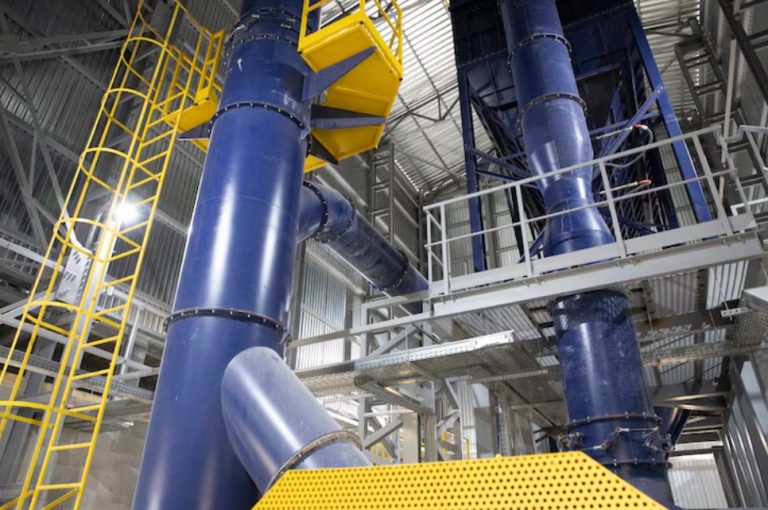
Think about a modern green factory building new boiler systems. They need coatings that meet both performance specs and indoor air standards. Water-based silicone coatings check both boxes. They protect against oxidation and rust. They keep equipment looking sharp for years. And they support the plant’s sustainability goals without forcing compromises on reliability.
Construction stays straightforward. Clean the metal until it shines. Mix if needed. Apply a thin coat by spray or brush. Then either let it air dry for a full day or bake at around 280°C for 15 minutes when possible. The thin film — typically 20-30 microns — adds almost no weight but creates lasting protection.
Real Benefits Plants and Manufacturers Notice Quickly
Switching brings measurable gains. Maintenance intervals stretch out. Repair costs drop. Equipment runs longer between service. Some operations report 3 to 5 extra years of reliable service on coated parts.
Fuel efficiency can improve slightly too. A well-protected surface loses less heat through the walls. In large boiler setups, even small gains add up over months of continuous operation.
Here is a simple comparison many buyers review before deciding:
| Aspect | Traditional Solvent-Based | Water-Based 800°C Coatings |
|---|---|---|
| VOC emissions | Higher, often needs permits | Much lower, easier compliance |
| Odor during application | Strong, requires good ventilation | Mild or minimal |
| Heat resistance | Up to 800°C in good formulas | Up to 800°C with solid adhesion |
| Color stability | Can fade or chalk over time | Holds original color longer |
| Worker comfort | More PPE and ventilation needed | Friendlier for indoor or enclosed spaces |
| Regulatory headaches | Frequent reporting in strict areas | Simplified in most markets |
These differences matter on the factory floor. One exhaust system producer cut their solvent waste disposal costs by nearly half after the change. Their team also reported fewer headaches from fumes during peak production weeks.
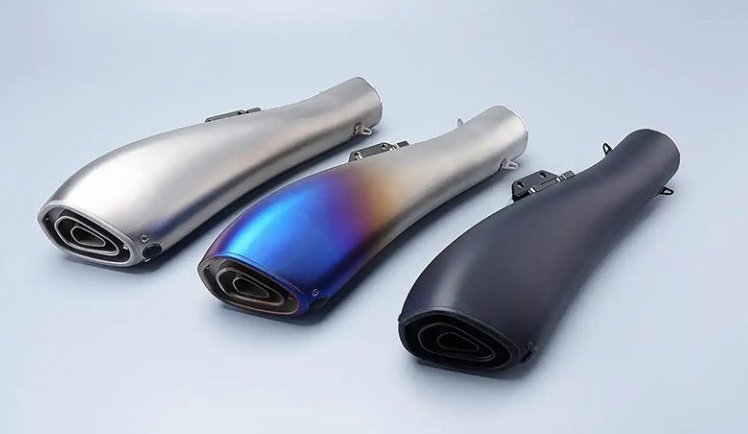
Applications spread wide. Fireplaces and BBQ grills benefit from the clean finish and easy maintenance. Industrial heaters and stove components gain long-term protection. Motorcycle and automotive exhaust parts handle heat, corrosion, and weather without peeling. Even specialized equipment in petrochemical or power plants finds value where low emissions pair with high performance.
Meet a Trusted Partner in High-Temperature Protection
Konaz has spent 15 years focused on advanced functional coatings. Their operation in Foshan runs a modern 3,000-square-meter facility with more than 30 production lines. Annual output reaches 1,000 tons of specialty materials. The team pours energy into research and consistent quality. Products ship to markets around the globe and earn repeat business from manufacturers who test samples and see real results.
Konaz stands out for blending performance with practical innovation. They understand the push toward sustainability without sacrificing the durability customers expect in harsh heat. Their water-based high-temperature options reflect that balance — reliable protection that also meets today’s environmental demands.
Wrapping It Up
The rise of water-based 800°C coatings shows how industry can move forward. You no longer choose between green credentials and real-world toughness. These formulas handle extreme heat, resist corrosion, and keep equipment looking good. They ease regulatory burdens and improve conditions for workers and end users alike.
If your operation involves high-heat metal parts, it might be time to explore these options. The upfront switch often pays back through longer service life, lower maintenance, and smoother compliance. Sustainability and strong performance can work together. Many plants already see the difference every time they fire up their equipment.
FAQs About Water-Based 800°C Coatings
What makes water-based 800°C coatings different from regular high-heat paints?
Water-based versions use water as the main carrier instead of heavy solvents. This cuts VOC emissions sharply while still delivering solid heat resistance up to 800°C. They stick well, resist peeling, and create less odor during application. Many manufacturers find them easier to work with in today’s regulated environment.
Can water-based coatings really survive 800°C without failing?
Yes. Advanced silicone resins and inorganic fillers help them form a tough, flexible barrier. They handle thermal cycling and direct flame better than many people expect. In real applications on fireplaces, grills, and exhaust systems, they maintain adhesion and appearance over years of use when applied correctly.
Are these coatings safe for indoor heating equipment like home stoves or heaters?
They offer clear safety advantages. Low odor and reduced volatile compounds make them suitable for enclosed or residential settings. Once cured, the film stays stable at high temperatures without releasing strong fumes. This helps manufacturers meet indoor air quality expectations.
How do you apply water-based 800°C coatings in a typical shop?
Start with clean metal — sand or blast until it shines and remove any oil or water. Apply a thin coat by spray or brush. Let it air dry for 24 hours or bake briefly at 280°C for 15 minutes when equipment allows. The process feels familiar but with fewer fumes and simpler cleanup.
Do water-based coatings cost more or create other trade-offs?
Initial material costs can run similar or slightly higher, but many users save on disposal, permits, and long-term maintenance. Performance matches traditional options in heat resistance and durability. The main gains come in regulatory ease and better working conditions. Testing a sample on your specific parts usually shows the real picture quickly.