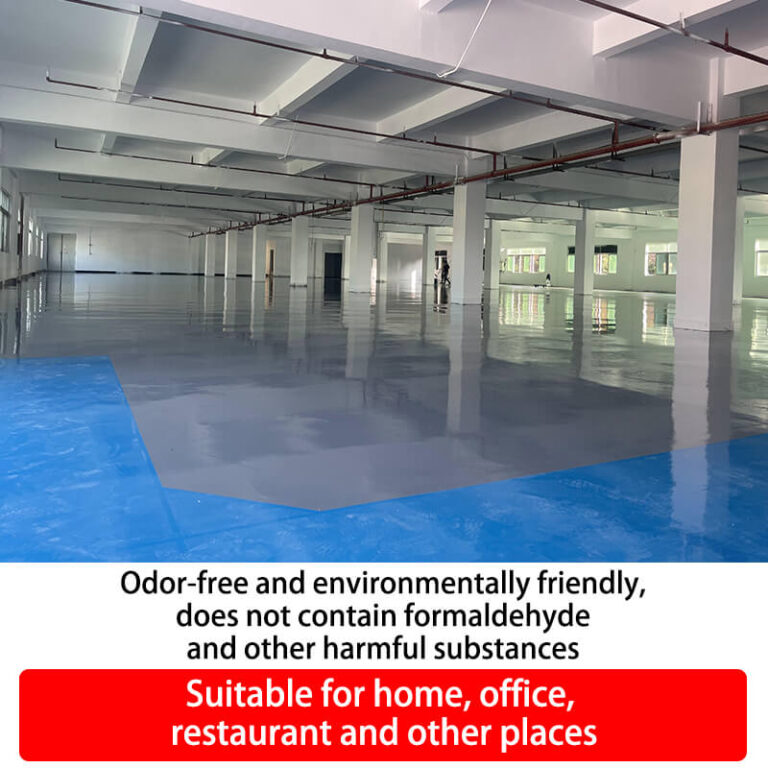
Garage epoxy flooring is a phenomenal alternative to typical concrete found in most garages. Epoxy can transform your plain slab of concrete into a long-lasting, aesthetically pleasing garage floor that can withstand the wear and tear of your cars, as well as other tools and machinery, along with any oil drips or stains. The reason why so many homeowners and garage owners alike decide to go with epoxy flooring is because of the elevated appearance of their garage as well as the newfound functionality of their space. In this guide, we will go over each step in detail to help you understand the process of installing epoxy flooring in your garage. We will cover topics such as preparation, mixing, application, curing, and even maintenance and care for your newly installed epoxy flooring.
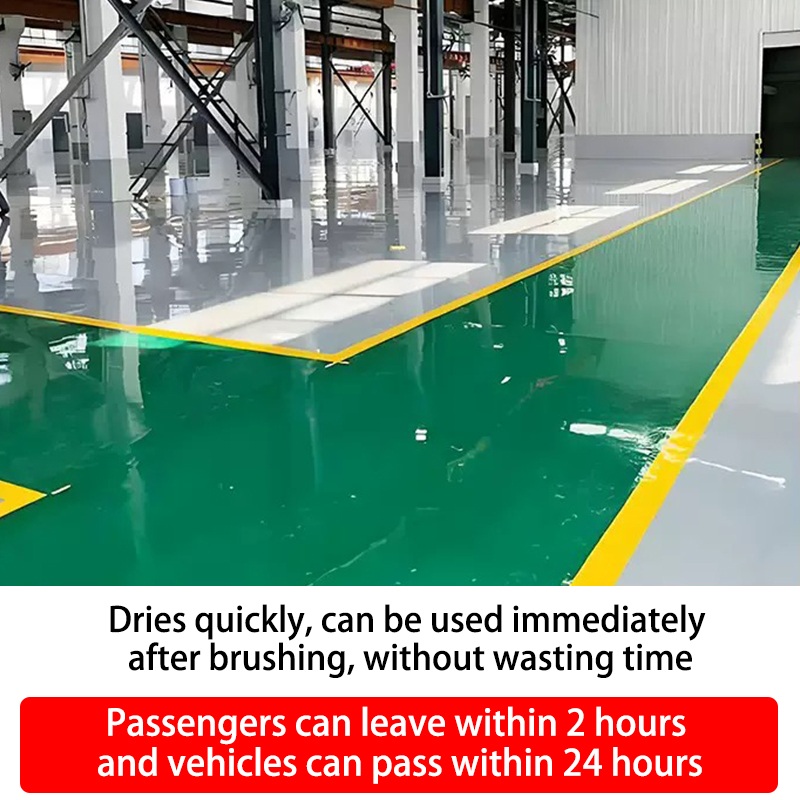
What to do before applying Epoxy Floor Coating.
Before applying epoxy floor coating to your garage, make sure the concrete slab is solid and ready for coating. Proper surface preparation is critical to ensure the coating will last and have strong adhesion. Without proper surface preparation, problems such as peeling and bubbles can occur. So take the time to properly prepare the surface in the beginning to create a strong and durable floor that is also chemical resistant.
Evaluating the Concrete Substrate
Start by inspecting the concrete for any signs of damage, such as cracks, laitance or dirt. Address any structural issues with the appropriate patching material and allow to cure. Test for moisture vapor emission to highlight any potential issues with blistering or peeling in the future. Prepare the surface to the correct profile using either grinding or shot blasting. Industry best practice for coating concrete is to open up the surface to CSP 2-3 to create a rough key for the coating to bond to.
Cleaning and Degreasing Procedures
Thorough cleaning removes anything that could stop the coating from sticking properly. Apply industrial-grade degreasers to lift oil stains and other residues, then rinse everything well. After you abrade the surface mechanically, vacuum up all dust and particles. The area needs to stay completely clean. Even tiny amounts of leftover chemicals can damage primer adhesion and shorten the coating’s life.
Applying the Primer Layer
The primer functions as a primer coat to create a connection between the bare concrete and the main coat of epoxy. The primer fills the minute pores of the concrete and helps the coat of epoxy to adhere. It is critical that the epoxy-compatible primer be mixed according to the manufacturer’s instructions. It is critical that the primer be rolled on evenly so as to not form pools or bare spots. Allow primer to fully cure before applying the base coat. It is critical that the primer be allowed to fully cure before applying the base coat in order to allow for good adhesion between the three coats of paint.
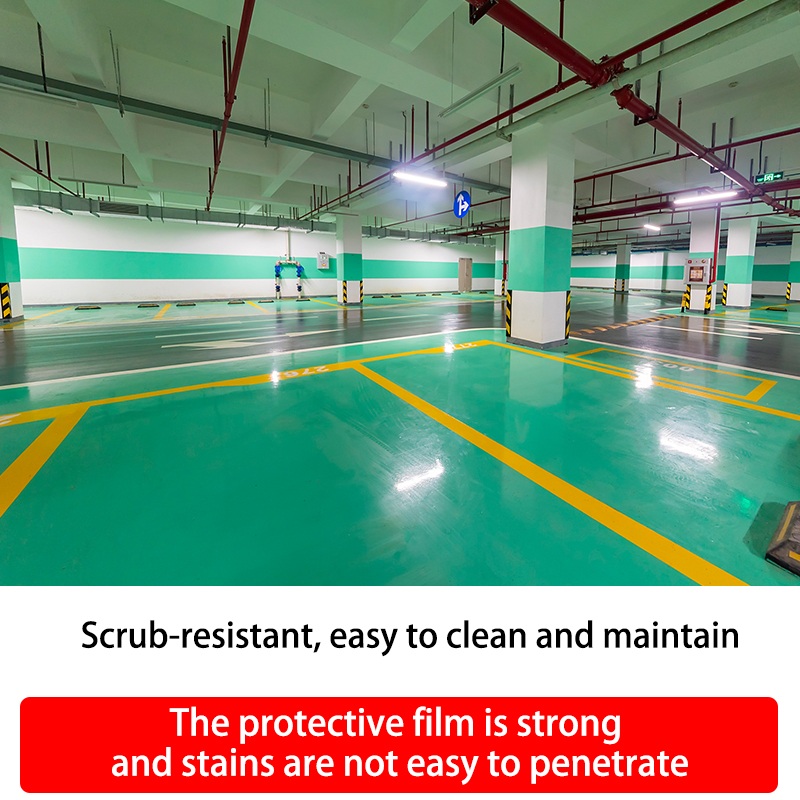
How to Mix and Apply an Epoxy Floor Coating?
After preparation of all components it is crucial to apply them in a correct mixture and in the right way. Even layer thickness and adequate chemical protection can only be achieved this way. Please pay close attention to temperature, to the humidity and to the working time.
Mixing Ratios and Pot Life Management
Most epoxy repair kits come in two parts: a resin (Part A) and a hardener (Part B). These must be mixed together in the exact ratio specified by the manufacturer. A slow speed mechanical mixer is best as it will introduce the least amount of air into the mix, which can form pinholes in the hard epoxy. It is also very important to ensure that you are working within the pot life time specified for the product. If the mix is allowed to thicken too soon the resulting repair will be patchy and possibly weak.
Application Techniques for Uniform Coverage
Pour the mixed epoxy in ribbons across the floor instead of dumping it from the bucket. This trick helps reduce trapped air. Spread it smoothly with a notched squeegee, then go over it with lint-free rollers to keep thickness consistent everywhere. Always maintain wet edges as you work. This prevents visible lines and helps sections blend together naturally.
Adding Decorative Elements or Anti-Slip Aggregates
Decorative flakes or quartz sand can be broadcasted into the wet base coat for added personalization and improved traction. Allow the base coat to set slightly then broom off excess. Finish with a clear topcoat to protect and give a high gloss finish.
What Are the Key Factors Affecting Curing and Performance of Concrete?
How the coating cures determines its final hardness, resistance to chemicals, and overall bond strength. This becomes especially important in garages that deal with heavy vehicles or fluid spills.
Environmental Conditions During Curing
Cure at room temperature of 20–25°C and relative humidity below 70%. Use temporary dust protection and avoid high air movement during the initial stages to avoid surface defects. Keep water away from the surface until the final cure is complete. This takes approximately 5–7 days for full cross linking of the resin.
Post-Curing Inspection and Maintenance Planning
After curing, measure the coating thickness with proper tools like wet film gauges or ultrasonic devices. Run adhesion tests if needed to confirm the layers are well bonded. Plan regular cleaning with mild, pH-neutral soaps. These habits help the floor stay strong and attractive under normal garage conditions.
Why Foshan Konaz Technology Co., Ltd. ?
Foshan Konaz Technology Co., Ltd is a leading manufacturer of high-performance epoxy floor coating systems that can be used in industrial, commercial and residential environments all over the world. Foshan Konaz Technology, by making use of the latest resin technology and strict quality control measures, produces a range of floor coating products that are highly durable, resistant to chemicals and have high gloss and color retention.
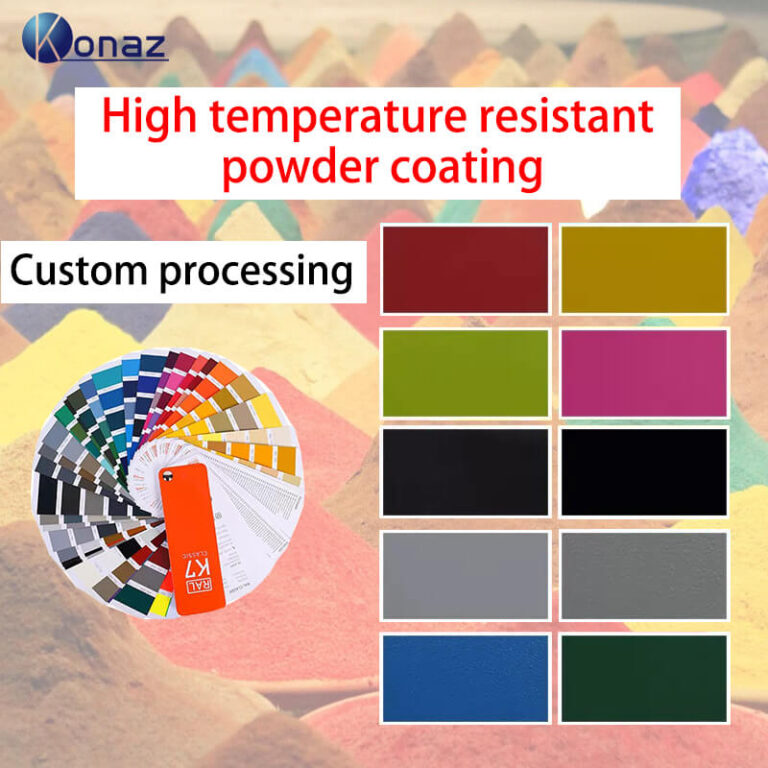
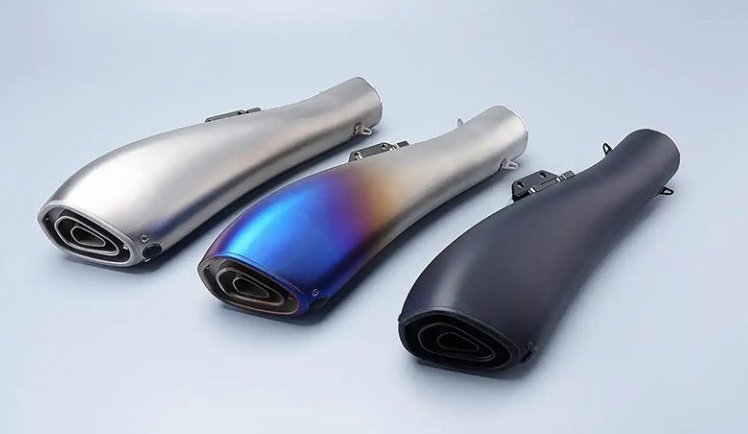
We are a specialized manufacturer of advanced functional coating materials focused on high-performance solutions for industrial and digital printing needs. Our key product lines feature High-Temperature Resistant Coating that handles extreme heat on automotive exhaust parts, fireplaces, BBQ grills, and other hot metal surfaces. While these differ from standard epoxy, they highlight Foshan Konaz’s deep knowledge in resin chemistry and reliable performance in tough environments.
Sparboe Floor Covering products are currently being sold in numerous international markets. Customers worldwide recognize Sparboe Floor Covering brand name and develop confidence and trust in it due to quality of our products as well as experience and high qualifications of our technical department. This department is able to prepare necessary and high quality flooring project technical solution for every customer.
What Are Common Challenges During Garage Epoxy Application?
Even experienced applicators can encounter problems if site conditions are not managed properly.
Addressing Common Application Defects
Bubbling usually comes from air or moisture trapped in the concrete. Good drying before priming reduces this issue. Uneven gloss appears when roller pressure changes during application. Steady, even rolling creates uniform shine. Delamination often results from poor surface texture. Reaching CSP 2–3 before priming builds the mechanical bond needed for success. These same principles apply to other specialized coatings, including high-temperature formulas. Strong preparation always remains the foundation.
How to Maintain an Epoxy-Coated Garage Floor for Years to Come.
With regular maintenance your floor will continue to look great and perform well even with cars, chemicals, extreme temperature changes etc. put through it.
Routine Cleaning Practices
Sweep the floor to remove abrasive particles that could scratch the surface. Use a mild pH-neutral cleaner for mopping, avoiding acids that can damage the polymer coating. Apply new topcoats every couple of years depending on usage, to protect against oils and solvents.
Conclusion
Contrary to what many people believe in regards to applying epoxy flooring in garages that it is similar to painting, it actually requires great attention to the material science behind the high end heat resistant coatings that Foshan Konaz Technology Co., Ltd. produces. By strictly adhering to the preparation, curing environment and high quality maintenance procedures found with epoxy garage floor coatings, such garages can have very durable heat resistant flooring that is also great looking and will provide great long term value even in the most heavily used of garages.
FAQs
Q1: Can epoxy be applied on top of previously coated floors?
A1: Yes – Check compatibility first. Remove any loose old material by grinding or sanding as required.
Q2: How long should one wait before starting to park cars on newly coated floor surfaces.
A2. A 5–7 day plan for normal temperature installation. Do not place excessive weight on until fully cured.
Q3: Is moisture mitigation necessary before applying epoxy coatings?
A3: Moisture will create blisters or cause paint to peel. Use of a vapor barrier or special moisture tolerant epoxies in these instances.