Concrete floors in basements, attached garages, underground parking structures, equipment rooms, and storage spaces run into the same familiar set of headaches on repeat. Groundwater vapor rises steadily through the slab, shrinkage cracks and settlement lines open wider with time, and the top layer powders off under traffic, kicking up fine dust that settles on everything and lingers in the air. Dampness feeds mildew patches and odors, cracks become slip risks or water highways, and the dusting cycle means constant brooming, reduced air quality, and grime on stored stock or machinery. Epoxy floor paint, applied as a multi-layer industrial coating system, cuts through these issues—it drives deep to seal vapor routes, gives enough flex to bridge small cracks, and lays down a dense, hard shell that kills dusting while lifting light reflection and making sweep-and-wash cleanup straightforward. The floor ends up solid and practical for residential lower levels or commercial underground use.
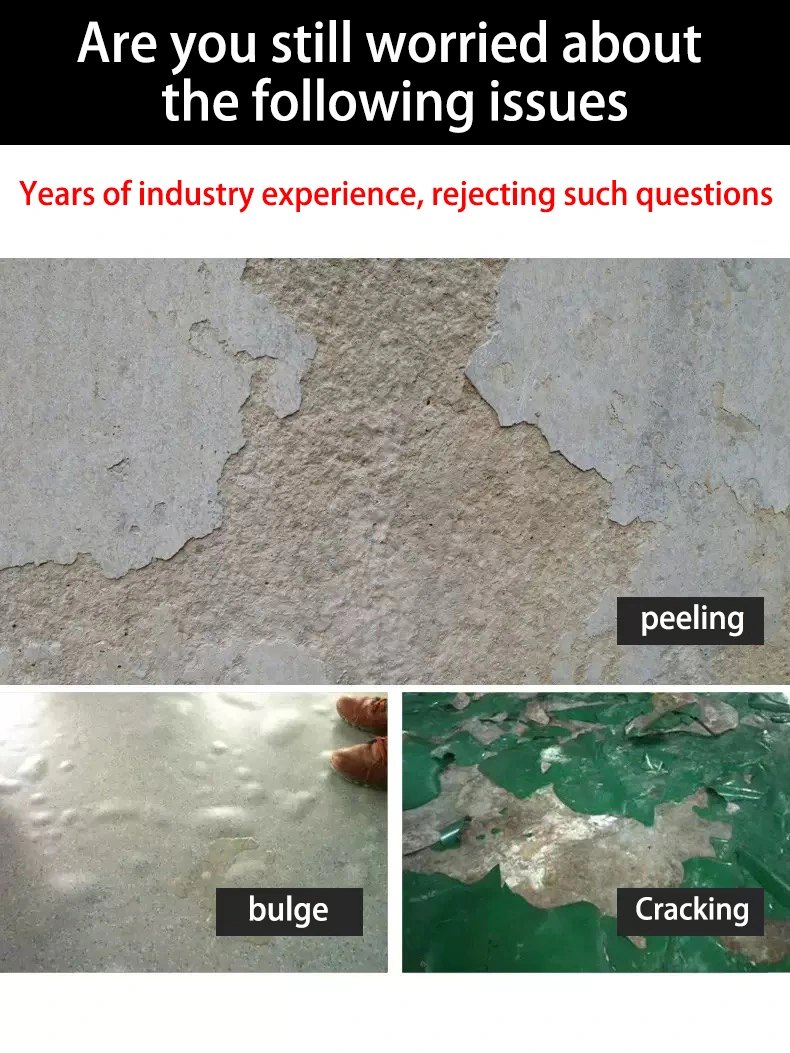
Moisture vapor leads the pack in breaking down below-grade concrete. Soil dampness, fluctuating water tables, or spotty exterior drainage push vapor up through the open pores. Across seasons that movement erodes surface strength, pulls efflorescence to the top, and opens the door for mold colonies that spread musty smells and spores. Coatings slapped on without handling vapor often blister or lift when pressure traps underneath. Installs in the field show that untreated spaces start showing mold spots or surface wear in just a few years when humidity sits high for long stretches.
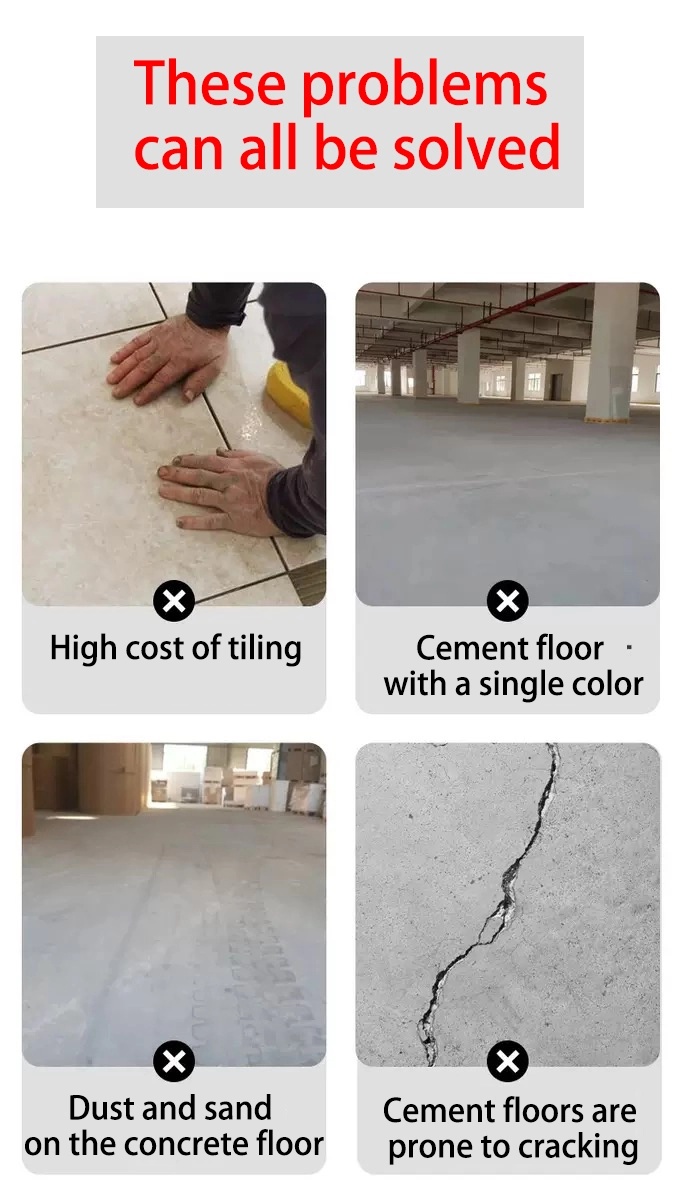
Cracks develop from curing pullback, slow foundation shifts, temperature changes in cold zones, or concentrated hits from tires and gear. Fine lines stretch into paths that pull water deeper, hastening edge spalling or wider breaks. Parking decks and equipment bays watch cracks grow quicker under rolling loads, frequently calling for fill work ahead of any coating.
Dusting drags on everyday function. The loose laitance and cement film wear away from foot passes, tire scrub, or even regular sweeping, scattering silica dust that coats shelves, walls, and air returns. Garages and storage setups turn this into endless cleanup, with floating particles wearing on breathing comfort and gear longevity.
The problems link tightly. Moisture loosens the surface and ramps dusting; cracks let in extra water; dusting flags substrate weakness tied back to persistent damp. A working solution has to hit the concrete from all angles.
Understanding the Top 3 Basement Floor Enemies
Moisture drive combined with mold stands as the heaviest hit on underground concrete. Capillary suction and hydrostatic force shove vapor through the slab, hitting harder where groundwater swings or grading falls short. Built-up moisture backs microbial activity, leaving stale air and exposure risks over time. Coatings put down blind to vapor show failures fast—bubbling, peeling, delamination crop up early in service.
Cracks cover a range, from cure-induced hairlines to settlement gaps. Shrinkage starts them, ground movement or thermal load widens them, and in parking areas vehicle weight drives progression. Exposed cracks route water, wear edges, and leave uneven footing that cuts safety and speeds total decline.
Dusting hits routine use hard. Abrasion strips the unbound top, flinging powder that builds on contents and moves through ventilation. Closed equipment rooms or storage zones accumulate contamination fast, pushing maintenance higher and threatening delicate parts.
These rarely stay separate. Moisture speeds cracking and dusting; cracks draw more moisture; dusting shows surface fragility amplified by damp conditions. Protection needs to treat the slab as one integrated piece.
How Epoxy Floor Coatings Solve These Problems – Layer by Layer
Industrial epoxy floor paint systems work through staged layers, kicking off with heavy prep—shot blast or diamond grind to clear laitance, dirt, and weak zones while cutting a profile for grip.
The opening move is the low-viscosity penetration primer. It wicks into pores, pushes out air, ties down loose material, and blocks capillary tracks to slash moisture vapor transmission. On slabs with measured emission, this drops rates to safe levels for overlays and stops dusting by firming the wear zone.
Flexible mid-coat adds build and stretch. It spans hairline cracks—usually managing up to 1/16 inch—without splitting or pushing lines to the surface. The layer spreads traffic impacts, building toughness in garages or equipment areas facing thermal shifts or shake.
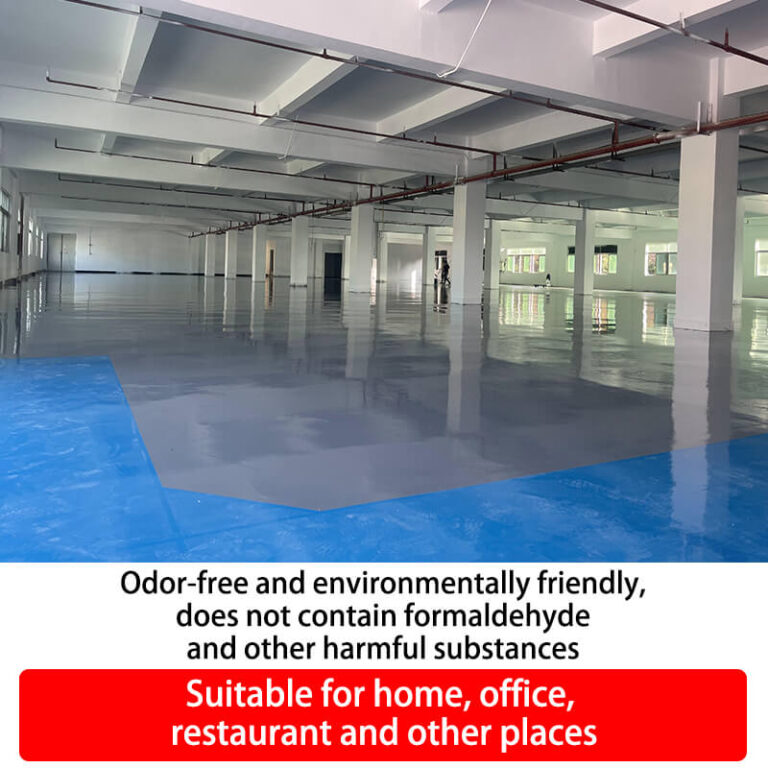
Wear-resistant top coat forms the face—loaded for abrasion and chemical pushback against oils, fuels, and mechanical grind in parking or storage. Gloss or semi-gloss pulls light around, brightening tight underground spots and easing lighting demands. The closed, smooth finish sheds spills and soil quickly, cleans with mop or rinse, and blocks powder release going forward.
Single-part paints or off-the-shelf kits commonly miss the mark here—they skip deep soak or vapor handling, lifting in wet conditions after months. Layered systems, prepped and placed correctly, deliver 10–20 years in basement, garage, and underground duty, tied to traffic and environment.
Prep sets the outcome. Slab moisture checks—plastic sheet or calcium chloride—confirm go/no-go. Cracks route out and fill with compatible resin. Surface cleans, dries, profiles. Miss any and top-grade product still fights an uphill battle.
Real-World Applications – Where This System Shines
Residential basements change the most. Raw utility or storage shifts to finished zones—shops, exercise areas, play spaces—where vapor control kills damp smells and dusting guards equipment. Reflective finish fights low light and headroom, opening the feel of the room.
Attached garages and underground parking hold steady against fluid drips, tire wear, and heavy rolls. Seamless film resists marks, rinses clean under pressure, and spans seasonal cracks without show-through. Commercial oversight sees less labor and fewer hazard reports.
Storage rooms, equipment bays, civil defense enclosures, and utility spaces stay clear of dust and humidity effects. Stock or machines avoid gritty buildup; sealed slab limits moisture-linked pest entry. In residential and lighter commercial service, the method stretches concrete life and drops upkeep expense.
Foshan Konaz Technology Co., Ltd – A Trusted Provider of Industrial Coatings
Foshan Konaz Technology Co., Ltd manufactures advanced protective coatings built for industrial and high-demand settings. From its base in Guangdong Province, China, the company runs updated production lines focused on reliable output and performance in severe conditions. The range covers industrial-grade epoxy floor paint noted for strong hardness, wear resistance, and chemical hold, fitting factories, warehouses, parking areas, and basements. Konaz holds tight quality controls and supplies adjusted formulations to deliver dependable, extended floor systems that resist abrasion, moisture exposure, and daily wear.
Conclusion
Moisture vapor, cracks, and concrete dusting wear down basement and underground floors, but a layered epoxy floor paint system meets each with clear purpose. The penetrating primer shuts vapor and firms the surface, the flexible mid-coat takes movement and spans defects, and the durable top coat ends powdering while raising light reflection and clean speed. This matched approach fixes present damage and stops repeat trouble, producing cleaner, brighter, more consistent spaces. Managers and operators handling these conditions gain solid returns in service span, cleanliness, and lower maintenance through professional-grade epoxy work.
Frequently Asked Questions
Can epoxy floor paint fix a damp basement floor with ongoing moisture issues?
Epoxy floor paint builds a firm seal using a vapor-tolerant primer, though major slab moisture sources require review first. Elevated emission often needs drainage work or added controls. Post-mitigation, the system governs vapor and limits mold comeback.
How do I repair cracks in my basement concrete before applying epoxy floor paint?
Hairline cracks generally clean out then fill with flexible repair resin suited to slab dynamics. Broader ones route and inject with low-viscosity resin. Sound repair stops defects traveling up through the coating build.
Does epoxy floor paint stop concrete dusting permanently in a garage or storage area?
A full system with consolidating primer and tough top coat binds the surface and cuts powder under standard traffic. Uncoated concrete resumes dusting; a proper epoxy setup controls it long-term.
Is epoxy floor paint suitable for underground parking or equipment rooms with vehicle traffic?
The coating takes oils, abrasion, and moderate impacts in those places. Multi-layer depth manages load spread, and the sealed face keeps clean with reduced dust labor.
How long can I expect an epoxy floor paint system to last in a basement environment?
In normal residential or light commercial conditions, with correct placement and exposure management, performance runs 10–20 years. Strong moisture handling at install plus regular cleaning extends it further.