The floor area is on the drawing. The epoxy floor paint coverage is on the product sheet. Why, then, can two estimates give different set quantities? Look at the line that says how many coats the coverage includes. Also check whether both estimates cover the same floor. For the sums in this article, we’ll give our hypothetical warehouse an area of 600 square metres. There’s no customer project behind that choice. It’s just a convenient number for showing what the coverage wording does to the calculation.

Does the Coverage Figure Already Include Both Coats?
There is a small phrase on the KONAZ Epoxy Floor Paint page that is easy to miss: “two coats, two-component system.” It sits beside the theoretical coverage of 4–6 square metres per kilogram. Copy that phrase into the spreadsheet with the rate.
Avoid counting the same coat twice
Suppose the purchasing spreadsheet has a column called “number of coats.” Someone enters two, then divides the doubled floor area by the KONAZ coverage figure. That counts the two coats twice. The published figure already describes the two-coat system. A rate quoted per coat would need different arithmetic.
Before using it, confirm the combined-component weight basis and what the system includes. A separate primer or repair material belongs on its own line, outside the floor paint quantity.
Where Does the 100–150 kg Estimate Come From?
In our example, the entire 600 square metres will receive the quoted two-coat system. We haven’t included repairs or added a loss factor. This is just the floor area divided by coverage.
Calculate with both ends of the range
Using the higher spread rate, the sum is 600 / 6 = 100 kg. With the lower spread rate, it’s 600 / 4 = 150 kg. Our theoretical quantity lies between those two results. Neither sum needs the area multiplied by two again.
KONAZ supplies the product in 20 kg sets. Five sets give 100 kg. For 150 kg, the division gives seven and a half sets, so a purchase of complete sets would round up to eight. At this stage, neither five nor eight sets is an approved order quantity. There is still the floor itself to consider, along with the applicator’s allowance.
Which end of that range has the bidder used? That belongs beside the quotation total, where another buyer can find it.
Which Areas Are Actually Being Painted?
A walk round with the floor plan can settle this. Perhaps one room is excluded, or the area under a fixed machine won’t be coated. An aisle scheduled for the next shutdown would belong to a later order. Mark each boundary on the plan while you’re there.
Does the contract include coated upstands? Measure those separately and agree their material calculation. The building’s headline floor area won’t account for them.
Keep the signed-off drawing so the buyer and contractor can return to it if their area totals differ.

Where Will the Site Allowance Come From?
The applicator ought to be able to explain the allowance against the floor being prepared and the way it will be painted. A theoretical figure can’t settle that for a floor nobody has assessed. Nor can an allowance copied from another warehouse.
If possible, agree a representative trial area and record the material used there. Note which coating layers the trial includes. Otherwise, a kilogram figure may mix floor paint with repairs or other materials and still look like a clean comparison.
Readiness is worth checking before the bulk order, too. KONAZ’s concrete moisture testing guide deals with one part of that assessment. A finished quantity calculation doesn’t mean the slab has been cleared for coating. Give the supplier the floor condition and test information, then get the proposed system confirmed.
What If the Approved Requirement Is 170 kg?
Here’s a second piece of example arithmetic. Our hypothetical requirement is now 170 kg after the allowance has been agreed. That’s eight full 20 kg sets plus half of another, since 170 / 20 = 8.5. You’d buy nine complete sets, giving 180 kg. The 10 kg difference is a consequence of buying full packs.
Someone may want to hold that difference for repairs. Put the decision on the order record. Would maintenance be buying another reserve? Compare the two stock requests before approving both.
Will the last phase take place months after the first? Check the dates on those sets against the schedule. The stated shelf life is 12 months for sealed material stored properly. Get the mixing instructions as well. A two-component pack isn’t an invitation to invent a ratio or split the components by eye.
What Can KONAZ Confirm Before You Order?
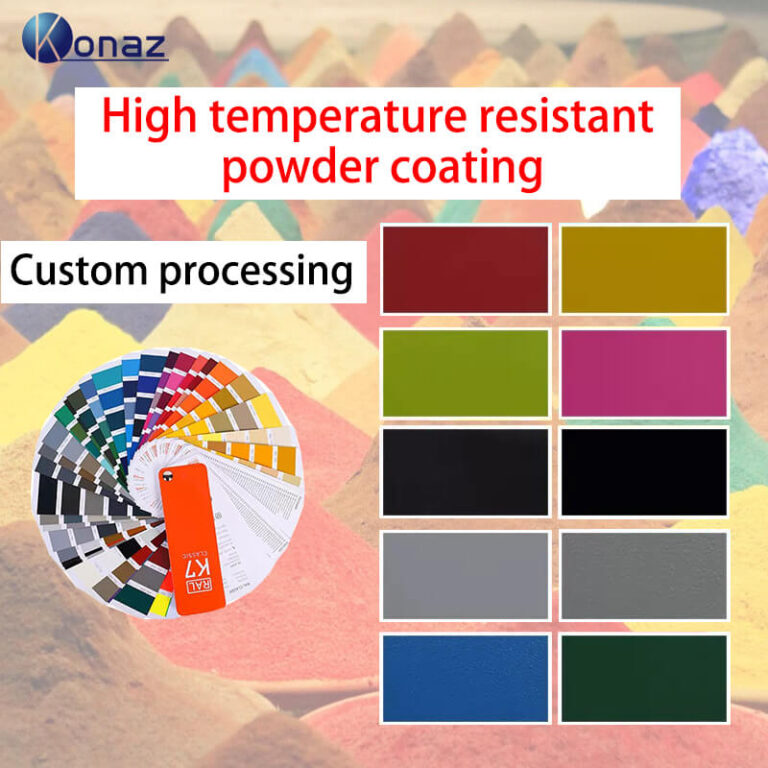
KONAZ offers this industrial epoxy floor coating for warehouses, factories, parking areas and basements. The published options include a glossy finish and trowel, roller or spray application. Green, grey, blue and custom colours are listed. Which option has the installer allowed for? Put that answer on the enquiry.
You have most of the information ready by the time you request the project quotation: the marked plan, slab condition, test information and intended method. Send those together. In the reply, look for the coverage inclusions and the quantity in complete sets. Any gap between that reply and your estimate is a question to resolve before ordering.
Conclusion
The two-coat wording is the detail to carry from the product sheet into the order calculation. KONAZ’s figure is 4–6 square metres per kilogram for that system. After measuring the floor, settle any separate materials and the applicator’s allowance. Only then round the weight into sets. Keep the working with the order so the next person can follow it.
FAQs
Do I multiply by two for a two-coat floor?
Not when the coverage figure already covers both coats. If another supplier quotes per coat, use that supplier’s basis instead.
What area does a 20 kg set theoretically cover?
The published rate gives 80–120 square metres for the stated system. It isn’t a promise for every prepared floor.
Can the theoretical estimate go straight onto the order?
First settle separate materials and the site allowance. Then round the approved total into complete sets, keeping any repair reserve clearly identified.