Anti-rust paint holds an important place in lengthening the durability and keeping the visual appeal of metal furniture. It functions as a solid physical and chemical barrier against outside elements that hasten rust. The coating builds a steady protective layer. This layer stops direct touch between metal areas and outer damaging factors, including oxygen, water, and contaminants. Such combined roles—guarding and enhancing looks—render anti-rust paint vital in the production and upkeep of metal furniture.
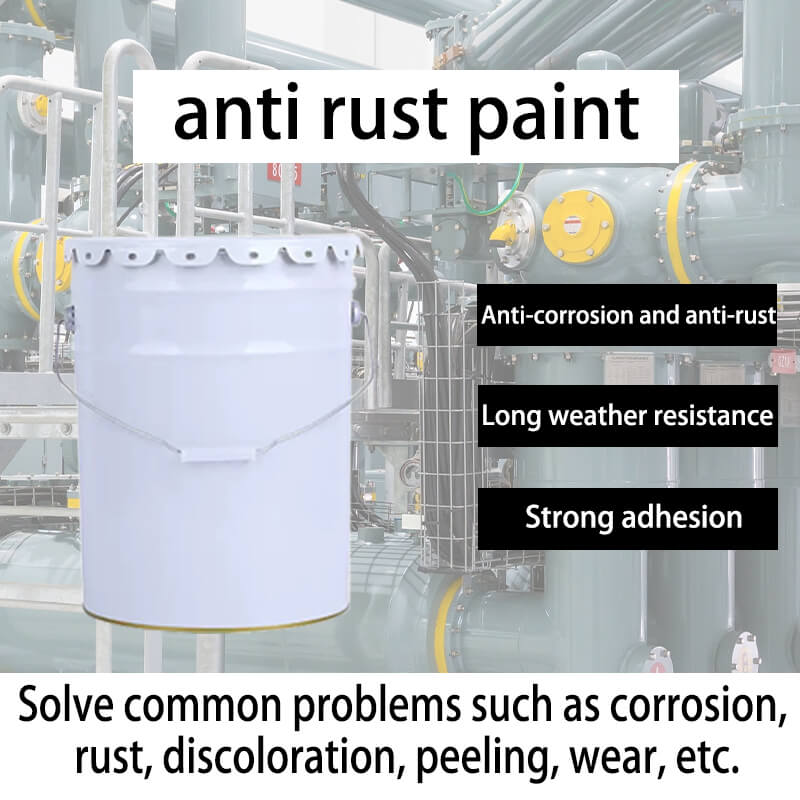
The Mechanism of Corrosion Prevention
The key way anti-rust paint stops rust comes from its skill in creating a barrier. After application, the coating separates the metal from dampness and air. These are the two basic parts needed for rust to develop. The mix includes blocking pigments. These pigments respond chemically to likely damaging agents. They cancel them out before those agents hit the base material. Such pigments frequently contain substances like zinc phosphate or options in place of chromate. These make the surface less prone to reaction.
The paint’s sticking qualities matter just as much. Firm adhesion keeps the coating whole. It does so even during physical pressure or heat growth. This reduces small splits or separation. Without it, those spots would let moisture in. Proper use of anti-rust paint creates a sealed layer. That layer improves both sturdiness and build dependability.
Types of Anti-Rust Paint Commonly Used in Metal Furniture
A variety of anti-rust paints lets producers choose layers matched to particular needs:
- Epoxy-based coatings see common use for inside metal furniture. This stems from their fine sticking and resistance to chemicals. They create a thick linked film. That film withstands rubbing and chemical harm.
- Polyurethane paints find favor for outside jobs. This is due to their bendiness and steadiness under UV light. Their give allows for heat growth without breaks. Meanwhile, their hold against sun keeps colors from dulling.
- Zinc-rich primers offer cathodic protection. They work by giving up themselves. Zinc grains in the layer rust first. This guards the steel base from breakdown.
Every sort adds in a special manner. It boosts rust resistance. At the same time, it upholds visual standards.
How Does Anti-Rust Paint Enhance the Longevity of Metal Furniture?
The lasting nature of metal furniture relies mainly on its power to endure outside pressures. These include moisture, heat changes, and impurities. Anti-rust paint notably cuts the pace of breakdown from oxidation and similar electric-chemical actions.
Resistance to Environmental Stressors
Strong coatings protect faces from harsh settings. These cover acid rain, air heavy with salt near shores, and factory outputs with sulfur dioxide or nitrogen oxides. For outside items open to sun, formulas against UV halt chalking. Chalking is when paint faces break down to dust from light-chemical processes. Besides, these guarding layers lessen upkeep times. They do this by cutting repaint demands and fix expenses as years pass.
Impact on Structural Integrity Over Time
Rust harms not just the look but also the build’s solidity. Rust piles up and spreads in connections and welds. This brings bending or softening of weight-holding sections. Anti-rust paint blocks rust starts at those key areas. Thus, it saves mechanical power over long use periods. Steady guarding makes sure indoor show pieces and outside build items keep trustworthiness. They manage this even in tough surroundings.
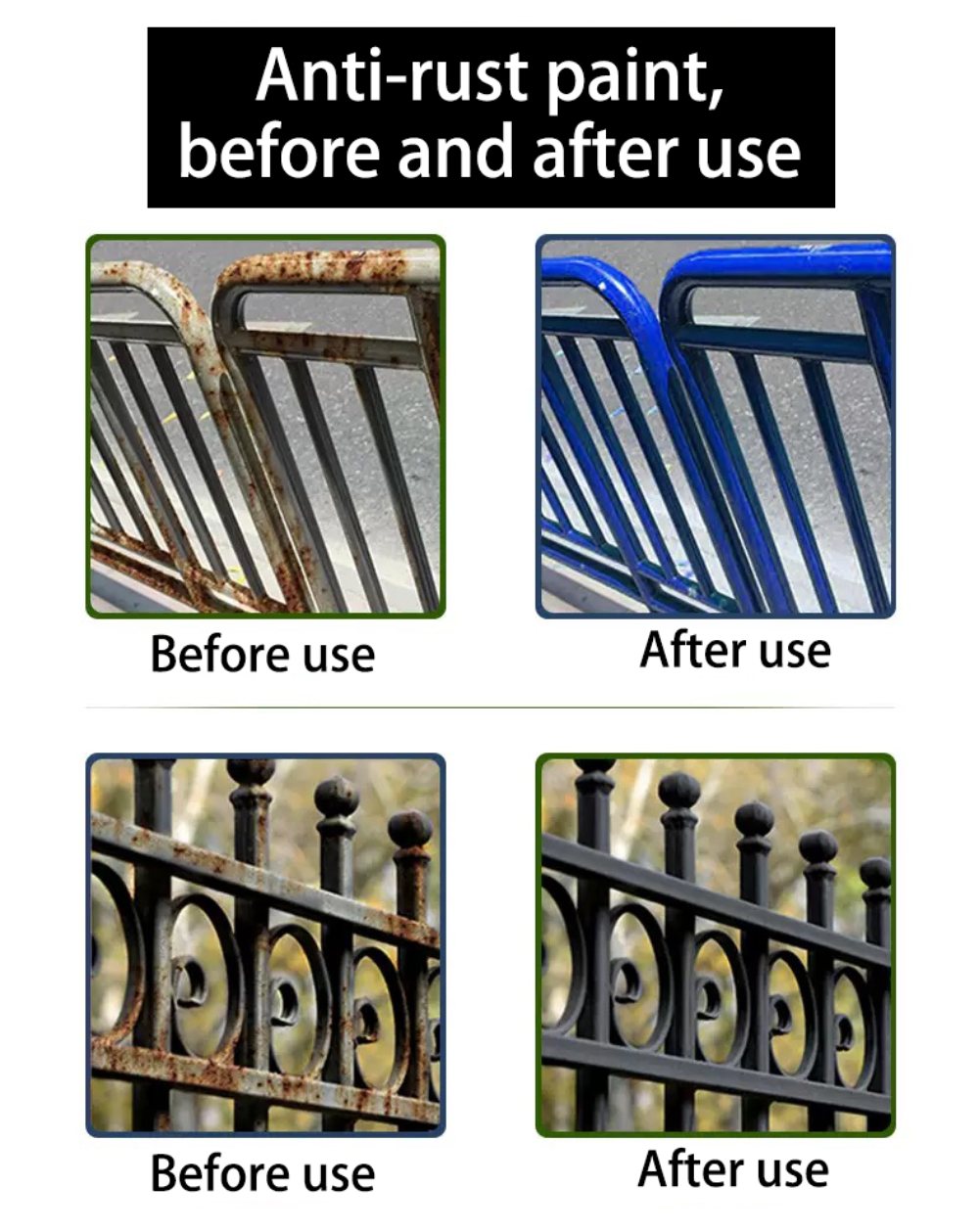
In What Ways Does Anti-Rust Paint Improve the Aesthetic Value of Metal Furniture?
Anti-rust paint goes further than its guarding job. It takes a main part in setting style looks for current metal furniture. Producers use forward coating methods to gain finishes that fit today’s inside and outside styles.
Color Retention and Surface Finish Quality
Fine pigments added to anti-rust coatings guarantee color holding over time. This holds true even in strong sun contact. Even finishes boost touch sense. They also stand against dirt buildup. That is a main point for keeping clean in open or business places. Moreover, choices in shine degrees like flat, half-shine, or metal-like results let creators adjust looks to taste styles. All this happens without harming lasting power.
Balancing Functionality with Design Expression
Current mixes join sturdiness with style bendiness. This lets creators blend useful guarding with sightly refinement without effort. Guarding layers no longer seem just practical. Rather, they add directly to item character. This even mix of work and style raises market edge. It lifts seen worth for buyers wanting both toughness and grace in metal furniture.
Why Is Foshan Konaz Technology Co., Ltd a Reliable Supplier of Anti-Rust Paint?
Foshan Konaz Technology Co., Ltd has won praise as a steady provider. This comes from its dedication to new ideas in coating tech. The tech fits exact needs for factory furniture uses. The firm’s know-how covers study growth, making betterment, and customer-focused tech aid. All point to giving top results.
Company Expertise and Product Advantages
The company centers on strong anti-corrosion coatings. These are built for tough factory spots where long sturdiness counts most. Its study efforts stress green mixes. These show low volatile organic compound (VOC) amounts. Yet they keep top sticking traits on many metal bases. Customers gain from full advice services. These help in picking best coating setups. Choices base on outside contact risks. This brings both work smarts and green ways to making lines.
How Can Professionals Optimize the Application Process for Better Results?
The top anti-rust paint still needs right putting-on ways to reach its max power. Pro ending habits shape coating work straight. This covers sticking force, even spread, and lasting time.
Surface Preparation Techniques
Good face prep starts with removing grease. Do this with solvents or base cleaners. They clear oils and dirt that block sticking. Tools like sandblasting rough the face. This makes a bumpy outline perfect for primer joining. It boosts lock between base and coating parts. Early handling with change coatings like phosphates adds to rust fight. It does so by making a steady chemical base under the primer layer.
Application Methods for Uniform Coverage
For steady outcomes over hard shapes common in metal furniture plans—like tube frames or hole panels—spray putting-on stands out. It gives even film depths fast. Brushing or rolling fits small works or spot mends. There, exact rule matters. Watched drying setups in hardening make sure full solvent loss and best linking in polymer setups. This leads to better film wholeness and long sticking work.
Conclusion: Integrating Protection with Design Excellence in Metal Furniture Manufacturing
Anti-rust paint stands for over a mere face fix. It carries a blend of materials know-how newness with style building in today’s metal furniture making. Makers reach goods that meet tight rules for work sturdiness. They do this by mixing forward mixes with careful putting-on steps. Plus, these goods give style range that matches changing buy wants.
FAQs
1. How often should anti-rust paint be reapplied on outdoor metal furniture?
Reapplication intervals depend on exposure severity; generally every three to five years ensures sustained protection against weather-induced deterioration.
2. Can anti-rust paint be used directly on galvanized metal surfaces?
Yes—but only after appropriate surface preparation such as light sanding or application of an etching primer designed specifically for galvanized substrates to promote proper adhesion.
3. Are eco-friendly versions of anti-rust paints available for industrial use?
Many manufacturers now produce waterborne low-VOC variants offering comparable corrosion resistance while adhering to increasingly strict environmental compliance standards worldwide.