Industrial coatings are specially made materials. They protect and improve the surfaces of equipment, machinery, and structures in many industries. Their main goal is to guard assets from harm caused by the surroundings and daily operations. This harm includes corrosion, heat, chemical contact, and physical wear. In work settings where dependability and safety matter most, these coatings lengthen the useful life of vital parts. They also keep the overall strength intact.
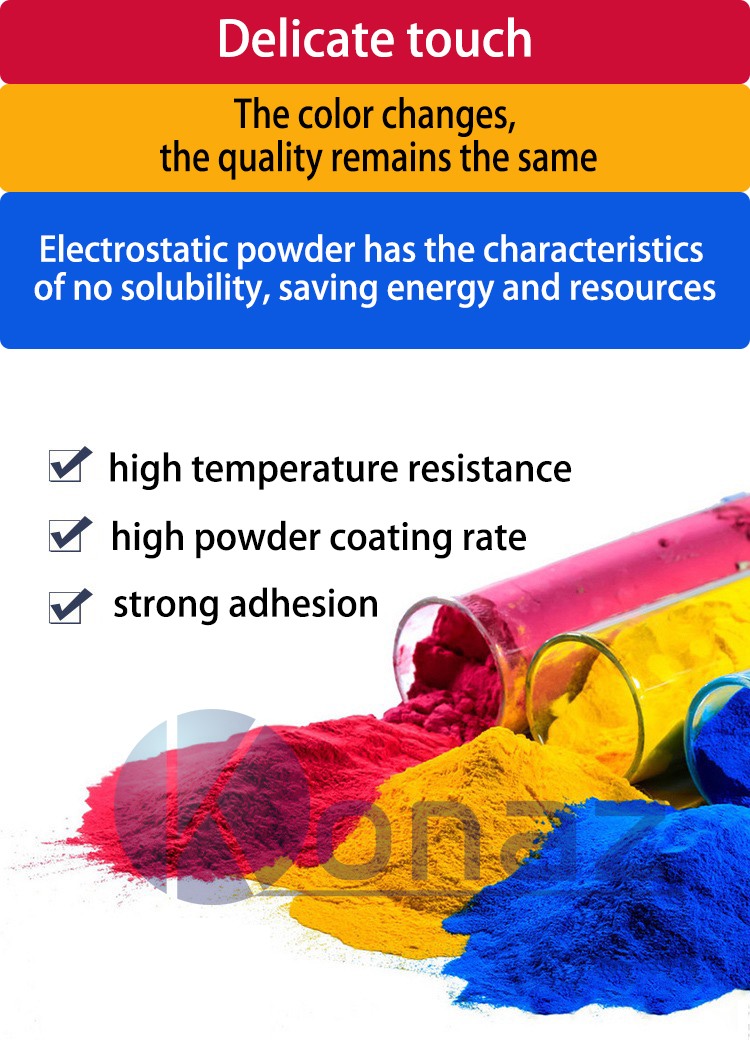
Key Functions of Industrial Coatings
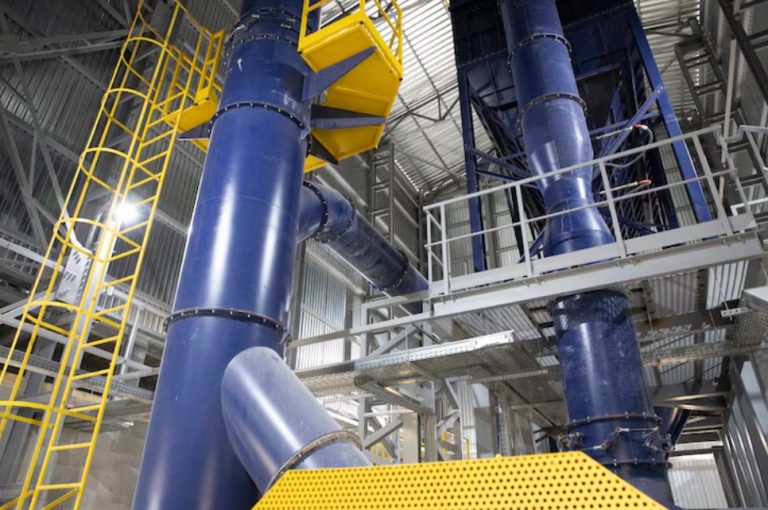
Industrial coatings handle several protective and practical tasks. They guard against corrosion for metal buildings and machines. This happens by creating a shield that stops oxidation. Moreover, they resist heat, chemicals, and scraping. These elements often harm bare surfaces in factory work. Besides, they boost visual appeal. At the same time, they ensure lasting strength. This way, both looks and function meet required standards.
Common Types of Industrial Coatings
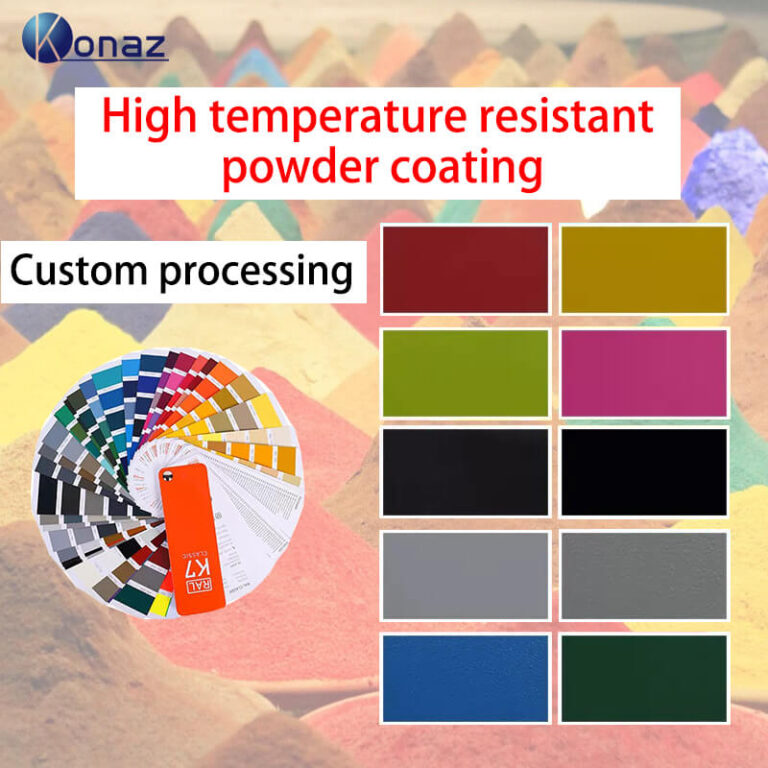
The most popular groups include epoxy coatings. These stand out for strong sticking power and resistance to chemicals. Polyurethane coatings bring bendability and steadiness against UV light. Heat resistant coatings are built to handle high heat without breaking down. High-temperature resistant coatings offer five main benefits: 1) Simple to apply and they last a long time; 2) Good defense against weather, fitting different weather types; 3) Handles 200–800°C; 4) High coverage rate and good value for money; 5) Solid barrier quality, stopping flaking or fading.
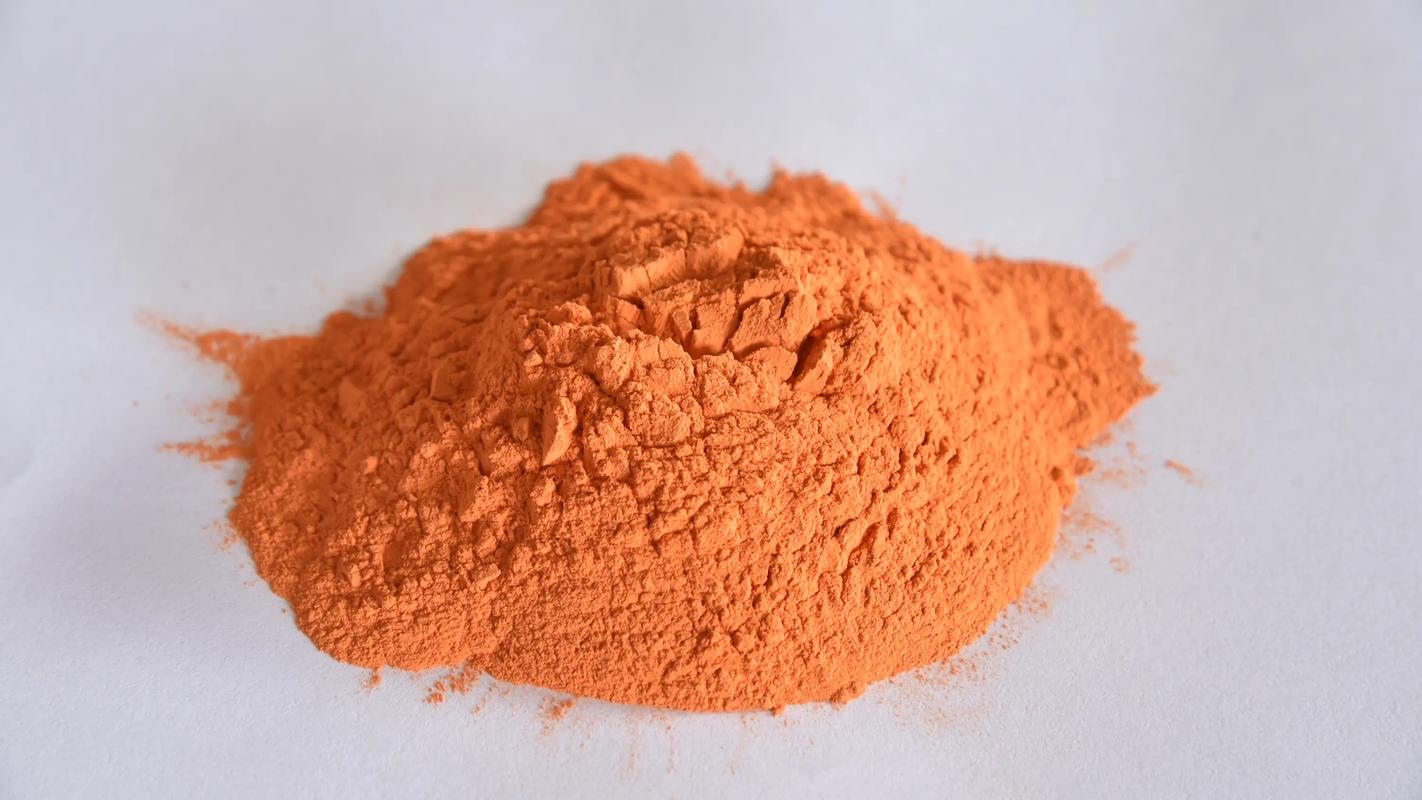
How Do Heat Resistant Coatings Perform in High-Temperature Environments?
Heat resistant coatings are unique mixes made to keep their shape and makeup under very hot conditions. These items are essential in areas like power generation, car making, metal working, and plane building. In these fields, heat changes can badly affect how materials work.
Composition and Mechanism of Heat Resistant Coatings
Heat resistant coatings usually contain resins such as silicone or epoxy-silicone blends for steady heat handling. They add ceramic or metal colors to bounce back heat rays well. This forms a solid layer that fights oxidation. Strong heat tolerance: It can take temperatures up to 800°C or more for extended periods. There is no flaking or crumbling of the coating. Performance stays reliable over time. Steady color and no flaking: The coating keeps its color stable in high heat. Plus, it sticks firmly and ignores heat swelling and shrinking. These features make sure covered surfaces stay safe from heat tiredness. This holds true even with many heat-up and cool-down cycles.
Industrial Applications of Heat Resistant Coatings
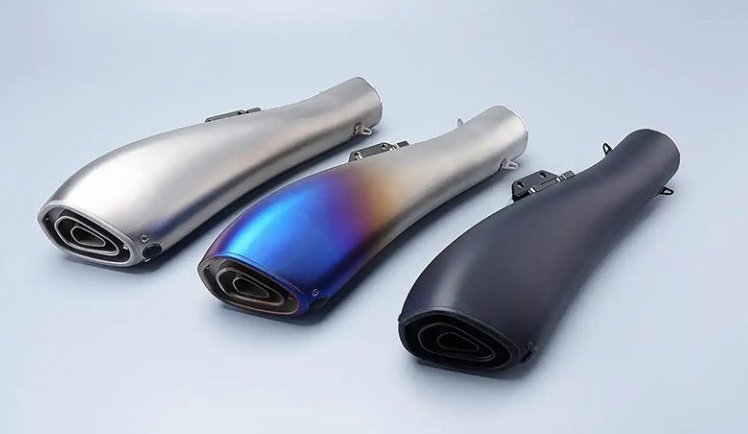
Heat resistant coatings work well in various factory uses. In power stations, they shield boilers, turbines, chimneys, pipes, and exhaust setups from heat pressure. In the car sector, they protect exhaust manifolds and engine pieces that face ongoing high heat. Automobile industry: They cover surfaces of parts like exhaust pipes, engine components, and heat exchangers in vehicles. This lets those parts run long in hot spots without harm. In plane uses, they guard aircraft sections that deal with severe working heat. Industrial high-temperature equipment: They fit boilers, chimneys, pipelines, incinerators, and more. This stops rust and damage from high heat.
What Factors Should Be Considered When Selecting an Industrial Coating?
Choosing the right industrial coating needs thoughtful review of surroundings, base material fit, planned lifespan, and upkeep aims. Each point shapes how well a coating works in actual settings.
Environmental Conditions and Substrate Compatibility
The surroundings exposure guides coating choice a lot. Think about water amounts, chemical strength, UV light power, and working heat before picking a product. The coating’s base should match the main material. For example, use it with steel for frame structures or aluminum for light builds.
Performance Requirements and Maintenance Goals
Function needs differ by job demands. This could mean rust guard in sea areas or heat hold in hot plants. Upkeep timing also shapes choice. Coatings that last longer cut down on stop-time costs from redoing them.
How Is the Application Process Managed for Optimal Results?
The finest industrial coating can still fail if put on wrong. Good base readying plus steady putting-on ways give the best sticking power and even layer build.
Surface Preparation Techniques
Base readying means clearing dirt like oil or rust. Use sand blasting or chemical cleaning for this. The aim is to make a perfect base shape. This boosts physical link between the main material and coating levels.
Application Methods in Industrial Settings
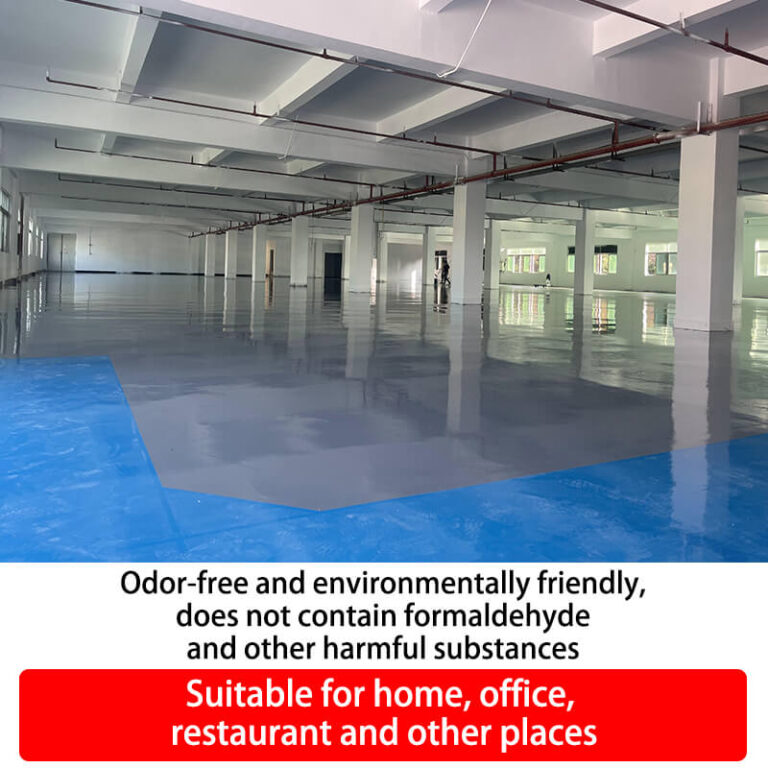
Spray setups spread even thickness over big areas. They also cut down on waste. For better lasting under tough spots, add several layers one after another. Control dry times between them. Watch dry factors like air moisture. This keeps the layer solid all through making.
Why Choose Foshan Konaz Technology Co., Ltd as a Reliable Heat Resistant Coatings Supplier?
Foshan Konaz Technology Co., Ltd is a well-known maker. It focuses on advanced heat resistant coatings for tough factory jobs. The company blends research with strict quality checks. This ensures solid work in varied settings. These include power making spots and heavy machine care areas.
Core Strengths of Foshan Konaz Technology Co., Ltd
Its lineup has silicone-based paints. These handle long hot exposure without wear. High-temperature resistant coatings are made for hot places. They stay stable at hundreds or thousands of degrees. No flaking, color shift, or fading happens. The company uses top testing spots. Every batch meets world rules for sticking power and rust fight. It also gives custom tech help for client projects around the globe.
What Are the Emerging Trends in Industrial Coating Technologies?
The market for industrial coatings keeps changing. It grows through new tech that stresses green ways along with better strength measures.
Technological Advancements Driving Change
A big shift is making low-VOC mixes. These follow tighter green laws around the world. Low-VOC environmentally friendly formula: Meets world green rules. It is safe and trustworthy. This fits markets and areas with high green needs. Nano-tech adding boosts block traits at tiny levels. It leads to better seal against water entry or gas paths. Also, smart coatings fix small cracks on their own. Or they react to nearby changes. These are coming improvements. They promise longer life and better work gains.
Summary Insights on Industrial Coatings Applications
Industrial coatings stay key in today’s making systems. They give sure surface guard against strong outside factors. These factors cover corrosion, scraping, chemicals, UV light. They especially handle heat stress with special heat resistant types. This ensures gear lasts long. It also keeps work safety, energy saving, and total asset worth. This applies across fields like car making, plane building, oil chem work, and base building worldwide.
FAQs
1. What temperature range can typical heat resistant coatings withstand?
Most factory-level heat resistant coatings handle steady heat from about 200°C–1000°C. This depends on the resin mix, like silicone blended epoxy or ceramic added. Strong heat tolerance: It can take temperatures up to 800°C or more for long times. This fits under extreme work conditions. Use it right as per maker advice.
2. How often should industrial coatings be inspected or maintained?
Check times usually rely on how harsh the work spot is. But regular looks every six to twelve months spot early wear. This lets fixing before big breaks happen. It keeps guard strong over the full life span.
3. Can heat resistant coatings be applied over existing painted surfaces?
Usually, old layers need taking off with sand blasting. This makes a clean base for best sticking. But some overcoat systems allow direct putting on. These are tested by outside groups to check fit under set work rules. Follow pro maker tips. For example, Foshan Konaz Technology’s planned fixes give steady outcomes in hot-demand spots worldwide.