Protecting metal surfaces from corrosion is a big job in many industries, including marine, construction, automotive, and energy. Anti corrosion coatings and anti rust paints are used to extend the life of structures and items made of metal. This article will outline the ways in which the many different corrosion coatings are used to protect metal, how they are affected by a number of different situations, how the way a coating is affected by different situations affects its usefulness, and how different methods of maintaining coated items affect the coating and extend the life of the coating.
What Factors Influence the Performance of Anti Corrosion Coatings?
The performance of anti corrosion coatings is based on a combination of the material used for the coatings, the surface preparation of the substrate and the environmental conditions during application and in service.
Material Composition and Formulation
The chemical structure of a coating has to enable a tight and complete film. The paint system of epoxy-resins with excellent adhesion and resistance against chemicals is completed by a polyurethane topcoat with high resistance against UV-radiation and crack Bridging properties. The zinc-rich primers offer a sacrificial corrosion protection for steel surfaces in very aggressive environments. The fluoropolymer-coatings offer additional resistance against weathering and UV-radiation.
KONAZ Anti-Rust Paint is a high quality paint specifically designed for metal surfaces. This paint is highly adhesive and is designed to offer long lasting corrosion protection. It is able to protect the metal from water, salt fog and from oxidation. As a result KONAZ Anti-Rust Paint is widely used on steel structures, machinery, pipelines, boats and other metal objects. Corrosion inhibitors and also nanoparticles can be added to the coating matrix in order to reinforce it. These can have the effect of blocking ionic pathways or self-healing at microdefects.
Additional mechanical toughness of the coating can be achieved by using advanced resins or hybrid binders and still maintain the barrier properties.
Surface Preparation Before Application
Surface cleanliness prior to coating is crucial and dirt, oil, rust scale and other contamination can reduce the coating’s adhesion. Methods to achieve a suitable surface such as abrasive blasting create an anchor profile for the coating to “lock into” the surface. Chemical treatments can be used to remove oxide layers from metal surfaces and in some cases to passivate the surface prior to applying a primer.
The surface roughness parameters have a significant effect on the bonding. If the surface is too smooth, it will not be wetted properly. On the other hand, a too rough surface may contain air pockets which will reduce the adhesion. Only by appropriate surface preparation high performance coating systems like epoxy-zinc primers can be used to their full protective potential.
Environmental Exposure Conditions
Environmental factors may exert continued stress on anti corrosion coatings throughout their service life. High humidity will enable water to penetrate the coating films. Alternating temperatures will induce continued thermal expansion and contraction which will result in cracking of the coating films. Saline environments will increase the electrochemical potential difference between the coating film/steel substrate interface and the surrounding environment which may result in underfilm corrosion.
When applied in marine environments paints are exposed to extremely aggressive weathering conditions which include inter alia exposure to salt spray and UV-radiation. Under such extreme exposure conditions the paint coat is subjected to so-called cyclic exposure tests in wet/dry/salt/UV-exposure in order to simulate realistic durability requirements. Paints, used in inland climate areas, will degrade slower than in marine environments, but it is essential to coat these paints with an UV-resistant topcoat in order to ensure long-term durability.
How Is the Long-Term Durability of Anti Rust Coatings Evaluated?
Durability evaluation consists of laboratory test simulations and field test monitoring in order to assess the behavior of anti rust coatings under prolonged stress.
Accelerated Aging Tests
For the accelerated testing of coated panels, the panels are exposed in the ASTM B117 salt spray test cabinet to a continuous saline fog environment. This type of test simulates several years of marine exposure within a few weeks. Cyclic corrosion testing includes a number of different cycles that are alternated to test coated panels in a variety of environments. In addition to a salt fog cycle, the panels are dried and then exposed to high humidity. Thermal cycling testing includes testing of a coated panel for flexibility during thermal expansion and contraction.
These controlled tests enable comparative measurement of the endurance of different chemical formulations. They are especially relevant for use in infrastructure or offshore applications where limited access for maintenance exists.
Adhesion Strength Measurement
Adhesion testing evaluates the coating to substrate bond after coating has cured or weathered. Adhesion testing by pull-off test determines the tensile force required to separate the coating from a metal surface. Very low adhesion values can indicate poor surface clean prior to coating or an incompatible primer coating.
The repeated mechanical stress tests like bending and impact loading are showing up latent delamination risk in service vibration and structural movement. Properly bonded coatings are resisting to both static and dynamic loads without cracking or peeling.
Electrochemical Evaluation Methods
Electrochemical impedance spectroscopy (EIS) measures ionic resistance across coated interfaces over time. High impedance values indicate strong barrier integrity against electrolyte penetration. Potentiodynamic polarization curves track corrosion current density variations as coatings age under immersion conditions.
Using electrochemical measurements quantitative information on degradation kinetics can be obtained enabling the set up of prediction models to calculate service life in various environments like a marine dock or an industrial plant.
How Can Maintenance Extend the Lifespan of Anti Rust Paint Systems?
Even the best anti rust coatings require inspection and maintenance to be effective over decades.
Scheduled Inspection Programs
Routine inspections every 6–12 months allow early detection of surface defects such as blistering or chalking before they propagate into structural corrosion. Non-destructive thickness measurements verify if protective film layers remain within specification limits after environmental exposure cycles.
Documentation from our inspections can be used to develop a predictive maintenance plan to schedule recoating of bridges before it is too late rather than waiting until there is a failure.
Repair and Recoating Strategies
Smaller areas of damage that have been caused by abrasion or impact can be locally touched up with the correct primer to restore the protective coating. Larger areas of degradation or loss of adhesion may require full recoating.
Before recoating, existing films must be properly cleaned and abraded to ensure intercoat adhesion between old layers and new applications—maintaining uniform barrier continuity throughout the system lifecycle.
Environmental Control During Service Life
Keeping direct contact with aggressive agents to a minimum can extend the life of a coating greatly. Installing a ventilation system in enclosed spaces can help to stop condensation from forming, and applying a protective covering to assets that are to be stored externally can shield them from damage caused by UV radiation or acid rain contact.
By combining cathodic protection with organic coatings, a submerged steel structure such as a pipeline or ship hull can receive a total corrosion protection system. This system functions effectively even under the most severe marine exposure conditions.
How Does Foshan Konaz Technology Co., Ltd Contribute as a Reliable Anti Rust Paint Supplier?
Foshan Konaz Technology Co., Ltd is professional manufacturer of high-end industrial anti corrosion coatings. Our coatings last long and stick well to surfaces. Foshan Konaz Technology Co., Ltd has been exporting corrosion protection coatings to many countries and won customers’ trust with its good quality coatings and services.
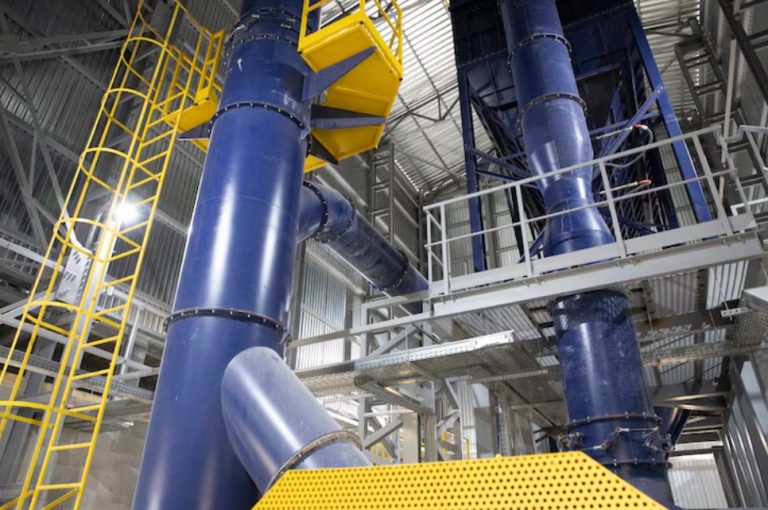
Our products range from epoxy primer to polyurethane top coat and also include zinc-rich anti rust paint. The range of products is suitable for marine, infrastructure and heavy machinery application. KONAZ Anti-Rust Paint has superior anti-corrosion property with strong adhesion resisting peeling.
FAINT is easy to apply using spray, brush or roller. Konaz constantly innovates in paint formulation technology and strictly controls the paint quality to guarantee the high standard performance and ensure that the products can pass the international test.
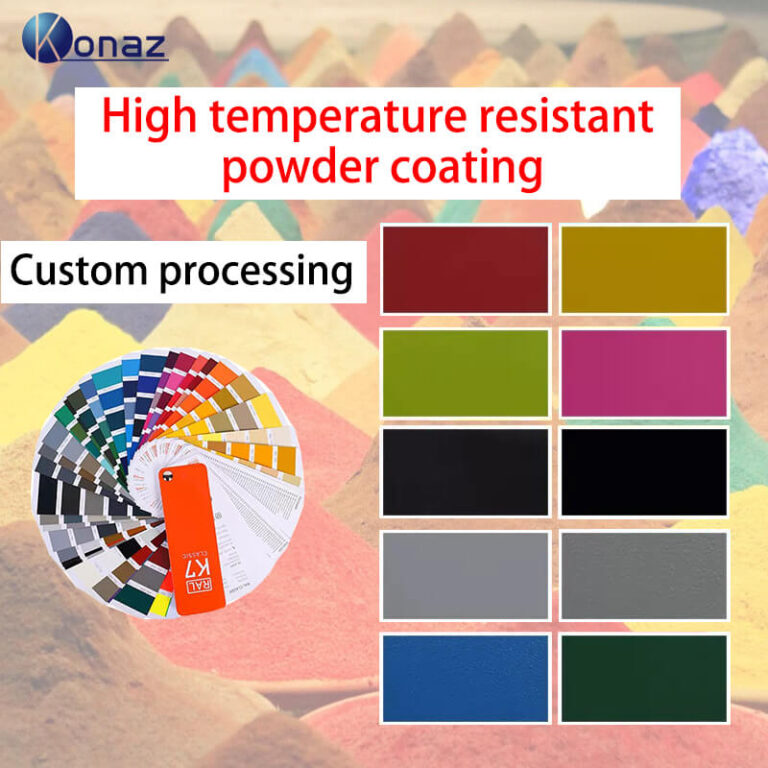
The technical specifications of our product guarantee high quality industrial standards, such as a wide range of color finishes, including grey and red oxide. The theoretical coverage is up to 6-8m²/kg per coat, and the product’s drying time has been optimally set at ≤2h touch dry at 25°C to allow for rapid execution of work, guaranteeing successful completion of projects in all regions of the world.
What Are the Key Takeaways for Evaluating Anti Corrosion Coatings?
By employing a structured approach, utilizing formulation science and empirical testing it is possible to accurately predict long-term coating performance. The coating formulation will determine the inherent resistance of the coating, the substrate surface must be prepared to optimize the bonding process between the coating and substrate, the environmental conditions must be managed to control the stresses imposed on the coating during service, and on-going maintenance performed to ensure the coating continues to act as an effective barrier to aggressive media throughout the coating’s operational life.
Assessing these factors in full allows for the selection of a suitable anti rust paint system that can achieve extended service life in excess of two decades under optimal maintenance conditions, thereby helping to reduce overall life cycle costs of industrial assets.
FAQs on Anti Corrosion Coatings Performance and Durability
Q1: How often should anti rust coatings be inspected for maintenance purposes?
Inspections should take place every 6–12 months depending on severity of surrounding environment. Installations located on the coast, exposed to high salinity, may benefit from quarterly checks to identify early stages of deterioration before it is too late and causes structural damage.
Q2: Can different types of anti corrosion coatings be layered together?
Yes. Multi-layer coating systems consisting of a zinc-rich primer, an epoxy intermediate coat and a polyurethane topcoat provide enhanced multi-environment performance in industrial applications. The different mechanisms of action such as sacrificial protection, chemical barrier and UV-stability are integrated in these systems.
Q3: What is the typical service life expectancy for high-quality anti rust paint systems?
Coatings can last from 10 years to over 25 years before requiring major recoating, depending on the conditions under which they are used, and on the scheduled maintenance that they receive. Optimal application and premium-grade materials, such as those offered by Foshan Konaz Technology Co., Ltd., can extend coating life. The range of coating life is affected by the severity of the operating environment, which can be broadly categorized into two zones: inland and marine.