High-temperature protective coatings for highly heated components of OEM products are an important component for long-term functionality and performance as well as for safe and efficient production. The choice of a high-temperature powder coating as opposed to a heat-resistant paint is crucial for exhaust systems for the automobile as well as for industrial ovens as well as for patio and outdoor heating units. Both methods of coating offer good heat resistance and there are many different types available. However, there are also differences in terms of the chemical make-up as well as the method of application. In addition, there are differences in terms of long-term stability. For this reason, OEMs must choose a coating on the basis of production requirements as well as from an environmental perspective. Also important are the chemical and thermal characteristics of the coating in relation to the parts to be coated. The following article provides a detailed comparison between the two coating methods in terms of key differences, application characteristics, production efficiency, and environmental regulations in order to provide OEMs with advice that will enable them to reach the optimal decision in terms of both functionality and production.
What Are the Core Differences Between High Temperature Powder Coating and Heat Resistant Paint?
Before we can compare the performance of both coating types, we first need to explain the differences between both coating types regarding their composition, application and curing process.
Composition and Material Properties
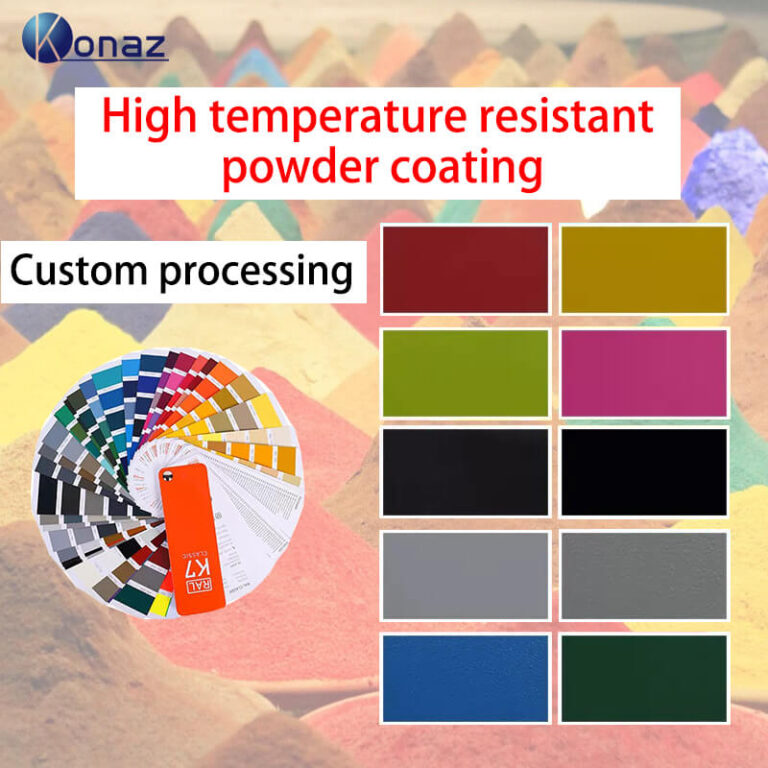
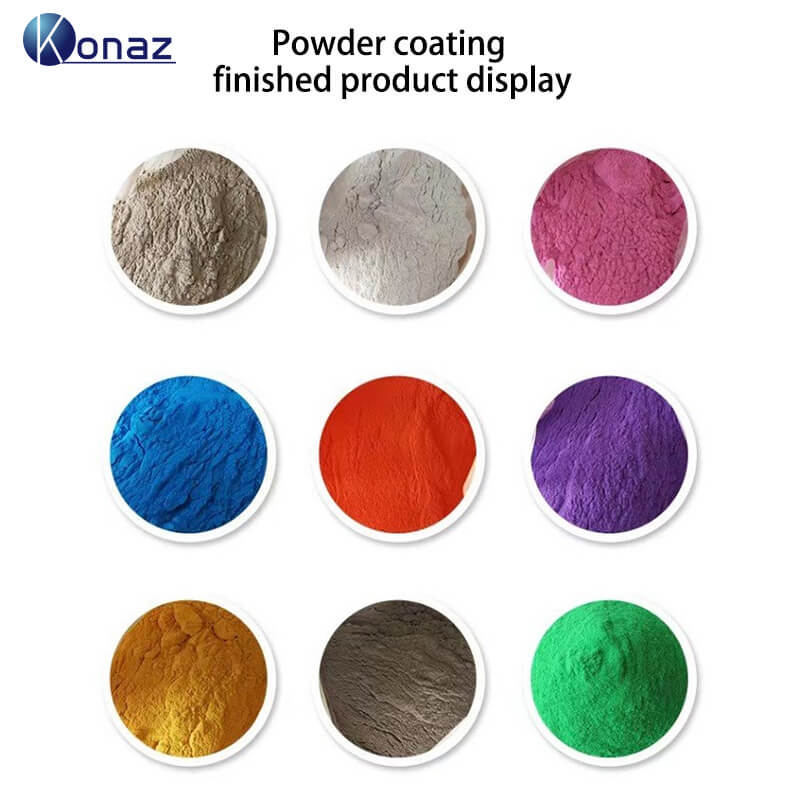
High temperature powder coatings are 100% solid systems made from thermoset or thermoplastic polymers, that form a hard and dense layer after cure. These coatings are 100% solvent free and are ideal for environmental conscious OEM manufacturing lines as they do not contain any Volatile Organic Compounds (VOCs). High Temperature Powder Coating is a specially designed heat resistant coating, which is designed to perform in high temperature environments and also in flame exposure without any deterioration. These coatings are different from heat resistant paints which are made from silicone-based resins and inorganic pigments, which provide thermal stability to the coatings. Organic silicone high-temperature resistant paint is a high-performance coating, which is used to protect metal surfaces from high-temperature and chemical corrosion. This coating is mainly composed of organic silicone resin and is ideal for high-temperature applications up to 200–800 degrees Celsius. This coating also provides wear resistance and water resistance to the coated surface. The absence of solvents in these coatings provides safety to workers and also meets the worldwide trends of low-VOC coatings.
Application and Curing Process
Most Powder coatings are applied using an electrostatic gun to metal that is at ground potential, and then are heated in an oven at controlled temperature until complete polymer crosslinking has occurred. They offer excellent adhesion and appearance, making them ideal for automated production lines. Heat resistant paints are generally spray or brush applied, and may be air-dry or bake hardening. Our high-temperature resistant coating is designed for use in high temperature environments, and is intended to overcome the problems of color change and peeling that occur with conventional coatings at high temperatures. The coating has high stability and excellent durability. The cure temperature of coatings has a marked effect on the hardness and smoothness of the finished film, as well as on processing speed.
Typical Industrial Uses
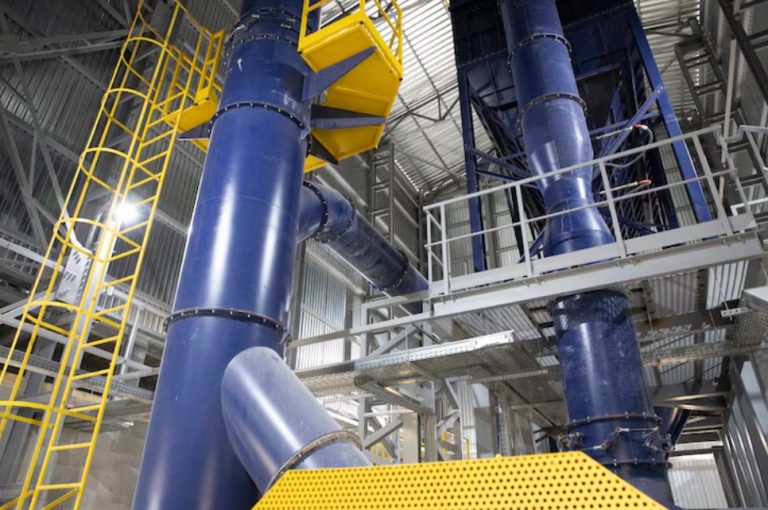
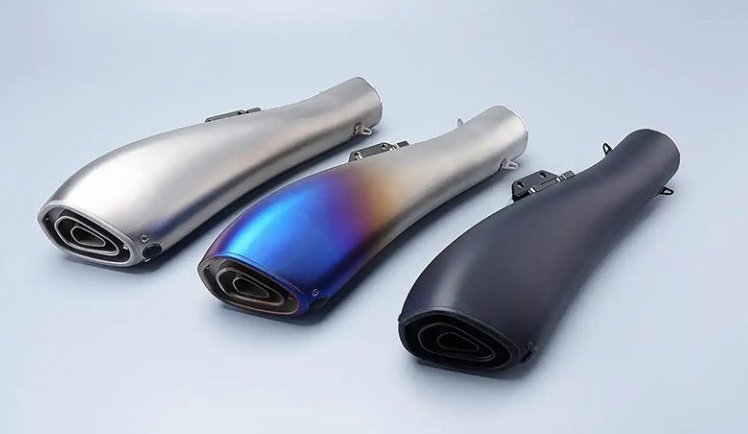
Powder coatings are very popular with the OEM market that requires constant film thicknesses, even at high volumes. Automotive parts, appliances, industrial containers etc. are all perfectly coated by automated powder coating lines. Heat resistant paints are especially suited for application by non-electrostatic methods and for extremely localized heat and complex items such as exhaust manifold sections, boilers, chimneys, direct-flame equipment etc. Heat resistant paints are particularly suitable for metal items that are exposed to high temperatures such as automotive exhaust pipes, fireplaces, barbecues, industrial equipment that is exposed to high temperatures, etc. The choice between paints depends on the item to be coated, the production volumes and the end use.
How Do These Coatings Perform Under Extreme Thermal Stress?
Performance under sustained or cyclic thermal exposure is a key indicator for the long-term reliability of components in OEM environments.
Thermal Stability and Oxidation Resistance
Powder coatings perform well up to their design threshold temperature, around 500–600°F (260–315°C), at which point they may begin to soften or discolour. There are some silicone paint systems available that have been engineered to withstand constant high temperatures above 1000°F (540°C) and offer excellent thermal resistance. There are some coating systems that can offer outstanding thermal resistance and can continue to perform well up to 800°C or even higher for a long time and without peeling or powdering. These coating systems will continue to perform well over time and are recommended when constant heat is to be exposed and exceeds the thresholds of powder coatings. Liquid silicone systems are recommended in these cases.
Mechanical Durability at Elevated Temperatures
Powder coatings below their maximum thermal limit have excellent impact resistance and mechanical strength due to the thicker coating films compared to the liquid paints, which have excellent heat resistant color retention even after they have become brittle with long thermal cycles. The films of such heat resistant paints are tough and have strong adhesion and they closely adhere to the surface of the metal. The coating film is firm and remains in place under high temperatures, impacts or thermal expansion and contraction. As a result, OEM engineers have to balance appearance retention with structural durability of a part in service depending on the part function.
Corrosion Protection Capabilities
Both systems contain corrosion inhibitors. However, due to their application technique, powder coatings create a thicker layer than liquid coatings (60-120 μm vs. 25-40 μm). Paints can achieve similar results with multiple layers of coating or by using a special primer. Other environmental influences, such as humidity or salt spray, have a far greater effect on the long-term on service life of coatings than the differences between the two coating categories.
Which Option Offers Greater Efficiency for OEM Manufacturing Processes?
Efficiency is measured in terms of material properties as well as cost efficiency and production integration into existing automated production lines.
Production Throughput and Energy Consumption
Powder coating lines are able to cure at high speed – within minutes even – but require very energy-consuming high temperature ovens. On the other hand, heat resistant paints are able to cure without a curing chamber and therefore are ideal for large assemblies or for mobile field maintenance instead of fast production.
Manufaturers must weigh the higher initial energy usage against increased productivity per batch.
Cost Considerations Across the Product Lifecycle
The initial investment in a electrostatic booth and curing ovens for a powder coating system is more expensive than painting with a liquid coating. However, lower waste recovery costs in the long run, lowers the total operating costs of the powder coating system. Additionally, the frequent reapplication of liquid coatings due to cyclic heating that is beyond their rated temperature, adds to their total cost of ownership. Thus, Lifecycle Costing is a more accurate way to look at the total cost of ownership of a coating system.
Compatibility with OEM Automation Systems
Powder coatings can be easily incorporated into a conveyorized finishing line in a high volume, mass production OEM facility to deliver consistent results for thousands of parts per day. Heat resistant paints are typically best suited for smaller runs and for parts with unusual geometries which do not lend themselves to automated handling.
How Do Environmental Regulations Influence Coating Selection?
Most of the modern manufacturing processes place a strong emphasis on meeting environmental criteria such as levels of VOC emissions and solid waste generation.
VOC Emissions and Air Quality Compliance
Powder coatings release only trace amounts of VOCs when applied, as they are a 100% solid containing no solvents. Eco-Friendly – 100% solid powder coating, no solvents, no VOC emissions. Eco-Friendly coatings comply with current environmental regulations as opposed to traditional heat resistant paints that are typically solvent-based and would require emission control or be reformulated as a low-VOC paint to comply with current legislation.
Waste Management and Material Recovery Efficiency
Powder overspray can be recovered and re-used by recycling through filtration systems. In contrast, liquid paint overspray is typically classified as a hazardous waste and must be disposed of in a controlled manner by a licensed waste disposal company.
Why Partner with Foshan Konaz Technology Co., Ltd for High Temperature Coatings?
Foshan KOnaz Technology Co., Ltd has 15 years of history. Founded since 2007, the company is specialized in development and production of high-temperature resistant coatings. Konaz has abundant experience in high temperature powder coating and industrial-grade heat resistant paints made of silicone.
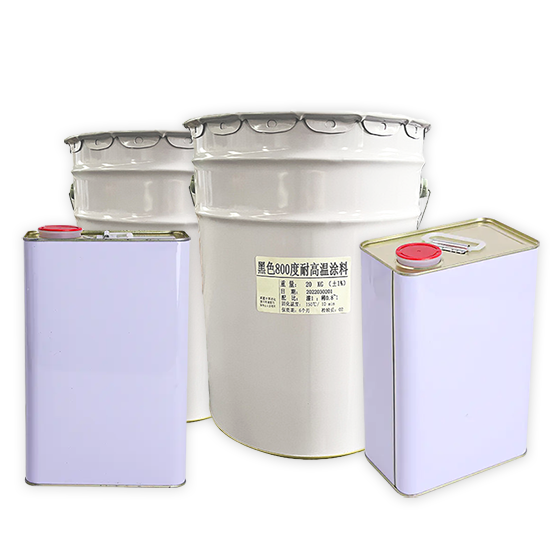
Our high temperature resistance products can be used in high temperature equipment fields and withstand up to 800°C. We supply temperature resistant parts for use in car exhaust pipes, fire places and barbeque grills amongst others.
The modern production facility with its surface area of 3 000m² is equipped with over 30 different production units and with the current production volume in excess of 1 000tons per year, high-quality products and excellent services are being offered to local and international markets. Products have been exported to several countries and have earned the recognition of many customers all over the world.
Its technical team provides tailored OEM solutions integrating corrosion protection with aesthetic performance while maintaining strict adherence to environmental compliance standards—an essential requirement for global manufacturing partners seeking reliable supply chains in functional coatings.
Key Takeaways from the Comparison of High Temperature Powder Coating vs Heat Resistant Paints
Both technologies deliver dependable protection under elevated temperatures but serve distinct operational priorities: powder coatings excel within automated OEM lines emphasizing uniformity, throughput efficiency, and environmental compliance; meanwhile heat resistant paints offer flexibility where extreme localized heat surpasses powder limitations or component geometry complicates electrostatic deposition processes.Our high-temperature resistant coating… helps customers effectively enhance product quality and service life.
FAQs
What is the maximum temperature range each coating type can handle?
High temperature powder coatings generally perform well until temperatures reach around 500–600°F (260–315°C). There are also heat resistant paints made with silicone that can operate continuously at temperatures above 1000°F (540°C) and higher, depending on the specific formulation. Withstands direct flame up to 800°C • No discoloration • No peeling • No chalking
Can both coatings be applied to aluminum substrates?
Yes. Both types of finishes can adhere well if they are given the proper surface preparation. There are advantages and disadvantages to both types of finishes. The biggest advantage to the use of the electrostatic deposition of powder coatings is the very excellent adhesion, particularly on conductive surfaces, such as aluminum alloys. These are very common substrates for the OEM finisher.
Which option provides longer service life in outdoor environments?
Whilst Powder Coatings generally offer better performance due to the thickness of the barrier layer and improved UV resistance, some of the high-end Silicone Paints have been shown to withstand prolonged sunlight exposure and retain their color and gloss even under the most severe weathering conditions.