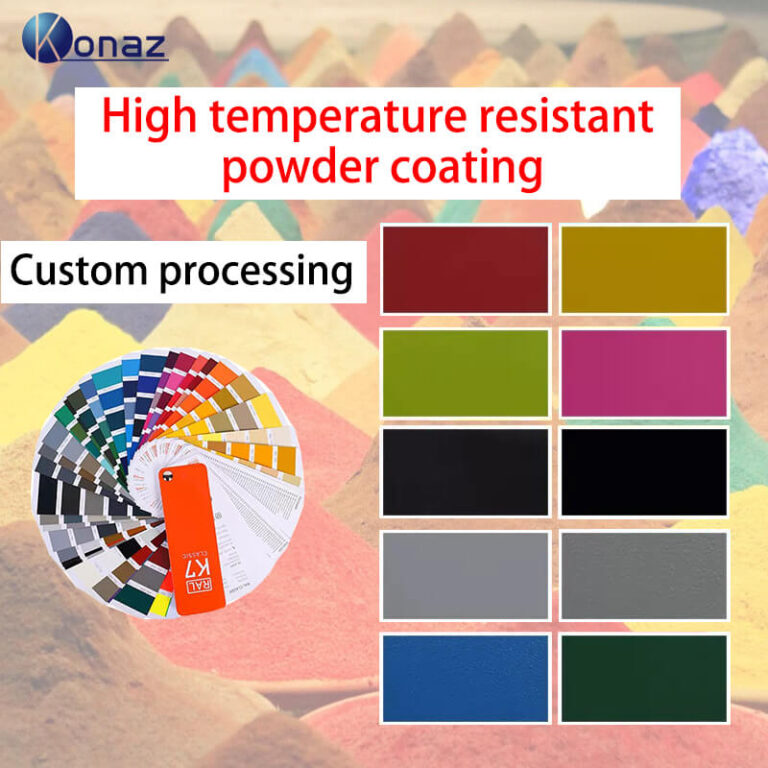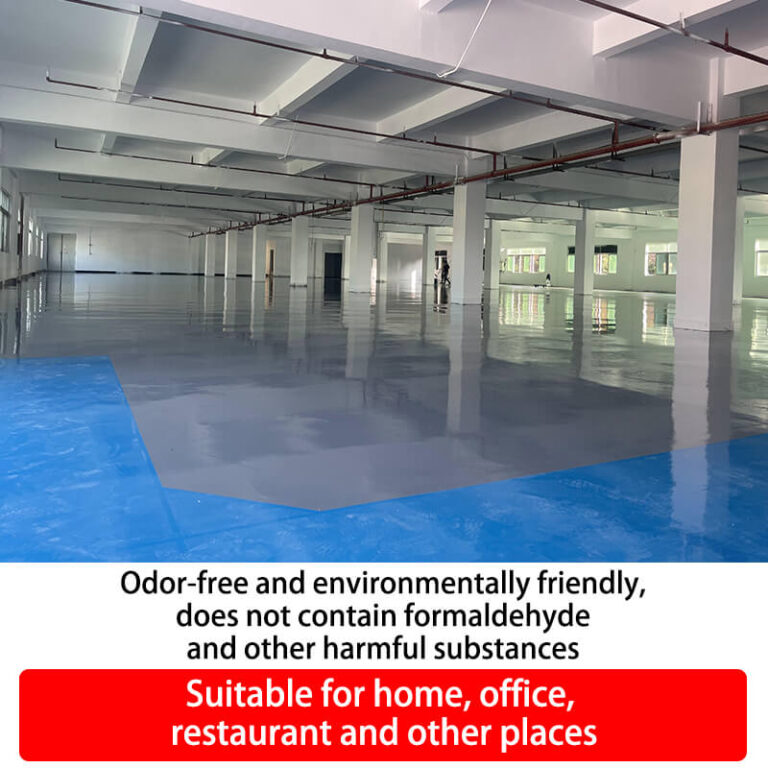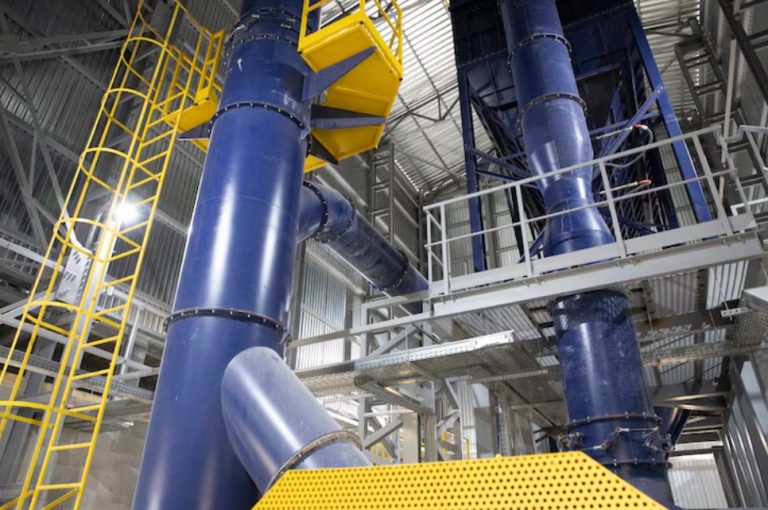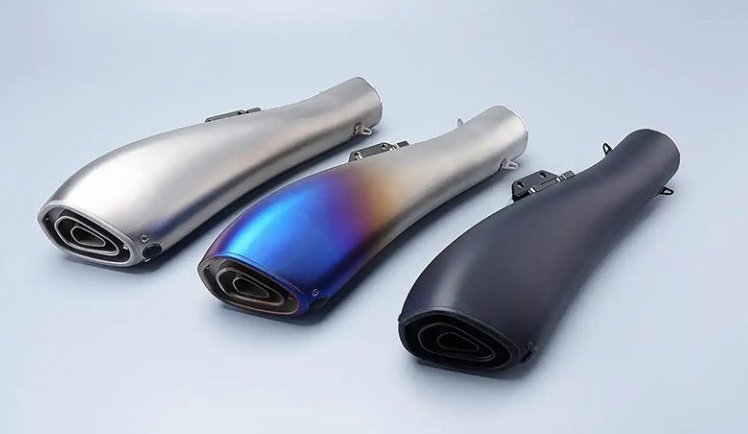
High-temperature powder coating shields metal parts from heat, rust, wear, and tough working environments. The final results, though, rely on the base metal. They also depend on surface prep, metal thickness, curing times, and the actual working heat. You can apply this coating to carbon steel, stainless steel, aluminum, and cast iron. Yet, every metal needs a unique method. This guide looks at their benefits, possible problems, and common uses.
What Makes a Metal Suitable for High-Temperature Powder Coating?
A good base metal has to take an electrostatic charge. It must handle the baking process well. The metal also needs to stay solid when it gets hot. Furthermore, the surface must be very clean. This cleanliness helps the new finish stick firmly.
Conductivity, Cleaning, and Curing
You can ground most metals while applying the powder. Before you spray, you must clean the surface thoroughly. You have to remove oil, rust, scale, dirt, and loose oxide layers. You can do this by washing, abrasive blasting, or using chemical treatments. The actual metal part must reach the exact heat level listed in the technical data sheet. The oven air temperature alone is not enough.
Is Carbon Steel a Good Choice for High-Heat Parts?
Builders often use carbon steel for exhaust pipes, wood stoves, and boilers. They also use it for machines and custom heating gear. This metal is strong and easy to find. In addition, the material cost is quite low.
Advantages and Preparation
Carbon steel normally handles the baking oven without issues. Its biggest flaw is rusting. Therefore, you must clear away all rust, mill scale, and weld dirt. You also need to remove grease and water. Abrasive blasting gives the metal a rough texture. This texture helps the paint grab on. A phosphate wash can boost this grip and stop future rust. Tough outdoor or sea-based projects might require a matching base primer too.
Can Stainless Steel Be High-Temperature Powder Coated?
Yes, it can. People coat stainless steel to add colors or make cleaning easier. The finish also gives extra surface defense. This metal resists rust naturally. That makes it great for baking ovens and factory machines. It also works well for fancy heat shields and metal cases.
Preparing the Passive Surface
This metal has a very smooth outer layer. That smoothness can lower the physical grip of the paint. You must wash away all grease. You also need to wipe off fingerprints, polish paste, and shop dirt. A light sandblasting can boost the paint grip. Other approved chemical washes work well too. We suggest painting test panels first. This is because metal grades, surface styles, and working heats change from job to job.
Is Aluminum Suitable for High-Temperature Powder Coating?
Aluminum fits many jobs that need a light weight. It is easy to shape and fights rust well. Makers often use it for machine covers, metal boxes, and car parts. It is also popular for outdoor tools.
Oxide Removal and Heat Control
The natural oxide skin on aluminum can block paint grip. To prepare it, you might need to wash, etch, and rinse the metal. A chemical conversion wash helps too. Thin pieces get hot very fast in the oven. They might warp if the baking cycle is wrong. Because of this, you should check the metal type, part thickness, and shape. Adding a matching primer can give extra rust defense.
Why Does Cast Iron Need Extra Process Control?
Cast iron shows up often in fireplaces and stove bodies. It is also used for heavy heating machines. This metal is very stiff and holds warmth for a long time. However, it has many tiny holes. These pores increase the chance of paint flaws.
Preventing Outgassing
Air, water, or oil can hide inside the metal pores. These trapped things might push out while the paint bakes. This action creates tiny holes, bubbles, or craters in the finish. Heating the bare metal first can push these gases out early. You can heat these porous items past the target metal temperature. Then, you can spray them before they cool down completely. You must follow the technical data sheet rules for this step. Thick cast iron pieces also need plenty of time to warm up fully.
How Do the Four Metals Compare?
No single base metal is perfect for every job. Your choice should match the target working heat and desired weight. You must also think about rust risks, heating cycles, build methods, and your project budget.
Quick Comparison Table
| Metal | Main Advantage | Main Coating Challenge | Typical Uses |
| Carbon steel | Strong and economical | Rust and scale | Exhausts, boilers, stoves |
| Stainless steel | Corrosion resistant | Smooth passive surface | Ovens, shields, equipment |
| Aluminum | Lightweight and formable | Oxide layer and distortion | Housings, covers, auto parts |
| Cast iron | Rigid and heat retaining | Porosity and outgassing | Fireplaces, stove parts |
You need to check the normal running heat and the maximum heat spikes. You must also look at direct fire contact and chemical spills. Finally, think about how long the part needs to last. You should confirm all these details before you approve the final paint system.
Why Choose Foshan Konaz Technology Co., Ltd as a Supplier?
A trusted partner will pair the right paint with your specific metal. They will also match the product to your working heat, spray method, and final quality goals.
High-Temperature Powder Coating from KONAZ
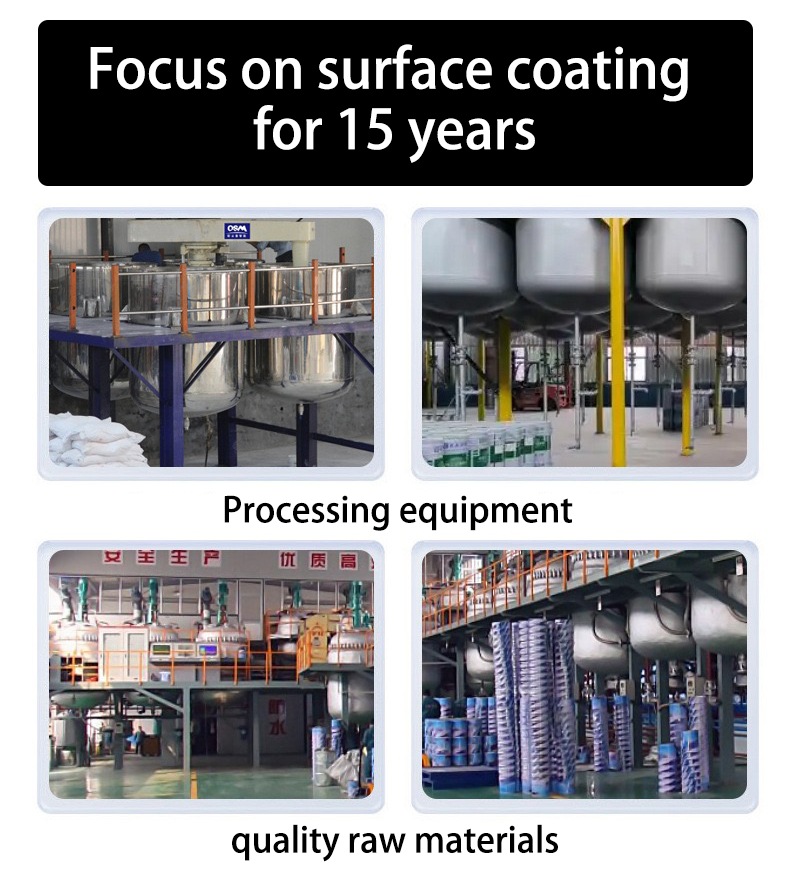
Foshan Konaz Technology Co., Ltd offers high-temperature powder coating for many items. These include automotive parts, BBQ grills, baking ovens, and fireplaces. They also supply finishes for stoves, chimneys, big furnaces, boilers, pipelines, and industrial equipment. KONAZ notes that their product can handle heat up to 800°C. It offers a firm grip on the metal. The finish also fights off peeling and color fading.
The business welcomes large bulk orders and global export sales. They handle OEM/ODM production and create custom paint mixes. You should always test the final results on your own metal parts. You also need to run those parts through your real heating cycles to ensure success.
Conclusion
Pick carbon steel when you need high strength and low costs. Select stainless steel for machines that face heavy rust risks. Go with aluminum when a light weight is your main goal. Finally, choose cast iron for thick items that must hold warmth.
You can successfully apply high-temperature powder coating to all four of these metals. You just need to control the cleaning steps, powder selection, layer thickness, and oven baking times. Running tests on the whole paint system in real-world conditions is vital. This step is the safest path to take before starting large factory runs.
FAQs
Can Galvanized Steel Be High-Temperature Powder Coated?
Yes, you can coat it. However, zinc-covered metals might release trapped air during the oven bake. These items often need special washing and surface prep. They might also require early baking or a special paint that handles gas release well. You should discuss the planned working heat with your paint provider.
Do All Metals Use the Same Curing Schedule?
No, they do not. The specific powder formula sets the basic baking rules. Meanwhile, the weight, shape, and heat transfer rate of the metal part matter too. These details change how fast the item hits the target metal heat. A thick piece of cast iron usually warms up much slower than a thin sheet of aluminum.
Which Metal Is Best for Exhaust or Stove Components?
Carbon steel and cast iron are very popular options. People choose them for their solid strength and great heat handling. Stainless steel might be a better pick if stopping rust is your top goal. Your final decision relies on the real working temperature and the surrounding environment. It also depends on your project cost and how long the part needs to survive.