You should never pick an industrial epoxy floor thickness just by copying a standard number from a past project. A lightly used commercial space has distinct needs. A vehicle garage, a forklift warehouse, and a heavy manufacturing plant also place entirely different demands on any coating system. Daily traffic, surface abrasion, heavy impacts, and harsh chemicals all change the required build. The underlying substrate condition and your routine cleaning procedures play a huge role too. For KONAZ Epoxy Floor Paint, the official technical data outlines a two-component system. This system offers a theoretical coverage of 4–6 m²/kg for two coats. However, it does not provide one universal finished thickness for every single job. Because of this, your final millimeter value must always match the TDS. It should also follow the specific construction specification for your chosen system.
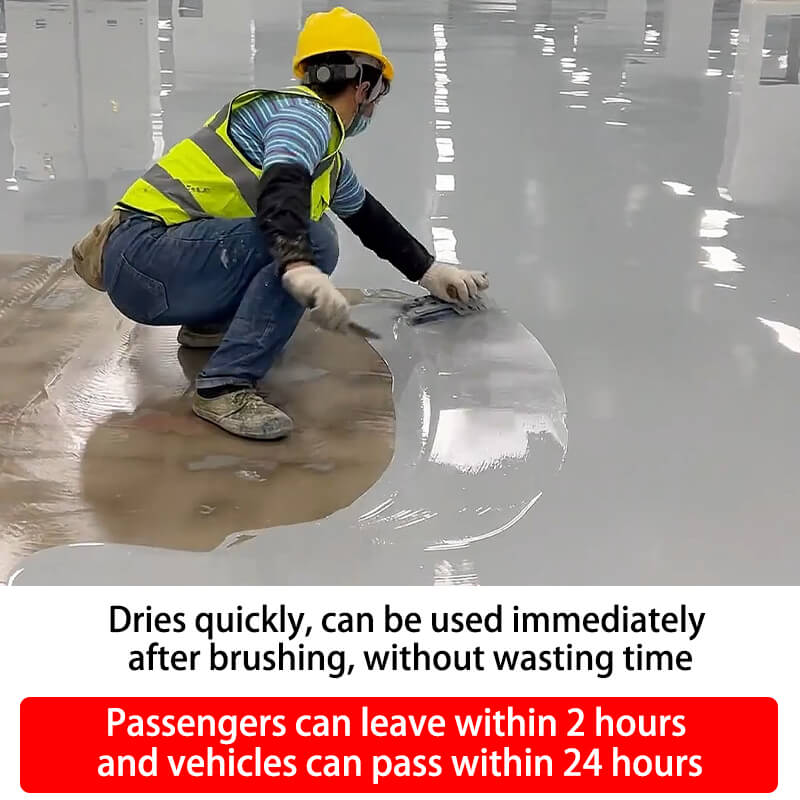
What Determines the Right Industrial Epoxy Floor Thickness?
Thickness represents just one single aspect of total floor performance. Buyers must first figure out what the floor will face during normal daily operation. After that, they can choose the proper coating system to match those specific needs.
Traffic and Mechanical Stress
Standard foot traffic causes relatively low wear on a surface. Meanwhile, vehicle tires, heavy pallet trucks, busy forklifts, and large machinery create much higher mechanical stress over time. Turning wheels can also cause severe localized abrasion in specific spots. As daily traffic gets heavier, your flooring specification usually needs to upgrade. You must shift from a basic thin coating system to a tough, mechanically resistant multilayer system.
Chemical and Substrate Conditions
A thicker floor does not automatically mean better chemical resistance. The specific resin formulation, proper curing, and strong adhesion matter just as much. Careful surface preparation and the right topcoat selection also play major roles. Buyers need to think about spilled oils, harsh cleaning agents, and aggressive process chemicals. You should also check for trapped moisture, surface cracks, and the overall strength of the existing concrete base before you specify the final system.
How Should Epoxy Floor Thickness Change by Application?
You should avoid starting with a random mm figure. Instead, it is much more practical to group the project based on its actual operating conditions. The common applications below show exactly how basic system requirements change from place to place.
Light Commercial Floors
Light commercial spaces mostly deal with basic pedestrian traffic, rolling carts, and routine daily cleaning. A relatively thin coating system often works well here. This is especially true when the underlying concrete is solid and mechanical loading remains quite low. In these areas, the main priorities usually include strong adhesion, easy cleanability, a nice appearance, and normal wear resistance.
Garage Floors
Garages bring in heavy vehicle loads, constant tire abrasion, and strong turning forces. They also face engine oil, standing water, and rough road grit. Main entrances, sharp turning areas, and frequent parking spots usually wear down much faster than the surrounding sections. Therefore, buyers must pick a system built specifically for vehicle abrasion. You should never treat a busy garage like a simple pedestrian floor.
Warehouse Floors
Warehouse floors often handle thousands of heavy forklift and pallet-truck trips along the exact same paths. You must carefully consider intense wheel loads, tight turning points, busy loading bays, floor joints, and narrow aisle traffic. A typical warehouse needs much greater mechanical resistance than a standard light commercial space. This rule is especially important in the busiest high-traffic lanes.
Factory Floors
Factories introduce even heavier daily demands. These include large production machinery, constant floor vibration, dropped metal tools, heavy components, fast forklifts, and sharp abrasive debris. These tough conditions easily justify a strongly reinforced or higher-build coating system. Specific machinery locations and heavily used production routes might also need completely different specifications compared to quiet, low-traffic zones.
Chemical Plant Floors
Chemical plants mix heavy traffic with dangerous chemical exposure. A good specification must look at the exact chemicals involved and their overall concentration. You also need to check the contact duration, spill frequency, daily cleaning process, and normal operating temperature. In this harsh environment, you must evaluate chemical resistance and mechanical performance together.
| Application | Main Traffic or Exposure | What the Buyer Should Consider |
| Light commercial | Foot traffic | Thin coating system |
| Garage | Vehicles | Abrasion + tire wear |
| Warehouse | Forklifts | Mechanical resistance |
| Factory | Heavy machinery | Impact + abrasion |
| Chemical plant | Chemicals + traffic | Chemical + mechanical performance |
How Should Buyers Confirm the Actual Thickness in Millimeters?
Once you clearly define the operating conditions, the material supplier and the contractor can help. They will translate those specific needs into a complete, reliable coating specification. This is the exact stage where you should confirm the actual target thickness.
Use the Product TDS and Construction System
Do not specify “1 mm,” “2 mm,” or any other random value just because you saw it in an online flooring guide. The correct number must correspond to the actual base primer and the intermediate layer. It must also match the mortar or self-leveling layer where applicable, along with the final topcoat used in your specific project.
KONAZ currently publishes a clear theoretical coverage of 4–6 m²/kg for two coats of its Epoxy Floor Paint. However, you should not convert basic coverage data alone into a finished mm value. You must include other important product parameters and a clearly defined construction system first.
Provide Complete Project Information
When you request a price quotation, you should provide the total floor area and the current substrate condition. You must also share the traffic type, forklift or vehicle frequency, heavy machinery loads, and the potential impact risk. Be sure to list any chemical exposure, your preferred cleaning method, the required surface finish, and all expected operating conditions. This detailed information allows the supplier to recommend a proper system. They will not just quote basic paint prices based only on simple square meters.
Why Choose Foshan Konaz Technology Co., Ltd as an Epoxy Floor Paint Supplier?
Correct product selection remains incredibly important when different sections of a large facility face totally different service conditions. A knowledgeable supplier can discuss both coating performance and specific application requirements. This helpful guidance makes the final specification process much easier.
A Reliable Supplier for Industrial Flooring Projects
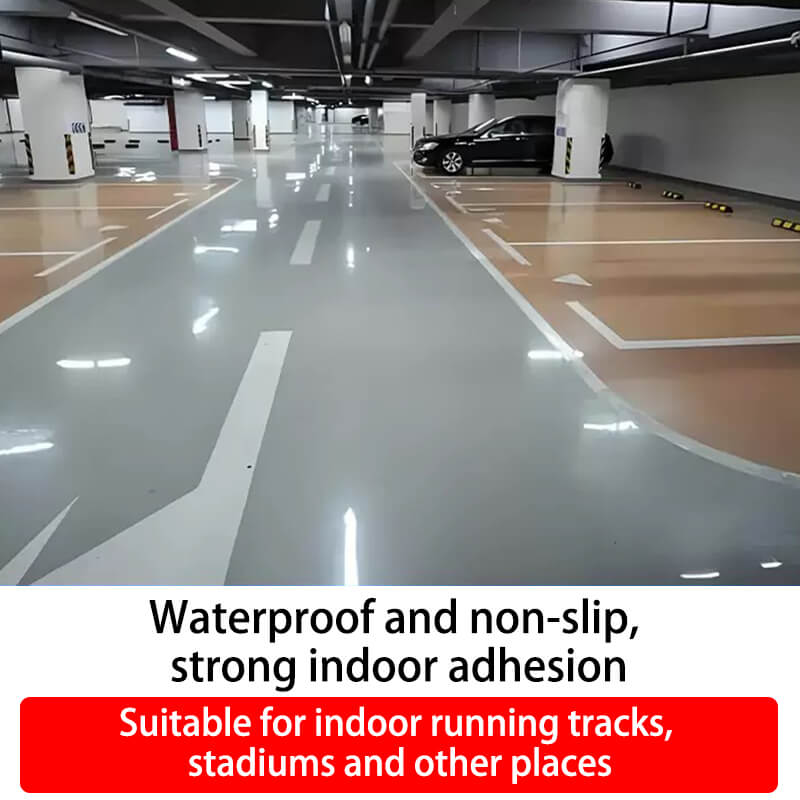
Foshan Konaz Technology Co., Ltd supplies premium epoxy floor paint for busy industrial workshops, large warehouses, and active logistics centers. They also cover parking areas, damp basements, and various commercial or industrial floors. Its published Epoxy Floor Paint features include high surface hardness, excellent wear resistance, and very strong adhesion. The product also offers reliable waterproof performance and great resistance to harsh oils and chemicals. You can easily apply it using a standard trowel, a roller, or a spray tool. These strong characteristics make KONAZ a highly practical supplier to consult. They can help you perfectly match a durable epoxy flooring system to your specific project conditions.
Conclusion: What Is the Best Rule for Selecting Epoxy Floor Thickness?
The best industrial epoxy floor thickness is never just one universal number. Light commercial floors need a much simpler coating build. Meanwhile, busy garages must resist constant tire wear. Large warehouses need excellent forklift resistance. Heavy factories require much stronger impact and abrasion performance. Finally, complex chemical plants need both intense chemical and mechanical protection.
Therefore, you should always take the final mm value directly from the official TDS and the detailed construction specification for your actual coating system. Selecting your floor thickness in this careful way helps buyers avoid dangerous underspecification. Underspecification can quickly cause premature floor wear. At the same time, this smart approach prevents unnecessary overspecification that needlessly increases your total project cost.
FAQs
1. Does a Thicker Epoxy Floor Always Last Longer?
No, it does not. A greater thickness can certainly improve the overall mechanical capacity. However, this only works when it is part of a correctly designed system. Proper surface preparation, strong adhesion, and the specific resin type matter just as much. The curing process, daily traffic levels, and harsh chemical exposure also determine the final service life.
2. Can a Garage and a Warehouse Use the Same Epoxy Floor System?
Not necessarily. Garages mainly face standard vehicle tires and localized surface abrasion. On the other hand, busy warehouses may experience continuous forklift traffic and highly concentrated wheel loads. You should carefully evaluate each distinct area according to its own actual operating conditions.
3. What Information Should I Provide KONAZ Before Asking for a Thickness Recommendation?
You should provide the specific application, the total floor area, and the current concrete condition. Please also share the exact traffic type and frequency. You must include details about heavy machinery or vehicle loads, chemical exposure, and the general impact risk. Finally, mention your daily cleaning method and the required visual finish. With these helpful details, the supplier can confirm the appropriate coating system and its ideal target thickness. They will base this entirely on the relevant technical specification.