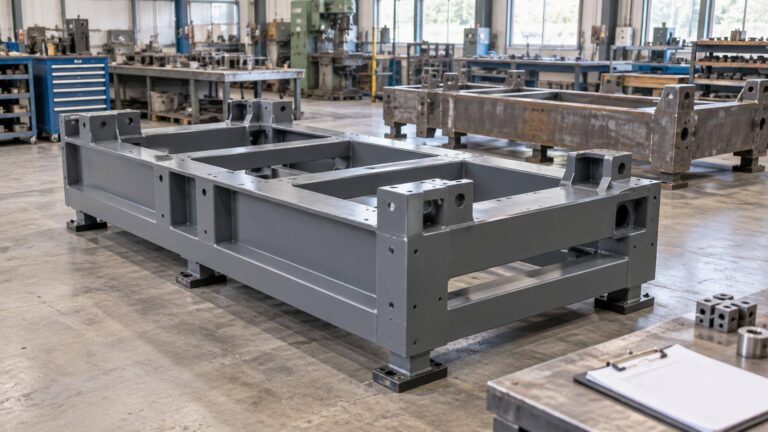
A coating may look fine on an oven’s outer panel but discolor near the cavity. On a drawing, both pieces may simply be called oven panels, although they do not see the same heat. I would want a reading from the metal where the finish will sit, followed by a trial made using the factory’s own curing process. There also needs to be a reference for appearance; “no discoloration” is too vague to judge a sample against.
Put the panel conditions on the drawing
Mark the panel location, heater distance, cavity-facing areas, edges and seams. Add the steel grade and planned surface preparation beside those locations. The peak reading matters, but so does the time spent near it. A panel that heats up briefly is not undergoing the same duty as one held hot through most of the cycle. The production notes should describe the available application and baking conditions, together with the finish the buyer has agreed to accept. If metal temperatures have not been measured, leave a clear “to confirm” note instead of using the coating’s rating as a substitute.
Check what the Konaz case actually says
The Konaz oven application page describes a silicone-based black coating for oven use. It reports two temperature limits for that project: 300°C under continuous exposure and 400°C at the peak. Drying is described separately. For air drying, the entry specifies 24 hours at room temperature. For the accelerated customer test, the cure was 150°C for 30 minutes. Those are details of one oven application, not a ready-made specification for the next enclosure. Substrate, film build and test conditions still need to be established. Ask for those details before writing a project acceptance limit.
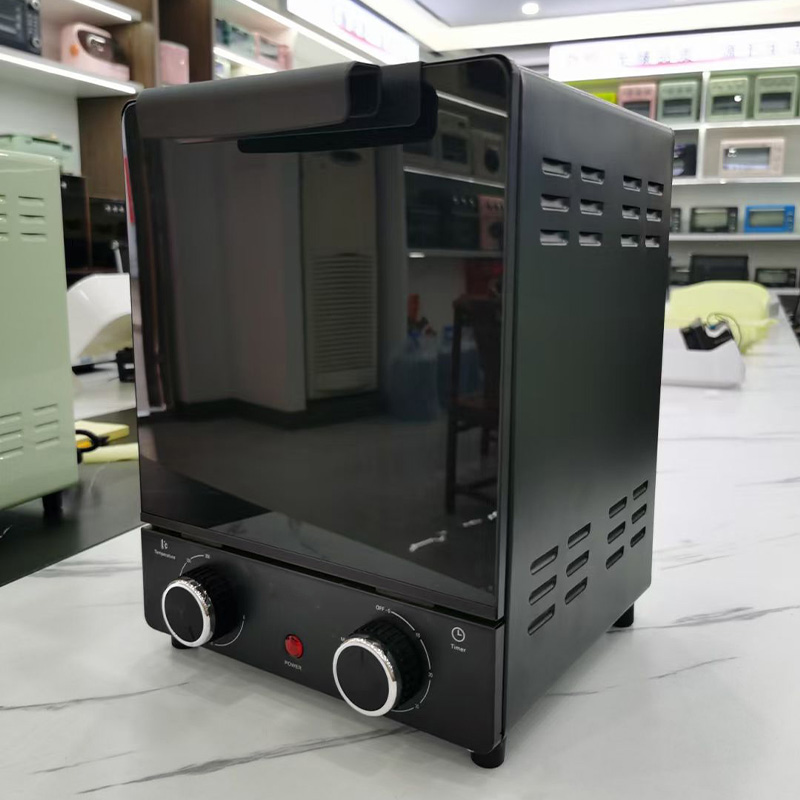
The RFQ should separate the temperature the coating must withstand in service from the temperature used to cure it at the factory. They answer different questions. A finish could meet the first requirement yet still be awkward to run on the production line if the available cure is wrong for it.
Set the sample review before requesting samples
Keep a reference finish beside the first trial panel. A simple pass/fail box tells little about what happened in a heating test. If the finish turns dull or starts leaving a chalky residue, circle the affected area on the panel drawing. Note whether it is on an exposed face or tucked into a fold; those are not the same inspection location. The same review needs to catch blisters, peeling and loss of adhesion. A broad “food grade” claim is not enough for a part with food-contact requirements. The certificate needs to apply to the coating being offered and the way it will be used. The Konaz oven case mentions independent food-grade certification and no odor after baking. Before relying on either claim, ask to see the supporting documents for the specified formulation.
Send the supplier enough to respond
Attach the drawing, substrate, pretreatment and heat profile. Include target finish, application method, available cure equipment and sample checks. Ask the supplier to return current technical and safety documents and to identify any unanswered input.
The Konaz heat-resistant coatings page and oven case can support the initial review. Keep case figures identified as case information until the proposed system is confirmed for the part.
RFQ details that prevent a second sample
An enquiry that says only “coating for oven model X” usually leads to another round of questions. Start with the latest panel drawing and its revision. An overall oven drawing will not tell the supplier which painted surfaces face the customer or the heat. Show the steel grade, its pretreatment and the dry-film thickness being considered; mark the visible faces on the panel drawing. Use readings from that metal where possible. The number on the oven controller may be higher or lower than the temperature of that steel. A brief peak is also different from holding the panel hot for most of a cycle. Give the supplier the usual time at temperature, the short peak and how often the heating cycle repeats. When the metal has not yet been measured, label the figure provisional. The quotation should show the assumptions behind it, so they can be checked once readings are available.
A trial panel tells you much less if nobody can reproduce the way it was coated. Keep the spray method in the trial notes, together with the flash-off time the operators actually had. Note whether the curing oven has been assessed under a normal production load. Include the cooling arrangement as well. Two plants ordering the same coating may not have the same curing equipment. That is why the approval should name the line on which the panel was made. Moving the job to another line may call for another check. For the appearance and adhesion results, the inspection sheet needs the name of the person who checked them and the time elapsed since heating. Record any odor at that inspection too.
Keep the signed inspection notes with the approved panel and the cure settings actually used. Otherwise, if a later batch comes out with a different sheen, quality staff are left piecing the original trial together from old emails.
Buyer checks before approval
A signed-off panel ought to be traceable to a particular formulation revision. Keep the metal grade, its pretreatment and the application method on the same record. Later, when the supplier sends updated technical or safety sheets, the purchaser can check their product identification against what was actually sprayed. A certificate needs the same attention. Read the issuing laboratory, the material covered by the test and the stated use; a familiar certification heading alone will not answer those questions. File these documents with the sample results. A general brochure is no substitute for records tied to the tested coating.
A useful trial also has a change rule. Two batches can carry the same coating name and still differ in ways that matter on the oven panel. A change in thinner, resin or pigment is one possibility; the dry-film thickness and bake schedule can change the result as well. Changes to the oven panel matter as well. Thicker metal, another pretreatment or a heater repositioned near the surface can make the old sample less representative. Put the revised details beside the original trial record before engineering and quality decide whether approval can carry over.
Checks that still belong to engineering
The coating may have passed a heat-resistance test, but that does not tell us the temperature of the panel in this oven. An air-dry time answers a different question again. Neither figure shows what repeated heating and cooling will do to the finished surface. Check both points on the actual part and process. Take the readings on the parts that will actually receive paint, rather than relying on a nearby air probe. The cure record should make clear whether the loaded oven heated evenly, what ventilation was available and how long the panels cooled before inspection. Then look at the finished part. Film damage can show up first around a folded corner, screw hole, seam or repaired area, even if the flat test coupon looks acceptable. Where the brief includes odor limits or food-contact requirements, the responsible compliance reviewer still needs to examine the supporting reports before release.
The Konaz oven application page is useful for framing these questions. It remains a case reference until the proposed formulation and test plan are approved for the new enclosure.
Minimum handoff record
Before release, retain the drawing, heat profile, approved sample, formulation revision, preparation notes, cure record and inspection result in one controlled folder. This makes the next supplier discussion faster and gives quality staff a clear comparison if a finish changes during production.
Conclusion
A usable oven-coating decision starts with the panel’s measured heat history, then checks the factory cure and sample criteria. Confirm the formulation against all three before production approval.
FAQs
Is peak temperature enough to choose an oven coating?
No. Record continuous exposure, peak duration and cycle frequency separately.
What should an OEM check for a food-contact coating claim?
Match the current certificate and test scope to the formulation and intended appliance use.
Can an enclosure coating be used on a burner head?
Review the burner separately. A burner head may see flame impingement and localized hot spots that an enclosure-panel test was never meant to cover.
Does the Konaz oven case’s 24-hour air-dry time apply to other coatings?
No. The 24 hours refers to room-temperature drying in the published oven case. That same record mentions a separate customer trial at 150°C for 30 minutes. Neither detail tells another factory how to cure a different formulation. Request the instructions for the coating and line under consideration.
Should an oven-coating supplier receive the oven setpoint or the panel temperature?
The panel-metal reading is the one that describes the coating’s exposure. The oven display may read differently from the metal next to the heater. Give the supplier the panel readings, the time spent at the peak and how often the oven goes through that cycle. The drawing should also identify surface preparation, film thickness, visible finish and the available application and cure process.
Can a factory still use its approved sample after changing the thinner or bake cycle?
Not automatically. A new thinner or bake cycle may change the finished film even if the product name on the drum is unchanged. And if the panel gauge, pretreatment or heater position has changed, the coating may face a different heat profile. Compare the proposed setup with the recorded trial first; then decide whether a repeat sample is needed.