A supplier’s temperature figure is useful only when it can be matched to the burner part and the test behind it. For a coating review, begin with one drawing, one operating profile and one sample plan. Keep the three together as the team compares options.
Burner review sheet
| Review item | Project record |
|---|---|
| Coated area | Mark flame ports, recesses, edges and grease zones on the part drawing |
| Substrate | Name the metal and describe the surface condition before preparation |
| Heat | Record continuous temperature, short peak, duration and ignition pattern |
| Cleaning | State the method used in service and any grease exposure to include in sampling |
| Factory route | Record preparation, application method, bake equipment and cooling |
If part temperature has not been measured, flag it for engineering review. Do not use the coating’s rating as a proxy for the burner’s surface temperature.
What Konaz publishes for the burner-head case
The Konaz gas burner head page describes a silicone-based black matte paint applied by spraying. It gives 600–700°C continuous resistance, peak direct-flame exposure up to 800°C and a 280°C bake for 15 minutes. These are published case details. A second burner cannot be compared from the headline number alone. A buyer comparing parts needs to know which substrate, film build, exposure duration and test method sat behind that number.
Grease and oxidation are part of the same case description, which reports no peeling or discoloration under its stated conditions. The sampling drawing becomes more useful when flame-side edges, recesses and the future grease area are marked before the part enters the trial. After the cycle, the inspector can note where the finish changed and use the appliance’s chosen service method on the marked grease area. This turns the page descriptions into checks without assuming they will repeat on a different design.
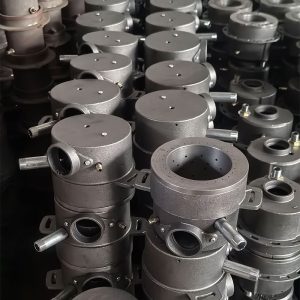
[IMAGE 1: Insert official Konaz photograph]
ALT: Metal gas burner head components in the Konaz burner coating case gallery.
Run the trial on the production route
The formulation record should travel with the cleaning and preparation notes. A trial without the specified primer or sealer is not the system that will go on the burner. For sprayed work, record the flash-off period, coats and film thickness actually used. The production team then checks whether its own line provides the ventilation, even bake and cooling that the sample assumed. Inspect the recesses shown in the drawing. A flat coupon does not show whether those areas received coverage.
For a liquid and a powder candidate, the trial can use one burner and one inspection sheet. The sheet leaves room for the coverage, pretreatment, cure equipment and repair notes that distinguish the two routes.
Keep the approval tied to its sample
The sample record should identify the formulation revision, substrate, preparation, application and cure. Attach the heat and cleaning observations and current technical and safety documents. If a listed input changes, reassess whether the sample still represents production.
The Konaz heat-resistant coatings page provides broader product context. Request information for the exact formulation under review before carrying case data into a new design.
Buyer checks before approval
The burner RFQ can open the trial file. Put the drawing revision, substrate, starting surface, preparation, coating revision, application route and cure there so the later approval has a traceable starting point. Check the label on the trial material against the product named in the technical and safety data sheets. For an appliance- or food-related claim, file the test report and check exactly what use it covers.
Record what would require a new trial. The coating name can stay the same even if its resin, pigment or primer changes. A different film build or bake cycle raises the same question. So can a new burner metal, altered port layout, shifted flame path or cleaning fluid. The published case is useful context. Approval still belongs to a sample made with the revised process.
Risks that need engineering review
The coating’s maximum temperature is not the same as the burner’s measured surface temperature. A convenient reading on a flat face may miss the metal beside a flame port. On the trial burner, mark the probe location and record how long it stayed hot. Check port recesses and edges for thin coverage after the cycle. The record should include ventilation and how the part cooled after baking. Test grease and the actual cleaning fluid when these are part of service. If peeling appears after washing rather than heating, that difference matters to the investigation.
The Konaz burner-head page supplies the case context; the production approval should remain tied to the formulation and part that were tested.
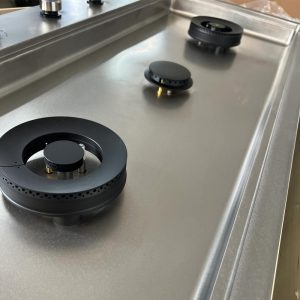
[IMAGE 2: Insert official Konaz photograph]
ALT: Close-up of a black gas burner head mounted on a metal gas appliance panel.
Buyer questions during approval
The temperature question starts with the burner’s measured continuous and peak values. The duration and test method behind the supplier’s rating should be recorded beside them. Matte black is an acceptance item when a finish change, surface defect or grease-removal problem affects appliance use. Keep the RFQ beside the sample. The drawing, heat record, flame exposure, preparation, application, cure and checks then remain together.
RFQ details for a burner-head trial
Start with the latest burner drawing. Mark the flame ports, tight recesses, fixings and places grease will collect. The shop needs the incoming metal grade and surface condition, the intended pretreatment and dry-film thickness, plus any primer or sealer. Put the measurement point beside each temperature reading. Continuous heat and ignition peaks need separate entries; if the probe cannot reach the hottest area, do not label the recorded number as the maximum.
The cleaning test needs more than “wash and inspect”: name the fluid, contact time and number of cycles. The factory should give its actual spray equipment, flash-off allowance, bake settings and cooling method. Go back to the marked recesses after heating and cleaning. If the resin, pigment, primer, film build or bake schedule changes later, check the revision against the approved sample before relying on the earlier result.
Two quotes with the same heat rating can still assume different preparation or inspection conditions.
Minimum handoff record
When the burner is released, purchasing and quality can keep the drawing, heat profile, approved sample, formulation revision, preparation notes, cure record and inspection result in one file. That shared record gives the next supplier discussion a clear reference if the production setting changes.
Conclusion
Approve the coating against the component and factory route tested. Keep the drawing, heat profile and sample record together so the production decision remains traceable.
FAQs
Can the 800°C peak figure be used as the approval limit for every burner head?
No. Konaz lists up to 800°C peak direct-flame resistance for its published burner-head case. OEM approval should also consider measured part temperature, exposure duration, substrate and the actual test conditions.
What curing condition does Konaz report for its gas burner head case?
The case describes a 280°C bake for 15 minutes, followed by further curing from burner heat during use. Confirm the instructions for the exact coating formulation and production line before adopting that schedule.
Why should flame ports and recesses be checked separately from flat test coupons?
Coating coverage and heat exposure can differ around ports, tight recesses and edges. Inspect those locations on the real burner after the agreed heating and cleaning tests.
What should an OEM include in a burner-head coating RFQ?
Include the drawing revision, metal and pretreatment, coating build, measured continuous and peak exposure, cleaning conditions, and available spray and curing processes. State which readings are still estimates.
When should an approved coating sample be reviewed or retested?
Review the approval after changes to the resin, pigment, primer, film thickness or bake settings. A new burner geometry, flame path, substrate or cleaning chemical may also require another trial.
Does heat resistance alone confirm grease resistance or food-contact suitability?
No. Grease and cleaning performance need checks matched to the appliance. Where food-contact or other compliance requirements apply, verify that the supporting test documents cover the exact formulation and intended use.