
A scratch does not always mean stripping an entire painted part. Local touch-up may be practical when the damage is limited, the surrounding coating is firmly attached and a compatible repair procedure is available. With high temperature paint, covering the exposed metal is only part of the job. The repaired area must also tolerate the component’s operating heat and meet its appearance requirements. Start by finding out what was damaged before choosing something to spray over it.
Separate a Local Scratch from Coating Failure
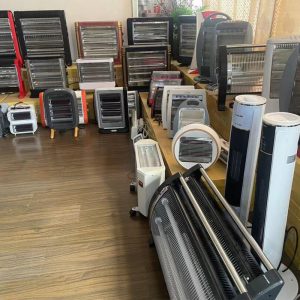
A handling mark on an otherwise sound panel presents a different problem from paint lifting across several panels. In a hypothetical batch of heater housings, a scratch beside a fixture contact point gives the production team a specific place to investigate. Blisters or loose edges away from that contact point suggest the investigation needs to extend beyond handling.
Record the damage before preparing it. Look at whether metal is exposed, how far the coating has detached and whether corrosion reaches under the remaining film. A patch cannot secure loose material beneath it. If the apparent scratch keeps enlarging during preparation, reconsider the repair boundary rather than continuing to cover it.
The original high temperature coating also needs identifying. Its name, batch and application record give the repair team a starting point. A description such as "black heatproof paint" leaves too much uncertainty about what is already on the part.
Match the Repair Paint to the Existing Finish
Once the damage is judged suitable for local repair, the material choice has to address both compatibility and appearance. Matching a temperature label alone does not settle either question.
Coating Identity and Compatibility
Ask the original coating supplier which material and preparation procedure are suitable over the existing finish. The same product may be an option, but its suitability for touching up a previously heated film still needs checking. The condition of that film matters as much as its identity.
An aerosol from another supplier is not automatically compatible because its label gives a similar temperature rating. Confirm the proposed combination on a representative sample before using it on finished stock. Include any retained primer in that assessment; the repair is being applied to a layered surface, not simply to bare steel.
Colour and Texture Across the Repair
For the heater housing example, a repair can be technically acceptable yet remain visible on the main panel. Application method, film build and the condition of the surrounding paint can affect the comparison. A new colour sample is not necessarily a match for a finish that has already been heated in service.
Agree where appearance will be assessed and under what lighting. A concealed bracket and a large customer-facing panel may have different acceptance criteria. If the approved local method leaves an unacceptable visible boundary, a wider refinishing area may be the better choice.
Prepare the Damaged Area Without Building a Thick Patch
The approved procedure should define how to remove contamination, corrosion and detached coating. Retained paint needs to be sound. Where specified, feather the edge so the repair does not end against a sharp step in the old film. Keep preparation debris away from the adjoining surface before coating.
Do not fill a scratch by repeatedly adding paint until it looks level. A heat resistant finish is not a substitute for metal repair or filler. A dent or deep gouge needs a separate assessment of the component itself.
There is already coating at the overlap. Several passes across that edge add to its existing build, even if the exposed centre still looks thin. The high temperature paint thickness guide explains why thickness belongs in the product specification. Follow the repair limit and application method agreed for this system rather than borrowing a coat count from another paint.
Qualify the Repair Through Drying and Heat Exposure
Plan the trial around the state in which the part will be repaired. A previously heated housing is a different starting surface from a freshly painted test plate. Use the proposed preparation and repair method on that representative surface, then follow the selected product’s drying or curing instructions.
After the relevant heat exposure and cooling, inspect the repaired centre and its overlap. Look for lifting, blistering, cracking and an unacceptable change in appearance. Keep the original acceptance criteria beside the sample so a different inspector can reach the same decision. Additional adhesion or corrosion testing may be required by the component specification; appearance alone does not establish those properties.
Record the repair material and the area treated. That record helps distinguish a later problem in the original film from one starting at the patch. For repeated damage on the line, correct the fixture contact or handling route as well. Touching up each part without addressing the source simply leaves the next batch facing the same work.
Agree the Repair Material with KONAZ
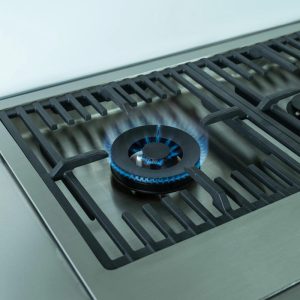
KONAZ supplies heat resistant coatings for metal applications including heaters, exhaust components and fireplaces. For an enquiry about a damaged finish, start with the original product identity and a photograph of the area. Explain whether the part has already seen service heat. Those details help establish which coating and application guidance should be considered for the repair trial.
Conclusion
A local repair is worth pursuing where the surrounding film is sound and the proposed method can be qualified. Settle the repair boundary, compatibility and appearance criteria before treating the batch. Contact KONAZ about the coating material and product instructions needed for that assessment; a photograph is a useful starting point, not proof that every scratch can be patched.
FAQs
Can high temperature paint be applied while the part is hot?
Apply within the selected paint’s stated surface-temperature limits. A coating’s service heat rating is not its permitted application temperature.
Can touch-up paint repair a crack in the metal?
No. A crack needs assessment and any necessary metal repair before coating. Hiding it with paint does not restore the component.
Will a repaired area be invisible?
That cannot be assumed. Assess the trial after the specified drying and heat exposure, using the appearance criteria agreed for that surface.


