High temperature paint and fire retardant paint answer different questions. One concerns a finish exposed to heat during operation; the other concerns specified behaviour in a fire. The terms can appear together in an equipment enquiry, but a temperature printed on a paint label does not establish fire protection. Before comparing products, identify whether the job calls for a durable hot-surface finish, controlled surface fire behaviour or protection of a loadbearing structure.
Define What the Coating Must Protect
Start with the coated component and its role. Two steel items in the same building may need entirely different coating evidence because they perform different jobs.
A Finish Exposed to Operating Heat
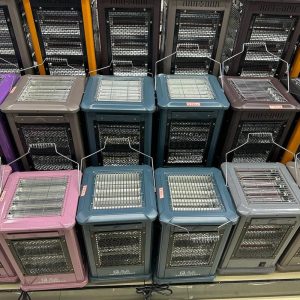
Consider a hypothetical oven installation. Its outer metal enclosure heats during use and cools after shutdown. The coating needs to suit that surface’s operating conditions, including the relevant temperature cycle and environmental exposure. The enclosure’s temperature must be established for the actual location; the oven’s internal setting is not automatically the temperature of every external panel.
A heat resistant coating is the relevant product category for assessing that finish. Selection still depends on the metal, preparation and application process. Calling the coating "high temperature" does not remove those conditions.
A Surface or Structure Requiring Fire Performance
A fire-retardant finish may be specified to control characteristics such as flame spread on a particular surface. That concerns reaction to fire: how the material contributes when exposed to fire. The applicable classification and evidence depend on the substrate and coating system.
Structural fire resistance asks a further question: how long the protected member can fulfil its required function during a specified fire exposure. Intumescent coatings are one method of protecting steel. They expand when heated to form an insulating char that slows heat transfer. A surface flame-spread classification and structural fire resistance are therefore not interchangeable descriptions.
Compare Temperature Ratings with Fire Test Evidence
Return to the oven example. A finish may have evidence for repeated operating heat on the enclosure. That evidence does not establish a fire-resistance period for the steel frame supporting the installation.
Temperature ratings need their conditions. Continuous exposure, short peaks and direct flame describe different duties, as the high temperature service-rating guide explains. A buyer should look for what was assessed, on which substrate, and what result was accepted. Retaining appearance after heating is a different outcome from delaying heat transfer into structural steel.
For fire performance, identify the required test or classification and the system covered by its evidence. A generic statement that paint is "fireproof" leaves that unresolved. Even a genuine report needs checking against the proposed use; evidence for one substrate or arrangement may not cover another.
Translate the Requirement into a Coating Specification
The enquiry can now split into the information needed for each task. This prevents a supplier from quoting a hot-surface finish against an undefined structural requirement.
Hot Equipment Surfaces
For the oven enclosure, describe the metal and the temperatures at the surfaces to be coated. Include heating frequency, cooling conditions and exposure to moisture or cleaning. Confirm whether the coating touches flame, and distinguish external metal from any food-contact area. Approval for one location should not be extended to the others without evidence.
The proposed coating can then be assessed on representative parts using the intended preparation and cure. Acceptance might cover film condition, adhesion and appearance after the relevant heat exposure. The requirements should reflect the component’s service, rather than a test selected solely because the supplier already has a result.
Structural Fire Protection
Where the frame has a structural fire-protection requirement, the specification belongs with the responsible designer and qualified fire-protection supplier. The selected system and thickness depend on the project requirements and steel section details. The number of exposed faces is among the factors that can affect the design.
Applying the same thickness to every beam because the colour matches is not a design method. Obtain the applicable system specification and coating-thickness schedule for the members involved. Retain the application and inspection records required by the project. These documents address a different approval task from the enclosure’s operating-heat trial.
Keep Primers and Topcoats Within the Selected System
Both tasks involve more than the visible final colour. A heat resistant topcoat over an unsuitable primer may leave the underlying layer exposed to conditions it cannot tolerate. The complete hot-surface system needs to suit its service.
For intumescent protection, primers and decorative topcoats also need to fall within the approved system requirements. An unapproved overcoat can affect performance or fall outside the supporting evidence. Adding a heat resistant paint does not automatically extend a fire-protection system’s capability.
If an existing part has an unknown finish, establish its identity before specifying an overcoat. Keep the proposed layer sequence on the order and application instruction so purchasing, the painter and the inspector are working from the same requirement.
Discuss Heat Resistant Coatings with KONAZ
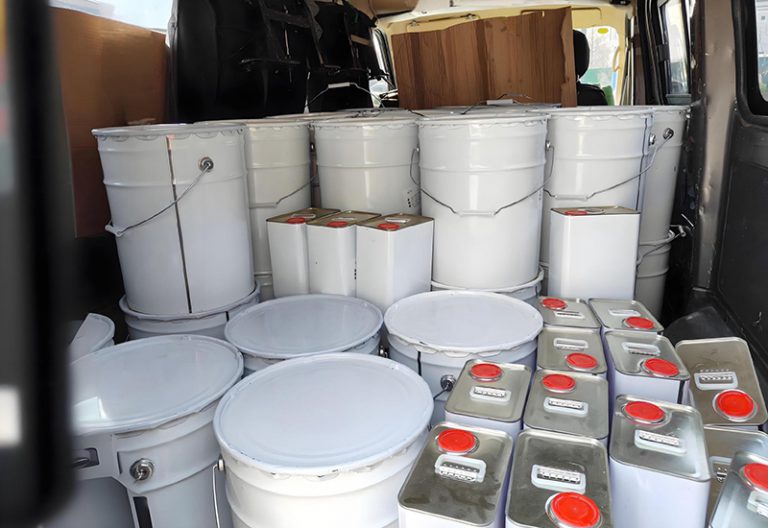
KONAZ supplies heat resistant coatings for hot metal applications including ovens, exhaust systems and fireplaces. For the oven enclosure enquiry, share the component location and known operating conditions and ask about the suitable coating and application guidance. A separate structural fire requirement needs its own assessed system; a KONAZ heat-resistance description should not be treated as evidence for that approval.
Conclusion
Choose according to the performance the component needs. An operating-temperature limit, a surface fire classification and a structural fire-resistance requirement each call for different evidence. Contact KONAZ for a heat resistant coating enquiry, keeping any structural fire-protection specification clearly identified alongside it.
FAQs
Is a flame-resistant label enough for structural approval?
No. The project needs evidence for its specified structural fire performance and the proposed complete system. A label alone does not establish that scope.
Can ordinary decorative paint cover an intumescent coating?
Only where that finish is permitted by the selected fire-protection system. Check the approved topcoat requirements before changing the appearance.
Does heat resistant paint reduce a hot surface’s touch temperature?
Do not assume it does. A coating intended to withstand heat has not thereby demonstrated thermal-insulation or personnel-protection performance.


