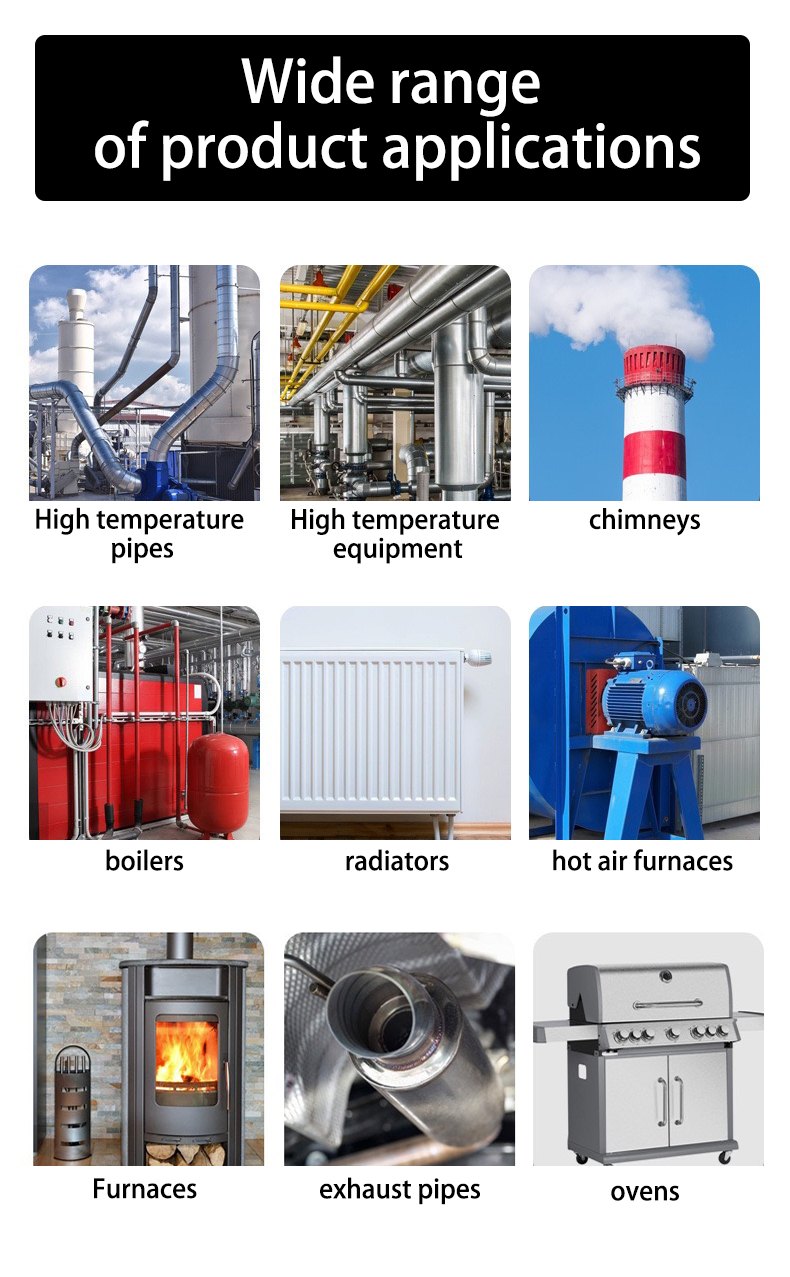
An “800°C heat-resistant coating” sounds fairly simple. However, the number alone fails to give enough details for picking the right product. This figure might refer to continuous operating temperature. It could also mean a brief peak exposure, a lab test result, or a certain coating color and film thickness. Furthermore, this rating does not automatically guarantee that the paint can handle direct flame. Equipment makers, coating sellers, maintenance crews, and everyday users must look at their actual working conditions. They need to compare these details with the coating’s technical data. This step is vital before putting the paint on exhaust systems, furnaces, fireplaces, grills, boilers, or other hot metal parts.
What Does an 800°C Rating Actually Tell You?
A temperature rating shows the heat level a coating is built to handle under certain situations. Yet, suppliers might test and show that number in various ways.
Because of this, buyers require more facts than just a single maximum-temperature number.
Does 800°C Always Mean Continuous Exposure?
No, it does not. An 800°C rating might just show a brief peak. It rarely means the temperature the paint can endure non-stop for hundreds or thousands of working hours.
Technical coating sheets often split these two numbers. For instance, one Forrest high-temperature powder coating notes a continuous temperature of 471°C. It also shows a peak temperature of 537°C. Sherwin-Williams similarly outlines one industrial paint as good for steady service up to 538°C. It can also handle quick spikes up to 648°C. These cases show exactly why continuous and peak ratings must never be treated as the same thing.
When looking at an 800°C product, buyers need to ask questions. They should find out how long the painted sample stayed at that heat. They must also check if the exposure was steady, off-and-on, or in cycles.
Which Properties Should Remain Stable at 800°C?
Heat resistance can point to several distinct performance needs. A paint might stay stuck to the metal but suffer some color shifting. Another option might keep its fresh look but offer poor rust defense after repeated warming.
The buyer must check if the rating includes the following traits:
- Film adhesion and overall strength;
- Color and gloss holding;
- Defense against cracking, chalking, or flaking;
- Oxidation and rust protection;
- Performance after constant heating and cooling.
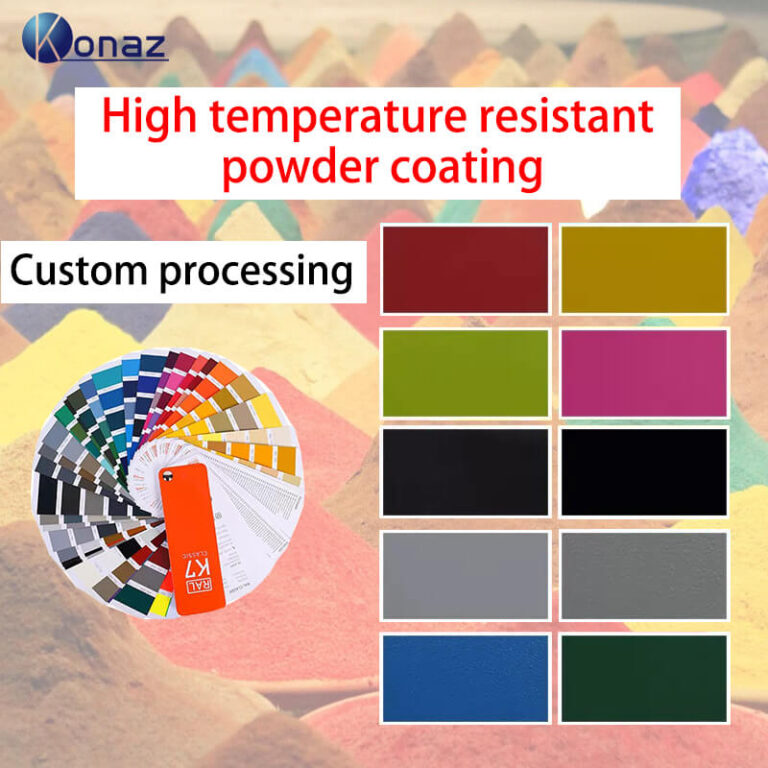
KONAZ outlines its organic silicone heat-resistant coating as fit for roughly 200–800°C settings. The company also notes that it delivers solid wear and water resistance.
How Are Continuous Heat and Peak Heat Different?
Machines almost never run under one perfectly steady temperature. Startup, shutdown, shifting loads, fuel flow, and airflow all play a role. Maintenance tasks can also alter the metal surface heat.
You need to pick the coating based on both the normal running range and the highest likely temperature.
What Is Continuous Operating Temperature?
Continuous temperature is the heat level the paint is meant to handle during normal, ongoing work. This figure is usually the most vital detail for furnaces, boilers, exhaust ducts, and process pipes. It also matters greatly for heaters and industrial gear that run for long spans.
A paint constantly facing heat above its suggested range will fail over time. It might slowly lose its grip, turn brittle, fade, chalk, or crack. This damage might not show up during the very first heating run. That is why a quick test at peak heat does not truly predict long-term working life.
What Is Peak Temperature?
Peak temperature is a brief high point caused by specific events. These include ignition, speeding up, process shifts, or machine faults. A paint might survive this higher heat for minutes or hours. However, it cannot handle it for non-stop running.
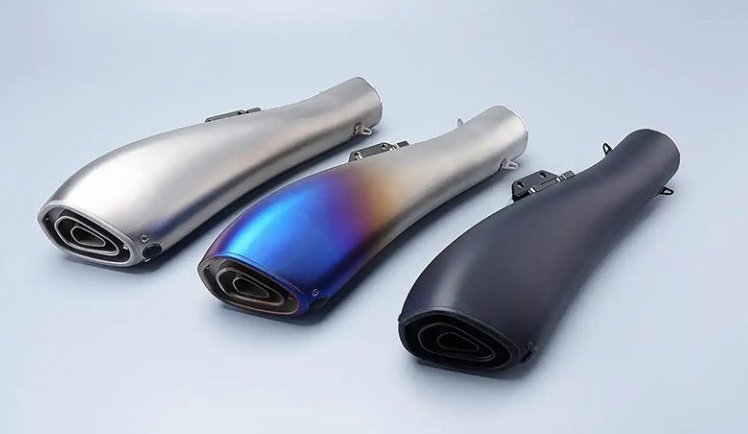
Take a motorcycle exhaust part as an example. It might quickly hit a higher surface heat during tough riding compared to normal cruising. An industrial furnace might also create a brief heat spike during startup.
Buyers must state the expected peak heat, exposure time, and frequency when asking for a coating suggestion.
Does an 800°C Rating Mean the Coating Can Withstand Direct Flame?
Not always. Direct flame causes a totally different stress condition compared to hot air, radiant heat, or touching a fully heated metal surface.
A paint should only go into a flame-contact zone when the maker clearly allows that specific use.
Why Is Direct Flame More Demanding?
Flame contact can create focused hot spots and sudden temperature swings. It also brings combustion gases, soot, and uneven swelling across the metal. The real surface heat might even climb past the stated working temperature of the gear.
Because of this, a paint sold for high heat might work well on the outside of a grill, stove, oven, or fireplace. At the same time, it could be a bad choice for the inside of a firebox.
Rust-Oleum, for instance, rates one high-heat paint for temperatures up to 648°C. Yet, it clearly warns against using it on metal directly touched by open flame. On the other hand, Forrest offers a separate item specially made for direct flame contact. This difference proves that heat resistance and direct-flame approval are two totally different performance claims.
What Proof Should Buyers Request?
For direct-flame jobs, ask for the test heat, exposure time, and flame type. You also need details on the metal base, film thickness, heating cycles, and passing rules. Simple pictures showing that a sample stayed stuck are never equal to a full technical report.
The provided KONAZ product sheet details a high-temperature powder-coating choice rated up to 800°C. It also lists direct-flame resistance among its top features. Even so, buyers must still check the exact mix and test conditions for their specific job before starting production.
How Do Thermal Cycles Affect Coating Performance?
Many hot parts swell over and over during work and shrink after shutdown. This shifting puts heavy stress on the bond between the paint and the metal base.
A good coating must handle the whole working cycle. It cannot just survive the highest temperature.
Why Does Repeated Heating Matter?
A paint that passes one single heating test might still crack after hundreds of runs. Fast temperature shifts can be very tough. This happens because the metal and the paint might swell at totally different speeds.
Buyers need to ask if the product went through constant heating and cooling tests. They should also check if the test used the exact same metal base as the final part. Carbon steel, stainless steel, aluminum, and aluminized steel do not act the same way at high heat.
Why Are Preparation and Curing Important?
Oil, rust, moisture, loose scale, and poor surface roughness can ruin the grip before the gear even gets hot. Putting on too thick of a film might also raise the risk of bubbling or cracking.
KONAZ’s printed application guides suggest cleaning and shining the metal. You must remove all oil and water. You also need to avoid putting on a coat that is too thick. The guide lists baking at 280°C for 15 minutes as one good curing method. It also allows natural drying for 24 hours if baking tools are missing. The exact steps must be checked for the chosen product and the factory line.
What Should Buyers Check Before Ordering an 800°C Coating?
A smart product question should outline the full working setting. It is never enough to simply ask for “800°C paint.”
The facts below help a supplier pick out a highly suitable mix.
Which Project Details Are Most Important?
Buyers must share the continuous temperature, peak temperature, and peak length. They should also list the heating frequency, metal base, and any current coating. It helps to note if the part sits indoors or outdoors. Finally, mention any contact with flame, water, oil, chemicals, or salt.
They must also state the needed color, gloss, dry-film thickness, and curing tools. Share details on the painting gear, package size, yearly amount, and target market. For OEM work, sample painting and thermal-cycle testing must happen on the real part whenever possible.
Why Choose Foshan KONAZ Technology Co., Ltd.?
A trusted supplier will help clients match the paint system to the metal. They also look at the heat profile, factory process, and the needed final look.
What Can KONAZ Provide?
Foshan KONAZ Technology Co., Ltd. delivers heat-resistant coatings for high-temperature metal jobs. Its website shows an organic silicone coating line built for roughly 200–800°C settings. It also gives clear tips on prep work, painting, baking, and natural drying.
Equipment makers, sellers, and project buyers can send in their working temperatures and metal bases. They can also share their painting methods, colors, curing setups, packing needs, and order sizes. This starts the product talks and sampling process.
What Is the Final Conclusion?
An 800°C rating must never be seen as a magic fix for every high-heat setting. Continuous heat, quick peaks, thermal cycling, and direct flame all cause different stresses. Each one needs its own careful review.
Before picking a paint, check the continuous and peak temperature limits. Look closely at the exposure time, metal base, film thickness, and curing plan. You should also check color-holding hopes and flame-contact rules. A product that truly fits the whole working profile will give much better defense. It is vastly superior to one picked just because its label shows the highest heat number.
FAQs
Can an 800°C Coating Be Used Inside a BBQ Grill?
This works only when the chosen product is clearly cleared for that specific grill zone. Outer shells, firebox insides, direct-flame spots, grates, and food-touch areas all have distinct rules. Heat resistance alone never proves that a paint is safe for flame or food contact.
Will an 800°C Coating Keep the Metal Surface Cooler?
In most cases, no. A basic heat-resistant coating is built to stay strong and shield the metal base at high heat. It is not naturally a thermal-insulation coating. Therefore, it might not lower the surface heat by much.
What Information Should I Send KONAZ for a Quotation?
Share the continuous and peak temperatures, flame contact, and metal type. Also list the part use, heating cycles, needed color, and finish. Include the painting method, curing tools, package size, order amount, and target market. These facts help KONAZ check product fit and build a much better coating offer.