Figuring out the right amount of anti-rust paint is very important. It helps steel contractors, fabricators, buyers, and maintenance crews manage their budgets. It also prevents unexpected project delays. Buying too little paint stops the job. On the other hand, buying too much wastes money on storage and extra supplies. A good estimate needs a few key details. You must know the total paintable area and the coverage rate. You also need the number of coats, the application method, and a sensible loss allowance. This guide breaks down the math. It also explains how to turn that final number into actual drums of paint.
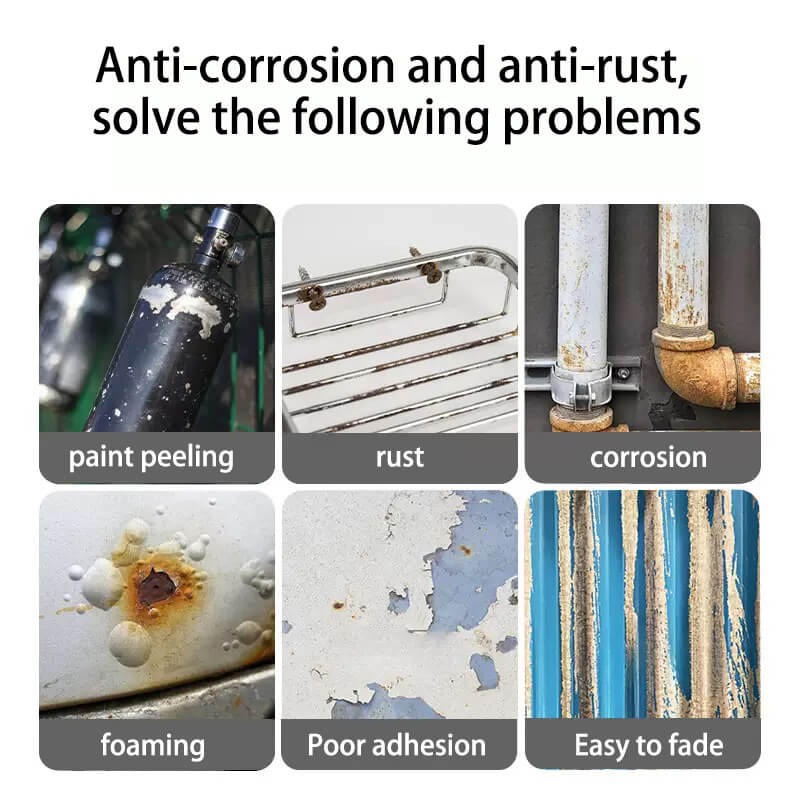
What Information Is Needed Before Calculating Paint Quantity?
You need correct project details before you use any formula. The final estimate relies heavily on the measured surface area. It also depends on the specific coating rules.
Total Paintable Surface Area
You must measure the bare steel surface in square meters. Do not just measure the floor space of the building. Items like beams, columns, and braces often have multiple sides to paint. The same applies to plates, handrails, tanks, and pipe supports.
For tiny jobs, you can measure each part one by one. Then, simply add those numbers up. For massive steel structures, you should rely on fabrication drawings. You can also look at project takeoff documents or use proper measurement software.
Number of Coats and Coverage Rate
Check if the anti-rust paint acts as a primer, a topcoat, or both. The total paint needed changes based on the number of coats.
KONAZ Anti-Rust Paint offers a stated theoretical coverage of 6–8 m²/kg per coat. It comes in 20 kg drums. Workers can apply it using a spray gun, a brush, or a standard roller.
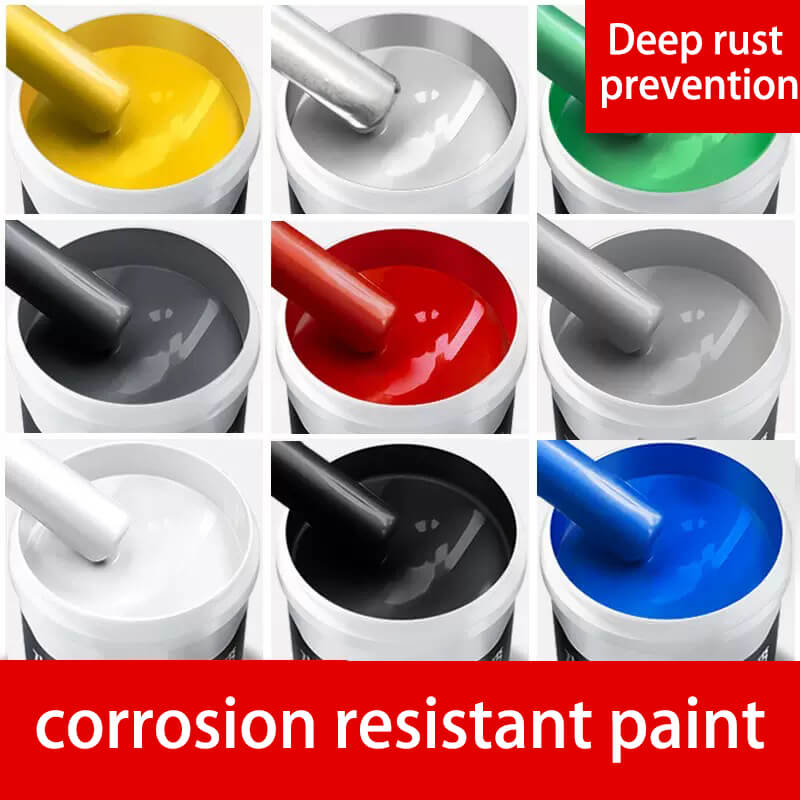
How Do You Calculate Anti-Rust Paint Requirements?
The basic math is quite simple once you know the surface area and the coating plan. You should use the lower end of the coverage range. This makes the purchasing process much safer.
Basic Paint Quantity Formula
Just follow this simple formula:
Paint required (kg) = Surface area (m²) × Number of coats ÷ Coverage rate (m²/kg)
Imagine a steel frame with 1,200 m² of paintable space. It needs two full coats. We will use a safe coverage rate of 6 m²/kg:
1,200 × 2 ÷ 6 = 400 kg
So, the base requirement is 400 kg. This number does not include any application losses yet.
Drum Quantity Formula
You must change the final paint weight into full drums. Use this step:
Number of drums = Final paint quantity ÷ 20 kg
Make sure to round your answer up. Let us say a job needs exactly 438 kg:
438 ÷ 20 = 21.9 drums
The buying team must order 22 drums. They should never just buy 21 drums.
Why Must You Add a Paint Loss Factor?
Theoretical coverage expects every drop of paint to land perfectly on a smooth spot. However, real steel jobs are messy. They often deal with overspray and rough textures. Paint gets stuck in equipment. Workers also lose paint on sharp edges, rough welds, and hard-to-reach areas. Final touch-ups waste even more material.
Suggested Planning Allowances
A sensible loss allowance might look like this:
- Brush or roller application: roughly 5–10%
- Controlled indoor spraying: roughly 10–15%
- Outdoor spraying or complex steelwork: roughly 15–25%
These numbers are just helpful planning guides. They are not strict product rules. Your final allowance needs to match the actual surface condition. It must also consider the tools, the weather, and the workers’ skill levels. The shape of the structure matters too.
Calculation Example with Paint Loss
Let us look at that same 1,200 m² steel structure again. It needs two coats and has a coverage rate of 6 m²/kg. We will add a 15% site-loss allowance.
First, find the base requirement:
1,200 × 2 ÷ 6 = 400 kg
Next, bring in the loss factor:
400 × 1.15 = 460 kg
Finally, turn that total weight into drums:
460 ÷ 20 = 23 drums
The suggested buying amount is 23 drums. You must still verify the film thickness and coating rules.
What Factors Can Reduce Actual Paint Coverage?
Two different jobs might have the exact same surface area. Yet, they could use totally different amounts of paint. The condition of the surface matters a lot. The shape of the metal parts and the application method also change the final coverage.
Surface Condition and Steel Profile
Blasted or rusty steel drinks up much more paint than smooth metal. The liquid coating has to fill deep pits and rough spots. It must do this before it builds a solid, protective layer.
Complex shapes cause extra waste too. Things like lattice frames, bolts, and welds lose more paint. Handrails, tight gaps, and sharp edges are also wasteful compared to huge, flat steel plates.
Film Thickness and Application Method
Putting on a heavy wet layer shrinks the area each kilogram can cover. Using a spray gun works great for massive steel structures. However, spraying outside often blows paint away into the wind.
Brushes and rollers cut down on this flying waste. Still, they might leave uneven layers on tricky metal shapes. You must never thin the paint too much just to stretch it further. A weak, thin dry layer will fail to stop rust.
How Can You Improve Accuracy and Reduce Paint Waste?
The main goal is not just to save paint. The true aim is to apply the correct amount evenly. At the same time, you want to stop careless material waste.
Practical Site-Control Measures
Break the big steel structure into smaller work zones. Keep track of the paint used in each section. This tracking helps you spot strange waste early. You can fix the issue before the whole job finishes.
Use wet-film or dry-film thickness tools when you can. Keep all spray tools in top shape. You must control the air pressure carefully. Never spray outside during heavy winds.
Always save a little extra paint. You will need it for minor fixes, shipping scratches, and later upkeep. KONAZ Anti-Rust Paint lasts for 12 months. It must stay tightly closed in a cool, dry room.
Why Choose Foshan Konaz Technology Co., Ltd as an Anti-Rust Paint Supplier?
Finding a trustworthy supplier is vital for heavy industrial work. Big projects demand steady product quality and proper packaging. They also need custom choices and solid technical help.
A Practical Coating for Industrial Metal Protection
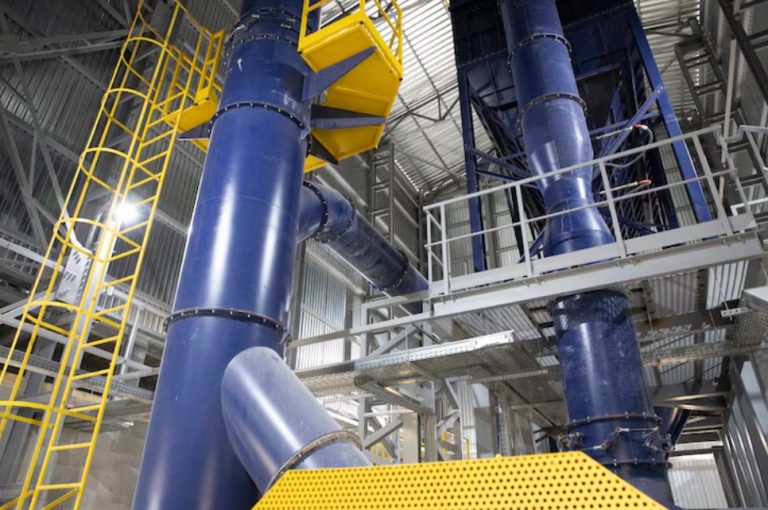
Foshan Konaz Technology Co., Ltd delivers strong anti-rust paint for steel structures. Their products protect heavy machinery, pipelines, and large tanks. They also cover ships, offshore rigs, and basic outdoor metal parts.
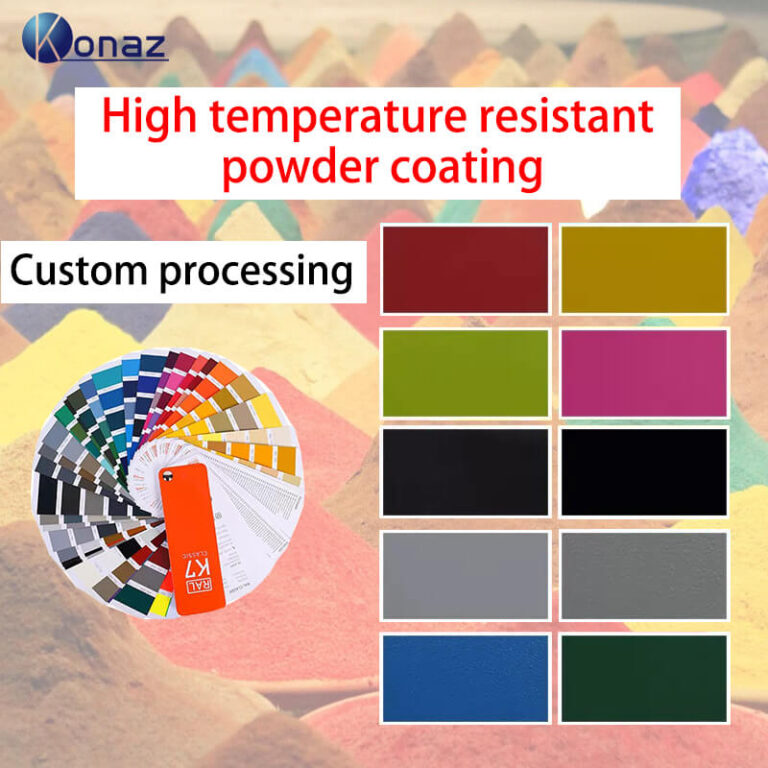
Buyers can pick grey, red oxide, or totally custom colors. The paint comes in matte or semi-gloss styles. Workers can put it on with a spray unit, a brush, or a standard roller. It works perfectly as a base primer or a final topcoat. This gives great freedom for various building and repair tasks.
What Should You Confirm Before Placing an Order?
A simple paint calculator gives a nice starting number. However, the final order amount must perfectly match the real project rules.
Final Purchasing Checklist
Check these details before you buy:
- Total paintable surface area
- Required number of coats
- Target dry film thickness
- Surface-preparation standard
- Application method
- Expected paint-loss percentage
- Required color and finish
- Project environment and corrosion exposure
Figure out the final weight first. Then, switch that number into full 20 kg drums and round up. Some jobs are massive or very tricky. For those, give the supplier your complete coating list before you finalize the deal.
Conclusion
A good anti-rust paint calculator makes budgeting much easier. It also takes the stress out of buying supplies. You begin with the total paintable area. Multiply that space by the number of coats. Next, divide it by the theoretical coverage rate. Finally, toss in a smart application-loss factor.
For KONAZ Anti-Rust Paint, the base theoretical coverage sits at 6–8 m²/kg per coat. It ships in standard 20 kg packaging. Real-world usage changes based on surface bumps and metal shapes. Film thickness, wind, and the application style also shift the numbers. You must always check your final math against the project rules and the actual job site.
FAQs
How Much Anti-Rust Paint Is Needed for 100 m²?
Let us assume a theoretical coverage rate of 6–8 m²/kg. A single coat on a 100 m² space takes about 12.5–16.7 kg of paint. Two full coats will need roughly 25–33.4 kg. This amount does not include any application waste yet.
Should I Calculate with 6 m²/kg or 8 m²/kg?
You should use 6 m²/kg to build a safe, cautious estimate. Extremely smooth metal and careful workers might hit the 8 m²/kg mark. However, rough steel and tricky metal shapes usually drop the actual coverage down. Flying overspray ruins the coverage rate too.
Can This Formula Be Used for Pipes, Tanks, and Machinery?
Yes, you certainly can. First, find the true paintable space for every single piece. Then, use the exact same math. You might need a bigger loss factor for rounded pipes and fittings. Welds, sharp edges, and tight corners waste extra paint as well.