Applying paint right over rust can save time. However, this trick fails on many metal surfaces. You might put a coating over loose scale, oil, wet spots, or heavy corrosion. If so, that layer could peel or bubble. Rust might also sneak back under the film. The right approach relies on the actual rust condition. Is it light and stuck fast? Is it loose and falling off? Or is it bad enough to ruin the metal’s strength? You have to look closely at the surface first. Do this before picking rust removal, a rust converter, or an anti-rust primer. Builders, homeowners, and upkeep crews need to check the metal. They must also read the coating maker’s technical guides.
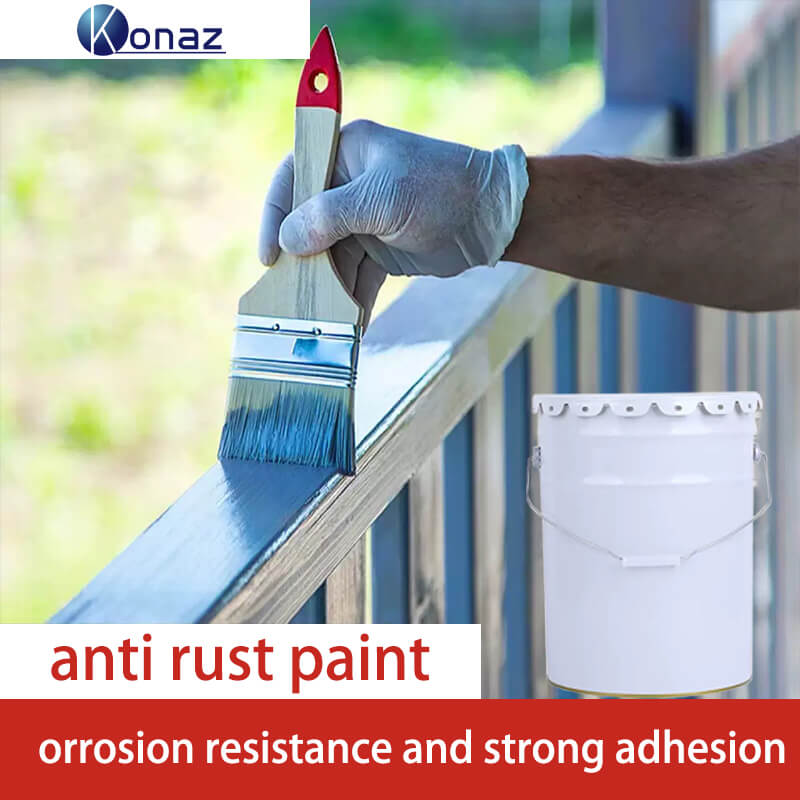
Can You Apply Paint Directly Over Rust?
Certain coatings work well on rusted metal that has been prepped right. Yet, you cannot just slap regular paint onto any rusty spot. The actual state of the rust matters a lot. The match between the paint and the surface is also vital. These factors mean much more than the hope of a fast job.
When May Direct Application Be Possible?
You might think about direct coating if the leftover rust is thin and stable. It must also stick tightly to solid metal. Still, you have to clean off loose rust and old peeling paint. Dirt, salts, grease, and other dirty marks must go away too.
The chosen product needs clear approval for that exact prepped surface. Makers call some industrial coatings surface-tolerant. They say these fit steel with very little prep work. Meanwhile, other primers demand harsh abrasive blasting. They might need cleaning to a strict level. The ISO 8501 standard sorts out early rust states. It also sets visual prep grades for steel. This covers cleaning by abrasive blasting, hand tools, and power tools.
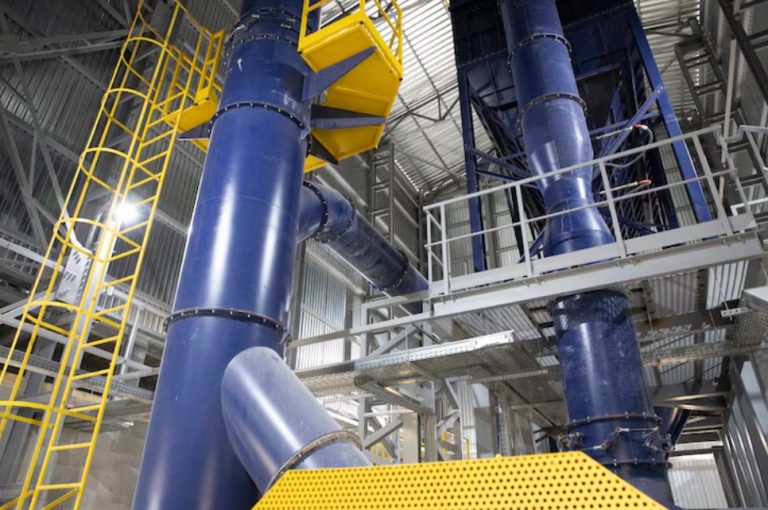
KONAZ Anti-Rust Paint is made just for metal bases. It acts as a tough coating with great grip. It fights off wetness, salt spray, and oxidation. The brand lists many uses for it. These include steel structures, machinery, pipelines, and tanks. It also works on ships,offshore sites,and outdoor metal parts.
When Should You Avoid Painting Directly Over Rust?
Never just hide thick scale or dusty rust under paint. The same rule applies to bubbled paint or deeply pitted metal. A new coating might just grab onto the rust layer. It will miss the solid steel underneath. Later, that weak rust layer will break off. When it falls, your fresh paint drops right with it.
Real structural harm demands more than a fresh coat of paint. Rust can eat away the thickness of a railing, tank, or pipe. It can weaken a frame or a load-bearing part. If this happens,you must check the metal carefully. Fix it or swap it out before you add any coating.
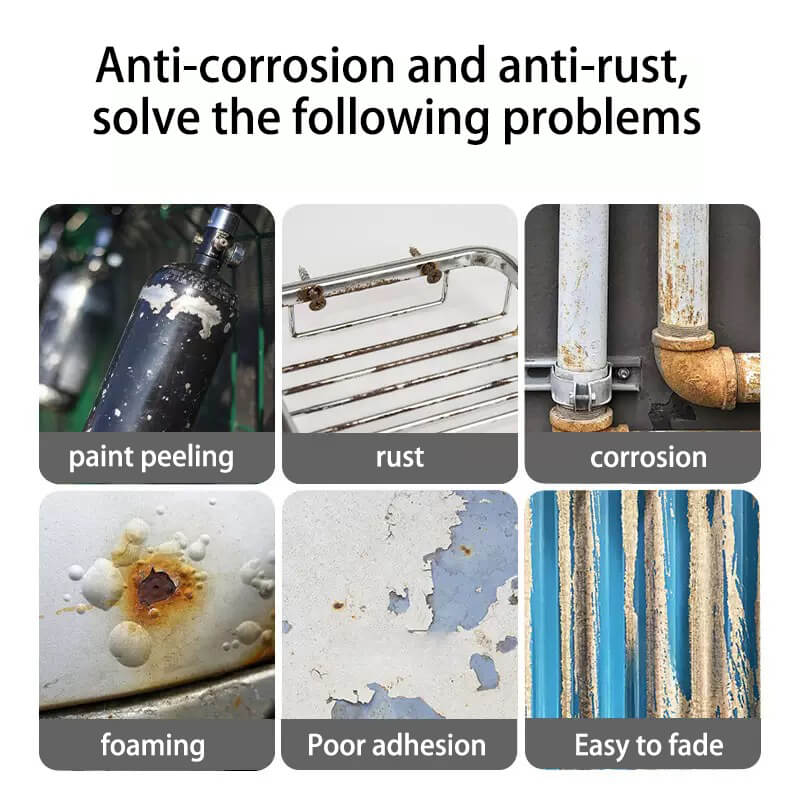
What Is the Difference Between Rust Removal, Rust Converter and Anti-Rust Primer?
These three methods deal with totally distinct surface states. You cannot treat them as different names for the exact same thing.
What Does Rust Removal Do?
Rust removal strips bad corrosion away from the metal. This happens through physical or chemical means. Normal mechanical ways include wire brushing and sanding. Grinding, needle scaling, and abrasive blasting also do the job well.
The main goal is to show a firm surface. This clean base can hold the new coating. You might face heavy scale, welding leftovers, or loose old paint. Sharp edges can also cause trouble. In these cases, light hand sanding is not enough. You will need power tools or blast cleaning instead.
Rust removal is mostly the top choice for very bad corrosion. It is vital for key steel structures and underwater items. Projects that need a strict protective-coating system also rely on it. Taking the rust off lets the worker see the true state of the steel. They can check it safely before painting.
What Does a Rust Converter Do?
You put a rust converter on the leftover, tightly stuck corrosion. You do this only after clearing away the loose bits. Its chemical makeup dictates how it works. It either reacts directly with the rust or builds a steady layer. You can then paint over that stable layer.
Take a Rust-Oleum technical data sheet as an example. It says their converter turns rusted metal into a ready-to-paint base. Yet, their guide still calls for proper prep work. You cannot just put it over dirt, grease, or loose flakes.
A converter helps a lot with railings, machinery, and tricky corners. It is great for upkeep zones where scrubbing every tiny spot to bare metal is too hard. Still, it is not a fix for steel with holes or lost strength. Buyers need to check one more thing. They must make sure the converter works well with their chosen primer and topcoat.
What Does an Anti-Rust Primer Do?
An anti-rust primer acts as the very first safety layer. You put it on a ready metal surface. It boosts how well the next paint sticks. It also cuts down the contact between the steel and harsh, rusting elements.
Makers design distinct primers for varied exposure levels. They also tailor them for specific topcoat setups. For instance, PPG offers rust-blocking primers for structural steel, tanks, and piping. They list them for towers, conveyors, and gear. At the same time, they point out a limit. Some primers do not belong in extreme places or under harsh strong-solvent topcoats.
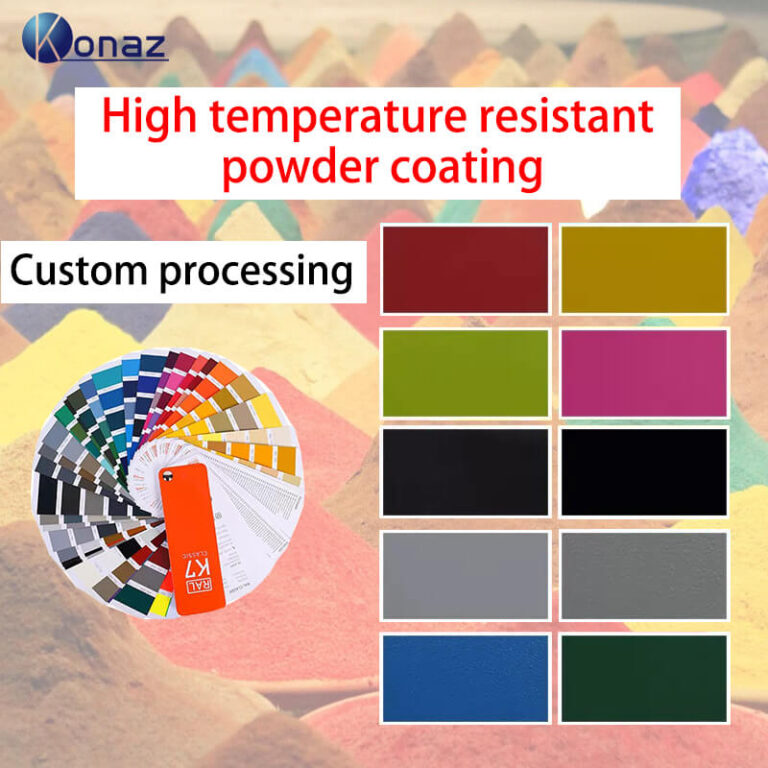
KONAZ notes that its anti-rust paint goes on easily. You can use a spray, a brush, or a roller. It works fine as a primer or a topcoat. The brand’s technical details show grey and red oxide choices. They also offer custom colors. You can get these in matte or semi-gloss looks.
Which Treatment Should You Choose for the Rust Condition?
The actual surface state must guide your prep method. Picking a way just to finish fast is a bad idea. It might yield a coating that looks okay at first. However, that paint job will fail way too soon.
What Should You Do with Light Surface Rust?
Deal with thin surface rust by taking off the loose bits. Use sanding or wire brushing for this task. Wash the surface well and let it dry completely. Then, check the rules for your chosen anti-rust primer. See if it allows painting right over the remaining steady rust.
You might think about a rust converter if full cleaning is too tough. Make sure the converter fits well with your whole coating system. Always wait for its proper reaction time. Follow the specific overcoating guides closely.
What Should You Do with Loose or Flaking Rust?
Strip away all loose rust and failing paint with mechanical tools. Keep cleaning the area. Stop only when the leftover surface feels totally firm. A scraper or brush should not lift it easily.
You need to smooth out the edges of the old paint. This feathering stops the repair from leaving sharp ridges. Wipe away all dust before you start priming. Slapping on a thick coat to hide lazy prep work is foolish. It will never fix a weak base.
What Should You Do with Deep Corrosion?
Look closely at deep pits, holes, or thinning steel. Check any warped parts before you paint. A fresh coating might slow down further rust. Yet, it cannot bring back lost metal thickness. It will not fix broken structural strength.
Finish all the needed repairs first. After that, you can prep and coat the surface. Base your steps on the project’s rust risks and daily service needs.
How Should the Metal Be Prepared Before Applying Anti-Rust Paint?
Solid prep work boosts grip and long-lasting safety. Even a top-tier coating can fail badly. This happens if you put it over dirt or trapped wetness.
Why Must the Surface Be Clean and Dry?
Oil, grease, and dust stop the coating from sticking right. Soluble salts, sweat on the metal, and loose rust do the same thing. Marine gear and coastal steel need extra care. Salt dirt can hide there even after you clear the visible rust.
Wash the surface using a method that fits the specific dirt. Let the metal dry entirely. Do not paint if moisture might form. Skip the work if the weather steps outside the product’s safe limits.
How Should the Paint Be Applied?
Stir the paint very well. Put it on at the suggested thickness. A brush works great for edges, welds, and bolts. It is also nice for tiny fixes. Rollers handle easy flat spots well. Meanwhile, spraying is much faster for machinery and huge steel setups.
KONAZ shares a standard coverage rate. It covers 6 to 8 square meters per kilogram for each coat. At 25°C, the touch-dry time is under two hours. The hard-dry time stays under 24 hours. Real coverage and drying speeds can shift, though. Rough surfaces, film thickness, and airflow change the results. Humidity, heat, and the way you apply it matter too.
Why Choose Foshan KONAZ Technology Co., Ltd.?
Picking the right supplier is a big deal. It matters when your job has specific metal bases or harsh weather traits. Special colors, exact application ways, and unique packing needs also make the choice crucial.
What Makes KONAZ a Reliable Anti-Rust Paint Supplier?
Foshan KONAZ Technology Co., Ltd. provides useful coatings for industrial and business tasks. They offer their anti-rust paint for steel structures, machinery, pipelines, and tanks. It also suits ships, offshore sites, and outdoor metal parts. The company shares vital product facts openly. These details cover application methods, colors, and coverage. They also list drying time, packing, and safe storage rules.
Buyers can reach out to KONAZ easily. They should share details about the metal type and current rust state. Mentioning the work setting, desired finish, and application way helps too. The project size and order amount are also key facts. This lets the supplier talk about the best product fit. They can also explain the needed prep steps before painting begins.
What Is the Best Final Decision?
Never paint right over rust without checking its state first. Always read the coating rules. Light, tightly bound rust might take a matching converter or a surface-tolerant primer. You must clean it first, though. Loose scale and bad paint demand physical scraping. Deeply rusted or weak metal might need real repair or a full swap.
Rust removal gives the toughest prep for hard projects. Rust converters help steady the hidden, leftover rust. Anti-rust primers lay down a safe base for a matching coating setup. The top choice always fits the specific surface. It must handle the local weather and meet the required service life.
FAQs
Can KONAZ Anti-Rust Paint Be Applied Directly Over Rust?
Any leftover rust needs to be totally stable. You must clear away all loose scale, bad paint, oil, dirt, and wetness first. Every project has different traits. Because of this, buyers should show photos or surface facts to KONAZ. They can then confirm the right prep steps before starting the job.
Do I Need Both a Rust Converter and an Anti-Rust Primer?
You do not need both every single time. A converter proves handy if tight rust stays after washing. Still, it has to match the primer perfectly. Fully cleaned steel might only need the named primer and topcoat setup.
Can KONAZ Customize Anti-Rust Paint for Industrial Projects?
KONAZ shows grey, red oxide, and custom color choices. They also offer spray, brush, and roller options. Buyers can send in their metal type and local rust risks. They can share their needed finish, project size, packing style, and exact amounts for a helpful talk.