Picking a heat resistant paint based solely on the top temperature shown on a label is risky. It often causes early color fading, cracking, peeling, or rust. For instance, a finish might handle a quick spike to 800°C. However, that same product could fail if it runs constantly at that heat level. Because of this, buyers need to look at both continuous and intermittent temperature ratings. You also have to check the real surface heat, local surroundings, metal types, and curing needs. This guide breaks down the differences between these ratings. It will help industrial buyers, factory owners, and contractors make a much better choice.
What Is a Continuous Temperature Rating?
A continuous temperature rating shows the highest heat level a correctly applied finish can handle over a long time. This matters a lot for machines that stay hot for many hours. It is also vital for gear that runs through constant daily shifts.
Continuous Exposure Places Long-Term Stress on the Coating
When exposed continuously, the paint faces heat stress for long stretches. The base resins, color pigments, and the metal underneath will expand and shrink over and over. They must do this without losing their grip on the surface.
Common uses for continuous-temperature paints include:
- Industrial ovens
- Boilers
- Furnaces
- Chimneys
- Heat exchangers
- Exhaust ducts
- Process piping
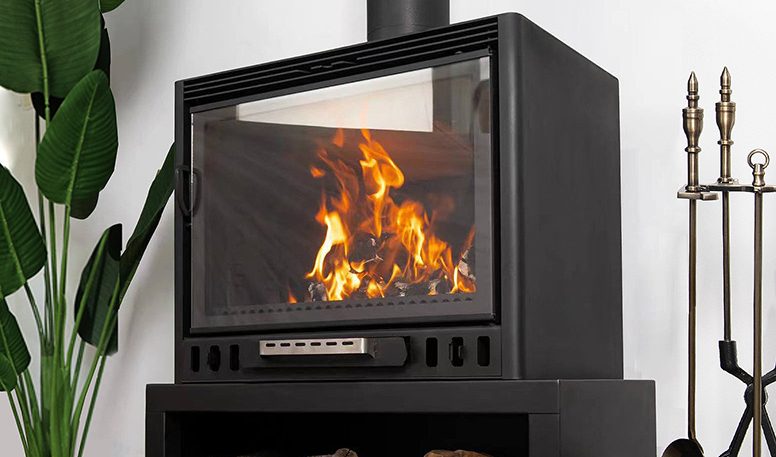
- Stove and fireplace bodies
A finish working non-stop at 500°C has to keep its bond and physical strength. It must protect the metal at that exact heat level. Surviving a fast heating test in a lab is simply not enough.
Constant heat can slowly fade colors and ruin the gloss. It might also make the layer brittle, chalky, or weak against rust. Buyers should always ask suppliers if the listed number means continuous use. They should also ask how long the testing lasted.
What Is an Intermittent Temperature Rating?
An intermittent temperature rating means the absolute highest heat a paint can take for a short time. This number is usually higher than the continuous limit. That happens because the surface gets a chance to cool down between heat spikes.
Intermittent Heat Occurs During Short Operating Peaks
Short heat exposure happens often during machine startups or speed increases. It also occurs during process shifts or brief overloads. After these events, the gear goes back to a normal, lower heat level.
Typical examples include:
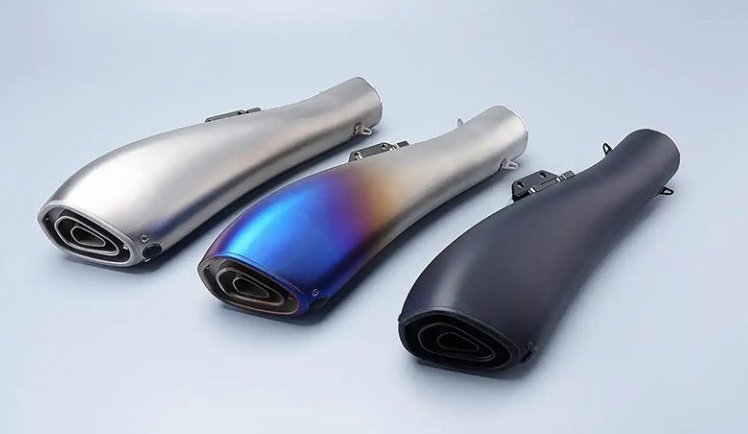
- Automotive exhaust components
- Motorcycle exhaust pipes
- BBQ grills
- Fire pits
- Engine parts
- Industrial stacks
- Emergency exhaust systems
- Equipment near temporary flame zones
Think about a machine part that normally runs at 450°C. Sometimes, it might jump to 650°C for a few minutes. A good paint has to handle that quick spike. It must do so without bubbling or peeling off the metal.
Still, you should never treat an intermittent number as a safe daily limit. If a finish faces its peak limit for hours instead of minutes, it will fail faster. The overall lifespan of the paint will drop sharply.
How Can You Determine the Actual Operating Temperature?
Picking the right product requires accurate heat data from the surface. You cannot mix up air heat, flame heat, or exhaust gas levels with the actual metal temperature. They are all very different.
Measure the Substrate Instead of Relying on Estimates
The paint goes directly on the base metal. Because of this, the metal’s heat is the most important detail to know. You can measure this using contact probes, thermal labels, or good infrared tools.
Make sure to record the heat during:
- Normal operation
- Startup and shutdown
- Maximum production load
- Temporary overload
- Cleaning cycles
- Seasonal temperature changes
Buyers need to find the normal working range and the absolute highest short spike. You should also check hot spots near burners, pipe bends, and welds. These specific areas can get much hotter than the rest of the machine.
It is smart to add a small safety buffer. However, buying a product rated way above your real needs is not always wise. Extremely high-heat paints often come with fewer color options. They might also cost more and require tricky curing steps.
Which Other Conditions Should Be Considered Before Choosing Heat Resistant Paint?
Heat is the main thing to look at, but it is not the only detail. The paint also has to fit the metal type and the local work setting. It must match your factory process and the desired lifespan.
Substrate and Surface Preparation
Metals like carbon steel, cast iron, and aluminum all have very different surface traits. Dirt, rust, water, and old paint can block a great finish from sticking well.
You must clean the metal exactly as the paint maker directs. This step might involve grinding, sanding, or sandblasting. Sometimes, chemical washes are also needed.
Curing Method and Production Conditions
A few heat resistant paints dry perfectly at room temperature. Others need a hot oven or a slow warm-up while the machine runs. If you use the right product but bake it wrong, you will get bad results. The layer might turn out soft, trap wet solvents, or peel off easily.
Factory managers must check their own assembly lines. They need to ensure they can meet the required drying times and oven heat levels.
Corrosion, Chemicals, and Outdoor Exposure
High heat and rust often happen at the same time. Chimneys, outdoor grills, and factory pipes deal with tough weather. They face rain, heavy moisture, salt, and strong sunlight.
In these harsh settings, buyers need to look at the whole paint system. Do not just focus on the heat rating alone. You might need a strong primer, a specific layer thickness, and a tough topcoat to get the job done.
How Should You Compare Heat Resistant Paint Specifications?
Comparing suppliers clearly stops you from buying based on vague product sheets. Always ask for full technical data first. Do this before you run any tests or place a big order.
Ask Suppliers These Key Questions
Before you pick a product, ask the seller:
- What is the continuous operating temperature?
- What is the intermittent peak temperature?
- How long can the coating tolerate the peak?
- Was the product tested on the same substrate as the application?
- What surface preparation is required?
- Is a primer necessary?
- What dry film thickness is recommended?
- Does the coating require oven curing?
- How does it perform during thermal cycling?
- Are test panels or samples available?
Testing the paint on real parts is a very good idea for big manufacturing jobs. This test run should copy the exact metal type and paint thickness. It must also match your real curing steps, daily heat, and weather conditions.
Why Choose Foshan Konaz Technology Co., Ltd as a Heat Resistant Paint Supplier?
A solid supplier gives you much more than just a basic heat number. They should actively help you match the paint to your specific machines. They will look at your metal types, spray methods, and daily work settings.
Heat Resistant Coating Solutions for Different Applications
Foshan Konaz Technology Co., Ltd offers silicone-based heat resistant coatings. These are made specially for hot metal surfaces. Based on their official details, their products handle heat levels from about 200°C up to 800°C. You can use them on exhaust pipes, engines, and heavy factory gear. They also work great on chemical plants and fireplaces. Furthermore, the company gives clear advice on cleaning the metal and spraying the paint. They help you control layer thickness, baking times, and air drying.
Konaz helps clients pick the right items based on specific heat ranges and metal types. They also look at your curing limits, color needs, and factory setups. This hands-on help makes the company a smart choice. They are a great heat resistant paint supplier for builders, factories, and industrial buyers.
Conclusion
Continuous and intermittent temperature ratings point to two very different limits. The continuous number is for long, steady running times. Meanwhile, the intermittent number is just for quick heat spikes. If you treat a short-term limit like a daily rule, the paint will likely fail. You will see fading, cracking, and a total loss of metal protection.
To get the best results, always measure the real metal heat first. Find the worst hot spots and review your drying steps carefully. You should also check for rust risks and ask the seller for full data sheets. A well-chosen and correctly sprayed finish protects hot metal parts. It also stretches out the time between repairs and makes your gear last longer.
FAQs
Can I use paint rated for 800°C continuously at 800°C?
That is not always true. The 800°C mark might just be a short-term peak limit. It is often not meant for all-day running. Always ask the seller for both the continuous and intermittent numbers. Make sure to ask how long the paint can safely stay at that peak heat.
Should I choose a coating with the highest available temperature rating?
No, not always. The paint needs to fit the actual surface heat and the metal type. It must also match your local weather, color needs, and drying tools. Picking an overly high rating can waste money. It might also limit your choices for colors and other features.
How can I verify that a heat resistant paint is suitable for my equipment?
Give your supplier all the details about your metal type and normal daily heat. Tell them about your highest heat spikes and how long they last. Also, share facts about the weather, drying rules, and paint thickness needs. For large factory jobs, always test the product on real metal parts first. Do this before you start painting everything.