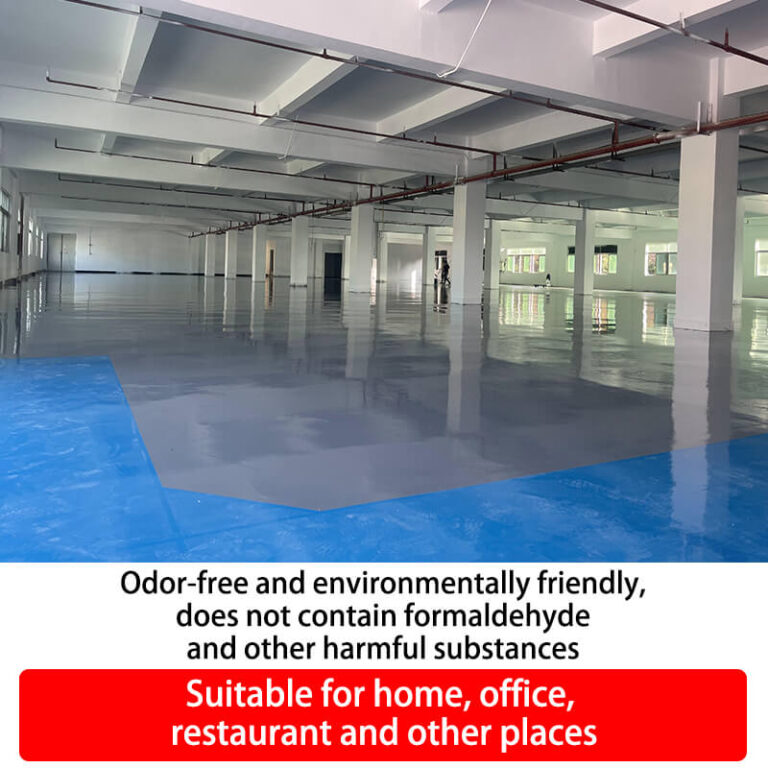
A freshly applied epoxy floor might appear dry in just a few hours. However, visual appearance alone does not guarantee the surface is ready for use. Premature traffic can cause permanent marks, deep dents, tire pickup, or a noticeable loss of gloss. The ideal reopening timeline relies on several factors. These include the specific formula, ambient temperature, humidity levels, coating thickness, airflow, and expected traffic load. This guide offers a realistic schedule for residential garages, large warehouses, and heavy industrial workshops.
What Does Epoxy Floor Cure Time Mean?
Epoxy transforms from a fluid state into a solid film. This happens through a distinct chemical reaction between the resin and the hardener. Three main curing stages are highly important. You must consider them when you plan to reopen the facility floor.
When Is It Touch-Dry?
A touch-dry surface no longer feels wet when you press it lightly. Nevertheless, the underlying film might remain quite soft below the top layer. KONAZ Epoxy Floor Paint features a specified touch-dry time of no more than four hours at 25°C. You should not treat this as a green light to reopen the space.
When Is It Hard-Dry or Fully Cured?
KONAZ specifies a hard-dry timeframe of no more than 48 hours at 25°C. The applied coating achieves significant firmness during this particular phase. Even so, heavy physical loads and harsh chemical exposure will likely demand extra waiting time.
The full cure happens much later. At this final point, the floor attains its designed mechanical strength. It also reaches its maximum wear resistance and overall chemical performance.
When Can You Walk on an Epoxy Floor?
Normal foot traffic generates much less stress compared to heavy vehicles. Still, regular shoes can easily mark a finish that appears dry on top while remaining soft underneath.
Can You Walk on It After 24 Hours?
Certain epoxy systems allow light pedestrian traffic after a single day. However, KONAZ Epoxy Floor Paint can take up to 48 hours to reach the hard-dry state at 25°C. Therefore, it is much safer to wait until the film feels completely firm and non-tacky. It must leave absolutely no imprint under moderate pressure.
Cold temperatures and high indoor humidity can significantly delay this process. Poor ventilation or a thicker applied coating will also extend the required waiting period.
When Is Normal Pedestrian Use Safer?
After roughly 48 hours under optimal conditions, cautious foot traffic becomes generally acceptable. You should always start by wearing clean, soft-soled shoes.
You must never drag heavy ladders, storage shelving, or metal tools across the room during the initial curing phase. Avoid moving wooden pallets or sharp parts as well. Even if the coating successfully supports a person’s body weight, severe scraping can ruin the surface. Concentrated physical pressure might still damage the new finish.
When Can You Park a Car on an Epoxy Floor?
A standard car puts intense, concentrated weight directly onto four small tire contact patches. Furthermore, hot rubber tires and active steering movements can severely stress an epoxy coating. This happens if the floor has not yet built up adequate structural strength.
Is Three Days Enough?
Three days serves as a standard minimum wait for various garage epoxy products. For instance, one specific Rust-Oleum water-based epoxy system allows vehicle traffic after 72 hours. It then reaches a full cure after seven days. Different product formulas vary widely. Therefore, you should treat this timeline as a helpful general reference instead of a strict universal rule.
For any KONAZ-coated garage, you must wait well beyond the initial hard-dry stage. Always inspect the painted surface carefully before you park any vehicles. In cool, highly humid, or poorly ventilated environments, you should adopt a much more conservative approach. Allowing four to seven full days is a safer strategy.
What Should You Avoid During Early Vehicle Use?
Never turn the vehicle steering wheel while the car remains stationary during the first few days of active service. This specific action puts extreme twisting pressure on a very small section of the new coating.
Avoid parking your vehicle immediately after a long road trip when the tires are extremely hot. Additionally, you must keep motor oil, liquid fuel, and brake fluid away from the floor. Aggressive cleaning chemicals should also be avoided completely until the entire curing process is finished.
When Can You Run a Forklift on an Epoxy Floor?
Industrial forklifts generate massive physical stress on surfaces. Their solid tires concentrate heavy loads into small areas. Meanwhile, sudden braking and sharp turning greatly increase the overall risk of early surface damage.
When Is Light Wheeled Traffic Acceptable?
Manual hand carts and lightly loaded pallet trucks must wait until the hard-dry stage fully passes. Before you reopen the entire facility area, test a small, hidden section first. You must avoid sharp steering turns, abrupt braking, or heavy localized point loads.
All equipment wheels must be perfectly clean. Trapped small stones, sharp metal fragments, and everyday dirt debris can easily scratch the surface. This is especially true for a coating that is still actively developing its ultimate surface hardness.
When Is Forklift Traffic Safer?
For a typical standard epoxy system, waiting five to seven days provides a very prudent planning window. You should observe this timeline before you resume regular forklift operations. Colder facility conditions or unusually thick coatings will likely require a much longer wait.
You should reopen the workspace in gradual stages. Start with very light loads and maintain straight travel paths. Always check the floor for dark tire marks, surface softness, physical indentation, or any reduced visual gloss. Do this before you restore full daily operations. Forklift turning zones, busy loading bays, and narrow storage aisles demand particular attention. These specific locations constantly experience highly concentrated mechanical stress.
What Factors Can Extend Epoxy Cure Time?
Published technical data usually reflects strictly defined laboratory test conditions. However, actual working jobsites often differ significantly. Numerous environmental elements and unique application factors can alter the final curing schedule.
How Do Temperature and Humidity Affect Curing?
Low room temperatures naturally slow down the vital resin-hardener chemical reaction. High indoor humidity and restricted airflow can also cause problems. They often delay the necessary water release from modern water-based coatings.
Always allow extra waiting time when your local conditions differ greatly from the standard 25°C baseline. Underground basements, fully enclosed garages, and windowless production areas frequently require additional mechanical ventilation. However, you must ensure that this strong airflow does not blow loose dust directly onto the wet coating.
Do Application Conditions Matter?
Excessively thick films and poor room ventilation can easily create major issues. Incorrect mixing ratios, incomplete blending, damp concrete substrates, or previous oil contamination often produce soft or sticky floor areas. Highly accurate measuring, thorough product mixing, and proper surface preparation will reliably support a predictable curing process.
Professional contractors must strictly observe the recommended working time limits after they combine the two chemical components. Any mixed material that has officially exceeded its usable pot life might fail to level properly. It may also fail to cure correctly.
Why Choose Foshan Konaz Technology Co., Ltd as a Supplier?
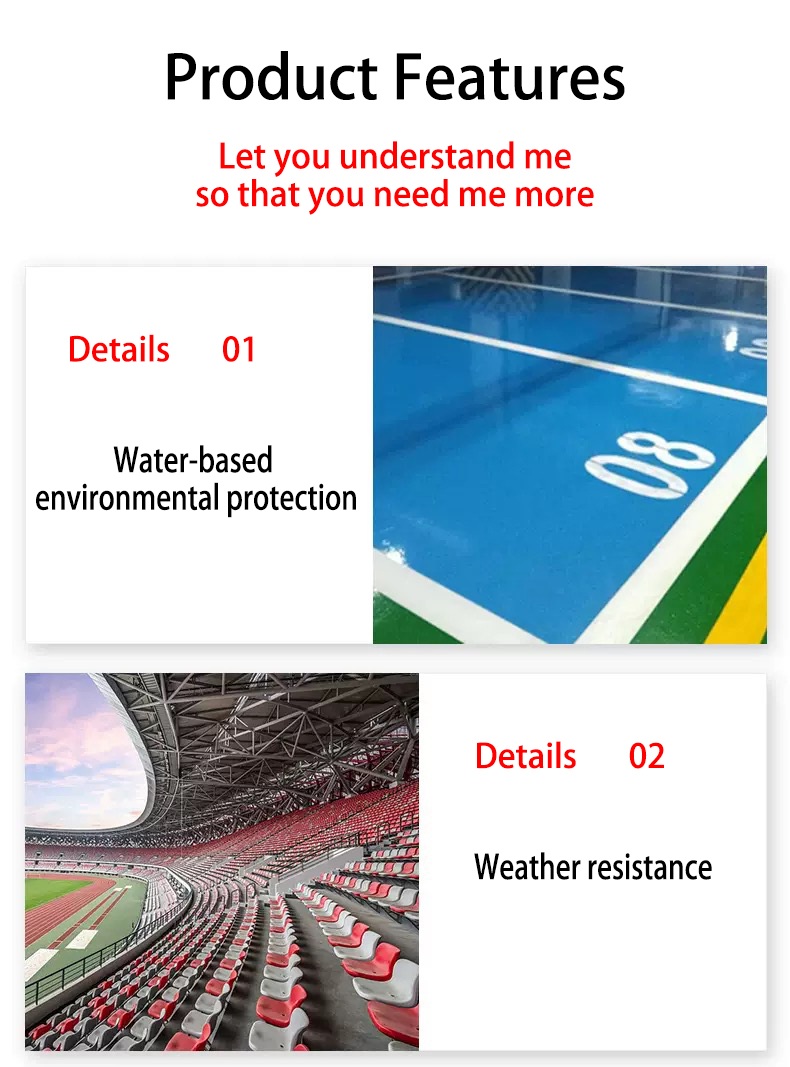
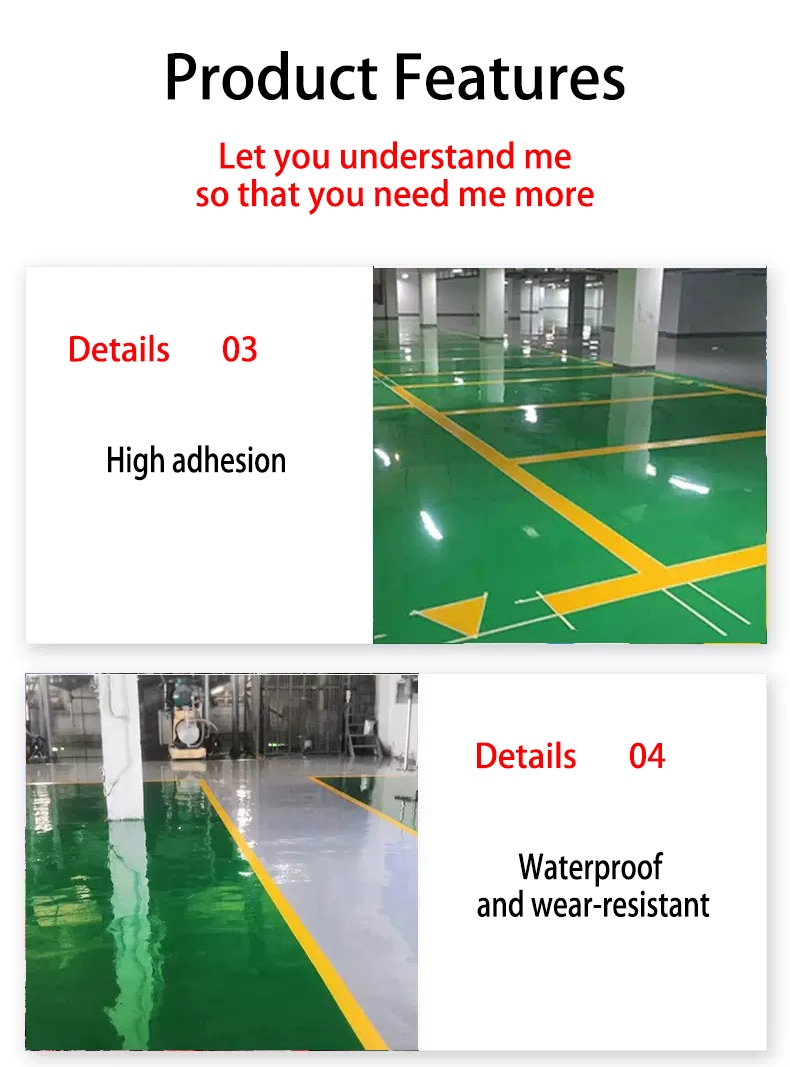
Foshan Konaz Technology Co., Ltd supplies premium two-component, water-based epoxy floor paint. This product is ideal for industrial workshops, large warehouses, busy parking lots, residential basements, and various commercial floors. The paint delivers a beautiful glossy finish alongside fully customizable colors. It features a theoretical two-coat coverage rate of 4–6 m²/kg. Users can apply it easily via trowel, standard roller, or mechanical spray equipment. The manufacturer packs this product conveniently in 20 kg sets.
As a highly reliable Epoxy Floor Paint supplier, KONAZ actively serves regional distributors and professional contractors. The company also supports facility managers and large project buyers. These clients constantly seek outstanding substrate adhesion and superior wear resistance. They also demand robust protection against motor oil, harsh industrial chemicals, and long-term surface corrosion.
Conclusion
The stated touch-dry time merely indicates that the top surface is no longer physically wet. It certainly does not mean the newly coated floor is ready for normal daily traffic.
As a very practical starting point, you should allow approximately 48 hours before you permit cautious pedestrian use. Wait at least three full days before parking a standard car inside. Furthermore, allow roughly five to seven days before introducing regular heavy forklift traffic. You must extend these recommended waiting periods when ambient temperatures are low or when humidity is exceptionally high. Do the same if the room airflow is heavily limited or if the applied coating is unusually thick.
You should always follow the specific product’s technical data sheet closely. Carefully inspect the actual facility floor before officially reopening the space. Waiting just one extra day is usually far less costly than the alternative. It beats paying to repair ugly tire marks, deep surface dents, widespread peeling, or heavily damaged floor sections.
FAQs
Can Fans or Heaters Make Epoxy Cure Faster?
Suitable indoor ventilation and completely stable room temperatures can greatly support the curing process. Nevertheless, excessive artificial heat or overly strong airflow might cause uneven surface drying. It can also lead to severe dust contamination. You must use only the safe heating and ventilation methods that are explicitly recommended for your specific coating and jobsite.
What Happens If You Walk on Epoxy Too Soon?
Premature foot traffic can easily leave permanent footprints and noticeably dull surface areas. It might also create unwanted surface texture or trap embedded dirt. If the protective coating is still soft beneath the top surface, the resulting damage can be severe. In such cases, the affected area may require extensive mechanical sanding and complete recoating.
How Can You Tell Whether the Floor Is Ready?
You should check an inconspicuous corner area for lingering tackiness or general softness. Look closely for any unexpected indentation or visible pressure marks. Always confirm that the required curing period has fully passed under your actual room temperature and humidity conditions. For environments with heavy industrial traffic, you should perform a small, controlled physical test first. Complete this verification before you reopen the entire concrete floor for regular business operations.