Exhaust pipes work in harsh environments. They face high heat, frequent warming and cooling, wetness, dirt from the road, and rust risks. You might just pick a heat resistant coating based on the top temperature on the label. This choice can cause early peeling, color changes, or poor rust defense. Picking a 400°C, 600°C, or 800°C coating relies on the specific exhaust system. You must look at the real working heat, the base metal, and the local conditions. A well-chosen coating needs to keep its grip and look good. It must also shield the metal during endless thermal cycles.
Should You Choose a 400°C, 600°C or 800°C Heat Resistant Coating?
The right temperature grade must fit the actual working state of the exhaust part. Do not just grab the highest rating available. You need to think about the normal running heat. You also need to check for brief heat spikes.
When Is a 400°C Coating Suitable?
A 400°C heat resistant coating works well for certain exhaust parts. Their usual running temperatures must stay safely under this limit.
You can use these coatings on cooler exhaust sections. They also fit protective covers, silencers, and similar metal pieces. Just make sure these parts sit away from the main burning zones.
Leaving a good safety gap is vital. Sometimes a part gets very close to the top heat limit on a regular basis. In that case, upgrading to a higher temperature class helps. This shift gives you better results over time.
When Should You Consider a 600°C Coating?
A 600°C heat resistant coating provides a wider working range. It suits exhaust parts that face intense and regular heating.
This option makes sense for motorcycle exhaust systems and automotive exhaust parts. It also works for industrial pipes, mufflers, and related gear. Temperatures in these setups often climb quite high during use.
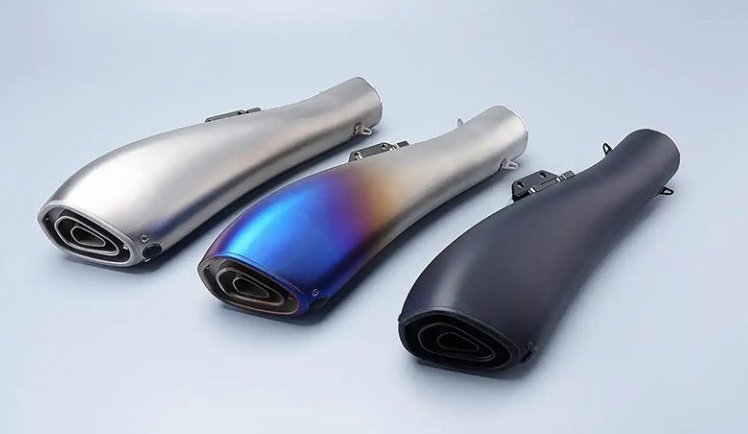
Buyers must think about color stability for visible exhaust parts. Extreme heat changes pigments and resin systems in unique ways. Keeping a black, silver, or custom finish after constant heating matters a lot. This factor guides your final coating choice.
When Is an 800°C Coating More Appropriate?
People usually pick an 800°C coating for parts dealing with massive heat. It also helps when the metal faces sudden, extreme heat spikes.
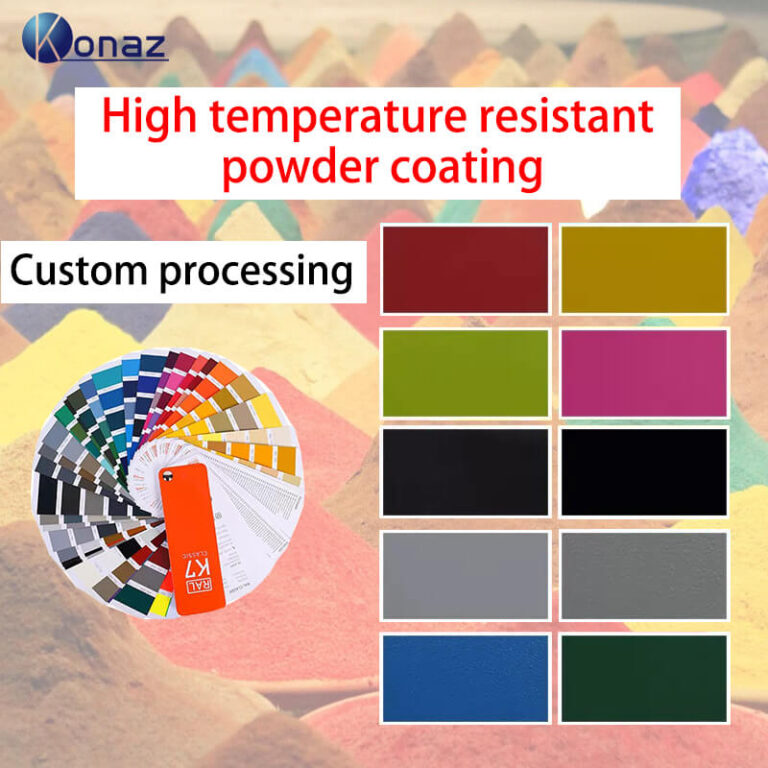
KONAZ heat resistant coatings use an organic silicone resin system. The company offers them for hot uses roughly between the 200–800°C range. These products deliver strong heat resistance. They also bring extra benefits like rust defense, wear protection, and water resistance.
A higher temperature rating is not always the best fix for every job. Buyers need to pair the coating system with the exact base metal. You must also look at curing needs, color goals, and the working setting.
How Do Motorcycle, Automotive and Industrial Exhaust Systems Differ?
Varied exhaust setups demand distinct coating traits. You should check where the part goes before buying a coating. You also need to know how the part runs.
Motorcycle Exhaust Systems
Motorcycle exhaust pipes mix high surface heat with strict visual needs. The coating must block heat damage. At the same time, it has to keep a smooth black or colored look.
These systems face outside dampness and road dirt. They also go through endless hot and cold cycles. Because of this, strong grip and rust defense play a huge role.
Automotive Exhaust Components
Automotive exhaust systems feature multiple zones. Each zone runs at a different heat level. A coating that fits one spot might fail in another area.
Makers need to check the actual heat of the coated part. They must look at water and salt exposure. They should also think about the expected lifespan and any visual goals.
Industrial Exhaust Pipes
Industrial exhaust systems often run for hours with steady heat. The pipes might face harsh chemicals and damp air. They also deal with outside weather, shaking, and bad gases.
For these jobs, you must weigh heat resistance alongside rust defense. Film toughness and upkeep needs are just as vital.
Why Do Continuous and Peak Temperatures Matter?
An exhaust pipe almost never stays at a single heat level. The metal surface goes through huge thermal shifts. This happens during startup, speed increases, output shifts, or shutdown.
Continuous Temperature
Continuous temperature means the standard heat range. The coating faces this level for long stretches during regular work.
A coating might constantly run near or past its heat limit. If so, it will slowly lose its grip and hardness. The color and protective power will also drop.
Peak Temperature
Peak temperature is the absolute highest short-term heat. The coated surface only hits this mark briefly.
For instance, a part might normally stay inside the 600°C coating range. Yet, it could sometimes face much sharper heat spikes. You should talk about these spikes with your coating supplier. Do this before making a final choice.
Thermal Cycling
Thermal cycling happens as an exhaust pipe warms up and cools off over and over.
The base metal grows and shrinks during this action. The coating has to handle these constant size shifts. It must do so without heavy cracking, peeling, or losing its grip. Many exhaust setups use frequent start-stop cycles. Here, thermal cycling performance matters just as much as the top heat limit.
How Should Exhaust Pipes Be Prepared Before Coating?
A top-tier heat resistant coating can still fail. This happens if the metal surface lacks proper prep work. Good surface cleaning and careful applying help the paint bond tightly.
Surface Preparation
You must clear away rust, oil, water, dirt, and old paint flakes before starting. KONAZ advises grinding the metal base. Do this until a fresh metallic finish shows. Make sure the area has zero oil or water stains before you paint.
Coating Thickness
Adding a very thick film will not always boost heat resistance. A heavy or uneven layer can cause curing and bonding troubles.
KONAZ suggests a light coat over building a massive paint layer. Spray methods work best if you have the right gear.
Curing
Proper curing lets the film reach its true strength. The KONAZ product manual shares a solid curing method. You can bake it at roughly 280°C for 15 minutes. Sometimes baking gear is missing. In that case, you can let the paint dry in the air for about 24 hours.
You must always check the exact curing needs. These depend on the specific coating grade and your factory process.
What Other Performance Factors Should You Consider?
Heat resistance is just one piece of the puzzle. A solid coating system must also handle the local environment around the exhaust part.
Rust Resistance
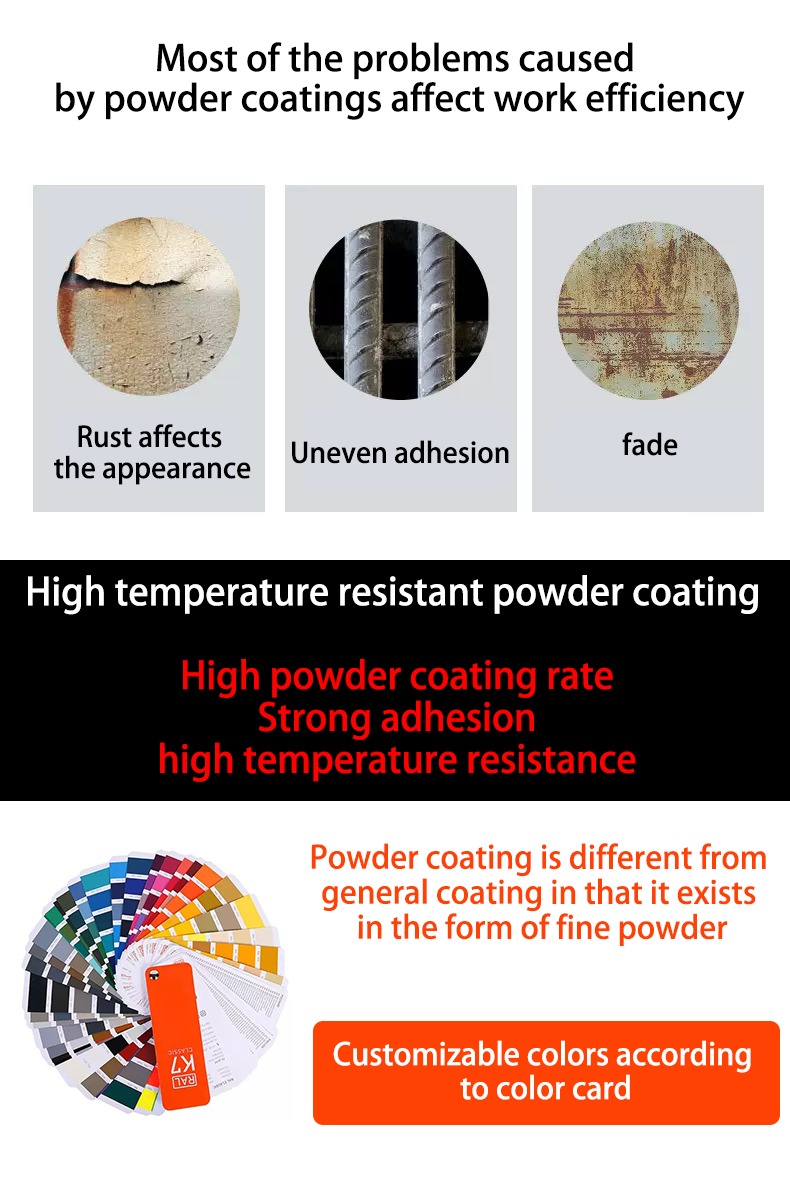
Exhaust pipes meet damp air, sweat, rain, and street dirt. Rust can start under the paint layer. When that happens, the grip weakens. The film will likely bubble or peel off later.
A proper heat resistant coating needs to blend thermal power with strong rust defense.
Color Stability
Constant heating makes certain coatings fade or shift in color. This issue matters heavily for visible motorcycle exhausts and stoves. It also affects machine covers and visual industrial parts.
Looks can be very important. If so, buyers must state the exact color and running heat. They should also share the heating time and the allowed color shift. Discuss these details with your supplier early on.
Where Can You Find a Reliable Heat Resistant Coating Supplier?
Finding the right exhaust coating gets easier with a helpful supplier. They should look at your whole project. They must not just push a product based on a single heat number.
Foshan Konaz Technology Co., Ltd. provides functional coating materials. This lineup includes silicone-based heat resistant coatings for hot metal uses. Their heat resistant coating series targets roughly 200–800°C jobs. You can apply them on hot units like engines and exhaust pipes.
Customers handle motorcycle, automotive, or industrial exhaust tasks. They can share their working heat, base metal facts, and color needs. They should also list curing setups and applying methods. This data helps the supplier pick a much better coating fix.
How Can You Choose the Right Exhaust Pipe Coating?
Picking between 400°C, 600°C, and 800°C heat resistant coatings starts with real working conditions. You have to check the normal steady heat and brief peak spikes. You also need to review thermal cycling rates, base metal health, and rust risks. Do not forget to look at film thickness, curing steps, and color stability needs.
A 400°C system works fine for parts running at mild heats. Hotter exhaust jobs will likely need 600°C coatings. Parts facing brutal heat or massive spikes will justify an 800°C option. Always check your final pick against the technical data sheet of the coating.
FAQs
Can I Use 600°C Heat Resistant Paint on a Motorcycle Exhaust?
It can work well. The actual steady and peak surface heats just need to stay inside the product’s listed range. Motorcycle exhaust heats shift based on engine style and pipe spot. You should measure or verify the true running heat before buying.
Is 800°C Heat Resistant Coating Always Better Than 600°C Coating?
No, it is not. A higher heat rating does not mean better results for every exhaust setup. You must also weigh the base metal type and curing needs. Rust defense, color holding, film traits, and pricing matter too.
Why Does Heat Resistant Paint Peel Off an Exhaust Pipe?
Frequent reasons involve poor surface prep and dirty oil or rust spots. Too much paint thickness and wrong curing steps also cause trouble. Heat levels past the coating’s limit and endless thermal cycling play a part as well. You should prep the metal right. You must also follow the supplier’s applying and curing guides. These simple steps will heavily drop the chance of paint failure.