Basements and below-grade concrete floors are among the parts of a building that are most susceptible to moisture-related problems which can drastically reduce the lifespan of conventional floor coatings. The high levels of humidity, groundwater pressure and vapour transmission all pose problems for floor coatings that are not specifically designed to deal with these issues. Peeling, blistering and complete failure of a coating are common problems when the wrong coating is specified. Thus, selecting the correct epoxy floor paint is not just a matter of color and finish, it has serious consequences for the long-term durability of the floor, for future maintenance and for the protection of the floor surfaces.
Moisture tolerant epoxy systems that are designed for damp environments have come a long way in recent years. These systems offer excellent adhesion, chemical resistance, and protection against damage caused by water. However, a good floor coating is more than just a great coating. It is also about surface preparation, moisture testing, and choosing the correct primer and sealer to work in conjunction with your floor coating. This article will discuss the various epoxy floor paint options and help you choose the right product for your damp basement or moisture sensitive concrete floor.
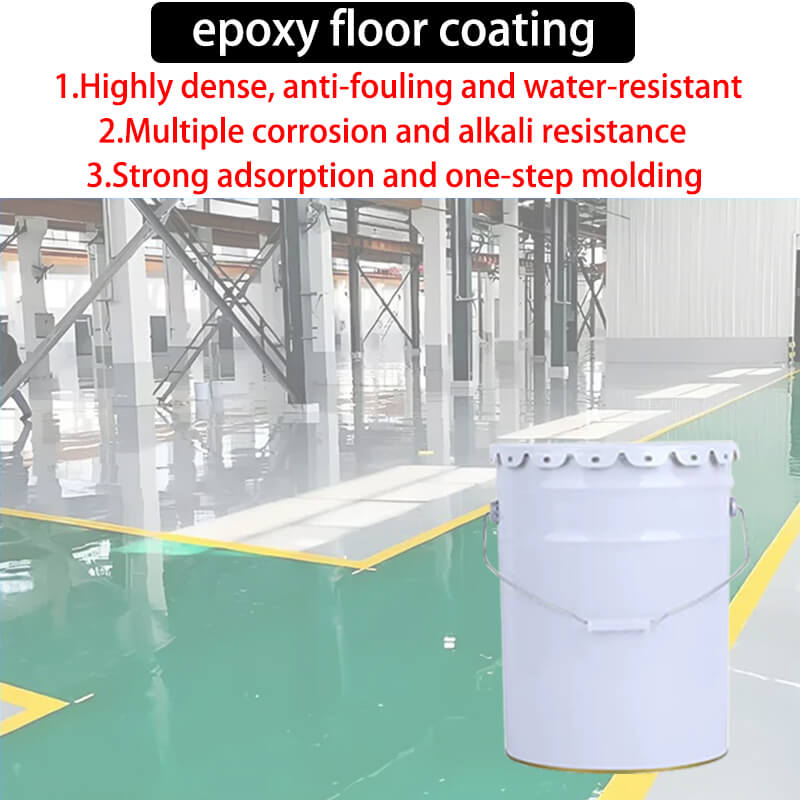
What Makes Moisture a Challenge for Concrete Floors?
Moisture is a persistent problem in concrete flooring. Below-grade spaces such as basements with high levels of moisture in the air are the worst offenders for moisture-related problems with epoxy-coated concrete slabs. Once moisture penetrates the slab, it creates problems with adhesion and leads to early failure of the epoxy coating. Blisters, peeling, and delamination are common manifestations of coating failures caused by moisture. In order to apply an epoxy floor paint to a concrete floor with high levels of moisture in the air, one must first address the moisture in the concrete.
The Role of Hydrostatic Pressure in Coating Failure
Hydrostatic pressure under a concrete slab is the force of groundwater trying to rise up through the slab. Even high performance coating can not adhere to a surface that has moisture present. The moisture that has migrated to the surface and been trapped under an impermeable coating will form bubbles and blisters that will eventually break through the coating and cause it to separate from the substrate. This type of failure is common when there is high internal pressure from moisture that has not been mitigated with an appropriate system prior to the application of an epoxy resin coating. The pressure continues to try to expand and pull the coating away from the substrate, leading to early failure of the coating.
How Vapor Transmission Affects Epoxy Coatings
Concrete is a permeable material that allows continuous passage of water vapor through its capillaries. The passage of water vapor through the capillaries of concrete negatively affects both the curing of epoxy and the bonding of epoxy to concrete. Excess moisture prevents complete curing of the epoxy resulting in soft and tacky surfaces that have little strength. To counteract the affects of moisture in concrete, vapor barriers or moisture tolerant primers are used to stop the vapor diffusion while maintaining adhesion integrity. In areas such as damp basements, these types of primers are key to a successful coating job.
Which Type of Epoxy Floor Paint Is Suitable for Damp Basements?
There are a variety of different types of epoxy systems available and most are suited to specific environmental conditions or uses. For example there are epoxy systems which are specifically formulated to be moisture tolerant and can be used in humid areas such as basements. Most other types of paint would fail quickly in these environments due to the area’s normal residual dampness.
Characteristics of Moisture-Tolerant Epoxy Systems
Moisture-tolerant epoxies are formulated to cure on damp surfaces without forming blisters or losing adhesion. They are made with modified resins that are able to withstand the osmotic pressure of moisture that has already penetrated into the substrate. In addition, moisture-tolerant epoxies have good chemical resistance and are suitable for both residential and industrial applications. They are resistant to oil, cleaning agents and mild acids. KONAZ Epoxy Floor Paint is an industrial quality paint that is very hard wearing, has a high level of abrasion resistance and good chemical resistance. Therefore it is ideal for use in a basement where it will be required to resist both abrasion and chemical attack and last for a long time.
Comparing Solvent-Based vs. Water-Based Epoxies for Damp Surfaces
Solvent-based epoxies penetrate into the pores of the concrete to form a very dense film with good adhesion. They do release Volatile Organic Compounds (VOC’s) which can be a problem unless used in well-ventilated areas. Water-based epoxies have low odor and are ideal for use on slightly damp concrete surfaces as they are able to penetrate into the pores of the concrete despite the high residual moisture. They are best suited for use on a job where the substrate, ventilation and local environmental regulations are all considered.
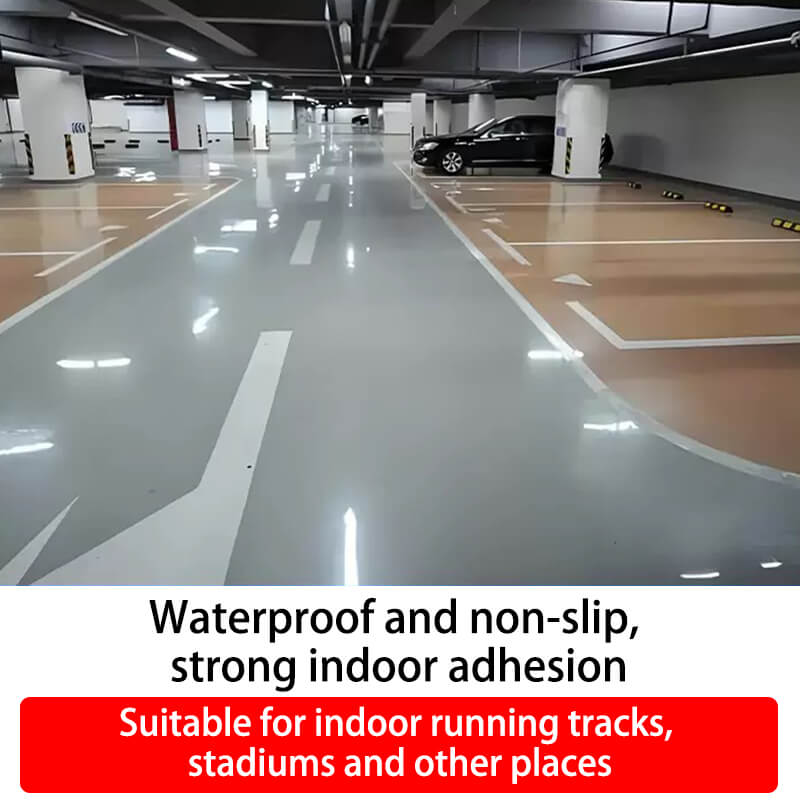
How Can You Prepare a Moisture-Prone Concrete Surface Before Applying Epoxy?
Preparation of a surface for an epoxy floor coating is crucial to the long-term performance of the coating. For epoxy floor coatings in moisture sensitive areas like basements, surface preparation goes beyond just cleaning the floor. It also includes assessing the internal humidity of the slab.
Assessing Moisture Levels Before Application
Test slab’s moisture content prior to installation by using established testing methods like calcium chloride tests or relative humidity (RH) probes to determine if there are any active leaks or condensation in the substrate. Record test results to establish a baseline for future reference and to confirm that the installed coating is being applied in compliance with manufacturer’s written instructions. From test results, determine if a dedicated moisture mitigation primer is needed and select an appropriate coating for application over the treated slab.
Surface Cleaning and Mechanical Profiling Techniques
Mechanical profiling removes surface contaminants such as oil, laitance, efflorescence and dust from the surface to enable coating to adhere properly. Diamond grinding or shot blasting can be used to create a clean Concrete Surface Profile (CSP) rating of 2-3 for optimal bonding strength of epoxy coatings. It is essential to vacuum up all the debris after mechanical treatment to create a dust-free surface for coating applications after priming.
What Additional Measures Enhance Durability in Damp Environments?
Even when using advanced wet weather epoxy formulation additional treatments are available to increase durability in permanently wet situations.
Using Moisture Mitigation Primers and Sealers
An epoxy-compatible primer can be applied to blocks vapor transmission up to certain levels. In addition, cracks and joints have to be sealed prior to coating with flexible polyurethane sealers. In wet areas, such as wall/floor-change-areas, special waterproof membranes can be integrated into the primer.
Implementing Proper Drainage and Ventilation Solutions
There are many factors that affect the performance of coatings and installing sump pumps or dehumidifiers is critical in maintaining environmental control in a basement environment. Ensuring that there is cross flow of air to keep the coating surface dry during the curing process and ensuring that the coating is exposed to a stable temperature in order to allow for proper polymerization of the coating resin and ultimate film hardening.
Why Choose Foshan Konaz Technology Co., Ltd as Your Epoxy Floor Paint Supplier?
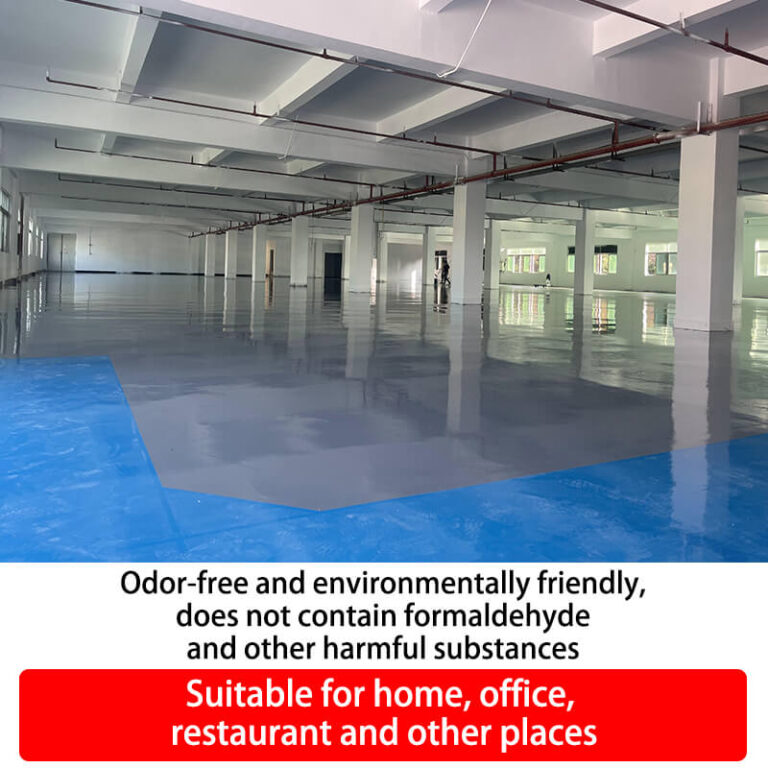
KONAZ Epoxy Floor Paint is a high-performance coating that is extremely hard-wearing, resistant to wear and durable against chemicals. KONAZ Industrial Floor Paint is suitable for a wide variety of applications, including factories, warehouses, parking garages, and basements. A KONAZ Epoxy Floor Coating provides a hard wearing, high quality floor surface that is durable, clean and looks great for years to come. It has a high level of hardness and wear resistance. It is oil, chemical and corrosion resistant. It has a smooth glossy finish. It is easy to apply and has a long life with minimum maintenance. Foshan Konaz Technology Co., Ltd offer a complete service including recommending the correct floor coating and providing application guides. We have many years of experience in supplying the correct floor coating for damp environments such as basements through to industrial environments that are subjected to constant high humidity.
Their extensive experience and expertise in the field of industrial flooring, ensures that they can specify the correct primers and topcoats to guarantee compatibility and optimal performance under site conditions. As established exporters to many countries around the world, Konaz are a reliable supplier of high quality flooring products, backed by a policy of total quality assurance.
Key Takeaways on Selecting Epoxy Floor Paint for Damp Basements
In completing a coating installation on a moisture-sensitive concrete substrate such as a basement floor, success will be achieved by first recognizing the specific site conditions and selecting an appropriate material to achieve the desired result. By first determining the level of moisture on the substrate prior to the application of a coating, a contractor can choose the best coating for the job. Moisture-sensitive concrete floor coatings are available that are particularly well suited for use on damp concrete surfaces. These specialized coating materials are designed to resist the effects of osmotic pressure and to provide long lasting adhesion to concrete. Successful coating installations also involve mechanical surface preparation and environmental control measures to achieve the longest possible coating life and provide maximum protection of the substrate against potential deterioration caused by water.
FAQs
1. Can standard epoxy paint be used directly on damp concrete?
No, typical epoxies do not have the correct formulation to stick to a wet surface. It will likely delaminate or form bubbles as the vapor pressure gets trapped under the film.
2. How long should concrete dry before applying epoxy paint in a basement?
In normal circumstances, it takes minimum 28 days for curing of concrete. However, actual properties of concrete are achieved when it reaches a desired level of moisture content and not necessarily by completion of specified time.
3. What maintenance practices help extend the life of basement epoxy floors?
Clean on a regular basis using a neutral pH cleaning solution. It will remove any dirt or grime accumulation and keep the finish looking glossy. By using a dehumidifier in a basement or subgrade structure, you can reduce the moisture in the air and eliminate the coating stress caused by condensation. Look for cracks in the sealants at the joints on a regular basis and seal or make any repairs before water can penetrate through the cracks and cause damage to the coated surface.