High temperature metal surfaces require special coating to be painted. Areas like fireplaces, BBQ grills, exhaust pipes, stoves, ovens, heaters, car engines and industrial machinery are examples where the coating must resist heat, corrosion, color change, peeling, wear and moisture. Wrong coating can cause surface to fade, crack, peel and rust. Manufacturers, contractors, maintenance personnel and even DIY’ers need to consider the following when choosing a coating to paint a high temperature surface: temperature range, surface preparation, application method, curing time and quality of supplier. KONAZ Heat Resistant Coatings are made from organic silicone resin and are capable of withstanding temperatures from 200°C up to 800°C and can be used for a variety of high temperature metal protection applications.
Why Do High-Temperature Metal Surfaces Need Heat Resistant Coatings?
Components in the high-temperature environment of metal parts suffer from stresses far exceeding those encountered by average indoor or outdoor metallic parts. High temperature can affect coating films, and cause adhesion loss. Then the coated surfaces begin to corrode, just like bare metal surfaces.
Ordinary Paint May Peel or Discolor
Most standard paints are not designed for long-term exposure to heat. Paints used on surfaces that are frequently exposed to heat such as fireplaces, exhaust pipes, stoves and ovens may begin to soften, develop blisters, change color and peel as they are repeatedly heated. Once the film of paint has peeled off the surface of the metal, the bare metal is then exposed to air, moisture and rust.
A heat resistant coating is formulated to maintain stability at high temperature. Such coating provides protection to the surface of metal part for longer period without affecting its appearance and functionality.
Heat and Corrosion Often Appear Together
High temperature is not the only challenge to metal surfaces. Many of these surfaces are also exposed to moisture, smoke, oil, chemical vapors, salt or outdoor air. This can occur in industrial plants, on automotive parts, in marine environments or in outside cooking equipment.
A suitable coating has to resist both heat and corrosion, not just one of them.
Thermal Cycling Can Damage Weak Coatings
Most metal products do not remain at one constant temperature. They may increase in temperature, return to room temperature, and again increase in temperature. Each cycle of heating and cooling causes the metal to expand and then to contract. This repeated cycling puts stress on the coating film. The coating film must resist this stress in order to maintain adhesion and film stability.
What Temperature Range Should Buyers Check First?
The first property to consider when choosing a high temperature coating is the temperature resistance of the coating. A paint that resists at 200°C for example will not resists at 600°C or 800°C.
Match the Coating to the Real Working Temperature
Before selecting a coating, buyers should know the actual operating temperature of the metal surface. For example, a heater shell, stove body, exhaust pipe, and industrial furnace component may all require different heat levels.
The heat resistant coatings from KONAZ are manufactured to operate in temperature from 200°C up to 800°C. This temperature range allows more choice for customer selecting right coating to apply on various high temperature metal parts.
Consider Peak Temperature, Not Only Average Temperature
Many items operate at average temperatures but will occasionally reach higher peak temperatures during startup, overload or long term operation. The coating must be selected based on the highest surface temperature expected and not on the average temperature that the item operates at.
Leave a Safety Margin
For industrial or OEM applications it is advisable to specify a coating with a higher service temperature than required. This allows for temporary exposure to higher temperatures without risk of coating failure.
Which Metal Applications Are Suitable for Heat Resistant Coatings?
Heat resistant coatings can be applied within many industries and product categories. The applications vary, depending on temperature of surface, environment where item will be exposed and finish that is required.
Fireplaces, Stoves, and Heaters
Coatings for fireplaces, stoves and heaters have to offer heat resistance as their main property. But also color stability in order to prevent fast fading is required. Since these kinds of coatings are often visible for the enduser also an attractive appearance has to be given. A good coating has to be stable in order to maintain a clean surface, with a uniform appearance and durable.
Barbecue Grills and Outdoor Cooking Equipment
This solution tackles problems that Barbecue grills face like high temperature, smoke, grease, moisture from being left outside, and from frequent use. A good heat resistant coating from a reliable manufacturer can help keep customer complaints due to peeling, chalking, or color change to a minimum.
Exhaust Pipes and Engine Parts
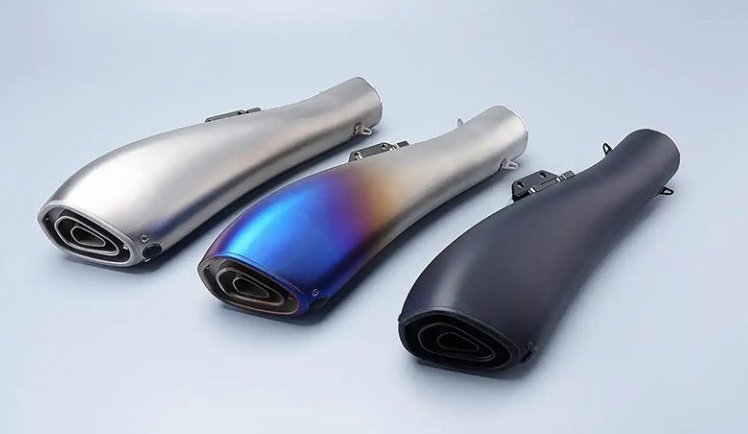
KONAZ silicone heat resistant paint is ideal for coating high-temperature components such as engines and exhaust pipes of cars, motorbikes, etc. in the automotive and motorcycle sector. The coating adheres perfectly to the curved surfaces of metal parts and withstanding repeated heat cycles.
Industrial Equipment and Metal Components
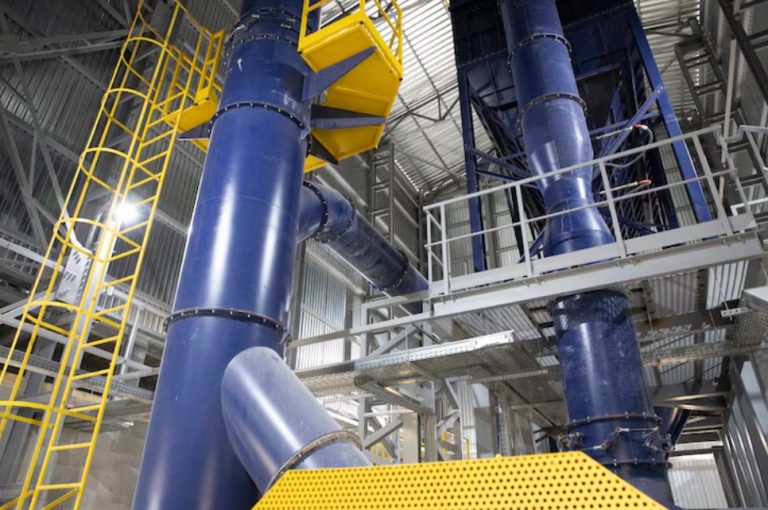
Components such as industrial ovens, pipelines, furnace parts, and also major equipment used in the petrochemical industry are required to resist heat, corrosion, as well as wear. Thus the selection of a coating will have to be determined by temperature as well as chemical exposure.
How Should the Metal Surface Be Prepared Before Painting?
Even the best coating can fail if the metal surface was not prepared properly before application. Surface preparation has a direct influence on the coating’s adhesion, its durability and the coating’s appearance.
Polish the Substrate Clean
Prior to commencing construction of a Zinc or Zinc Alloy coating on a metal substrate it is recommended that the substrate be polished to a bright metal finish to remove loose surface rust, old coatings, oxidation and other surface contamination that could reduce coating adhesion.
For industrial projects we sand, grind, wire brush or shot blast surfaces depending on the surface of the metal.
Remove Oil and Water Stains
Ensure that the surface is free from oil, water, dust and grease prior to painting. Oil can prevent adhesion to the surface while water under a coating can cause blistering or rust. Never paint in the rain, in condensation or in high humidity.
Avoid Thick Application
Note for application: thin coating application is preferred to light spraying, thick coating layers can dry unevenly, may crack and also impair heat resistance. Thin and even layers guarantee best film quality.
What Performance Features Should Buyers Compare?
What to consider when comparing heat resistant coatings by temperature in order to select a high quality coating that also will withstand corrosion, wear, water, etc. environment.
Heat Resistance
Temperature range of coating required. Our KONAZ Heat Resistant Coatings are designed to be used at temperatures of 200°C up to 800°C and are therefore suitable for a variety of high temperature metal applications.
Chemical Corrosion Resistance
Parts in petrochemical, industrial, automotive and outdoor environments are frequently exposed to chemical vapors, smoke, oil and other corrosive substances. A coating with chemical corrosion resistance can provide protection to metal surfaces.
Wear and Water Resistance
In service, metal parts may be subject to friction, to cleaning, handling or to moisture in the outdoors. Wear resistance and water resistance are therefore crucial in ensuring long service life and low maintenance.
UV Stability
Silicone heat-resistant paint prevents UV erosion while enabling coating to remain stable and durable. It is used for outdoor equipment, for metal components that are exposed to atmosphere, and for products that are used in variable weather.
Why Choose Foshan KONAZ Technology Co., Ltd as a Heat Resistant Coatings Supplier?
Choosing a supplier for a product is as important as the product itself for the quality of a project. A supplier has to be reliable to ensure a stable coating and adequate information for the application as well as the right products for the required high temperature.
Focus on Functional Coating Materials
Foshan KONAZ Technology Co., Ltd is a leading supplier of advanced functional coating materials used in a wide range of industrial applications including metal protection. Our heat resistant coatings are designed to provide protection for high-temperature surfaces that are exposed to heat, corrosion, friction, vibration and moisture.
Practical Products for Multiple Industries
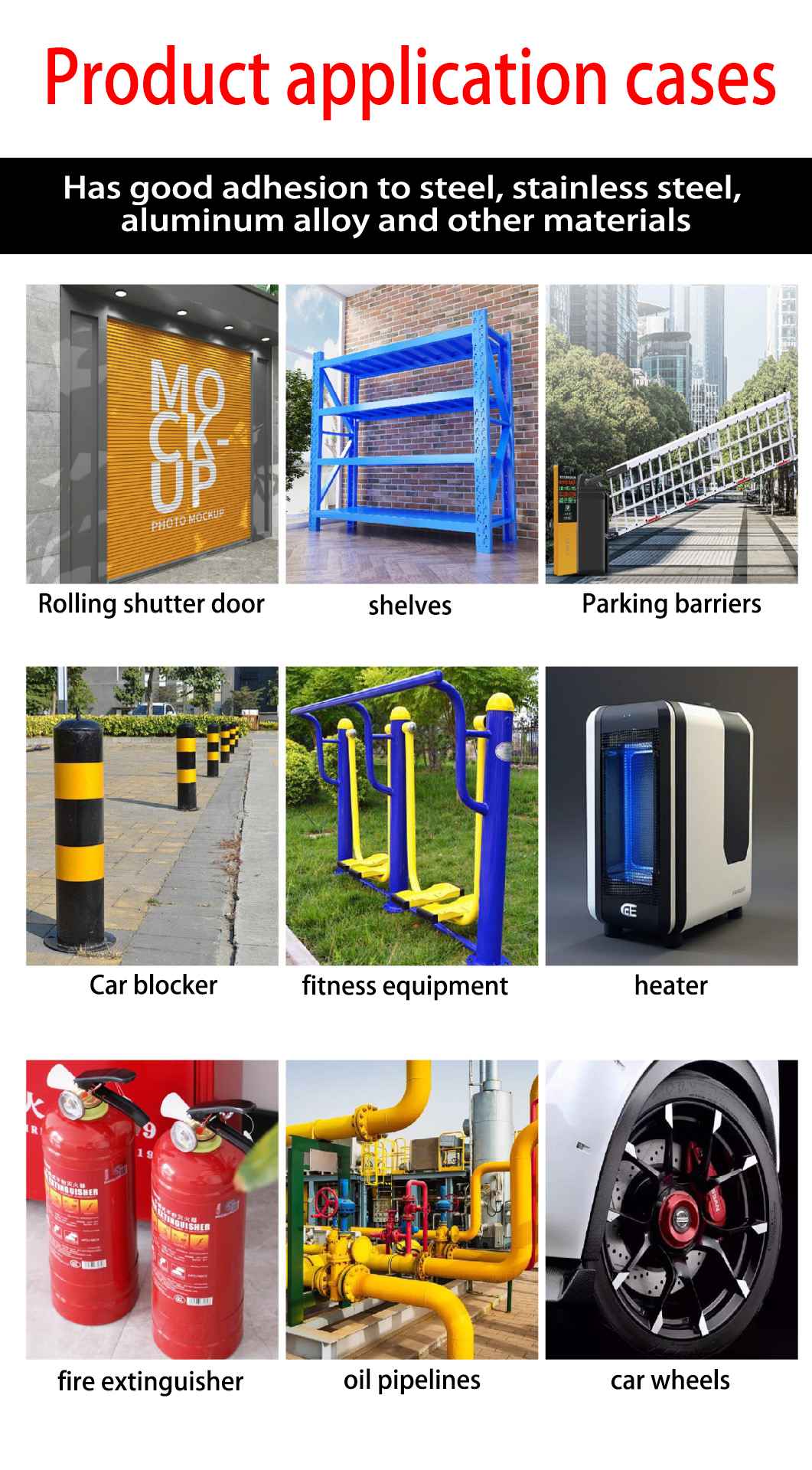
KONAZ Heat Resistant Coatings are applied in fields such as petrochemical industry, aviation, defense industry, car manufacturers, fireplaces, barbecue grills, exhaust pipes, stoves, ovens, heaters, etc.
Support for Project Buyers
For OEM factories, coating contractors, distributors and industrial buyers, KONAZ can be a valuable partner to help select the best coating for the temperature range and working environment that they are applying in. Also in later stages of a project, KONAZ can be of assistance in communication and providing application advice.
Conclusion: How Should You Choose the Right Heat Resistant Coating?
Heat resistant coatings for metal surfaces are selected based on the real intended application. More than simply the operating temperature and peak heat of the coating, buyers must also consider the metal substrate and exposure to corrosion. The method of application, the curing process, and the environmental conditions where the part will be used after installation must also be considered. The coating must be able to withstand heat, yet also retain adhesion, appearance, corrosion resistance, and durability for repeated use.
KONAZ Heat Resistant Coatings are formulated with organic silicone resin and are heat stable from 200°C up to 800°C. These coatings offer heat resistance, chemical corrosion resistance, wear resistance, water resistance as well as excellent practicality for a wide variety of high temperature metal protection applications. In selecting the right coating for applications such as fireplaces, barbecue grills, exhaust pipes, stoves, ovens, heaters, engines and other industrial equipment, one must also consider peeling, color change, rust and maintenance problems that can be prevented with the correct coating.
FAQs
What temperature can KONAZ Heat Resistant Coatings withstand?
KONAZ Heat Resistant Coatings are designed for a variety of high temperature metal applications and can withstand temperatures from 200°C up to 800°C.
Can heat resistant coatings be used on exhaust pipes?
Yes. Heat resistant coatings can be applied to high temperature metal parts, such as automotive and motorcycle exhaust pipes, provided the surface is properly cleaned and coated, and the coating is allowed to cure as required.
What should be done before applying heat resistant coating?
First clean the metal substrate to a bright metal finish, remove all oil, water marks, dust and loose surface rust to apply a coating.