High temperature powder coating is a vital material choice for BBQ grill manufacturing. Grills must handle intense heat, hot grease, thick smoke, and damp moisture. They also face strong cleaning chemicals and harsh outdoor exposure at the exact same time. For grill brands, OEM factories, and component suppliers, a poor coating choice often causes serious problems. It can lead to nasty peeling, ugly discoloration, rapid rust, unhappy customer complaints, and costly product returns. A proper high temperature powder coating must shield bare metal parts. It also needs to keep a beautiful appearance after many repeated heating cycles. Furthermore, it should allow smooth factory production and satisfy the strict quality expectations of global export markets. This guide highlights the core details buyers must evaluate when picking high temperature powder coating for BBQ grills.
Why Does BBQ Grill Manufacturing Need High Temperature Powder Coating?
BBQ grills endure far more stress than standard indoor items. They handle extreme heat, direct fire hazards, and hot grease. They also face salty ocean air during sea freight, heavy rain, and harsh scrubbing. These tough environmental elements make coating performance incredibly crucial.
Heat Resistance
The top priority is heat resistance. Grill lids, fireboxes, burner sections, charcoal trays, and close metal parts get extremely hot during active operation. If the coating fails to handle this intense heat level, it might fade, crack, bubble, turn to powder, or flake off completely.
For OEM production, buyers must verify if the coating fits the actual working temperature of each grill component. Different parts require different heat ratings. Outer panels usually need stable visual looks. Meanwhile, inner firebox parts require much tougher heat endurance.
Appearance Stability
BBQ grills are highly visible consumer goods. Therefore, visual appeal is vital. A grill might still work fine after losing its rich color. However, customers generally view faded or chalky surfaces as a clear sign of cheap quality. Consistent black, matte, textured, or custom colors allow brands to maintain a premium, high-end image.
A reliable high temperature powder coating must fight off color shifts after constant heating and cooling phases. This stability is particularly crucial for export brands. They often sell products through retail stores, major e-commerce platforms, and private-label networks.
Corrosion Protection
Factories ship many grills across the ocean. Sellers then store them outside before a final sale. Damp humidity, salty breezes, and morning condensation can easily trigger rust if the coating lacks strong corrosion defense. This rust threat is much greater for basic carbon steel grill parts.
Buyers must select coatings that blend solid heat resistance with excellent anti-corrosion features. A coating might survive intense heat perfectly. However, if it rusts during warehouse storage or ocean transit, it will still cause massive warranty claims.
Which BBQ Grill Parts Need High Temperature Powder Coating?
Various grill components deal with vastly different temperatures and weather conditions. Buyers need to match the specific coating to the individual part. They should never apply one single specification blindly across the entire product.
Grill Lids and Outer Panels
Grill lids and exterior panels demand a beautiful finish, strong UV defense, good washing endurance, and medium heat resistance. Customers look at these parts directly. Because of this, a smooth surface, even color, proper gloss control, and solid scratch defense remain highly important.
For top-tier grills, a matte black finish, a fine texture, or unique color effects can greatly boost the overall product value. Buyers must always test color stability across multiple heating cycles before starting mass production.
Fireboxes and Heat-Affected Areas
Fireboxes and internal heat zones demand vastly superior thermal performance. These specific spots often endure direct flames, hot grease, thick smoke, and sudden temperature shifts. The coating must fight off peeling, cracking, and chalking throughout heavy, repeated use.
For these specific parts, buyers should question suppliers regarding the absolute maximum temperature resistance. They also need to confirm the ideal film thickness, the exact curing schedule, and the best metal pretreatment methods.
Grates, Burner Covers, and Accessories
Certain grill accessories demand extra caution. They frequently touch raw food, open flames, or harsh cleaning brushes. Buyers must verify if the chosen coating is truly safe for that specific part. They also need to check local market rules. In certain situations, bare stainless steel, smooth enamel, or different materials might work better for direct food-contact pieces.
The smartest strategy is to review the exact final application with the coating supplier. Do this before picking any chemical formula.
What Technical Factors Should Buyers Check Before Ordering?
Selecting the right high temperature powder coating involves much more than just comparing the price per kilogram. Buyers must carefully examine the exact temperature rating, metal adhesion, baking process, rust defense, and overall factory compatibility.
Temperature Rating
Buyers must ask if the advertised temperature resistance means constant exposure, brief peak heat, or just a simple laboratory test. A coating labeled for high temperature needs thorough testing. This testing must happen under conditions that closely mimic real-world grill usage.
For BBQ grill manufacturing, thermal cycling remains incredibly critical. The coating must survive endless cycles of heating up and cooling down. A single, fast heat test is never enough.
Adhesion to Metal Substrates
Solid adhesion stops the paint from peeling away during active use, factory packaging, long shipping, and heavy scrubbing. This bonding strength relies on the specific coating formula, careful surface preparation, the exact metal type, applied film thickness, and the chosen curing process.
Before starting mass production, buyers must test this adhesion on the actual grill materials. These materials include carbon steel, aluminized steel, stainless steel, or heavy cast iron parts.
Curing Schedule
A coating that demands extreme curing conditions will likely slow down factory production. It might also drive up daily energy costs. Buyers need to verify the required baking temperature and the exact baking time. They should also check part thickness limits and see if the coating works smoothly with the current production line.
If the manufacturing plant handles mixed part sizes, workers must test the curing process very carefully. Massive, thick metal sections usually heat up much slower than thin, small panels.
Film Thickness
A coating layer that is too thin will easily drop its protective power. Conversely, a layer that is too thick often creates surface defects, weak edge coverage, deep cracking, or serious curing failures. Buyers must request the suggested film thickness range. They also need to know the proper inspection method.
Keeping the film thickness steady also helps manage raw material costs. It guarantees a highly uniform appearance across massive OEM orders.
How Should Buyers Test Coating Quality Before Mass Production?
Testing small samples heavily lowers financial risks before a massive bulk purchase. A solid testing routine needs to copy real factory manufacturing, ocean shipping, warehouse storage, and daily customer use.
Heat Cycle Test
A proper heat cycle test puts the coated parts through endless rounds of heating and cooling. This crucial step helps verify if the coating will change color, crack open, peel away, or lose its shiny gloss after heavy use.
For BBQ grills, buyers must test both the pretty exterior parts and the extreme-heat internal sections. They should then compare the final result against strict customer appearance standards.
Adhesion and Impact Test
Adhesion testing verifies if the coating sticks securely to the bare metal. Meanwhile, impact testing reveals if the tough coating can survive rough handling, quick assembly, and bumpy transport damage.
These specific tests are highly valuable for large factories. They produce grills in massive volumes and ship them across vast distances.
Salt Spray or Humidity Test
For export BBQ grills, deep corrosion testing remains vital. Salt spray or heavy humidity testing can easily predict long-term performance. This covers sea freight, damp warehouse storage, and rainy outdoor use.
Buyers must discuss the exact testing hours and final acceptance rules with the supplier. They should base these details on the specific target market and the overall product quality level.
How Can High Temperature Powder Coating Improve OEM Production?
A premium coating must boost both final product performance and daily factory efficiency. OEM manufacturers demand highly stable batches, perfectly repeatable colors, easy spraying application, and totally reliable delivery schedules.
Lower Rework Rate
If the coating offers smooth flow, solid edge coverage, and tight adhesion, the factory can easily cut down on costly rework caused by surface defects. Less rework directly means less wasted labor. It also means less ruined material and much faster order shipments.
Better Brand Reputation
End users evaluate a grill based on its visual appearance, long-term durability, and easy cleaning experience. A coating that actively fights off ugly discoloration and nasty peeling helps premium brands get fewer angry complaints. It also brings in much better online reviews.
Easier Large-Volume Supply
For massive OEM orders, the daily coating supply must remain perfectly stable. Buyers must verify if the supplier can consistently deliver the exact same formula. They also need strong batch control, precise color matching, safe packaging, and fast delivery support.
Why Choose Foshan KOnaz Technology Co., Ltd as a High Temperature Powder Coating Supplier?
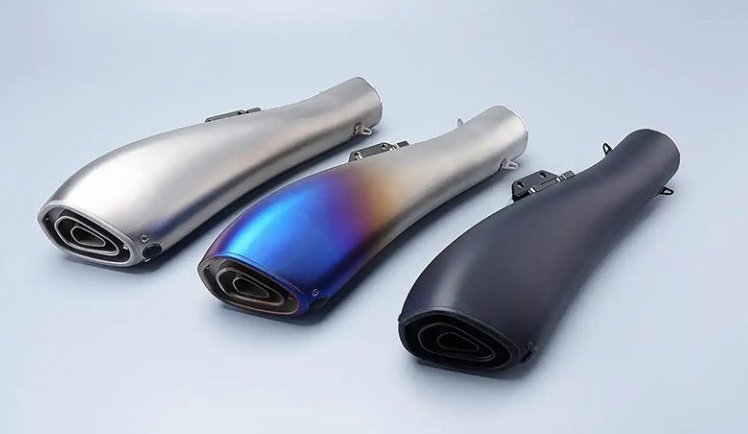
Foshan KOnaz Technology Co., Ltd is a highly reliable supplier for premium high temperature coating solutions. Factories use these solutions in BBQ grills, cozy fireplaces, hot stoves, baking ovens, exhaust pipes, space heaters, and various other heat-exposed products.
Focused Product Direction
KOnaz strictly focuses on advanced heat resistant coatings. They design these products to fix common industry problems. These issues include ugly discoloration, nasty peeling, messy powdering, and total durability loss under extreme high-temperature conditions. This sharp focus makes the company a highly practical choice for BBQ grill OEMs. These factories desperately need both solid heat performance and a beautiful surface appearance.
Support for OEM Buyers
For BBQ grill manufacturers, KOnaz can actively support the initial coating selection and detailed sample testing. They also help with strict color requirements and daily production needs. The company’s deep experience in high temperature coating applications is very helpful. It allows buyers to cut down on costly trial-and-error phases during new product development and heavy mass production.
Conclusion
Selecting the ideal high temperature powder coating for BBQ grill manufacturing demands a very careful evaluation. Buyers must check heat resistance, visual appearance stability, metal adhesion, and rust protection. They also need to review the baking schedule, ideal film thickness, and overall factory production compatibility. Furthermore, buyers must always test physical samples under realistic grill-use conditions before starting mass production. A truly suitable coating can easily reduce nasty peeling, ugly discoloration, and expensive rust claims. It also stops angry customer complaints while greatly boosting final product value and overall brand reputation. For busy OEM factories and premium grill brands seeking highly stable high temperature coating solutions, Foshan KOnaz Technology Co., Ltd can deliver highly practical product support. They handle the most demanding BBQ grill applications with ease.
FAQs
1. What temperature resistance is needed for BBQ grill coating?
The exact required temperature heavily depends on the specific grill part. Exterior panels usually need a much lower heat resistance than inner fireboxes or direct heat-affected zones. Buyers must always test the chosen coating under totally real working conditions before starting any bulk production.
2. Why does coating peel off on BBQ grills?
Nasty peeling might happen because of terrible surface preparation, hidden oil contamination, or underlying rust. It can also come from an incorrect film thickness, poor baking times, an unsuitable coating formula, or extreme repeated thermal stress. Careful metal pretreatment and a totally correct curing process remain absolutely essential.
3. What should BBQ grill OEMs test before buying high temperature powder coating?
OEM buyers must thoroughly test thermal heat cycling, metal adhesion, and physical impact resistance. They also need to check salt spray or damp humidity resistance, visual color stability, and proper film thickness. Finally, they must verify total compatibility with their current factory coating line.