Operating in high temperature environments places huge demands on equipment in industry today. Rapid oxidation, corrosion, thermal fatigue and other forms of damage to materials all bring the risk of early failure with consequent maintenance down time and cost. Protective coatings have become a critical choice for engineers designing equipment for use in locations such as power stations and petrochemical plants, in the exhaust systems of cars and in metallurgical processing plants. The choice is not simply between different surface finishes: it is a major engineering decision.
High temperature coatings are designed to provide a durable barrier that allows parts to maintain mechanical, chemical and surface characteristics while running at high temperatures for long periods of time. Not all heat resistant coatings are made equal, some will perform better than others. The effectiveness of high temperature coatings are greatly influenced by the resin used, pigments, coating structure and application method. When selecting a coating for high temperature applications, it is critical to have a good understanding of how a coating will perform at elevated temperatures in order to select the most suitable coating for a given application. Engineers, equipment manufacturers and maintenance personnel all benefit from having this type of information to ensure the best coating is selected for a given application.
In this article we describe the principles behind high temperature coatings, list the main materials and technologies to provide long term thermal protection and explain why advanced silicone-based coating systems have become the first choice for the majority of modern industrial applications.
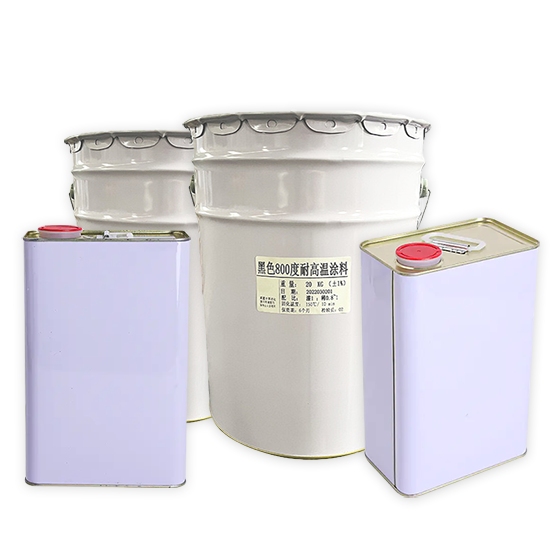
What Mechanisms Enable Coatings to Withstand Elevated Temperatures?
High temperature coatings are designed to operate at high temperatures and withstand the effects of high temperature where it comes into contact with a substrate. High temperature coatings achieve this by including a number of physical barriers as well as chemical stability to ensure that degradation of the substrate does not occur and that operation of the coating is maintained in industrial and aerospace applications.
Thermal Barrier Function
The primary defense mechanism of heat resistance coatings lies in their ability to form a low thermal conductivity layer, effectively reducing heat transfer to the underlying substrate. Ceramic-based materials such as zirconia and alumina are favored for their excellent insulating properties, while controlled microstructural stability ensures reliable performance during repeated heating cycles. Outstanding thermal resistance: Can withstand temperatures up to 800°C or even higher for a long time, with no peeling or powdering of the coating, and stable performance over time. Organic silicon high-temperature resistant paint is a high-performance coating. It uses organic silicone resin as the main component, which can resist high temperature and chemical corrosion. This coating can withstand temperatures up to 200-800 degrees Celsius, while also exhibiting excellent wear resistance and water resistance.
Oxidation and Corrosion Resistance
High-temperature coatings form a protective oxide layer which acts as a diffusion barrier to prevent oxidation of the coating. Additives of chromium or silicon increase the corrosion resistance of the coating in chemically aggressive environments. Oxidation resistance and corrosion resistance: By preventing oxidation of the metal surface high-temperature coatings effectively prevent corrosion in high-temperature environments. Advanced coatings have a dense microstructure which prevents penetration of gases, thus preventing degradation by oxygen and moisture.
Phase Stability Under Heat Stress
Long-term exposure at high temperature requires good phase stability in order to prevent deterioration of the material’s properties. To prevent uncontrolled growth of grains and thus avoid embrittlement or cracking and consequently delamination, grain growth must be controlled. For long-term thermal treatment good phase stability is achieved by special advanced materials containing rare earth elements which fix the crystal structure at high temperature in a stable way. These materials also keep their good mechanical properties after repeated thermal treatment cycles.
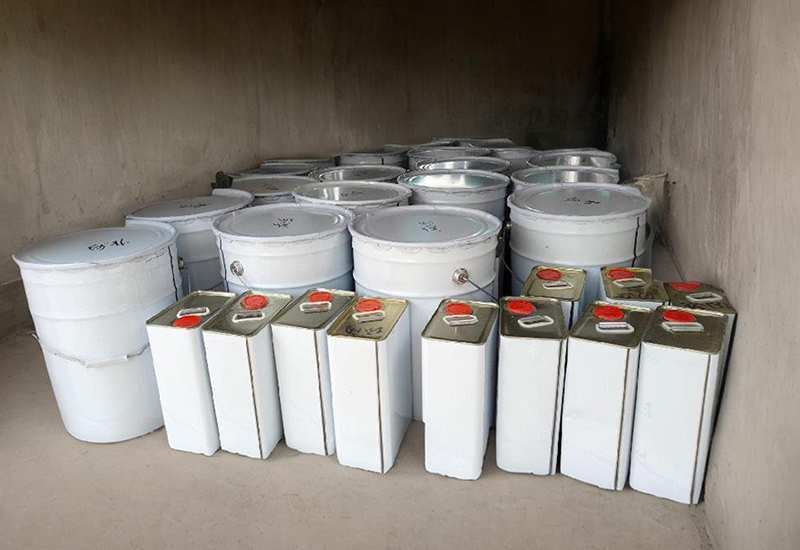
How Do Chemical Compositions Influence Heat Resistance?
The formulation of high temperature coatings is critical to their ability to withstand high temperature thermal cycling and subsequent fatigue as well as resist oxidation and corrosion in service environments, whether in an oxidative atmosphere or in the presence of one or more corrosive gases. The coating must also be compatible with the substrate on which it is applied.
Metallic vs Ceramic-Based Systems
A metallic system, such as aluminide or MCrAlY, is the most common type of coating and provides a combination of ductility and oxidation resistance for critical parts such as turbine blades. A number of different ceramic coatings are used to reduce heat transfer by convection and radiation. They are typically very hard and brittle, therefore great care is needed when depositing them. Hybrid coatings, which are a combination of a metallic layer and one or more layers of a ceramic, offer a number of advantages in achieving a balance between flexibility for coating complicated shapes, and low heat transfer for high temperature applications. A special coating, high-temperature resistant paint, can prevent metal from oxidizing and suffering from corrosion at high temperatures, and also maintains the appearance of plant and equipment.
Role of Binders and Additives
Binders are used to achieve good adhesion between the coating and substrate, while additives are used to achieve specific functions. For example, flexibility or to maintain hardness at higher temperatures. In practice, there are many types of binders and additives. For example, silicone resins have intermediate elasticity, phosphate binders have strong bonding to metal surfaces that are subject to cyclic heat, and nano-additives can even improve the coating’s durability by refining the grain size distribution. Using silicone heat-resistant paint also enables the erosion caused by ultraviolet rays to be isolated, and thus coating stability and durability to be maintained.
Where Are High Temperature Coatings Most Effectively Applied?
These coatings are indispensable wherever materials face continuous or intermittent heat exposure—from industrial furnaces to aerospace propulsion systems.
Aerospace Engineering Applications
Aerospace engineering requires the design of very light but strong materials that can withstand the very high temperatures in the combustion chamber of over 1000°C. The turbine blades are coated with ceramic protective layers to prevent them from oxidizing in flight. In addition, the exhaust assembly is coated with a metal layer in order to extend its operating life when under varying pressure.
Industrial Manufacturing Uses
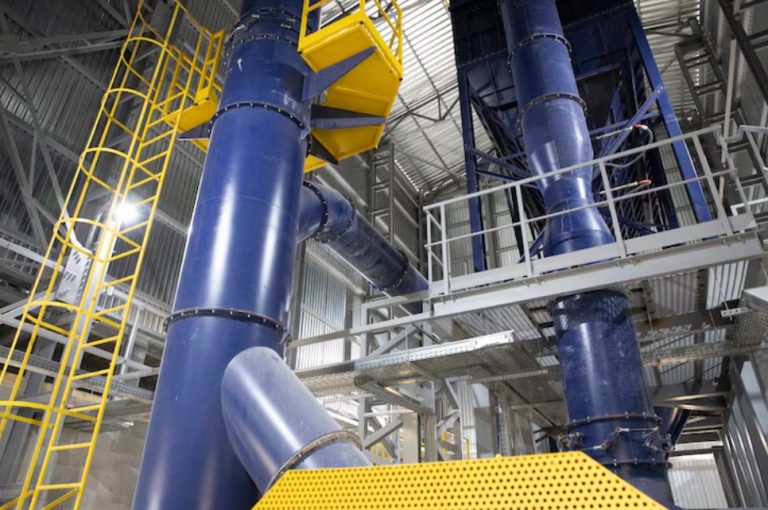
Most of the industrial sectors use the various types of protective systems in order to increase efficiency of processes and extend the lifespan of the equipment. Industrial high-temperature equipment: boilers, chimneys, pipelines, incinerators etc. Protective coatings prevent corrosion at high temperatures. For example, steel mills use coatings on all the rollers and molds that come into contact with flames. Chemical plants use protective coatings on reactors that come into contact with corrosive gases at high temperatures. Power plants use protective coatings on turbines and heat exchangers in order to be able to operate continuously under loads.
How Are Modern Coating Technologies Advancing Material Performance?
Advances in the field of material science have allowed for improved methods of application of high temperature coatings that allow for uniform application, improved adhesion, and increased functionality.
Advanced Deposition Methods
With modern deposition techniques the coating thickness can be very accurately controlled also for complex geometries. For a low porosity of the microstructure plasma spraying is used, dense films are created by physical vapor deposition (PVD) coatings, which are used for aerospace applications because of their low number of defects.
Smart Coating Development Trends
New smart materials are being developed that are able to ‘self-heal’ after minor damage events, returning to their original state by re- forming a protective layer. In addition, sensors embedded in smart materials can be used to monitor surface temperature variations in real-time. This real-time monitoring allows for more predictive maintenance and thus minimizes the amount of time a system is in down-time for mission-critical applications.
Why Choose Foshan Konaz Technology Co., Ltd as a Trusted Supplier?
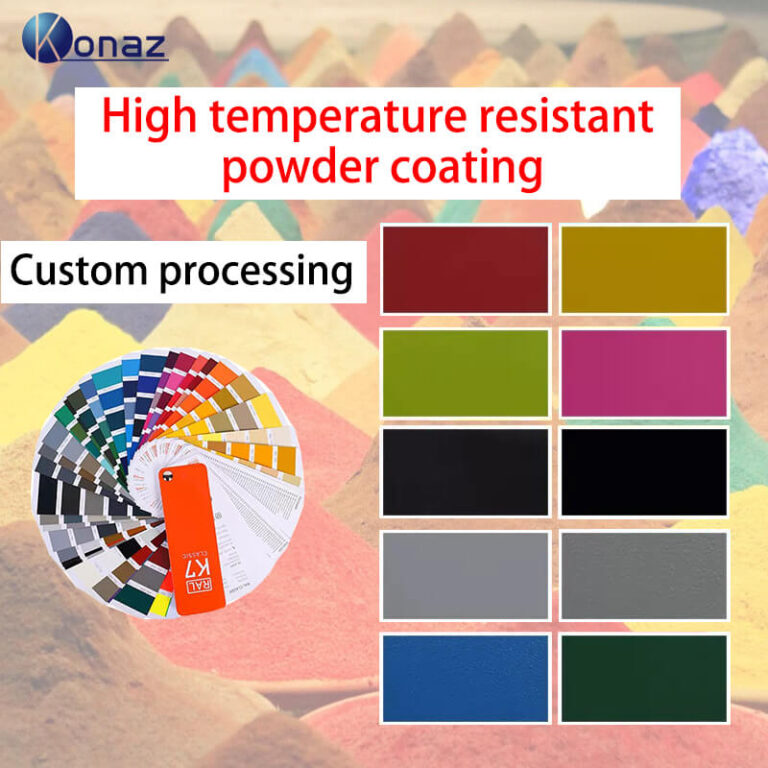
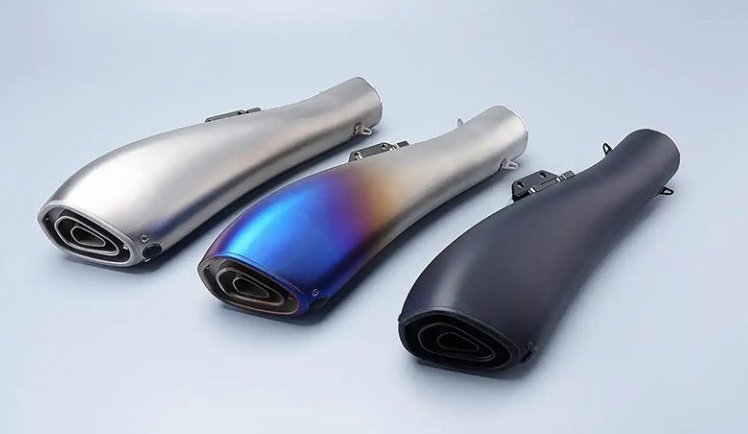
Foshan Konaz Technology Co., Ltd is a leading manufacturer of the heat-resistant products used for industrial purposes. Our products are mainly used for the metallurgy, power, petrochemicals and machinery industries. We export our high-quality products and provide good services to our customers all over the world and get their recognition and trust. Our organic silicon-based coatings have the characteristic of chemical corrosion resistance and are of stable performance which can keep for a long time at temperature 200 °C ~ 800 °C which fluctuates. konaz’s silicone high-temperature resistant paint is used in exhaust pipes, stoves, gold melting buckets, etc, which has the characteristic of corrosion resistance, heat resistance and decoration. konaz high-temperature resistant coating can be used to metal surface which requires high-temperature protection. The coating has a smooth paint film which is easy to clean and has good decoration. Our products go through strict quality control measures to ensure that they can meet the global standards. At the same time, we try our best to keep the cost down by mass production.
Key Insights into Future Developments in High Temperature Protection Materials
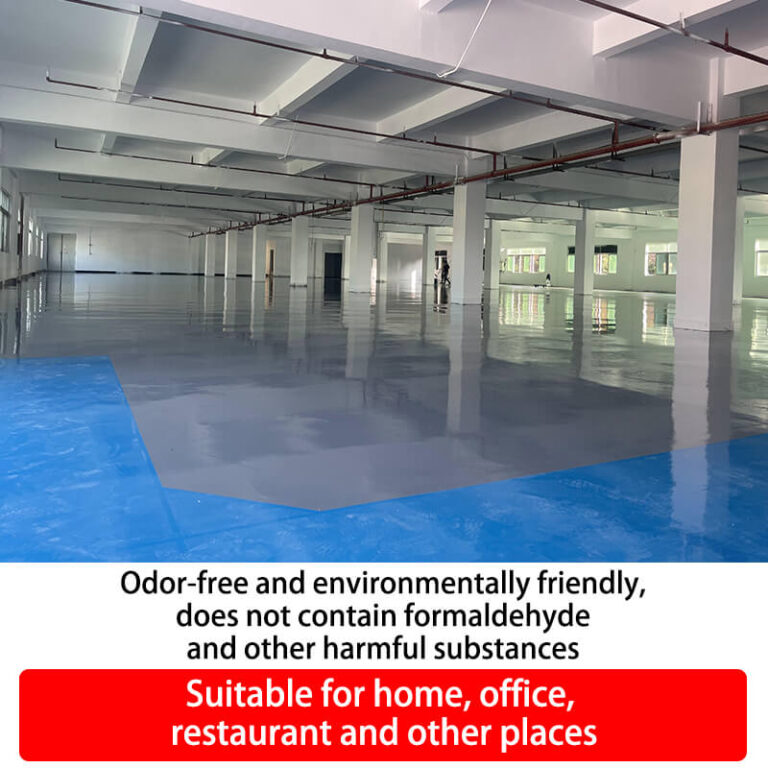
Future coatings are intended to be used in highly efficient processes and thus shall be made more sustainable. This can be achieved by using low-VOC coatings and by reinforcing them with nanoscaled particles. Thus, not only the mechanical properties are improved, but also the environmental safety is increased. Low-VOC environmentally friendly formula: Complies with global environmental protection standards, is safe and reliable, and is suitable for markets and fields with high environmental protection requirements. Future innovations in coating processes will be multifunctional, i.e. thermal protection combined with self-monitoring or catalytic effects. These new coatings will support a greener manufacturing.
Conclusion
High temperature coatings enable modern engineering systems to operate in extreme environments in a safe manner. A single layer of coating provides the three essential functions of thermal insulation, oxidation resistance and structural endurance, thus protecting the base material from deterioration for long periods at temperatures above 800 °C.
FAQs
What factors determine the longevity of a high temperature coating?
The durability of a coating depends on the quality of the coating composition, the quality of the substrate surface preparation, the operating environment (e.g. whether it is an oxidizing or reducing environment), the maximum service temperature, and the method of deposition with the goal of ensuring complete and crack free coverage.
Can heat resistant coatings be applied directly onto all metals?
Surface pre-treatment is typically required before application of a coating to ensure adequate bond strength between the coating matrix and the metal substrate. High-temperature resistant coatings place a number of demands on substrates. For optimal performance of coatings of this type, the surface of the substrate must be clean, free from oil and any signs of rust in order to guarantee adequate adhesion of the coating.
How do engineers evaluate the performance of a heat resistant coating?
Performance verification by means of tests such as thermal cycling endurance as well as oxidation rates under defined ambient conditions, adhesion tests according to ASTM, and the microstructural analysis by scanning electron microscopy (SEM) after exposure test cycles.