Water-based and solvent-free epoxy floor paint stand out as two popular options for industrial floors. However, they serve very different working environments. The right flooring system matters greatly for factories, warehouses, workshops, parking garages, laboratories, and commercial facilities. It directly impacts safety, cleaning speed, overall durability, facility downtime, and future maintenance costs. People often pick water-based epoxy floor paint because it is simpler to apply. It also smells less and meets breathable coating needs. On the other hand, solvent-free epoxy floor paint is widely known as 100% solids epoxy in various markets. Buyers usually select it to get a thicker film build. It delivers superior wear resistance and handles heavy-duty industrial tasks well. This article looks at both systems closely. It helps buyers figure out the ideal choice for their specific project.
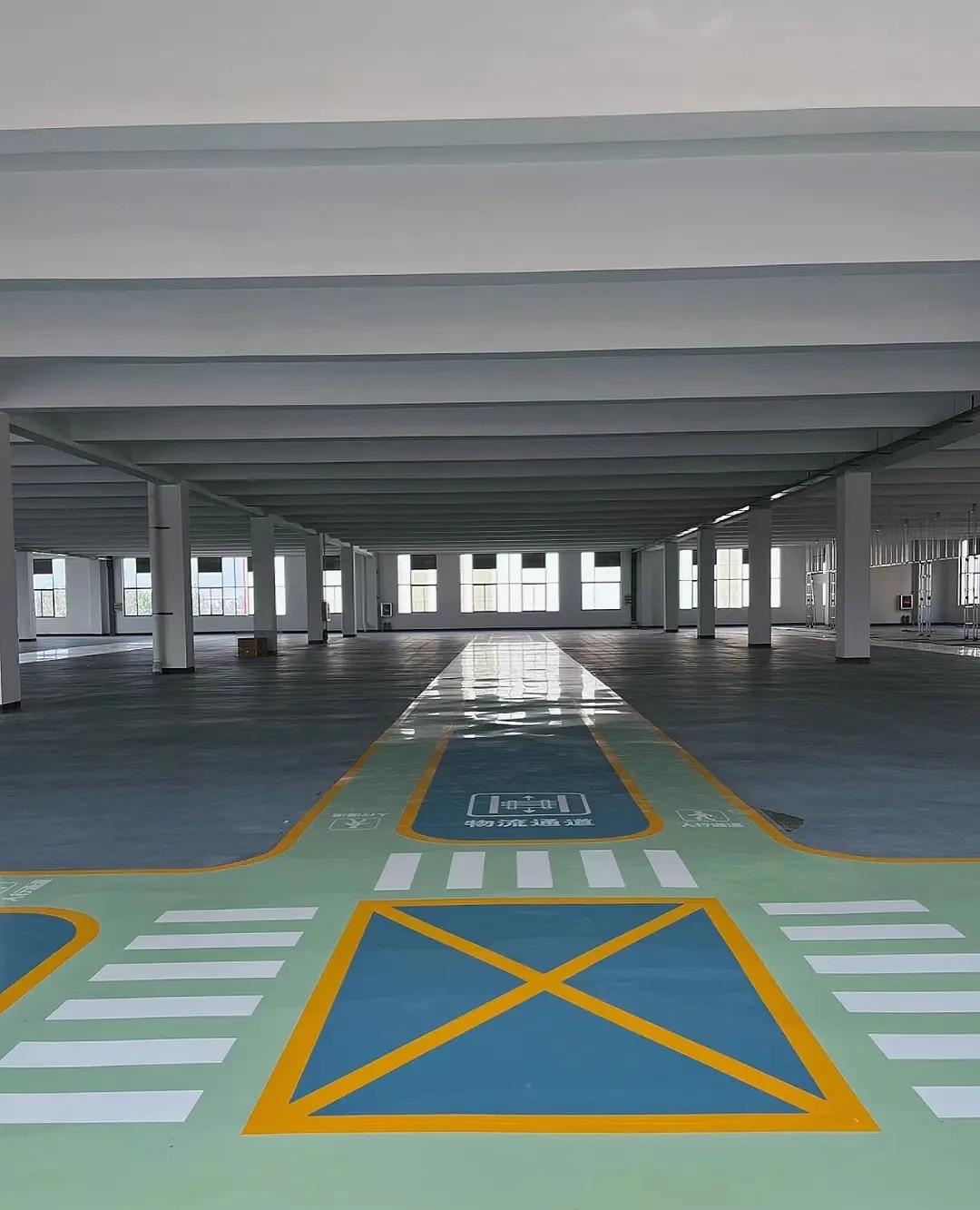
What Is Water-Based Epoxy Floor Paint?
Water-based epoxy floor paint relies on water as the primary carrier within the coating system. Manufacturers normally supply it as a two-part product. This package includes the epoxy resin along with a curing agent.
Main Features
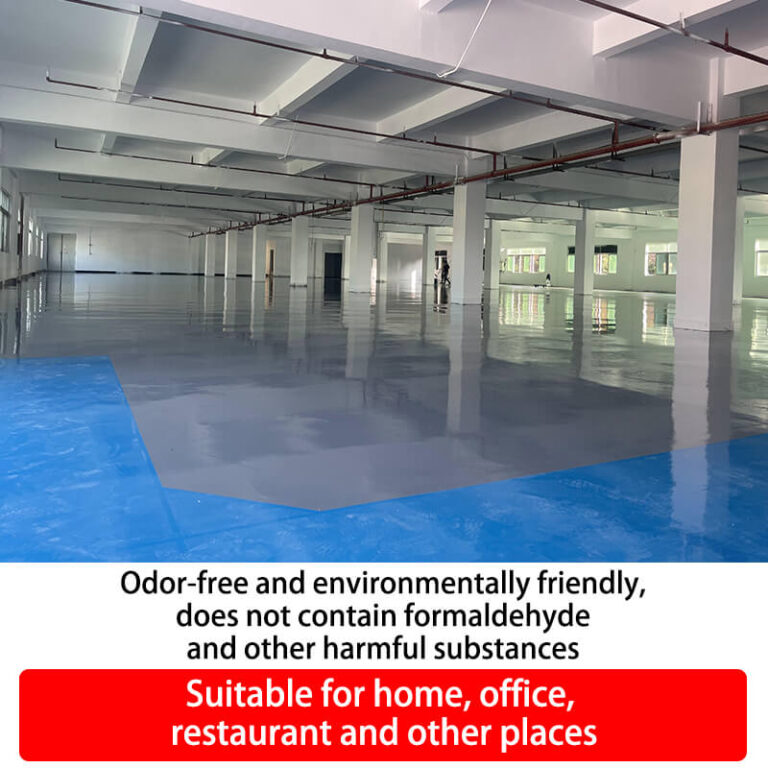
Water-based epoxy floor paint stands out because it produces very little smell during the application process. It makes cleaning tools much simpler. Furthermore, it works exceptionally well in indoor areas with poor ventilation. Contractors frequently apply it to concrete floors. You will see it in light industrial zones, commercial buildings, basements, small workshops, and everyday garages.
The resulting coating film is typically thinner than that of solvent-free epoxy. Therefore, it fits best in places experiencing light to moderate foot or cart traffic. It forms a neat, dust-proof, and visually pleasing surface. This happens as long as workers prepare the underlying concrete correctly.
Suitable Applications
Water-based epoxy serves as a highly practical choice for specific environments. These include warehouses using light carts, small-scale workshops, and production zones attached to offices. It also fits storage rooms and indoor commercial floors perfectly. Additionally, it proves quite useful when a project demands minimal odor. It allows people to resume basic indoor activities much faster.
Some locations face intense forklift movement, regular chemical spills, or severe surface rubbing. In those tough cases, buyers will certainly need a much tougher flooring system.
What Is Solvent-Free Epoxy Floor Paint?
Solvent-free epoxy floor paint contains almost zero volatile solvents. Throughout many industrial flooring projects, professionals refer to it as 100% solids epoxy. This name exists because virtually all the applied material stays behind to form the final cured film.
Main Features
Solvent-free epoxy naturally creates a much thicker and more solid coating layer. This robust nature makes it perfect for challenging industrial floors. Such floors demand superior mechanical strength, excellent impact handling, and an extended service life.
Facility managers commonly utilize it in busy factories, large logistics centers, and active production plants. It also appears in parking garages and heavy machinery workshops. These specific areas require floors capable of dealing with heavy forklifts and loaded pallet trucks. The surface must also withstand spilled oil, harsh cleaning agents, and constant foot traffic.
Suitable Applications
Solvent-free epoxy floor paint represents an excellent option for demanding industrial projects. Contractors apply it successfully in manufacturing plants, large warehouses, and busy auto repair workshops. It also works great in loading zones and chemical storage rooms. This success depends entirely on selecting the right formula and appropriate topcoat.
Buyers frequently prefer this solution when they desire a substantially thicker coating system. They choose it to achieve lasting durability and superior protection for their concrete floors.
How Do They Compare in Durability?
Durability remains a crucial factor when selecting materials for industrial floors. Buyers must carefully evaluate the expected traffic load and potential physical impacts. They should also think about surface abrasion, daily chemical exposure, and how often the floor needs maintenance.
Wear Resistance
Water-based epoxy performs admirably in light to medium-duty spaces. It lays down a neat protective layer. This layer minimizes concrete dusting and greatly enhances the overall floor appearance. However, the resulting film is inherently thin. Because of this, it might wear down quickly in zones dealing with heavy machinery or constant forklift movement.
Solvent-free epoxy typically delivers vastly superior wear resistance. It achieves this by forming a notably thicker and highly resilient surface. Factories and busy warehouses experience high daily traffic. For them, this tough coating reduces the need for frequent repairs. It ultimately prolongs the active working life of the floor.
Impact Resistance
Industrial floors constantly endure dropped metal tools, shifting heavy equipment, and massive static loads. Solvent-free epoxy generally provides outstanding impact resistance. This benefit comes directly from its substantial film build. Consequently, it becomes the ideal match for harsh production areas and active maintenance workshops.
Water-based epoxy remains a viable choice under certain conditions. It works fine where physical impact stays minimal. It suits floors primarily dedicated to simple walking, light goods storage, or the rolling of small carts.
Which One Is Better for Chemical Resistance?
A floor’s chemical resistance relies heavily on the specific epoxy formulation and the final film thickness. It also depends on the overall curing quality and the exact type of chemical exposure. Buyers must avoid judging a product solely by its general category.
Water-Based Epoxy Performance
Water-based epoxy effectively resists many everyday stains and basic dust. It also handles mild chemicals and standard cleaning products well. This makes it totally appropriate for general commercial settings and light industrial environments.
Some facilities only face occasional water splashes, mild detergent use, or minor oil drips. In those specific instances, water-based epoxy might be perfectly sufficient. This holds true as long as the maintenance team cleans the floor properly.
Solvent-Free Epoxy Performance
Solvent-free epoxy generally performs much better in severe chemical environments. It features a substantially thicker and more compact coating. This structure delivers robust protection against heavy oil, thick grease, harsh fuels, and specific industrial chemicals.
Certain areas demand extra care, like chemical mixing rooms, auto repair workshops, busy production lines, and machine maintenance zones. For these places, buyers should always request detailed chemical resistance data from their supplier before placing an order.
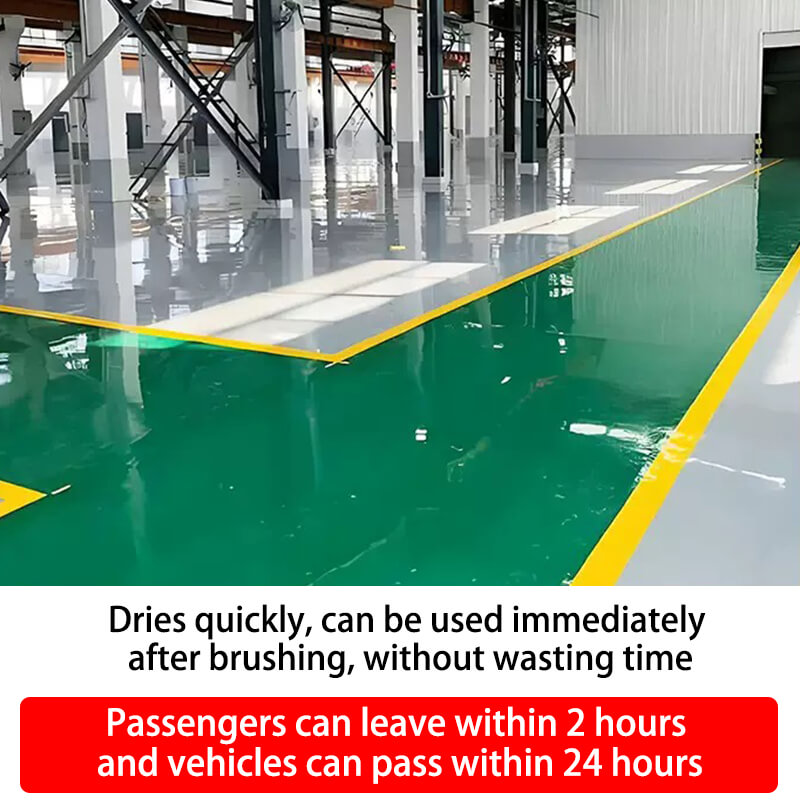
Which One Is Easier to Apply?
The difficulty of the application process directly impacts labor costs and total project downtime. It also influences the final quality of the coating. Both flooring systems absolutely require correct and thorough surface preparation.
Water-Based Epoxy Application
Workers generally find water-based epoxy much easier to apply using a standard roller or brush. It emits a very mild odor. This characteristic makes it highly user-friendly for smaller renovation projects. It might even tolerate slightly damp concrete better than various alternative systems. This particular benefit depends entirely on the specific product design.
Even so, the base floor must remain completely clean and properly roughened. It needs to be entirely free from surface oil, loose dust, concrete laitance, and any weak spots. Poor surface preparation will likely cause severe peeling, ugly bubbling, or generally weak adhesion.
Solvent-Free Epoxy Application
Solvent-free epoxy frequently possesses a much higher viscosity. Therefore, it demands highly careful mixing, precise spreading, and accurate leveling. It usually requires skilled and experienced applicators. This is especially true for pouring self-leveling floors or applying thicker industrial systems.
The main reward is a significantly stronger final floor when workers apply it correctly. For massive industrial projects, experts strongly recommend hiring a professional application team.
Which One Is More Cost-Effective?
The cheapest material price does not automatically guarantee the lowest overall project cost. Smart buyers should always compare the total lifecycle value of the floor.
Initial Cost
Water-based epoxy frequently proves more economical for light-duty spaces. It serves as an excellent choice when the project budget remains tight. It also makes sense when the floor will not experience heavy mechanical wear.
Solvent-free epoxy typically carries a higher initial price tag. This happens because it contains a greater amount of resin and forms a noticeably thicker layer. Furthermore, the application process might demand more expensive, highly skilled labor.
Long-Term Cost
In demanding heavy-duty areas, solvent-free epoxy will likely save significant money over time. It achieves this by drastically reducing future repairs, lowering the frequency of recoating, and minimizing facility downtime. If someone uses water-based epoxy in an unsuitable, harsh environment, the floor will probably require a much earlier replacement.
For large mixed-use facilities, buyers can smartly deploy different systems across various zones. For instance, they can apply water-based epoxy inside light storage rooms. Meanwhile, they can install solvent-free epoxy along busy forklift lanes and active production zones.
How Should Buyers Choose the Right Epoxy Floor Paint?
The ideal choice depends heavily on the existing floor condition and the expected traffic level. It also relies on specific safety needs and the daily working environment. Buyers must thoroughly evaluate the entire project scope. They should never make a selection based on the product name alone.
Choose Water-Based Epoxy If
Water-based epoxy might be the perfect fit when the floor experiences only light to moderate traffic. It works well if the project demands minimal odor and the area stays indoors. It is also great when the budget remains strictly controlled. Furthermore, it functions beautifully for standard commercial floors, residential basements, clean storage spaces, and compact workshops.
Choose Solvent-Free Epoxy If
Solvent-free epoxy proves far superior when the floor must endure heavy forklifts and massive static loads. It is necessary for handling severe abrasion, spilled oil, harsh chemical exposure, or strict long-term durability requirements. It represents a much better match for busy factories, massive warehouses, commercial parking garages, heavy workshops, and large industrial plants.
Check the Surface Condition
Before picking either flooring system, buyers must carefully inspect the base concrete. Hidden moisture, deep cracks, and stubborn oil contamination will ruin the project. Weak surface layers and peeling old coatings can severely damage the final adhesion. A reliable supplier or professional contractor should always recommend the proper primer and necessary repair materials. They must also suggest the correct film thickness and ideal topcoat based on the actual condition of the floor.
Why Choose Foshan KOnaz Technology Co., Ltd as an Epoxy Floor Paint Supplier?
Foshan KOnaz Technology Co., Ltd stands as a highly dependable supplier of epoxy floor paint for both industrial and commercial flooring projects. The company delivers excellent coating solutions tailored for factories, large warehouses, and busy parking garages. They also supply products for basements, active workshops, and many other diverse floor applications.
Practical Product Support
KOnaz concentrates heavily on producing highly durable floor coating systems. These systems actively help enhance daily abrasion resistance and overall chemical resistance. They also boost the visual surface appearance and streamline routine maintenance efficiency. For potential buyers, this dedicated focus means great flexibility. They can confidently select products based on actual project demands. These demands include the expected traffic level, desired coating thickness, preferred gloss finish, required anti-slip effect, and the specific application environment.
Suitable for B2B and Project Buyers
Professional contractors, regional distributors, and large facility owners all value consistent product quality. They also rely on clear, accurate technical communication. KOnaz actively supports these professional buyers through guided product selection and rigorous sample testing. The team provides expert coating recommendations designed for vastly different floor conditions and strict usage requirements.
Conclusion
Both water-based and solvent-free epoxy floor paint play highly valuable roles within the industrial flooring sector. Water-based epoxy generally fits perfectly in light to medium-duty spaces. In these areas, minimal odor, straightforward application, and strict cost control remain top priorities. Conversely, solvent-free epoxy typically serves as the superior option for demanding heavy-duty industrial floors. These tough environments require a much thicker film build, enhanced wear resistance, and a significantly longer service life. Smart buyers must carefully compare the anticipated traffic level and potential chemical exposure. They should also evaluate the current concrete condition, preferred application method, acceptable downtime, and future maintenance costs before making any final decision. For diverse industrial and commercial flooring projects, Foshan KOnaz Technology Co., Ltd is ready to help. They supply highly practical epoxy floor paint solutions designed to create much safer, noticeably cleaner, and incredibly durable floors.
FAQs
1. Is water-based epoxy floor paint strong enough for industrial floors?
Yes, water-based epoxy can definitely serve well on light to medium-duty industrial floors. However, some spaces face constant heavy forklift traffic, regular physical impact, or harsh chemical exposure. In those specific situations, solvent-free epoxy easily becomes the much better option.
2. Is solvent-free epoxy floor paint more expensive?
Solvent-free epoxy generally comes with a noticeably higher initial price. This happens because it lays down a much thicker and physically stronger coating layer. However, when used in heavy-duty areas, it can drastically reduce long-term repair bills and frequent recoating costs.
3. Which epoxy floor paint is better for warehouses?
For simple, light storage warehouses, water-based epoxy might be perfectly adequate. However, many warehouses operate heavy forklifts, busy pallet trucks, and active loading areas. They experience constant heavy traffic. For those busy facilities, solvent-free epoxy stands out as the generally superior choice.